
The Ukrainian military has confirmed that the strikes are part of a broader strategy by Russia to undermine Ukraine’s defense capabilities. As of October 12, at least 50 civilians have been reported killed, with many more injured. The international community has condemned these actions, calling for immediate cessation of hostilities and increased support for Ukraine. For more on military aid dynamics, see our article on Pentagon collaborations.
In response to the intensified bombardment, Ukrainian President Volodymyr Zelensky has urged allies to expedite military aid, emphasizing the urgent need for air defense systems. The situation remains volatile, as both sides prepare for potential ground offensives in the coming weeks. Observers note that the recent strikes could further complicate diplomatic efforts aimed at achieving a ceasefire.
The humanitarian impact of these airstrikes is profound, with thousands of residents displaced and essential services disrupted. Organizations such as the United Nations have raised alarms about the growing number of people in need of assistance. As winter approaches, the urgency to address both the immediate and long-term needs of affected populations is becoming increasingly critical.
Understanding the background of the ongoing war in Ukraine
The conflict in Ukraine has deep historical roots, dating back to the dissolution of the Soviet Union in 1991, which left Ukraine as an independent state. However, tensions between Ukraine and Russia have persisted, particularly regarding Ukraine’s desire to align more closely with Western Europe and NATO. In 2014, Russia’s annexation of Crimea marked a significant escalation in hostilities, leading to a protracted conflict in Eastern Ukraine, where Russian-backed separatists declared independence in the Donetsk and Luhansk regions. This evolving situation has been shaped by external power influences.
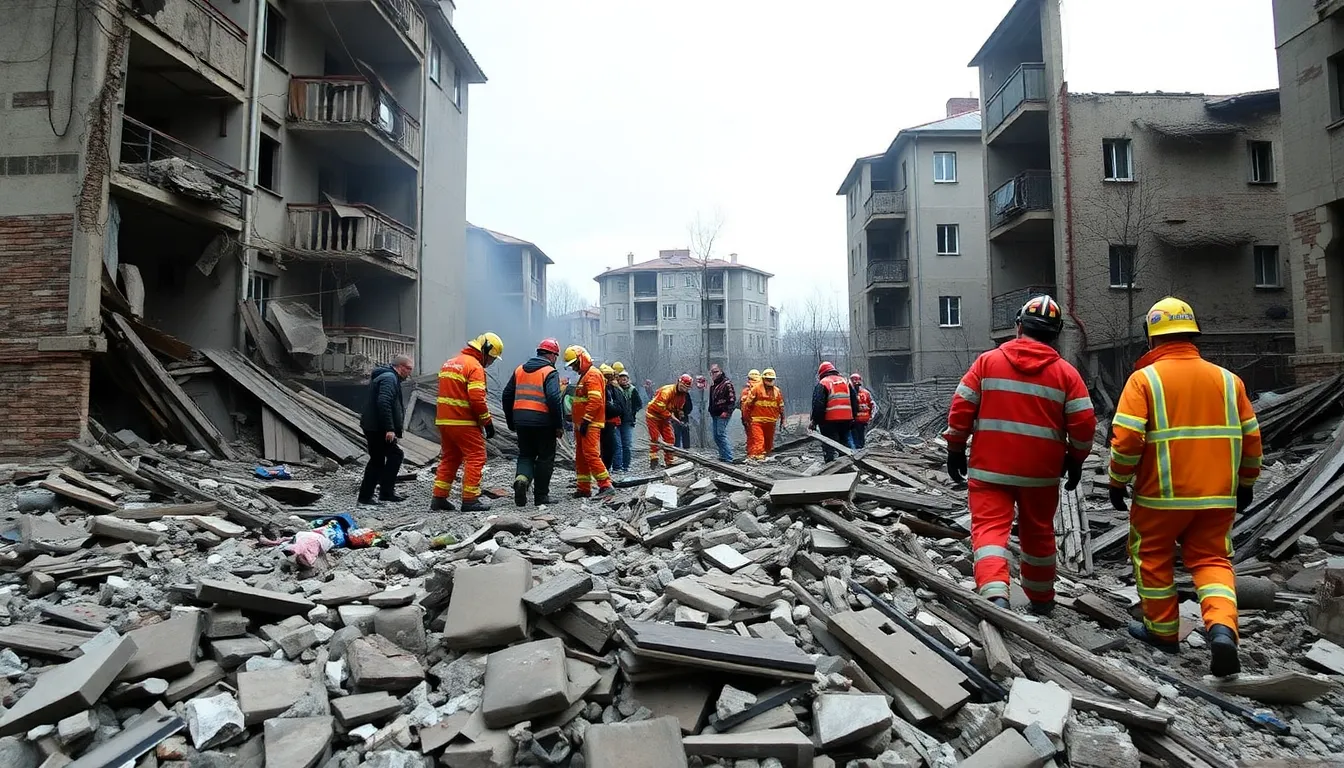
Politically, the situation has been fueled by Ukraine’s aspirations for greater integration with European institutions, which Russia perceives as a direct threat to its sphere of influence. The Euromaidan protests in 2013-2014, sparked by then-President Viktor Yanukovych’s decision to suspend an association agreement with the European Union, highlighted the divide between pro-European and pro-Russian sentiments within Ukraine. This internal conflict has been manipulated by external powers, primarily Russia, to justify its military interventions.
The Economic Dimension
Economically, Ukraine has been heavily reliant on Russian energy resources, making it vulnerable to fluctuations in prices and supply disruptions. The ongoing war has devastated Ukraine’s economy, leading to significant infrastructure damage, loss of industrial output, and a humanitarian crisis that has displaced millions. International sanctions against Russia have attempted to curb its aggression, but the economic repercussions for Ukraine have been profound, complicating recovery efforts.
Socially, the war has exacerbated divisions within Ukrainian society, as well as between Ukraine and Russia. The conflict has fostered a strong sense of national identity among Ukrainians, who have rallied against perceived aggression. However, it has also led to increased polarization, with some communities in Eastern Ukraine feeling a stronger allegiance to Russia. The humanitarian impact, including casualties and displacement, has further strained social cohesion and highlighted the urgent need for a resolution to the conflict.
Key stakeholders and issues surrounding the strikes
The ongoing conflict between Russia and Ukraine has drawn in various stakeholders, each with distinct interests and motivations. The primary actors include the Ukrainian government, the Russian government, international organizations, and local populations affected by the strikes. Understanding their roles and the underlying issues is crucial for grasping the broader implications of the recent attacks, similar to insights provided in our piece on pursuing justice in complex scenarios.
The Ukrainian government, led by President Volodymyr Zelenskyy, seeks to defend its sovereignty and territorial integrity. In the face of deadly strikes on urban centers, Ukraine’s immediate interest lies in securing military aid and diplomatic support from Western nations. This support is vital not only for military resilience but also for bolstering national morale amid the devastation.
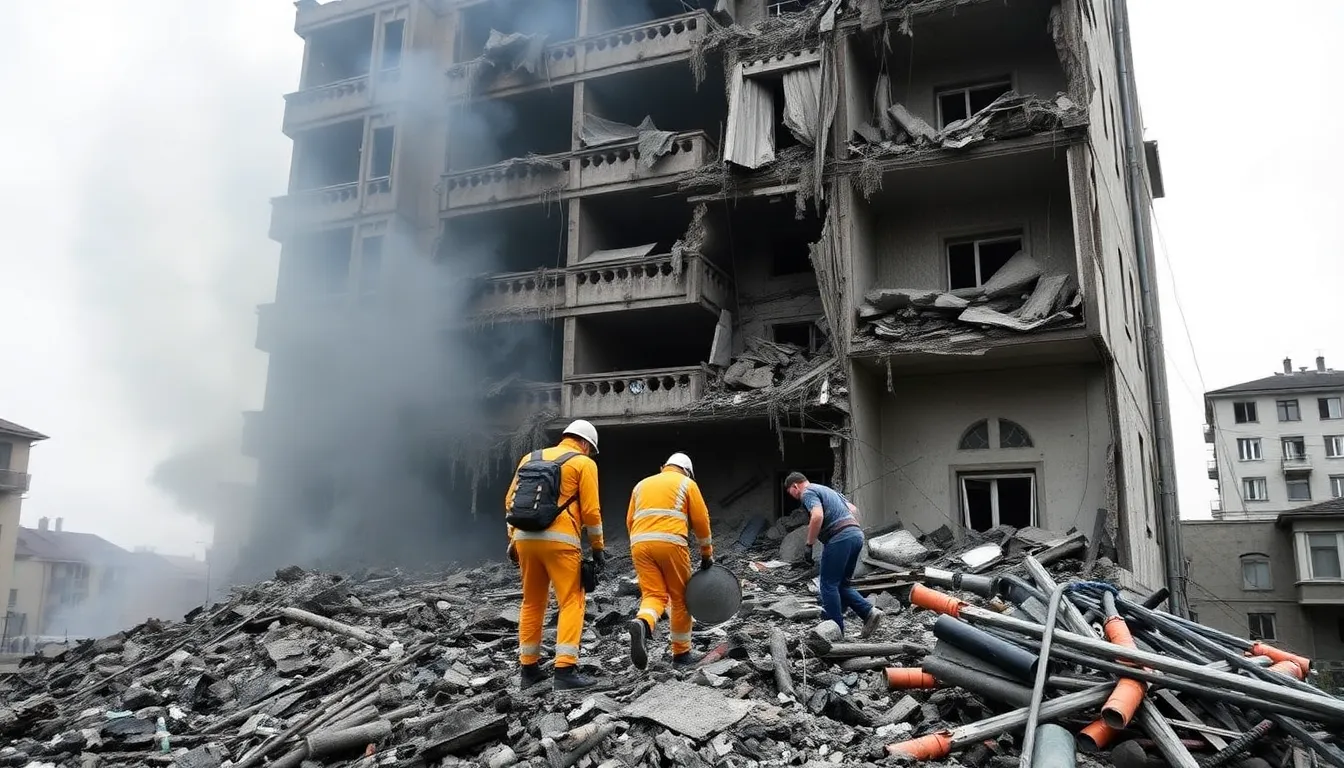
On the other hand, the Russian government, under President Vladimir Putin, aims to exert influence over Ukraine and undermine its aspirations for closer ties with Western countries. The strikes can be seen as a tactic to instill fear, disrupt civilian life, and weaken the Ukrainian resolve. This strategy raises significant legal and ethical questions regarding the conduct of war and the protection of civilians under international law.
- Humanitarian Impact: The strikes have led to significant civilian casualties and displacement, raising urgent humanitarian concerns.
- International Response: The strikes have prompted calls for increased sanctions against Russia and more robust military aid for Ukraine from Western countries.
- Legal Implications: Questions arise regarding potential war crimes and violations of international humanitarian law, complicating diplomatic relations.
- Economic Consequences: The ongoing conflict disrupts trade and economic stability in the region, affecting global markets and energy supplies.
- Public Sentiment: The strikes influence public opinion both domestically within Ukraine and internationally, shaping future policy decisions.
Amid these complexities, local populations bear the brunt of the conflict, facing loss, trauma, and uncertainty. Their plight underscores the human cost of geopolitical struggles and the urgent need for a resolution that prioritizes peace and stability in the region.
The devastating impact on civilians and infrastructure
The recent Russian strikes on Ukrainian cities have profoundly affected various groups, particularly civilians who bear the brunt of the violence. Families are displaced, lives are lost, and the psychological toll on individuals is immeasurable. Essential services such as healthcare, education, and public safety are severely compromised, leading to a humanitarian crisis.
Industries across Ukraine are also feeling the strain. The destruction of infrastructure disrupts supply chains, leading to shortages of essential goods and services. Key sectors like agriculture and manufacturing face immediate challenges, with farmers unable to tend to their fields and factories halting production due to damage or lack of resources.
In the short term, daily life for many Ukrainians has become a struggle for survival, with access to food, clean water, and medical care dwindling. Businesses are forced to adapt quickly, seeking alternative methods to operate, which may include remote work or relocating to safer areas. Government policies may shift towards emergency measures, impacting budgets and prioritizing defense and humanitarian aid.
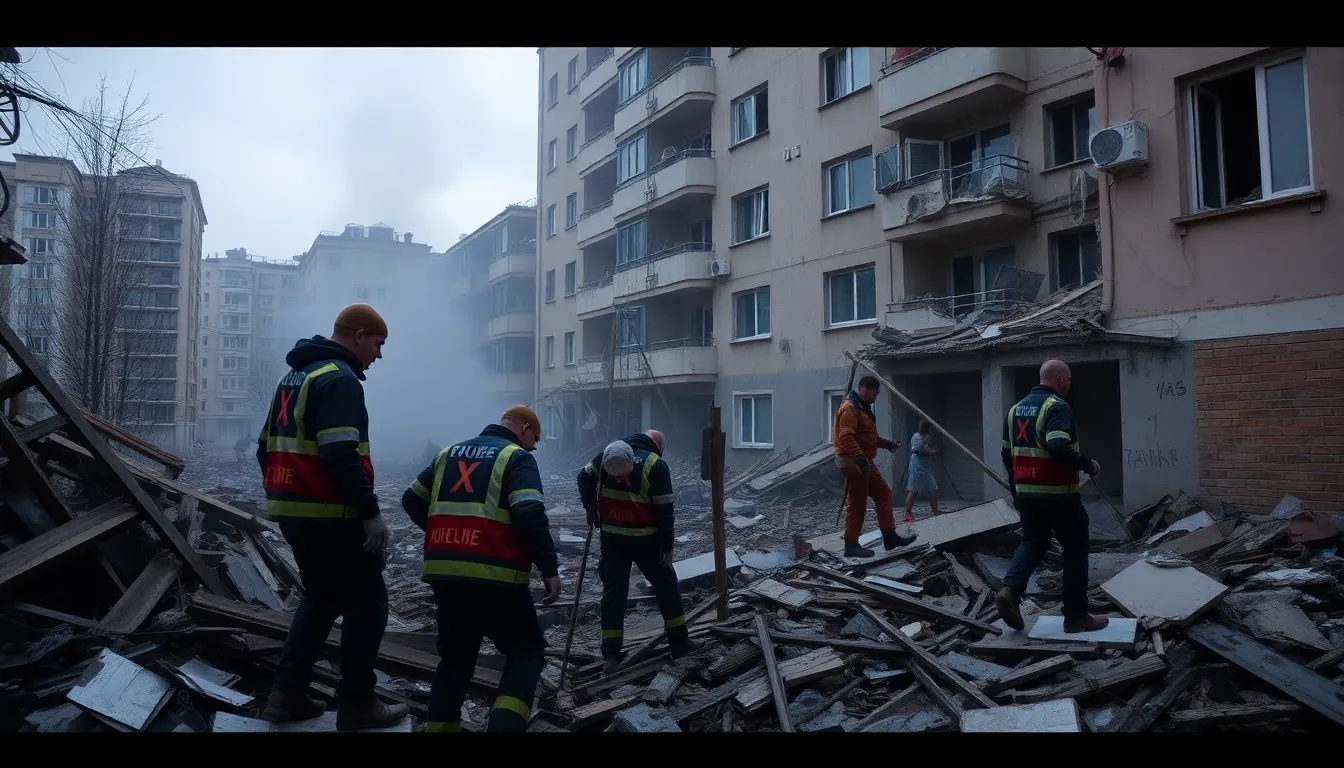
- Increased displacement: Thousands of families are forced to flee their homes, leading to a refugee crisis.
- Economic downturn: Local businesses face closures, impacting employment and local economies.
- Healthcare strain: Hospitals are overwhelmed, and access to medical supplies is limited.
- Education disruption: Schools are closed or damaged, affecting children’s education.
In the mid-term, while the risks remain high, there are potential opportunities for international support and investment in reconstruction efforts. As the world rallies to aid Ukraine, new partnerships could emerge, fostering innovation in rebuilding infrastructure and revitalizing the economy. However, this will require a stable environment and a commitment to long-term peace.
A: Major cities such as Kyiv, Kharkiv, and Lviv have reported significant damage due to the recent airstrikes, affecting both residential areas and critical infrastructure. A: The international community has condemned the strikes, with many countries calling for increased sanctions against Russia and providing additional support to Ukraine. A: The strikes have exacerbated the humanitarian crisis, leading to increased displacement of civilians and overwhelming local resources for aid and medical assistance. A: Yes, Ukrainian forces are actively responding to the strikes, with efforts to bolster air defense systems and coordinate with international allies for military support. A: Peace talks remain stalled as both sides have not reached a consensus, and the recent escalation has further complicated diplomatic efforts.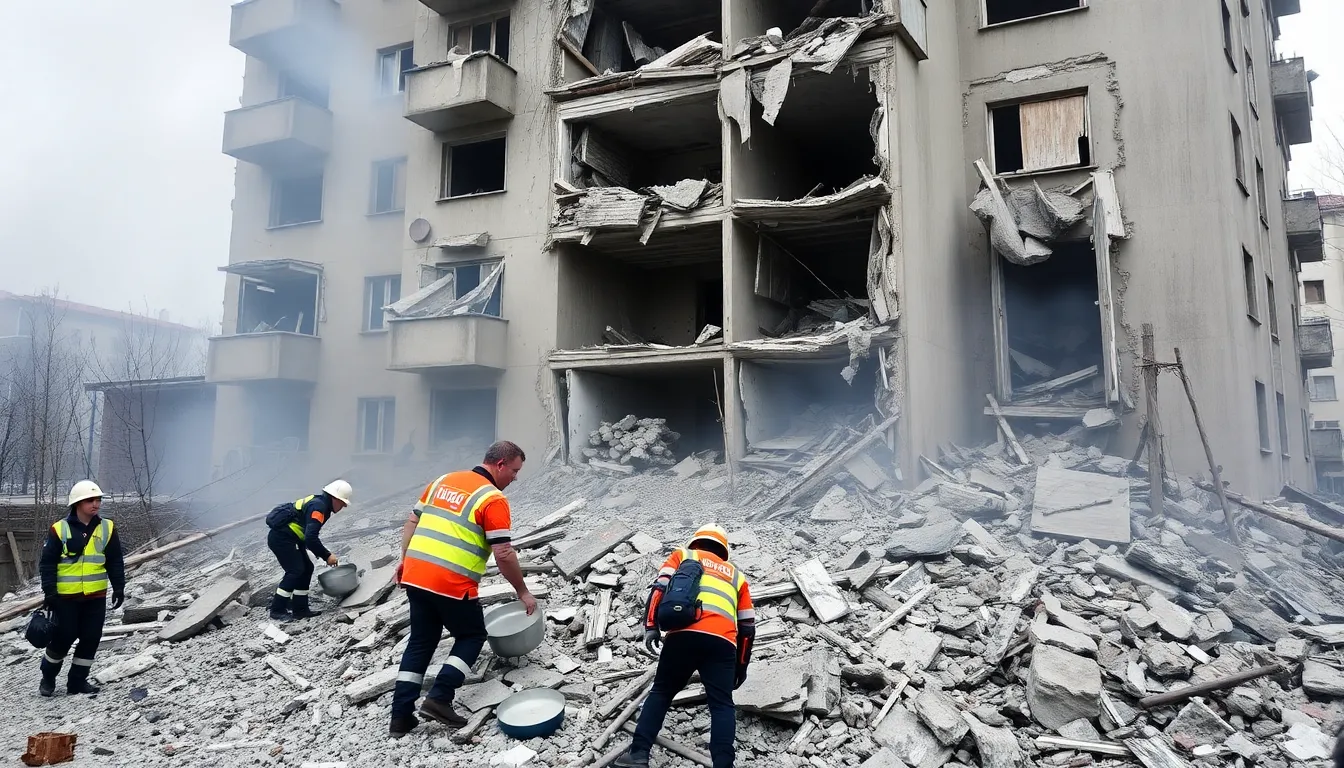
Frequently asked questions about the recent strikes
Looking ahead: implications of the strikes for Ukraine and beyond
The recent escalation of deadly Russian strikes on Ukrainian cities underscores a critical juncture in the ongoing conflict. As the situation evolves, it is essential to consider the broader ramifications not only for Ukraine but also for regional stability and international relations. The resilience demonstrated by Ukrainian forces and civilians alike may influence future military strategies and diplomatic negotiations.
In the wake of these attacks, the international community’s response will be pivotal in shaping the trajectory of the conflict. Enhanced military aid and support for Ukraine could deter further aggression, while the humanitarian crisis necessitates immediate attention from global organizations. Observers should remain vigilant regarding potential shifts in alliances and the geopolitical landscape as nations respond to these developments.
- Increased military support: Expect a surge in military assistance from Western nations as they respond to the urgency of the situation.
- Humanitarian crisis management: Watch for initiatives aimed at addressing the growing humanitarian needs of displaced populations within Ukraine.
- Geopolitical shifts: Monitor the reactions of neighboring countries and global powers, which may redefine alliances and influence future negotiations.
- Public sentiment: The resilience of Ukrainian citizens could galvanize further domestic and international support for the Ukrainian cause.
- Long-term conflict implications: Consider the potential for prolonged conflict and its effects on regional security and economic stability.