
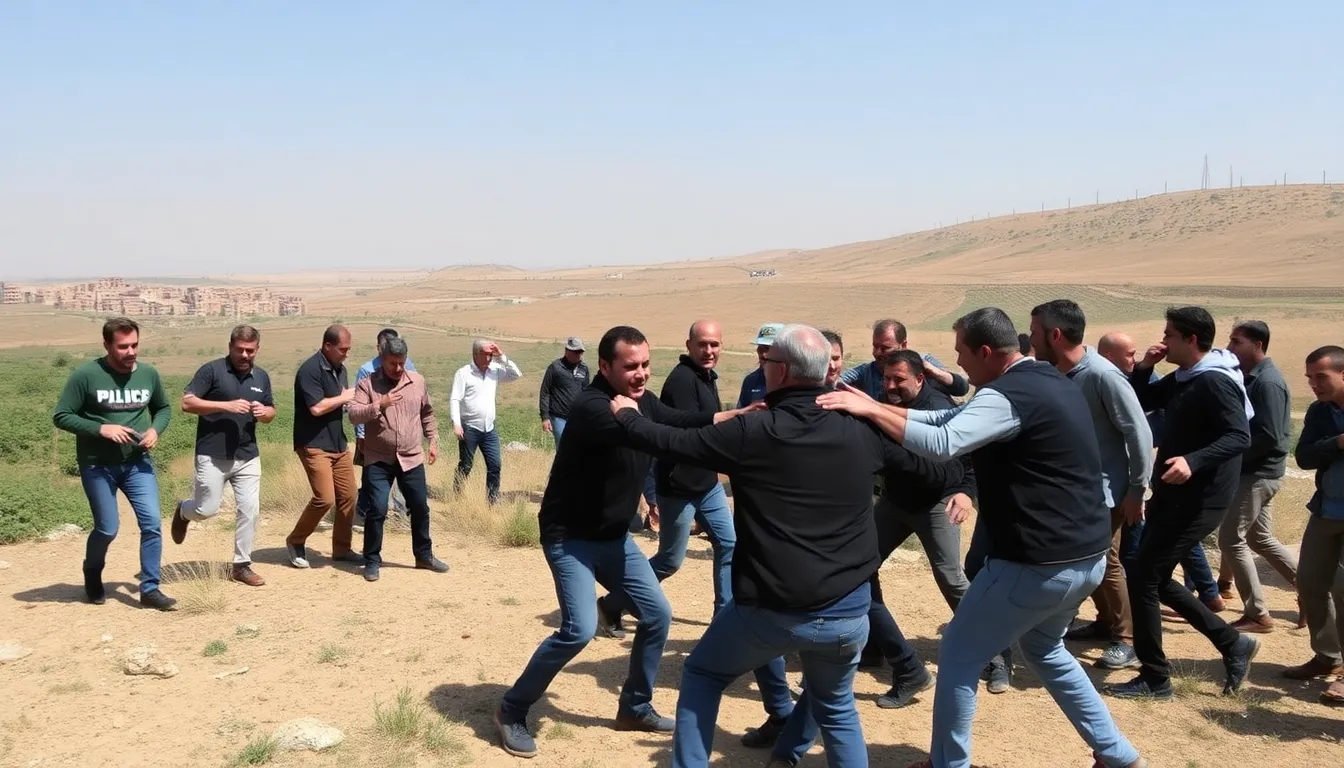
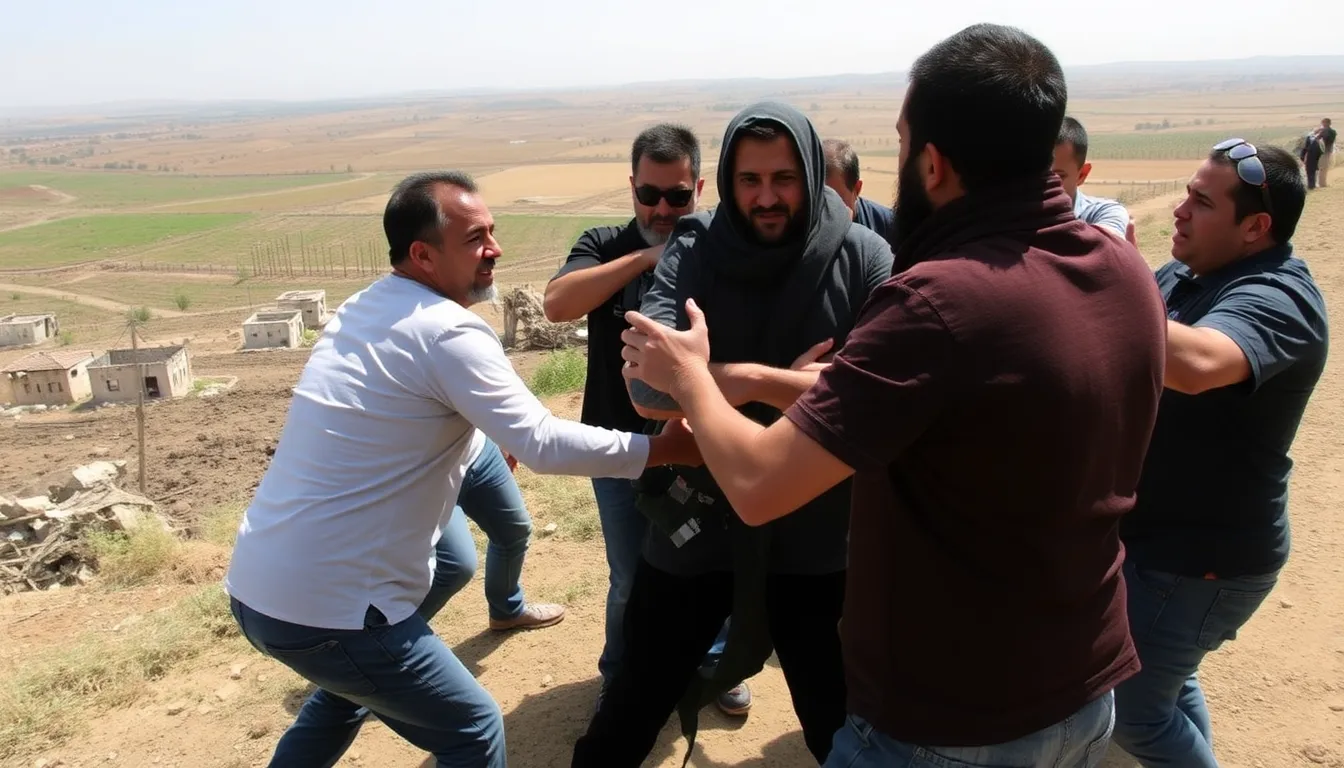
The escalation comes amid a backdrop of heightened tensions in the region, with the Israeli government affirming its support for settlement expansion. This has emboldened settlers, who are increasingly taking matters into their own hands, often clashing with Palestinian residents and Israeli security forces. On October 15, a significant confrontation in the village of Burin resulted in injuries to several Palestinians and damage to local agricultural land.
Human rights organizations have expressed grave concerns about the implications of these attacks, citing a pattern of impunity for settlers. The Israeli military has been criticized for its response, which many believe has been inadequate in protecting Palestinian civilians. Additionally, the international community has called for an urgent reassessment of the situation, emphasizing the need for accountability and a return to dialogue.
The situation remains fluid, with ongoing reports of violence and retaliatory actions. As the conflict in Iran continues to dominate headlines, the plight of those affected by the escalating violence in the West Bank risks being overlooked, raising questions about the broader implications for peace and stability in the region.
The ongoing conflict in Iran is overshadowing regional tensions
The conflict between Israel and Palestine has deep historical roots, with tensions escalating significantly since the mid-20th century. The establishment of the State of Israel in 1948 led to the displacement of hundreds of thousands of Palestinians, an event referred to as the Nakba, or “catastrophe.” This event set the stage for ongoing disputes over land, national identity, and sovereignty, which continue to fuel violence and instability in the region.
In the years that followed, various wars and uprisings, including the Six-Day War in 1967 and the First and Second Intifadas, further entrenched divisions and hostilities between Israelis and Palestinians. The occupation of the West Bank and Gaza Strip by Israel has been a focal point of contention, with Israeli settlements expanding in these territories despite international condemnation and calls for a two-state solution.
As the international community’s attention shifts towards the conflict in Iran, Israeli settlers have reportedly intensified their actions in the West Bank. This has raised concerns among Palestinian communities and human rights organizations, which argue that such actions are exacerbating the already volatile situation and undermining prospects for peace. The Israeli government’s policies, often seen as supportive of settlement expansion, contribute to this cycle of violence and retaliation.
Key Milestones in the Israeli-Palestinian Conflict
Several key milestones have shaped the current landscape of the Israeli-Palestinian conflict. The Oslo Accords in the 1990s marked a significant attempt at peace, establishing a framework for negotiations and limited Palestinian self-governance. However, the failure to reach a final agreement and subsequent violence, including the Second Intifada, led to a breakdown in trust and further entrenchment of divisions.
In recent years, the recognition of Jerusalem as Israel’s capital by the United States and the normalization of relations between Israel and several Arab states have altered the dynamics of the conflict, often sidelining Palestinian aspirations and rights. As the world focuses on the implications of the Iran war, the intensification of settler violence in the West Bank serves as a stark reminder of the unresolved issues that continue to plague the region.
Key stakeholders and their roles in the West Bank conflict
The ongoing conflict in the West Bank involves a complex interplay of various stakeholders, each with distinct interests and motivations. The primary actors include the Israeli government, Palestinian authorities, Israeli settlers, and international organizations. Understanding their roles is crucial to grasping the current dynamics in the region.
The Israeli government, led by Prime Minister Benjamin Netanyahu, has a vested interest in maintaining security and territorial claims in the West Bank. This includes supporting Israeli settlements, which are viewed by many as a means to solidify Israel’s presence in contested areas. The government argues that these settlements are essential for national security, while critics contend they exacerbate tensions and hinder peace efforts.
On the Palestinian side, the Palestinian Authority (PA) represents the interests of many Palestinians but faces significant challenges, including limited autonomy and internal political divisions. The PA seeks to establish an independent state and opposes Israeli settlements, viewing them as illegal under international law. Additionally, various Palestinian factions, including Hamas, play a role in the conflict, often complicating the PA’s efforts for diplomatic resolutions.
- Israeli Settlers: A significant player in the conflict, Israeli settlers often engage in actions that escalate tensions, claiming historical and religious rights to the land.
- International Community: Organizations like the United Nations and countries such as the United States and European nations are involved in diplomatic efforts, often advocating for a two-state solution.
- Human Rights Organizations: Various NGOs monitor and report on human rights violations in the region, influencing public opinion and policy decisions.
The legal framework surrounding the conflict is contentious, with differing interpretations of international law regarding settlements and occupation. The Fourth Geneva Convention, for example, is often cited by critics of Israeli settlements, while the Israeli government disputes these interpretations. Economic factors also play a critical role, as the ongoing conflict disrupts trade and access to resources, impacting both Israeli and Palestinian economies.
The effects of increased violence on local communities
The ongoing conflict in the region has led to significant repercussions for various groups, particularly Palestinian communities in the West Bank. As Israeli settlers intensify their attacks, the immediate impact is felt most acutely by local residents who face heightened violence and instability in their daily lives.
Short-term, the violence disrupts daily activities, with many families fearing for their safety. Schools may close or operate under restricted conditions, leading to interruptions in education for children. Businesses in affected areas also suffer, as customers may avoid regions perceived as dangerous, resulting in decreased revenue and potential job losses.
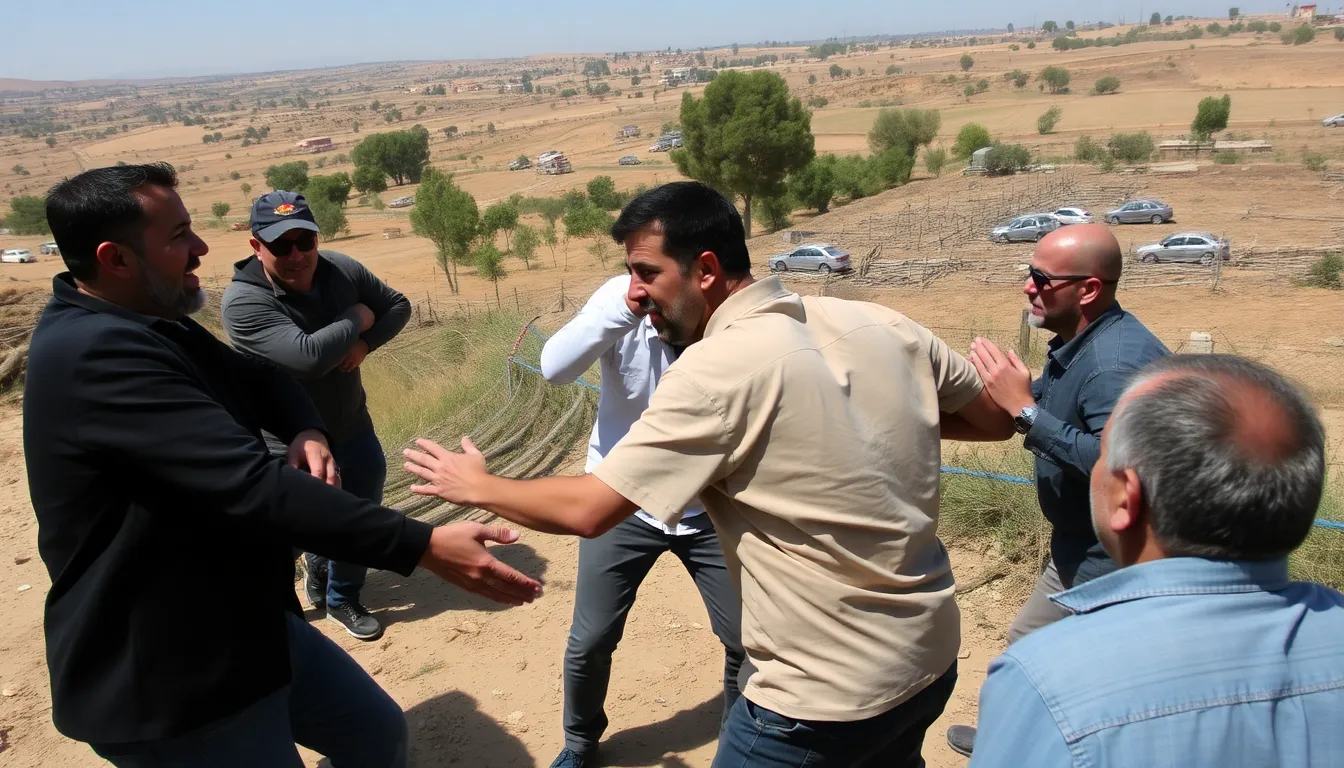
In the mid-term, the escalation of violence can lead to a broader deterioration of community relations, further entrenching divisions between Israeli settlers and Palestinian residents. This could result in increased security measures and military presence, which may restrict movement and access to essential services for the local population.
However, amidst the turmoil, there could be potential opportunities for humanitarian organizations and peacebuilding initiatives. Increased international attention on the violence may lead to more funding and support for efforts aimed at conflict resolution and community rebuilding.
- Increased violence disrupts education and daily life for Palestinians.
- Local businesses face financial strain and reduced customer bases.
- Potential for humanitarian organizations to gain support for peace initiatives.
- Long-term instability may lead to stricter security measures impacting movement.
- Heightened international scrutiny could drive policy changes in the region.
A: The increase in attacks is largely attributed to a combination of political support for settlers, ongoing tensions in the region, and a perceived lack of international attention due to the Iran war. A: Local Palestinian communities face heightened insecurity, displacement, and economic challenges as a result of the intensified violence and attacks from settlers. A: The Israeli government has faced criticism for its handling of settler violence, with some officials calling for increased security measures while others support settler actions. A: International responses have been mixed, with some countries condemning the violence while others remain focused on the broader geopolitical issues, such as the Iran conflict. A: Addressing the violence requires a multifaceted approach, including dialogue between parties, international mediation, and stronger enforcement of laws against violence.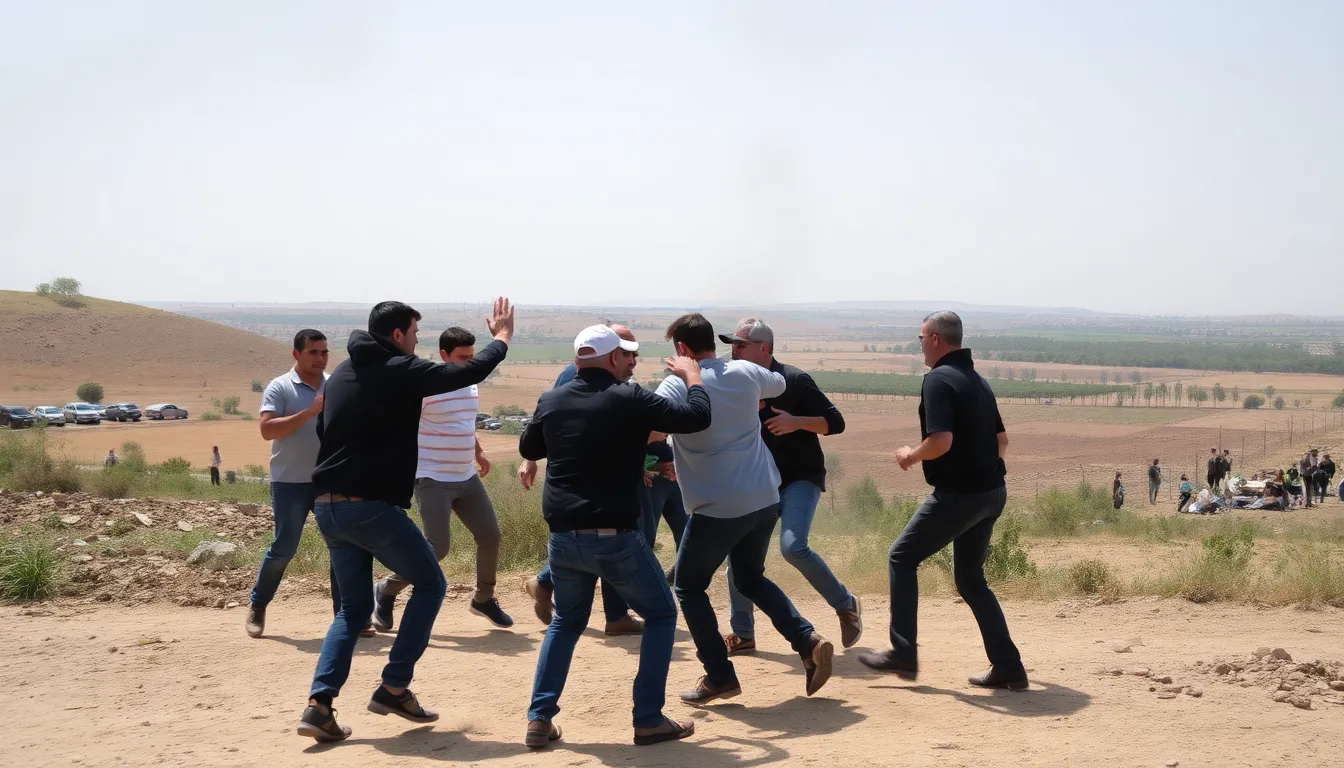
Frequently asked questions about the situation
Looking ahead: potential outcomes and key takeaways
The ongoing conflict in Iran has drawn significant global attention, inadvertently providing a backdrop for intensified actions by Israeli settlers in the West Bank. As the international community focuses on the ramifications of the Iran war, the situation in the West Bank may evolve in ways that further complicate the Israeli-Palestinian landscape. The potential for increased violence and instability in the region raises critical questions about the future of peace efforts and the protection of vulnerable populations.
Monitoring developments in the West Bank is essential as the actions of settlers could provoke a range of responses from both Israeli authorities and Palestinian communities. The interplay between local tensions and broader geopolitical dynamics will be crucial in shaping the next phase of this conflict.
- Escalation of Violence: Increased settler attacks may lead to a cycle of retaliation, heightening tensions and potentially resulting in clashes with Israeli security forces.
- International Response: The global community’s reaction to the situation in the West Bank could shift, especially if violence escalates, prompting calls for intervention or renewed peace talks.
- Impact on Palestinian Communities: The ongoing attacks may exacerbate the humanitarian situation for Palestinians, leading to increased displacement and a deterioration of living conditions.
- Shifts in Israeli Policy: The Israeli government’s stance on settlement activities may come under scrutiny, influencing future policies and the political landscape within Israel.
- Long-term Implications for Peace: The current distractions may hinder diplomatic efforts, but they also present an opportunity for renewed dialogue if stakeholders prioritize stability in the region.