
In parallel, professional player meL has announced a competitive break, citing personal reasons for his decision. His absence from the scene leaves a notable gap in the roster of his current team, which is already facing challenges in maintaining consistency. This development has prompted fans and analysts alike to speculate on potential replacements and the impact on team dynamics, especially amidst ongoing discussions about team performance.
Amid these roster shifts, players and fans are also expressing frustration over the lack of balance changes for the agent Neon. Despite ongoing discussions about her performance in the meta, developers have yet to implement any nerfs, leading to concerns about her dominance in competitive play. The community is eagerly awaiting updates from the developers, hoping for a resolution that addresses balance issues.
Overall, this week has been marked by significant transitions and ongoing debates within the VALORANT ecosystem. Both Fnatic’s roster changes and meL’s break highlight the volatility of professional gaming, while the unanswered questions regarding Neon’s balance add another layer of complexity to the current competitive landscape.
Understanding the recent developments in VALORANT esports
In the fast-paced world of VALORANT esports, roster changes have become a common occurrence, reflecting the competitive nature of the game and the constant quest for excellence among teams. Recently, Fnatic announced significant roster changes that have sent shockwaves through the community. Historically, roster shifts are often driven by a combination of performance issues, player dissatisfaction, and the need for teams to adapt to the evolving meta. As teams strive to maintain their competitive edge, these changes can lead to both opportunities and challenges.
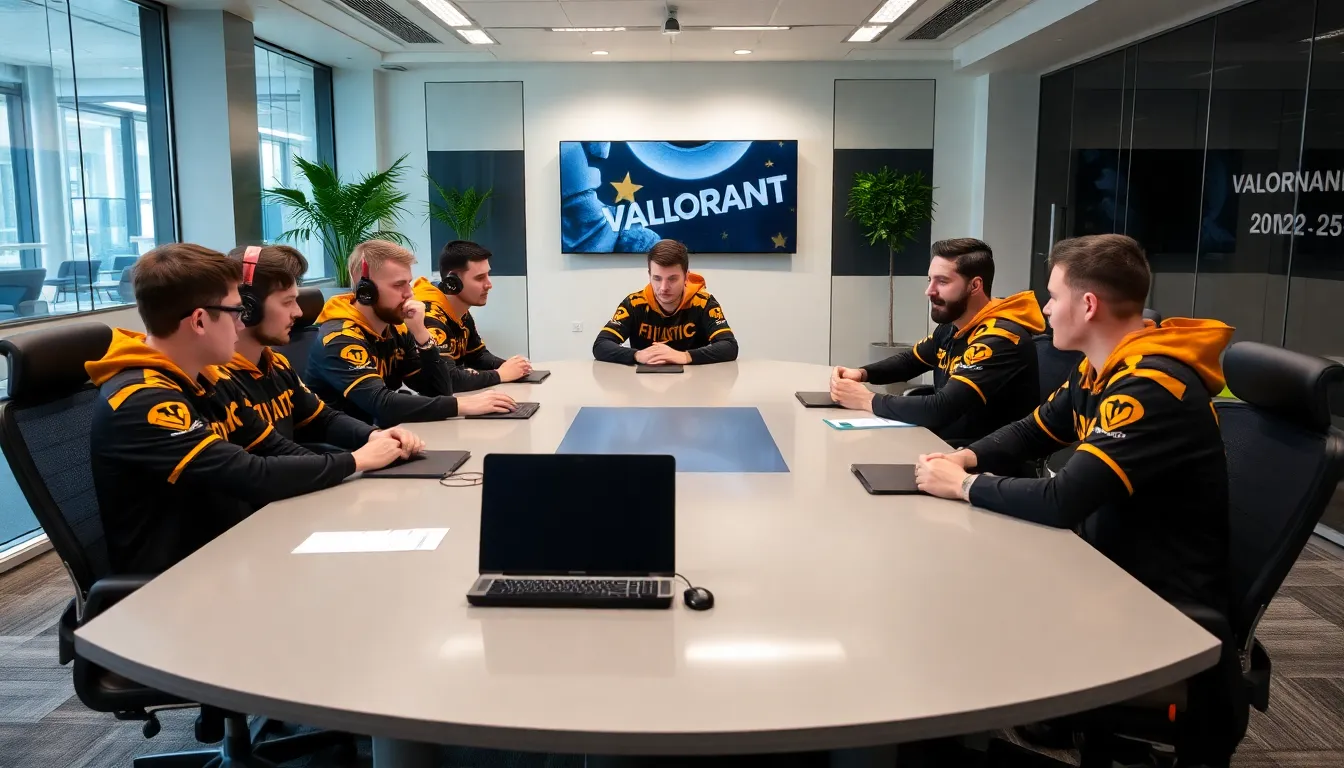
One of the most talked-about aspects of the recent developments is the competitive break taken by meL, a prominent player known for his strategic gameplay. This decision highlights the mental and physical toll that professional gaming can take on players. The pressure to perform at peak levels, coupled with the demands of constant travel and practice, can lead to burnout. meL’s break serves as a reminder of the importance of mental health in esports and the need for players to prioritize their well-being amidst the intense competition, as discussed in other articles about personal challenges faced by individuals.
Additionally, the ongoing debate surrounding the balance of the game continues to be a hot topic among players and fans alike. The absence of a nerf for the character Neon has raised eyebrows, as many in the community feel that her abilities give her an unfair advantage in the current meta. This situation underscores the challenges developers face in maintaining game balance, especially in a dynamic environment where player strategies and character effectiveness can shift rapidly. The lack of timely adjustments can lead to frustration among players and impact the overall competitive landscape, drawing parallels with discussions in the esports community about maintenance of game integrity.
The impact of roster changes on team dynamics
Roster changes can significantly alter team dynamics, affecting not only the players involved but also the overall cohesion and strategy of the team. In the case of Fnatic, their recent adjustments could lead to a revitalization of their gameplay or, conversely, create challenges as new players integrate into the existing framework. Historically, teams that successfully navigate these transitions often emerge stronger, while others may struggle to find their footing. This delicate balance highlights the importance of synergy and communication in a team environment, especially in a game as strategic as VALORANT.
Key stakeholders and issues surrounding these changes
The recent roster changes within Fnatic, the competitive break taken by meL, and the ongoing absence of a nerf for Neon in VALORANT have stirred significant discussions among various stakeholders in the gaming community. Key actors include professional teams, players, game developers, and the broader esports audience, each with distinct interests and concerns.
Fnatic, as a prominent esports organization, is primarily focused on maintaining a competitive edge in VALORANT. The recent roster changes may reflect a strategic decision to enhance team performance, but they also raise questions about team dynamics and player morale. The interests of Fnatic are closely tied to their ability to secure victories in tournaments, which directly impacts their brand value and sponsorship opportunities.
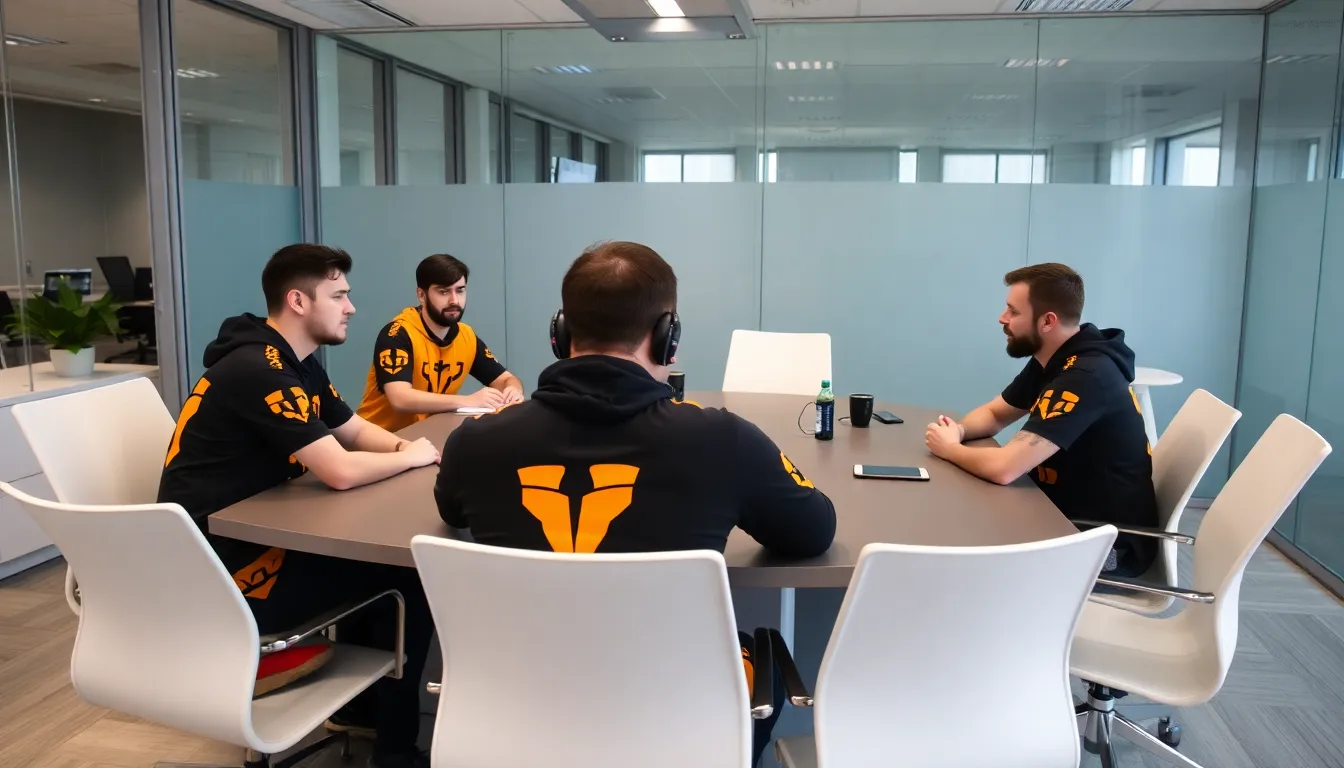
On the player front, meL’s competitive break highlights the personal challenges faced by professional gamers. This situation underscores the mental and physical toll that high-stakes competition can impose. Players like meL may prioritize their well-being over immediate competitive success, which can lead to conflicts between individual health and team expectations. The community’s support for player mental health is growing, but it also presents challenges for teams in managing roster stability.
Moreover, the ongoing discussions surrounding Neon’s lack of nerfs point to a broader issue within game balance and competitive fairness. Players and teams are concerned that an unaddressed character can skew competitive play, leading to frustration and potential disengagement from the game. The developers, Riot Games, face the challenge of balancing player feedback with their vision for the game, which can create tension between the community and the organization.
- Fnatic’s interest in roster changes for improved performance and brand value.
- MeL’s break reflecting the need for mental health awareness in esports.
- Concerns over game balance and competitiveness due to the absence of a Neon nerf.
- Potential conflicts between individual player needs and team expectations.
- The role of community feedback in shaping game development decisions.
The potential impact on teams and the competitive scene
The recent roster changes within Fnatic and the competitive break for meL have significant implications for various stakeholders in the VALORANT community. Teams, players, fans, and even sponsors are closely watching these developments, as they can reshape the competitive landscape and influence future tournaments.
In the short term, teams like Fnatic may experience a shift in dynamics as new players integrate into their roster. This could affect team performance, leading to fluctuations in their standings in ongoing leagues. Fans may feel a mix of excitement and uncertainty, as they adapt to new lineups and strategies. Additionally, sponsors may reassess their investments based on the team’s performance and marketability.
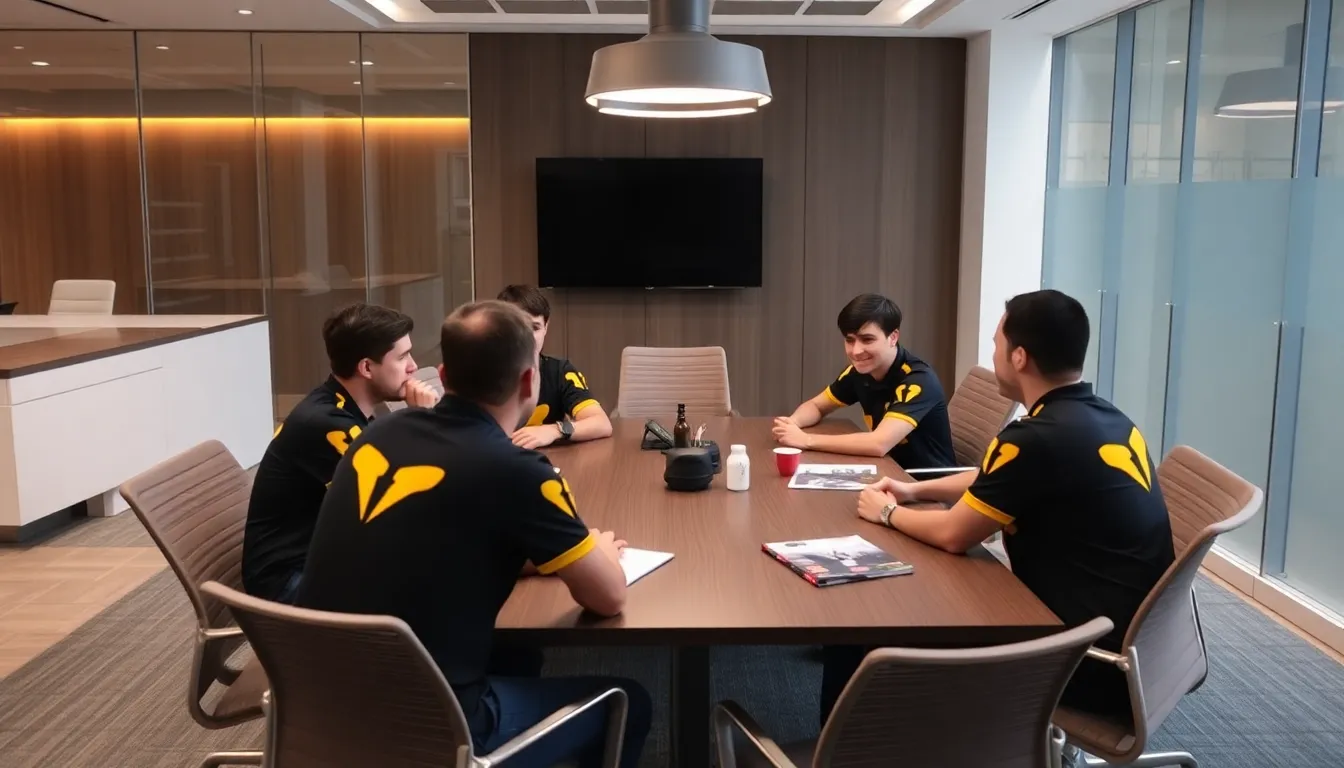
Mid-term impacts could include changes in team strategies and gameplay styles, as Fnatic’s new roster seeks to establish its identity. This might create opportunities for rival teams to capitalize on any weaknesses during the transition phase. Furthermore, the absence of meL could open up opportunities for other players to step into the spotlight, potentially reshaping the competitive hierarchy.
- Potential shifts in team performance and standings.
- Increased opportunities for emerging players.
- Changes in sponsorship dynamics based on team visibility.
- Fan engagement may fluctuate with roster changes.
On a broader scale, the ongoing discussions around Neon’s lack of nerfs could lead to community dissatisfaction, impacting player engagement and competitive fairness. If players feel that certain agents are overpowered, it might influence their participation in tournaments and casual play, ultimately affecting the game’s ecosystem.
A: Fnatic has made significant roster changes, which include the departure of key players and the introduction of new talent. This shift aims to enhance their competitive edge in upcoming tournaments. A: meL has announced a competitive break to focus on personal matters and reassess his future in esports. This decision has raised questions about his potential return. A: As of now, there has been no official announcement regarding a nerf for Neon. Players are eagerly awaiting updates from the developers on this matter. A: The changes in Fnatic’s roster and meL’s break could significantly impact team dynamics and overall competition. Other teams may seize the opportunity to capitalize on these shifts. A: Fans can expect a highly competitive environment with new strategies from teams adapting to roster changes. The absence of meL and the potential for a Neon nerf will also shape the meta.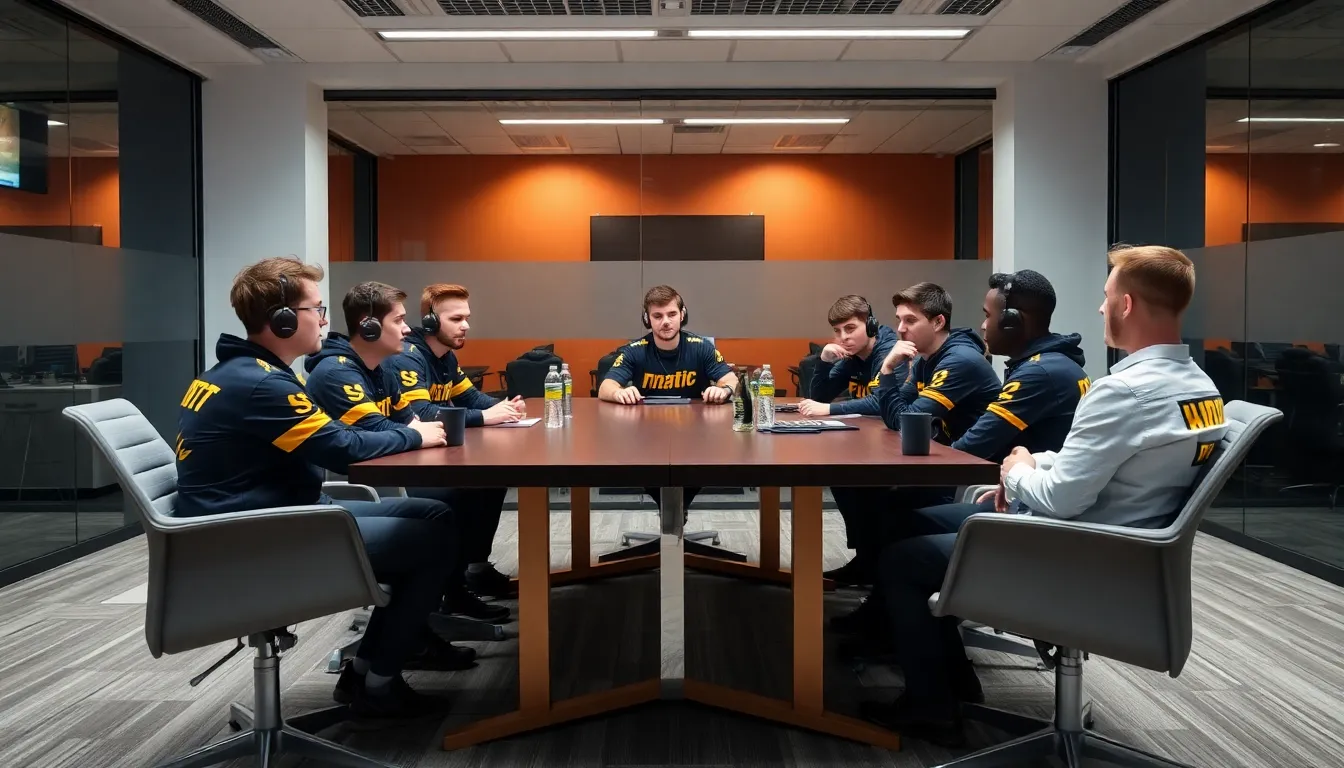
Frequently asked questions about recent VALORANT events
Looking ahead: What these changes mean for VALORANT
The recent roster changes within Fnatic, alongside meL’s competitive break and the ongoing absence of Neon nerfs, signal a pivotal moment for the VALORANT esports scene. Fnatic’s adjustments could reshape team dynamics and performance in upcoming tournaments, while meL’s hiatus raises questions about roster stability and player mental health. Furthermore, the lack of updates on Neon suggests a continued strategic focus on balancing gameplay, which could influence team compositions and strategies across the board.
As we move forward, the implications of these developments will be crucial for both players and fans alike. Observing how teams adapt to these changes will provide insights into the evolving meta and competitive landscape of VALORANT.
- Monitor Fnatic’s performance in upcoming matches to gauge the impact of their roster changes.
- Keep an eye on meL’s potential return to competition, as his experience could be vital for team dynamics.
- Watch for any announcements regarding Neon adjustments, as they could significantly alter gameplay strategies.
- Evaluate how other teams respond to Fnatic’s changes, particularly in terms of counter-strategies.
- Consider the broader implications of player breaks on team performance and mental health in esports.