
However, experts warn that the ongoing El Niño phenomenon could pose a serious threat to these gains. El Niño is known to exacerbate dry conditions in various regions, leading to an increase in wildfires. Countries such as Brazil and Indonesia, which have already faced devastating fires in previous El Niño years, may see a resurgence of forest loss if proactive measures are not implemented.
The implications of these developments are significant, as forests play a crucial role in carbon sequestration and biodiversity. The slowing rate of deforestation offers a glimmer of hope in the fight against climate change, but the potential for increased fires due to El Niño highlights the fragility of these gains. Policymakers and environmental organizations are urged to remain vigilant and adapt their strategies to mitigate the risks associated with climate variability.
In addition, ongoing monitoring and reporting are essential to understand the impact of El Niño on forest ecosystems. With the next El Niño event expected to peak in late 2023, stakeholders are preparing for a critical period that could determine the future trajectory of global forest health and conservation efforts.
Recommended Articles
- Indian billionaire's son offers to house Pablo Escobar's hippos at his private zoo
- Exploring the value of mundane conversations and climate phenomena
- New insights on the beneficiaries of weight-loss jabs
- Latest Updates on Current Events
- Understanding the Renters' Rights Act for Tenants and Landlords
- Indian billionaire's son offers to house Pablo Escobar's hippos at his private zoo
- Exploring the value of mundane conversations and climate phenomena
- New insights on the beneficiaries of weight-loss jabs
- Latest Updates on Current Events
- Understanding the Renters' Rights Act for Tenants and Landlords
Understanding the factors behind forest loss and recovery
The world has witnessed significant forest loss over the past several decades, driven primarily by agricultural expansion, logging, and infrastructure development. According to the Food and Agriculture Organization (FAO), the global rate of deforestation peaked in the early 1990s, with millions of hectares lost each year. This trend has raised alarms regarding biodiversity, climate change, and the livelihoods of indigenous communities who rely on forests for their survival.
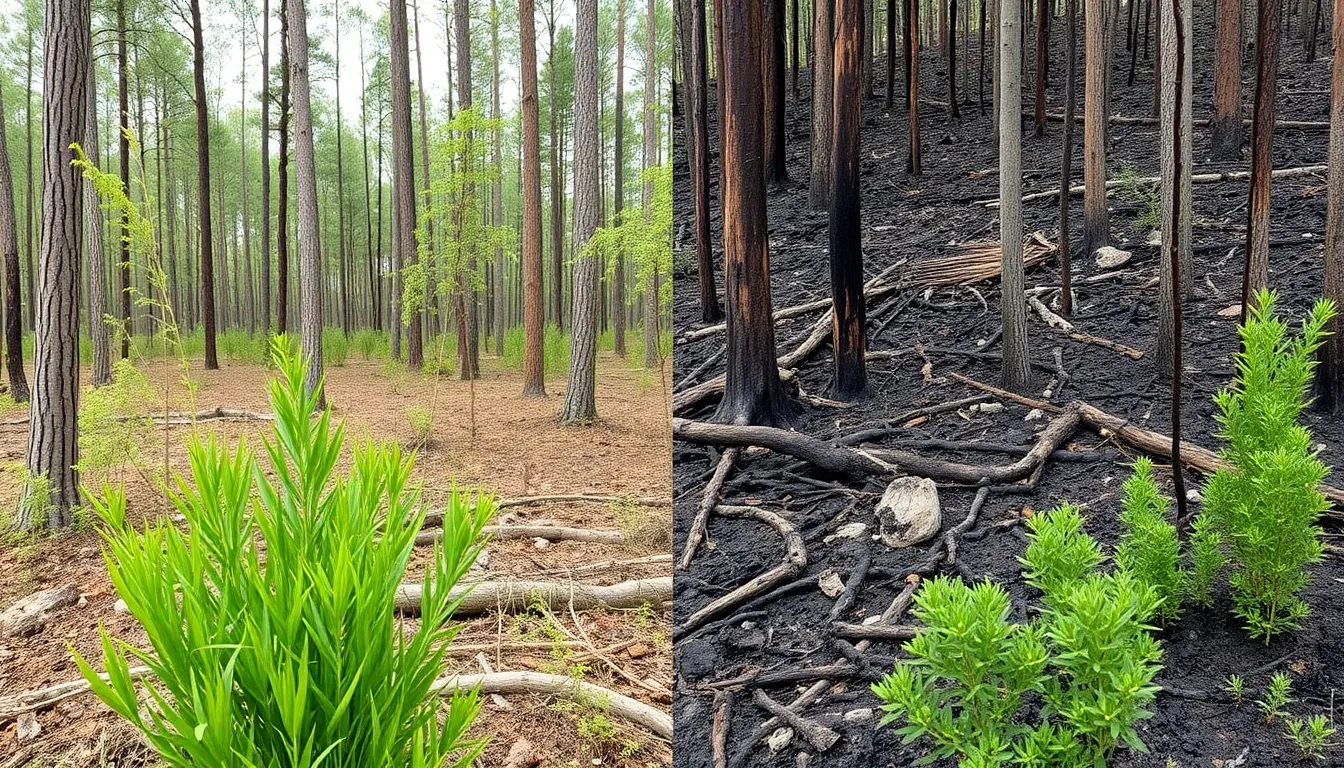
Political and economic factors have played a crucial role in forest degradation. In many countries, policies favoring economic growth often prioritize short-term gains over long-term environmental sustainability. For instance, the expansion of palm oil plantations in Southeast Asia has led to extensive deforestation, as governments and corporations exploit forested areas for agricultural production. This has sparked international debates about the balance between development and conservation.
However, recent years have shown a glimmer of hope, as global forest loss has begun to slow. Initiatives such as the Bonn Challenge, which aims to restore 150 million hectares of deforested and degraded land by 2020, have gained traction. Additionally, advancements in technology and satellite monitoring have improved our ability to track deforestation and enforce regulations. These efforts reflect a growing recognition of the importance of forests in combating climate change and preserving biodiversity.
The Role of Climate Events
Despite these positive trends, the threat of climate events, particularly those associated with El Niño, poses a significant challenge to forest recovery efforts. El Niño is known for causing extreme weather patterns, including droughts and wildfires, which can devastate forested areas. The 2015-2016 El Niño event, for example, led to a surge in forest fires across Indonesia and Brazil, undermining years of conservation progress. As climate change intensifies, the frequency and severity of such events are likely to increase, threatening the fragile gains made in forest conservation.
Key stakeholders and their roles in forest conservation
In the ongoing battle against global forest loss, several key stakeholders play crucial roles. These include governments, non-governmental organizations (NGOs), indigenous communities, the private sector, and international bodies. Each actor has distinct interests and influences the dynamics of forest conservation.
Governments are often at the forefront of forest conservation efforts, as they establish policies and regulations that can either protect or exploit forested areas. Their interests may range from economic development through logging and agriculture to commitments made under international climate agreements. However, conflicting interests can arise when short-term economic benefits clash with long-term environmental sustainability.
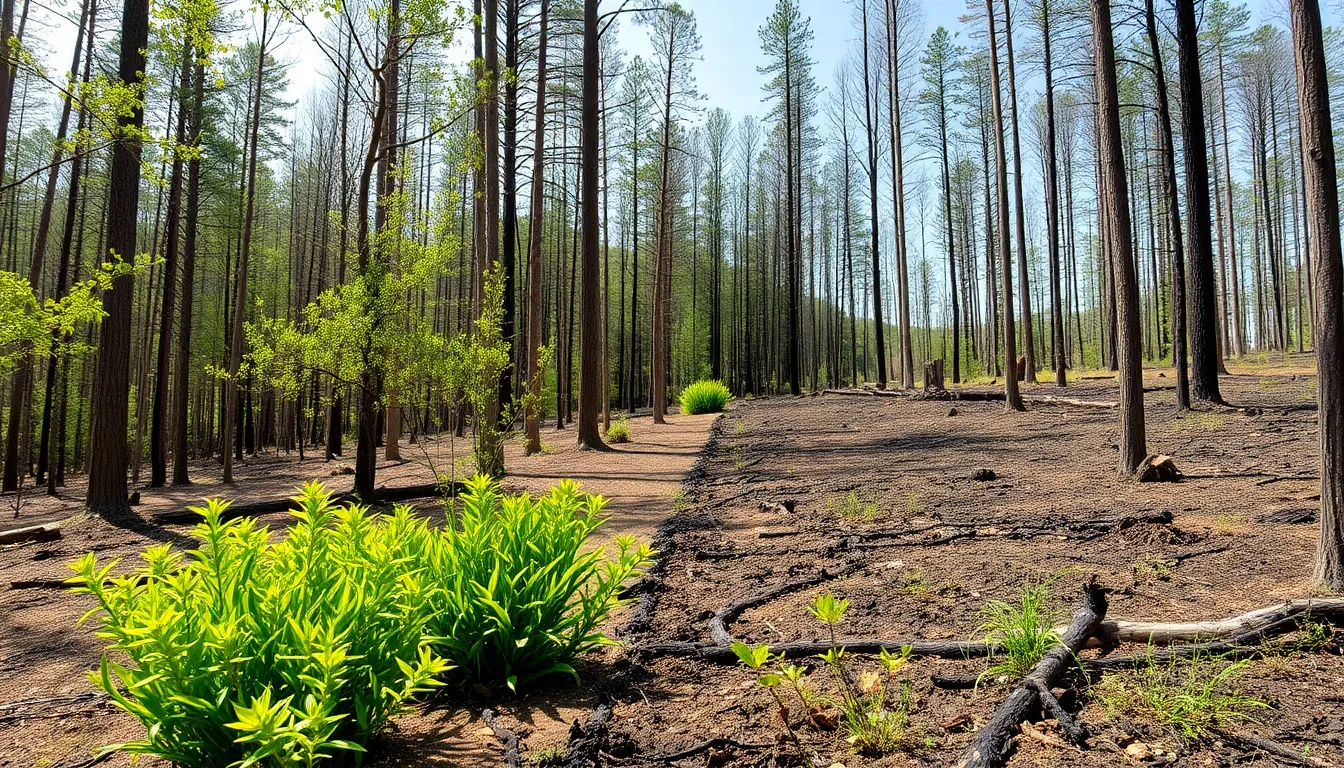
NGOs are vital in advocating for forest preservation, raising awareness, and holding governments and corporations accountable. They often focus on the environmental and social impacts of deforestation, pushing for policies that prioritize ecological health and the rights of local communities. However, their efforts can sometimes lead to tensions with industries that depend on forest resources, creating a complex landscape of trade-offs.
Indigenous communities are essential stakeholders, as they are often the stewards of vast forest areas. Their traditional knowledge and practices can contribute significantly to conservation efforts. However, they frequently face challenges from land encroachments and government policies that do not consider their rights. The recognition of their land rights is a critical issue that intersects with both legal and ethical considerations in forest management.
- Economic Interests: Governments may prioritize economic growth over conservation, leading to deforestation.
- Environmental Advocacy: NGOs work to protect forests but may face opposition from industries reliant on these resources.
- Indigenous Rights: The rights of indigenous peoples are often overlooked, raising ethical and legal concerns.
- International Agreements: Global commitments can influence national policies but may lack enforcement mechanisms.
- Climate Factors: Events like El Niño can exacerbate forest fires, threatening conservation progress.
How El Niño fires could reverse recent gains in forest preservation
The recent slowdown in global forest loss is a positive development for environmental sustainability, yet the looming threat of El Niño-induced wildfires poses significant risks. Various groups, including indigenous communities, environmental organizations, and industries reliant on forest resources, stand to be affected. Regions particularly vulnerable include the Amazon basin, Southeast Asia, and parts of Africa, where ecosystems are already under stress.
In the short term, communities dependent on forests for their livelihoods may face immediate challenges as fires can destroy crops, displace wildlife, and degrade air quality. This deterioration can lead to health issues for local populations, particularly in areas where respiratory problems are prevalent. Businesses in the timber and agriculture sectors might also experience disruptions due to damaged resources and supply chain interruptions.
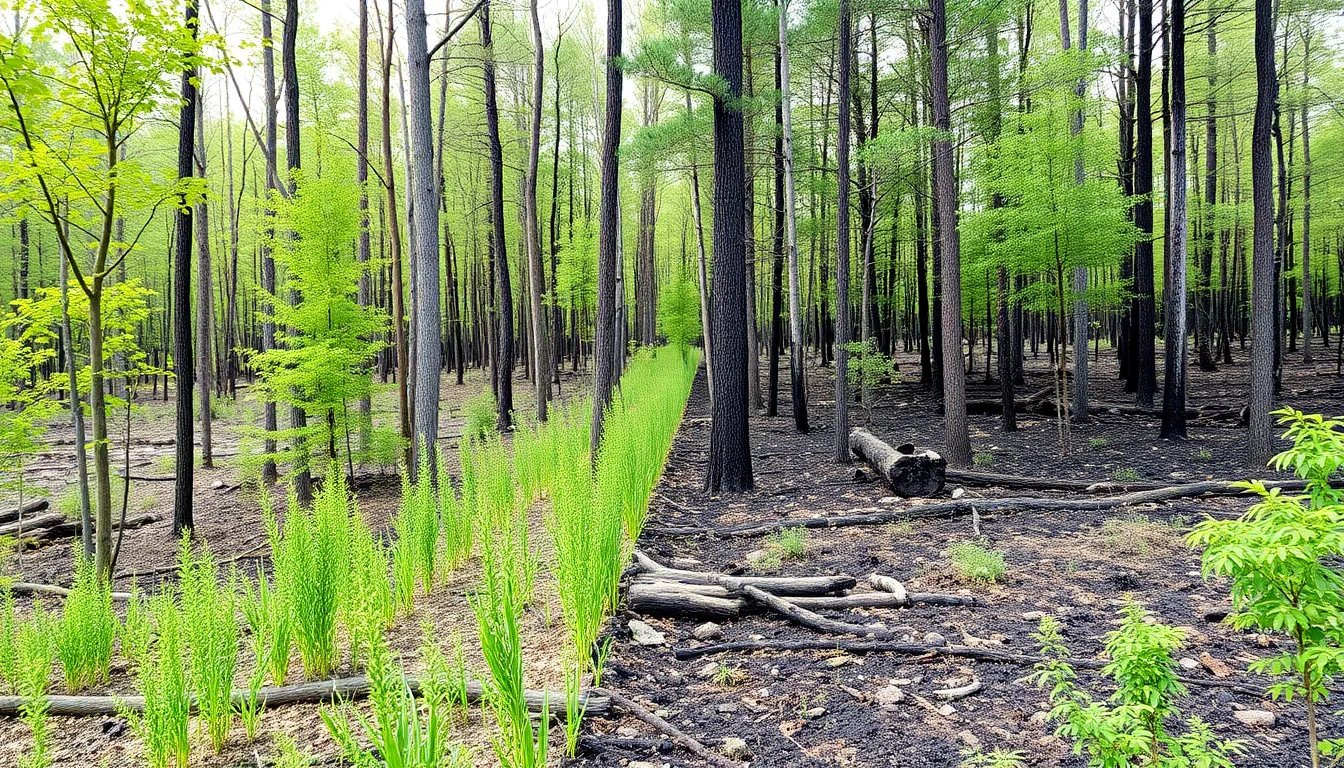
Mid-term impacts could reshape policy discussions surrounding forest management and climate change. Governments may be pressured to implement stricter regulations on land use and fire management practices. Additionally, there could be a shift toward investing in fire prevention and restoration initiatives, creating opportunities for companies specializing in environmental technology and sustainable practices.
- Health Risks: Increased air pollution and respiratory issues.
- Economic Disruption: Damage to agriculture and timber industries.
- Policy Changes: Stricter regulations on land use and fire management.
- Opportunities: Growth in environmental technology and restoration services.
While the El Niño phenomenon presents a clear risk to recent progress in forest preservation, it also opens avenues for innovation and policy reform. Stakeholders will need to navigate these challenges carefully to protect both the environment and the communities that depend on it.
A: The slowdown is attributed to improved forest management practices and increased conservation efforts in several countries. A: El Niño can lead to drier conditions in certain regions, increasing the risk of wildfires that threaten forest ecosystems. A: Long-term forest loss can lead to biodiversity decline, climate change acceleration, and negative impacts on local communities that rely on forests. A: Regions such as Southeast Asia and parts of South America are particularly vulnerable to increased fire activity during El Niño events. A: Implementing proactive fire management strategies and enhancing community resilience can help mitigate the adverse effects of El Niño on forests.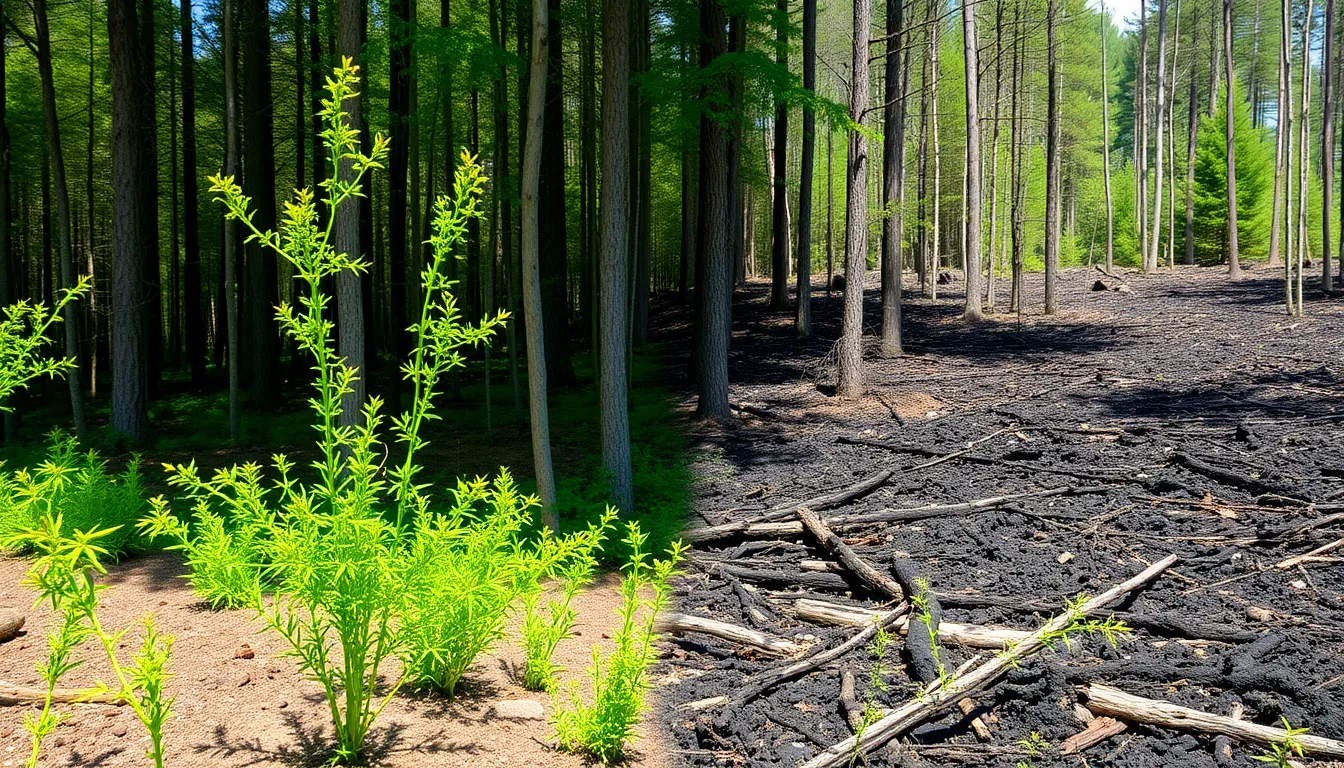
Frequently asked questions about forest loss and El Niño
Looking ahead: the future of global forest conservation
The recent data indicating a slowdown in global forest loss offers a glimmer of hope for environmental advocates and policymakers alike. However, the looming threat of El Niño-induced fires presents a significant challenge that could undermine these gains. As climate patterns shift, the interplay between conservation efforts and natural disasters will be critical in shaping the future of our forests.
Monitoring and adapting to these changing conditions will be essential. Stakeholders must remain vigilant and proactive in their conservation strategies to mitigate the risks posed by extreme weather events. The following insights highlight key areas to watch as we move forward.
- Increased collaboration: Strengthening partnerships between governments, NGOs, and local communities will be vital for effective forest management.
- Investment in technology: Utilizing satellite imagery and AI can enhance monitoring efforts and improve response times to emerging threats.
- Policy adaptations: Governments may need to revise existing policies to account for the impacts of climate change, particularly in fire-prone regions.
- Community engagement: Empowering local populations in conservation efforts can lead to more sustainable practices and better outcomes.
- Research focus: Ongoing research into the effects of climate variability on forest ecosystems will be crucial for informed decision-making.