
In the wake of the shooting, law enforcement officials confirmed that no injuries were reported, and the suspect was apprehended shortly after fleeing the scene. The motive behind the shooting remains unclear, but authorities are conducting a thorough investigation to determine the circumstances surrounding the event.
As news of the incident spread, social media platforms became inundated with various rumors and conspiracy theories, with some users speculating about potential political motivations behind the attack. For more insights on these discussions, check out our article on Rumors and Conspiracy Theories Following the Correspondents Dinner Shooting.
The incident has raised significant concerns regarding security at high-profile events and the safety of public figures. As the investigation unfolds, both the media and the public are closely monitoring developments, emphasizing the importance of accurate information in times of uncertainty.
Understanding the significance of the Correspondents Dinner
The Correspondents Dinner, an annual event held in Washington D.C., has long been a platform for journalists and political figures to come together in a spirit of camaraderie and humor. Established in 1921, the dinner serves as a fundraiser for the White House Correspondents’ Association, supporting scholarships for aspiring journalists. Over the years, it has evolved into a high-profile event that attracts celebrities, politicians, and media personalities, often featuring a comedic roast of the sitting president and the press.
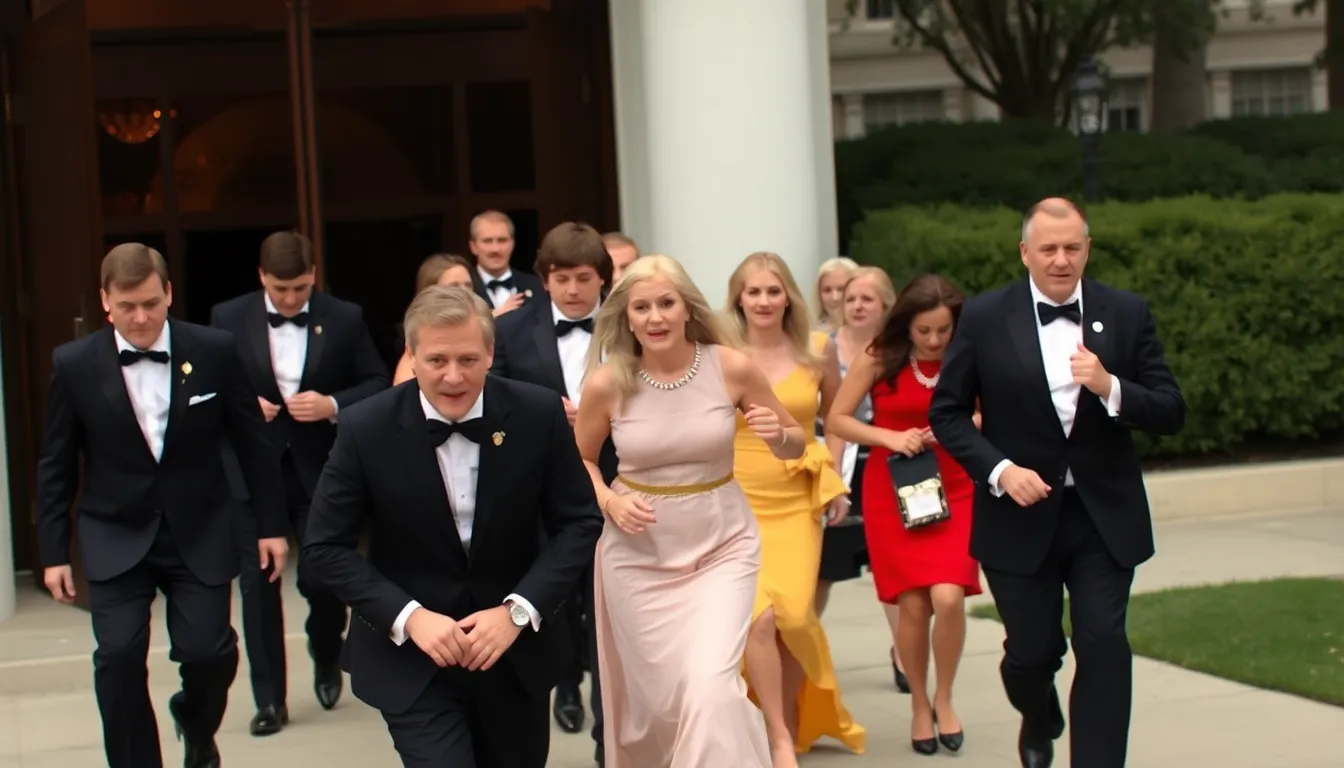
Historically, the dinner has been a reflection of the relationship between the media and the government. It has provided a space for the press to hold power to account while also allowing politicians to showcase their lighter sides. However, this relationship has not always been harmonious. If you’re interested in similar narratives, you might find our coverage on the tragic passing of Dylan Carter from The Voice insightful.
The recent shooting incident during the Correspondents Dinner has further complicated this dynamic, igniting a wave of rumors and conspiracy theories online. This event marks a significant departure from the usual light-hearted nature of the gathering, raising questions about security and the safety of public events. To understand media reactions, read our piece on Reporters React to Shooting Incident at White House Correspondents’ Dinner.
The Rise of Misinformation
In the digital age, the rapid spread of informationand misinformationhas become a pressing concern. Following the shooting, social media platforms saw an explosion of conspiracy theories, with many users speculating about the motives behind the attack. This phenomenon is not new; similar patterns have emerged in response to other high-profile events, highlighting the challenges faced by both the media and the public in discerning fact from fiction. As the lines between news and opinion blur, incidents like the Correspondents Dinner shooting underscore the urgent need for media literacy and responsible reporting.
Examining the stakeholders involved and key issues raised
The recent shooting incident at the Correspondents Dinner has sparked a wave of speculation, drawing attention from various stakeholders. Key actors in this scenario include the media, government officials, law enforcement agencies, and the public, each with distinct interests that shape their responses to the event.
Media organizations are particularly invested in the narrative surrounding the shooting. Their interest lies in providing accurate reporting while also capturing audience engagement. This incident presents a challenge as they navigate between sensationalism and responsible journalism, particularly in the face of rampant rumors and conspiracy theories circulating online.
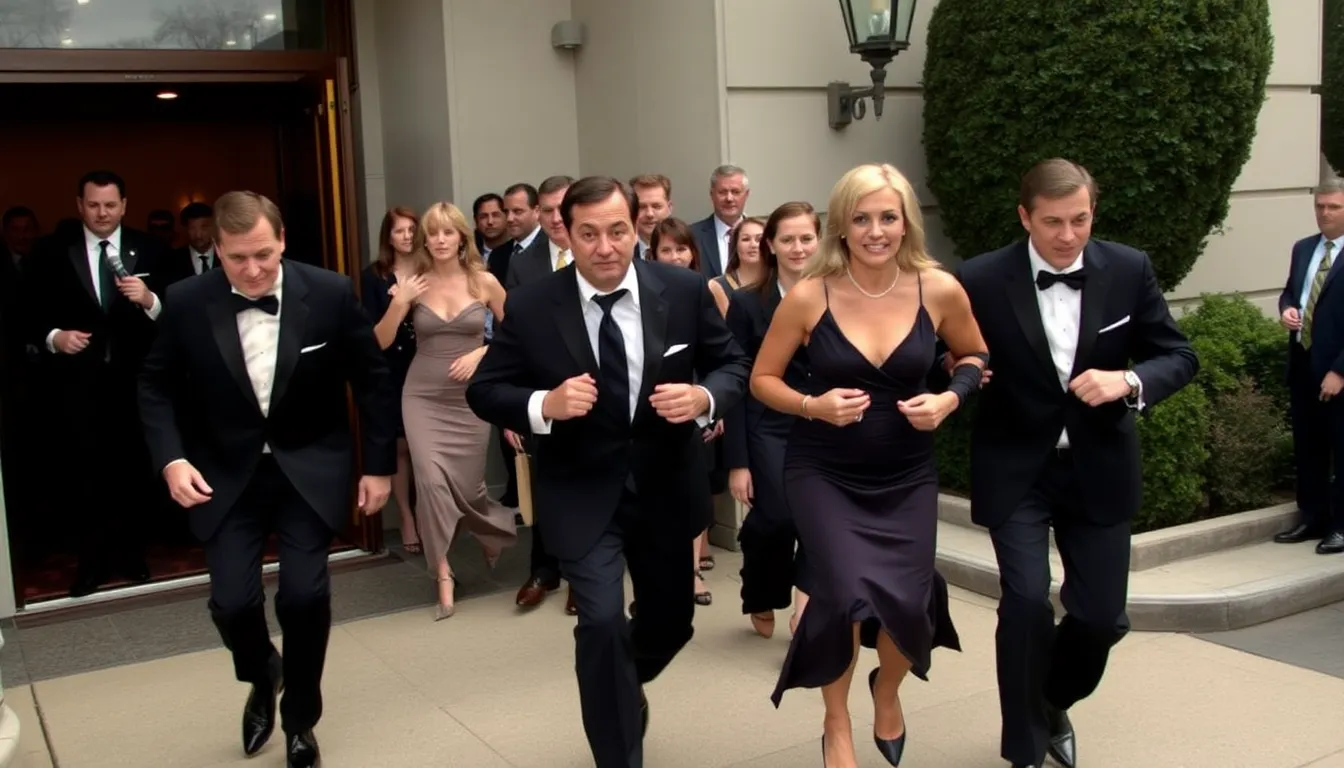
Government officials, including local and federal law enforcement, have a vested interest in managing the aftermath of the shooting. Their primary concerns include public safety, maintaining order, and addressing the concerns of the community. The potential for misinformation to exacerbate tensions is a critical issue, as officials must combat false narratives while ensuring transparency in their investigations.
- Public safety: The immediate concern for law enforcement is to ensure the safety of citizens following the incident.
- Misinformation: The spread of conspiracy theories can hinder investigations and create panic among the public.
- Media responsibility: Striking a balance between engaging storytelling and accurate reporting is crucial for media outlets.
- Political implications: The incident may influence public perception of government effectiveness and response to violence.
- Community trust: Rebuilding trust between law enforcement and the community is essential in the wake of such events.
Additionally, the economic implications of the shooting cannot be overlooked. Businesses in the vicinity may face disruptions, leading to financial losses. The potential for increased security measures could also impose additional costs on local establishments and government budgets. As stakeholders navigate these complex issues, the interplay between public perception, media narratives, and governmental actions will be pivotal in shaping the future discourse surrounding the incident.
The effects on public perception and media coverage
The recent shooting at the Correspondents Dinner has sent shockwaves through various sectors, affecting not only attendees but also the broader public and media landscape. As rumors and conspiracy theories proliferate online, different groups are feeling the impact in distinct ways, from media organizations to political figures and everyday citizens.
Media outlets are under pressure to provide accurate reporting amidst a flood of misinformation. This situation has led to a heightened scrutiny of journalistic practices, with many questioning the credibility of sources. The public’s trust in media may waver, potentially leading to a decline in audience engagement and viewership for platforms perceived as unreliable.
Politically, the shooting has sparked debates about safety and security at public events. Lawmakers may feel compelled to enact stricter regulations regarding event security, which could affect the planning and execution of future gatherings. This could lead to increased costs for event organizers and a potential decrease in attendance due to heightened security measures.
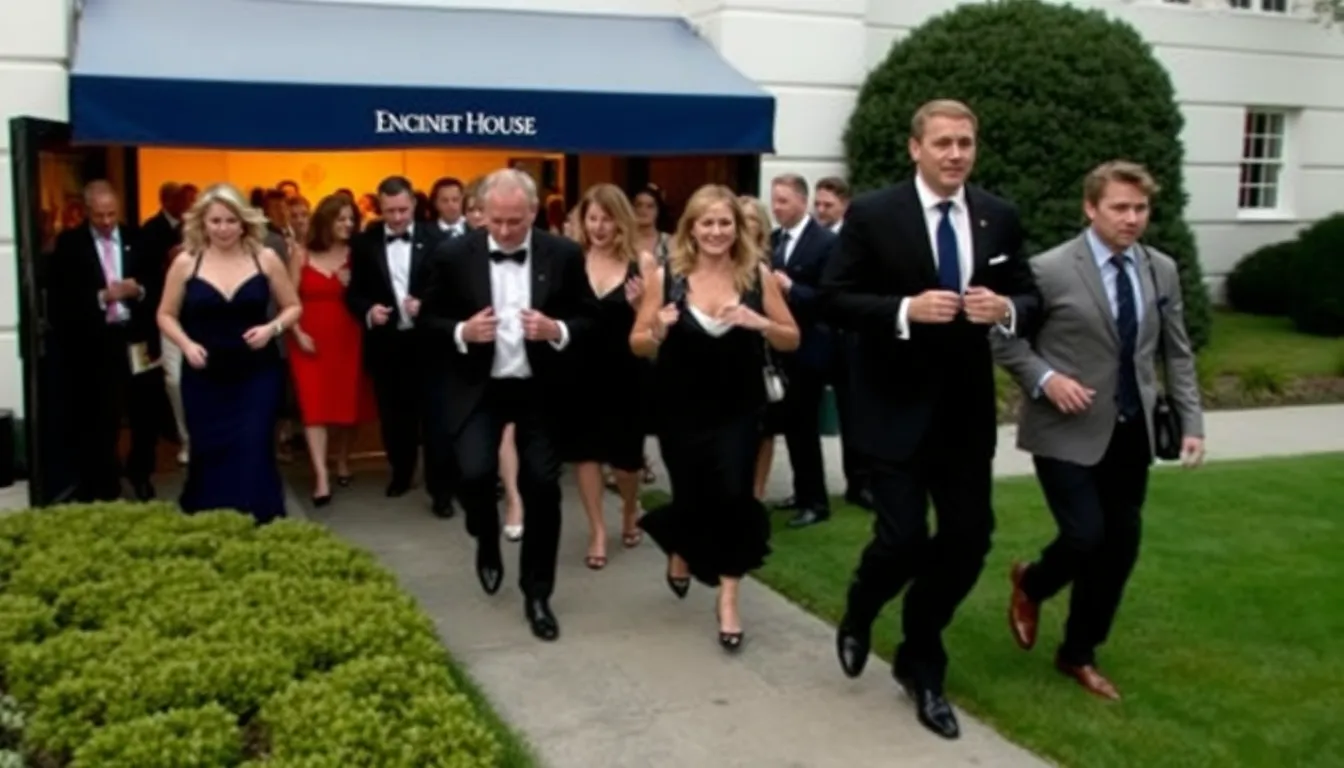
- Short-term impacts: Increased media scrutiny, heightened public fear, and potential decline in event attendance.
- Mid-term impacts: Possible legislative changes regarding public event security and shifts in media consumption patterns.
- Risks: Erosion of public trust in media, rise in conspiracy theories, and potential stigmatization of certain groups.
- Opportunities: Media outlets can enhance credibility through transparency, and security firms may see a rise in demand for their services.
In the wake of this incident, social media platforms are also facing challenges. As misinformation spreads rapidly, companies may need to implement stricter content moderation policies. This could lead to a temporary surge in user engagement but may also alienate users who feel their freedom of expression is being curtailed.
Overall, the aftermath of the Correspondents Dinner shooting is likely to reshape public discourse, influence policy decisions, and alter the dynamics of media consumption. The long-term effects will depend on how various stakeholders respond to the challenges and opportunities presented by this crisis.
A: A shooting incident occurred during the event, causing panic and confusion among attendees and viewers. A: The nature of the incident, combined with the high-profile context of the dinner, has led to speculation and the spread of various theories online. A: Authorities are urging the public to rely on verified information and are actively working to debunk false narratives. A: This incident may lead to increased security measures at public events and heightened scrutiny of media reporting.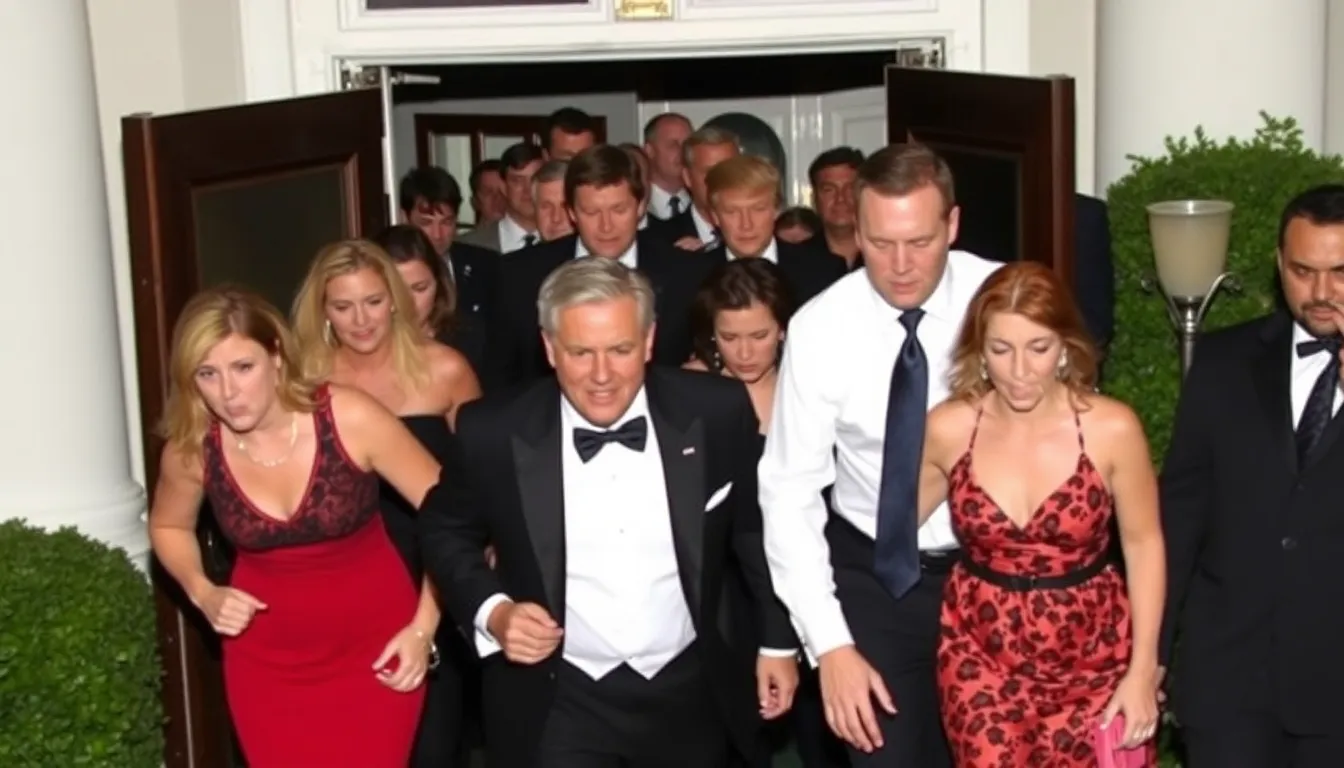
Frequently asked questions about the incident and its implications
Key takeaways and future outlook on the situation
The recent shooting incident at the Correspondents Dinner has not only raised immediate concerns about safety at public events but has also ignited a wave of speculation and conspiracy theories across social media platforms. As various narratives emerge, it is crucial to discern fact from fiction and understand the broader implications for public discourse and policy. The incident serves as a reminder of the vulnerabilities present in high-profile gatherings and the rapid spread of misinformation in the digital age.
Moving forward, it will be essential for authorities and media outlets to address the public’s concerns while providing accurate information to counteract the prevailing rumors. This situation highlights the need for enhanced security measures at similar events and underscores the responsibility of social media platforms in monitoring and managing the spread of potentially harmful content.
- Increased Security Protocols: Expect heightened security measures at future public events to ensure the safety of attendees and participants.
- Monitoring Misinformation: Social media platforms may implement stricter policies to combat the spread of conspiracy theories related to high-profile incidents.
- Public Trust in Media: The incident could lead to a reevaluation of how news organizations report on sensitive events, emphasizing the need for transparency and accuracy.
- Community Engagement: Organizations may foster dialogue within communities to address fears and misinformation, promoting a more informed public response.