
Harborne, who has a background in finance and technology, has been linked to various business ventures across the globe. His support for Reform UK comes at a time when the party is seeking to expand its influence and challenge the traditional political landscape in the UK. The party’s leader, Richard Tice, has publicly welcomed Harborne’s contributions, emphasizing the need for financial resources to support their agenda. This mirrors a broader trend in political financing, where affluent individuals significantly shape party dynamics.
The timing of Harborne’s financial involvement is particularly crucial, as the UK faces pressing issues such as economic recovery post-COVID-19 and ongoing debates surrounding immigration and public services. Reform UK aims to position itself as a viable alternative to the mainstream parties, and Harborne’s backing could provide the necessary momentum for this ambition.
Critics of Harborne’s involvement argue that the infusion of private money into political campaigns can undermine democratic processes. Concerns have been raised about transparency and accountability, with calls for clearer regulations on political donations. As the political landscape evolves, the implications of Harborne’s support for Reform UK will likely be a focal point of discussion in the lead-up to the next general election, similar to past controversies that have highlighted the need for reform in political funding.
The background of Christopher Harborne and his financial ventures
Christopher Harborne is a figure shrouded in mystery, often described as a billionaire with a penchant for financing political movements. His involvement in the political landscape, particularly with the Reform party, has raised eyebrows and sparked debates about the influence of wealth in democratic processes. Harborne’s financial ventures span various sectors, including technology and finance, and his business acumen has positioned him as a significant player in the global market.
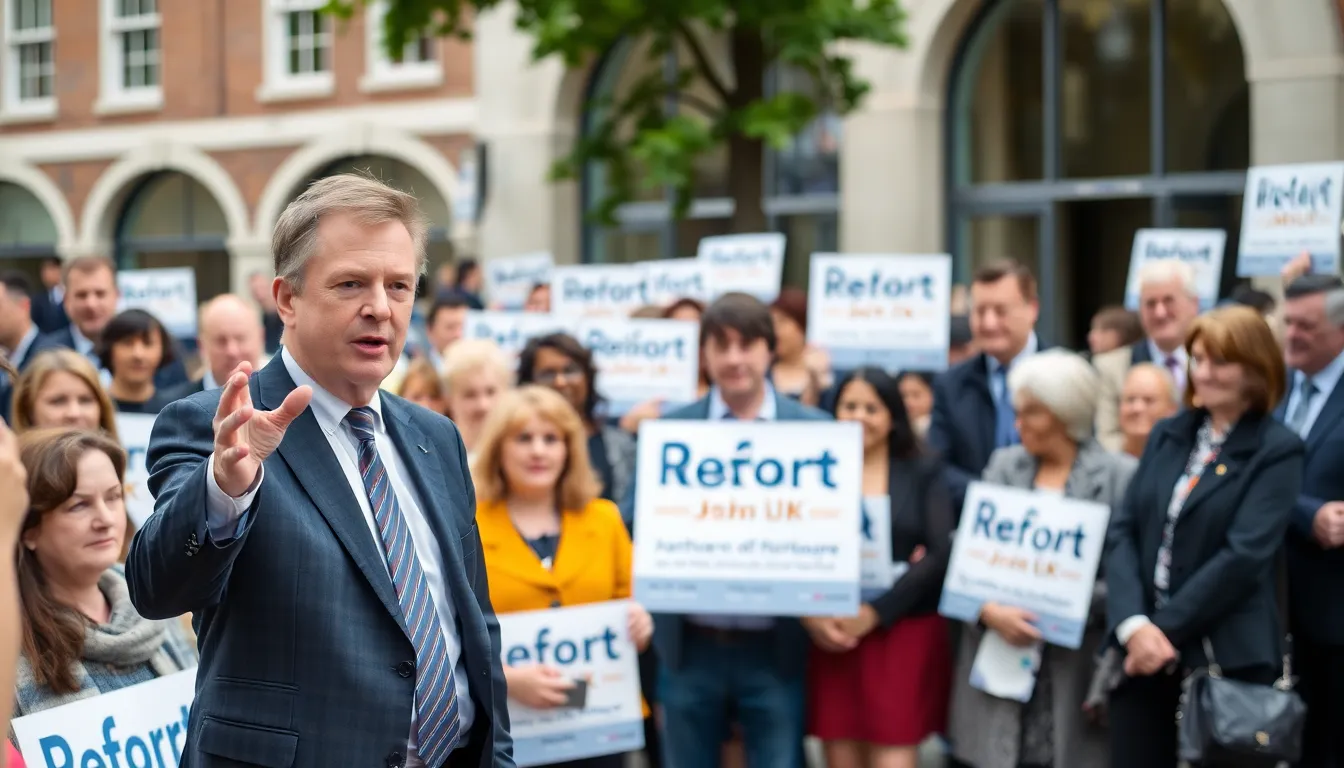
Born in the United Kingdom, Harborne’s early career was marked by his entrepreneurial spirit. He founded several companies, notably in the fintech sector, which propelled him into the realm of high finance. His success in business allowed him to accumulate substantial wealth, which he later redirected towards political causes that aligned with his ideologies. This shift from business to politics illustrates a trend where affluent individuals leverage their resources to shape public policy and governance.
Political Landscape and Reform Party
The Reform party, which Harborne has chosen to support, emerged in response to growing discontent with traditional political parties in the UK. Founded on principles of reform and accountability, the party aims to address issues such as immigration, economic inequality, and national sovereignty. Harborne’s financial backing is seen as both a boon and a potential risk, as it raises questions about the motivations behind such support and the implications for democratic integrity.
Over the years, various billionaires have sought to influence political outcomes, leading to a complex relationship between wealth and political power. Harborne’s involvement is part of a broader narrative that examines how financial resources can alter the political landscape, often leading to concerns about transparency and the potential for corruption. As the Reform party gains traction, the extent of Harborne’s influence will likely come under scrutiny, reflecting ongoing tensions between money and politics.
As public awareness of Harborne’s financial contributions grows, it is essential to consider the historical context of political funding in the UK. Previous cases, such as the funding scandals involving other political parties, serve as a reminder of the need for robust regulations governing political donations. The implications of Harborne’s investments in the Reform party may not only shape the future of the party but also redefine the boundaries of political financing in contemporary British politics, which are increasingly scrutinized in light of historical precedents.
Analyzing the stakeholders involved in Harborne’s financial support for Reform
In the unfolding narrative surrounding Christopher Harborne, a billionaire with a mysterious background, several key stakeholders emerge. Harborne himself is a central figure, having pledged significant financial resources to the Reform party, which seeks to position itself as a viable alternative to the established political parties in the UK. His motivations for this backing are multifaceted, ranging from a desire for political influence to a genuine belief in the party’s policies.
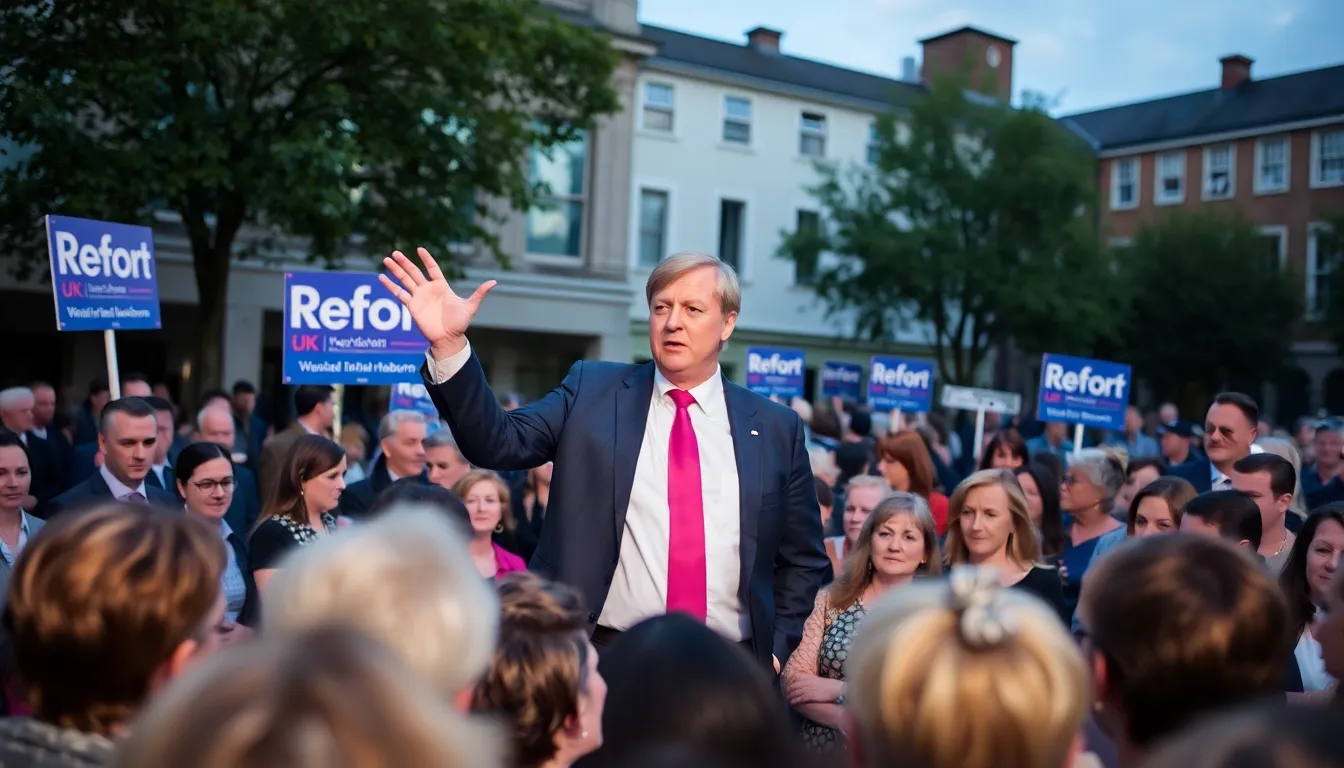
Another critical stakeholder is the Reform party, which aims to capitalize on Harborne’s financial contributions to enhance its visibility and electoral viability. The party’s leadership may see Harborne’s support as a means to amplify their message and expand their reach among disillusioned voters. However, this relationship also raises questions about the potential for undue influence and the transparency of funding sources within political campaigns.
Additionally, the UK electorate represents a vital group of stakeholders. Voters may have mixed feelings about the influx of money from a private individual, particularly one whose background remains somewhat enigmatic. This situation could lead to concerns regarding the integrity of the political process and the extent to which wealthy individuals can shape public policy through financial means.
- Potential conflicts of interest: Harborne’s financial backing could lead to perceptions that the Reform party prioritizes his interests over those of its constituents.
- Legal implications: The source of Harborne’s wealth and the legality of his financial contributions may come under scrutiny, raising questions about campaign finance laws.
- Public perception: The relationship between Harborne and Reform could influence voter trust and the party’s overall credibility.
- Economic implications: The funding may enable Reform to compete more effectively against larger parties, potentially altering the political landscape.
- Media scrutiny: Investigative journalism may focus on Harborne’s past and the motivations behind his support, affecting public opinion.
The potential impact of Harborne’s funding on the political landscape
The financial backing provided by Christopher Harborne to the Reform party is poised to influence various groups and sectors across the political spectrum. This funding could significantly affect voters who align with Reform’s ideologies, particularly those disenchanted with traditional political parties. Additionally, businesses and industries that prioritize deregulation and free-market policies may find themselves aligning more closely with the party’s agenda.
In the short term, the immediate impact of Harborne’s funding may manifest in heightened political campaigns and increased visibility for the Reform party. This could lead to a shift in public discourse, as the party gains traction and draws attention to its policy proposals. The infusion of capital allows for more robust outreach efforts, potentially changing the dynamics of local and national elections.
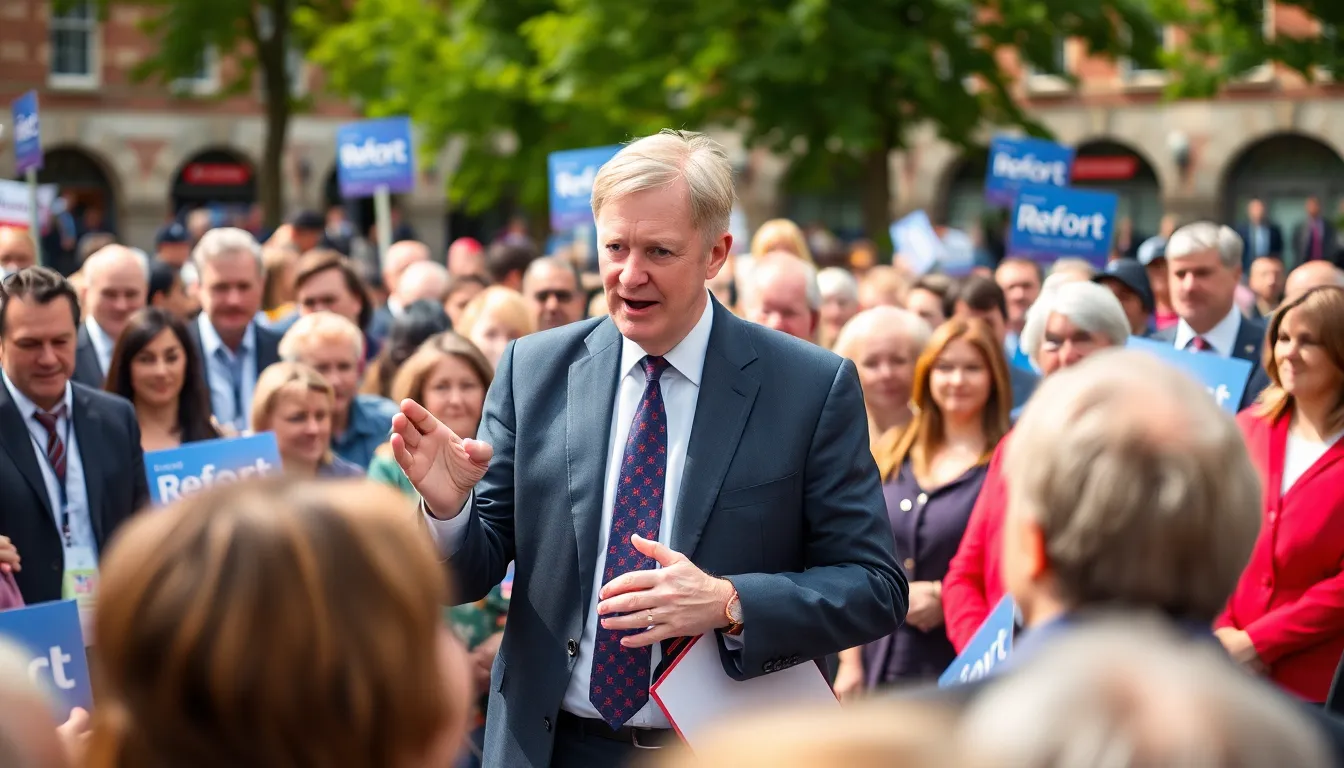
Mid-term effects could see a recalibration of policy priorities, especially if Reform gains seats in government. Industries such as technology and finance might benefit from a more favorable regulatory environment, while sectors reliant on government contracts could face increased competition. The potential for new policies could also lead to a shift in investment patterns, with some regions experiencing economic revitalization, while others may struggle to adapt.
- Risks: Increased polarization among voters, potential backlash against Reform’s policies, and challenges in governance if the party’s proposals are controversial.
- Opportunities: Enhanced business prospects for deregulated industries, new political alliances, and the potential for innovative policy solutions that address current economic challenges.
Ultimately, the ramifications of Harborne’s financial support extend beyond the immediate political landscape, influencing the broader socio-economic environment. As the dynamics evolve, various stakeholders will need to navigate the changing tides of public opinion and policy direction.
A: Christopher Harborne is a billionaire known for his investments and financial backing of various political movements, particularly Reform. A: Harborne’s funding is believed to be aimed at influencing political change and promoting specific policies aligned with his interests. A: Reform is a political party in the UK that advocates for various reforms in governance and public policy. A: Public reactions have been mixed, with some supporting the financial backing for reform initiatives, while others express concern over the influence of wealthy donors. A: Billionaire funding can significantly impact political agendas, potentially overshadowing the voices of average voters and raising questions about transparency.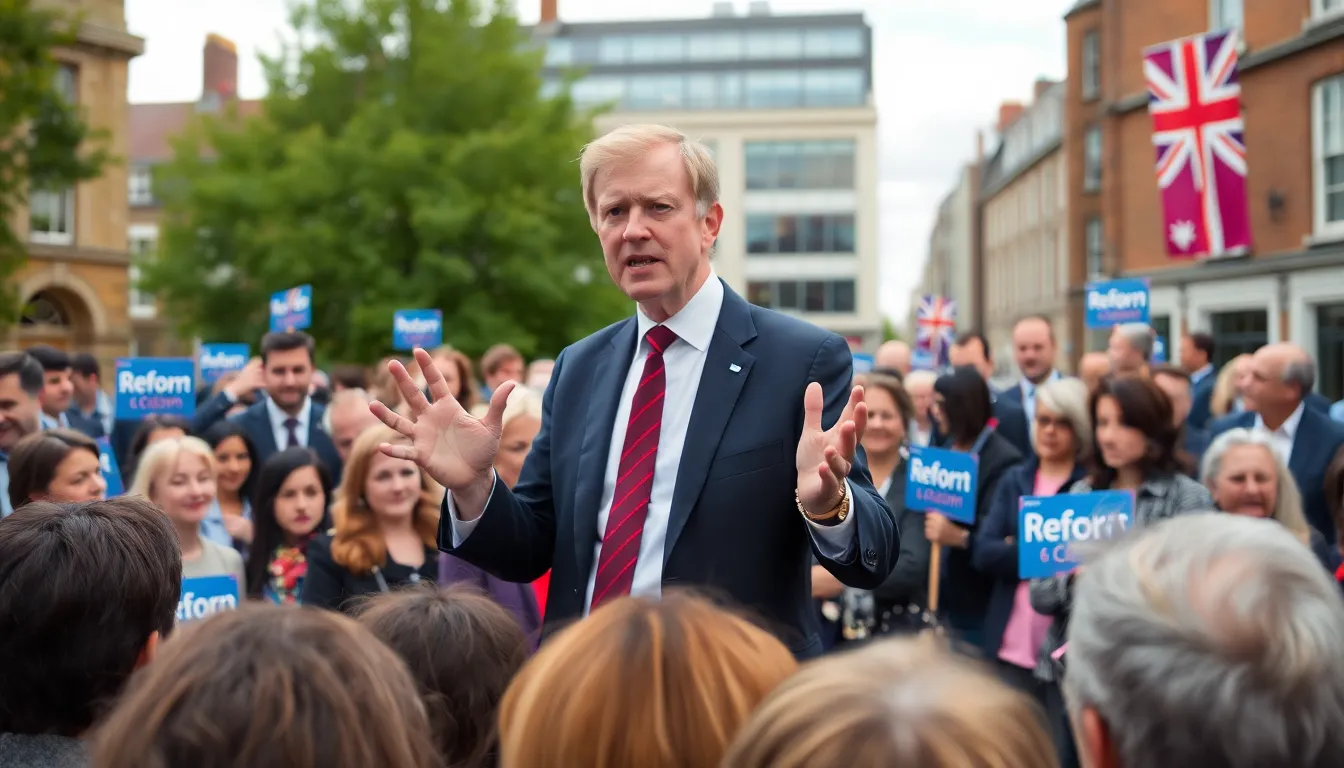
Frequently asked questions about Christopher Harborne and Reform
Key insights and future outlook on Harborne’s involvement with Reform
Christopher Harborne’s financial backing of Reform presents a significant shift in the political landscape, particularly as the party seeks to carve out a distinct identity in the UK’s political arena. His substantial investment raises questions about the influence of wealthy individuals in shaping political narratives and agendas, potentially altering the dynamics of voter engagement and party policies.
As Reform navigates its path forward, the implications of Harborne’s involvement will be critical to monitor. The intersection of personal wealth and political ambition may redefine traditional party funding models, prompting discussions about transparency and accountability in political financing.
- The rise of Reform could signal a shift in voter priorities, particularly among those disillusioned with mainstream parties.
- Harborne’s background and motivations will be scrutinized, impacting public perception and trust in Reform.
- Future electoral strategies may increasingly rely on the support of wealthy individuals, challenging existing campaign financing norms.
- Watch for potential policy shifts that align with Harborne’s interests, which could influence Reform’s platform.
- The response from other political entities may shape the broader landscape, as they adapt to the growing influence of billionaire backers.