
This incident has reignited discussions on police brutality and the urgent need for reforms, which can be further explored in relation to the systemic violence faced by marginalized communities.
As the case unfolds, it highlights the ongoing struggle for justice faced by many families, a theme similar to those discussed in other cases, such as the tragic story of a Haitian woman highlighted in our recent article.
The outcome of this case could have significant implications for the treatment of marginalized communities in India, much like how international attention has influenced other social justice movements worldwide.
Understanding the historical context of custodial violence in India
Custodial violence in India has deep-rooted historical and societal implications, particularly affecting marginalized communities such as Dalits. Historically, the caste system has perpetuated discrimination and violence against Dalits, relegating them to the lowest social strata. This systemic oppression has created an environment where law enforcement often views Dalits as lesser citizens, leading to a culture of impunity within police forces.
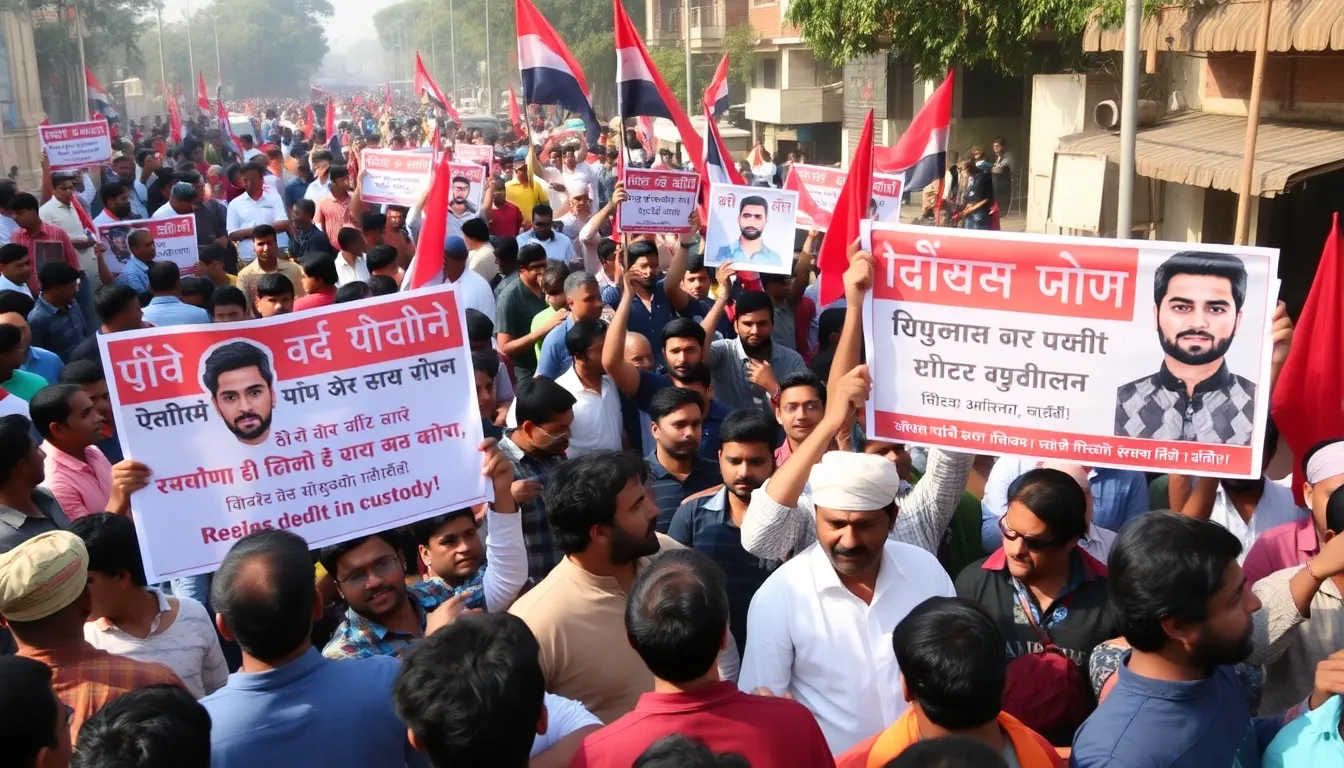
The political landscape in India has also contributed to the persistence of custodial violence. Despite constitutional guarantees of equality and protection under the law, the enforcement of these rights has been inconsistent. Political parties have often exploited caste dynamics for electoral gains, neglecting the plight of marginalized communities. This neglect has fostered a sense of alienation among Dalits, who frequently find themselves at the mercy of a biased justice system.
Economically, Dalits face significant challenges that exacerbate their vulnerability to violence. Many Dalits are trapped in poverty, with limited access to education and employment opportunities. This economic disenfranchisement makes them more susceptible to police harassment and abuse, as they often lack the resources to seek justice or hold law enforcement accountable for their actions.
Key Milestones in the Fight Against Custodial Violence
Several landmark cases have highlighted the issue of custodial violence in India. The 1993 case of the custodial death of a Dalit man in Maharashtra led to widespread protests and calls for reform, yet little has changed in the systemic approach to dealing with such incidents. More recently, the 2019 Supreme Court ruling emphasized the need for accountability in custodial deaths, but enforcement remains weak. These milestones signify a growing awareness of the issue, yet the struggle for justice continues for many families, particularly those from Dalit backgrounds.
Key stakeholders and the major issues at play in this case
The alleged custodial death of an Indian Dalit man has brought to light a complex web of stakeholders, each with their own interests and concerns. At the forefront are the family of the deceased, who are seeking justice and accountability for the loss of their loved one. Their grief is compounded by a history of systemic discrimination faced by Dalits in India, which adds urgency to their demand for justice.
Another critical stakeholder is the local law enforcement agency involved in the case. They are tasked with upholding the law and ensuring public safety, but allegations of misconduct and abuse of power challenge their legitimacy. The police’s response to the incident, including any investigations or disciplinary actions taken against officers, will be closely scrutinized by both the public and legal authorities.
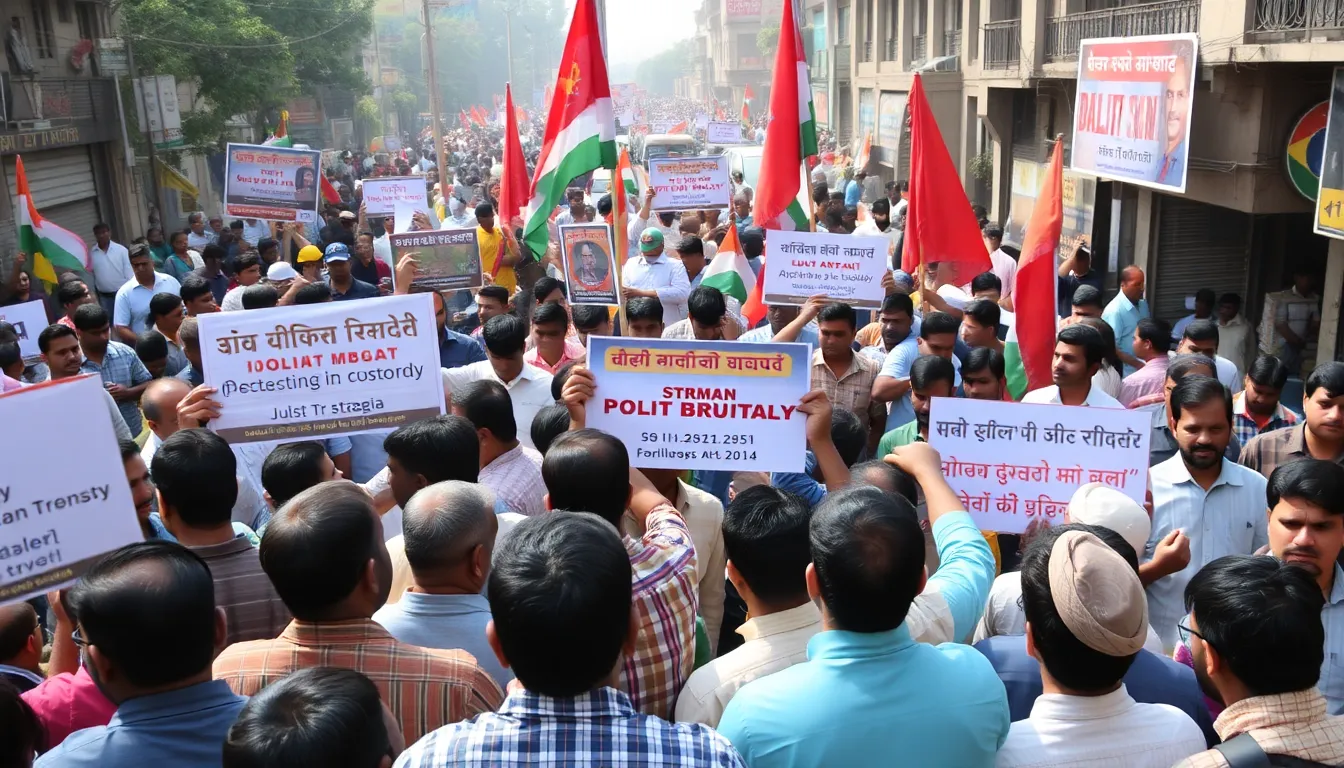
Additionally, human rights organizations play a pivotal role in advocating for the rights of marginalized communities, including Dalits. These organizations aim to raise awareness about systemic injustices and provide support to victims’ families. Their involvement can amplify the family’s voice and pressure the government to take necessary actions to prevent further abuses.
- Legal Issues: The case raises significant legal questions regarding custodial rights and police accountability.
- Economic Factors: The family’s socioeconomic status may affect their access to legal resources and support.
- Social Dynamics: The caste system’s impact on justice and societal perceptions of Dalits remains a contentious issue.
- Government Response: The actions of local and state authorities in addressing the incident will be closely monitored.
- Public Sentiment: Growing public outrage could lead to broader discussions about police reform and caste discrimination.
The impact of this incident on the Dalit community and society
The alleged custodial death of an Indian Dalit man has profound implications for the Dalit community, as well as broader societal and political landscapes. This tragic event highlights the systemic issues of caste-based discrimination and police brutality that continue to affect marginalized groups in India. The immediate aftermath has led to widespread outrage and protests, putting pressure on local and national authorities to address these injustices.
In the short term, the incident has galvanized the Dalit community and their allies, leading to increased activism and calls for accountability. This heightened awareness can disrupt daily life, as communities mobilize to demand justice. Additionally, businesses operating in regions with significant Dalit populations may experience disruptions due to protests and civil unrest, affecting local economies.
In the mid-term, this incident could influence policy changes aimed at protecting the rights of marginalized communities. Policymakers may feel compelled to implement reforms in law enforcement practices and enhance protections against caste-based violence. However, there is also the risk of backlash from those resistant to change, which could exacerbate tensions within society.
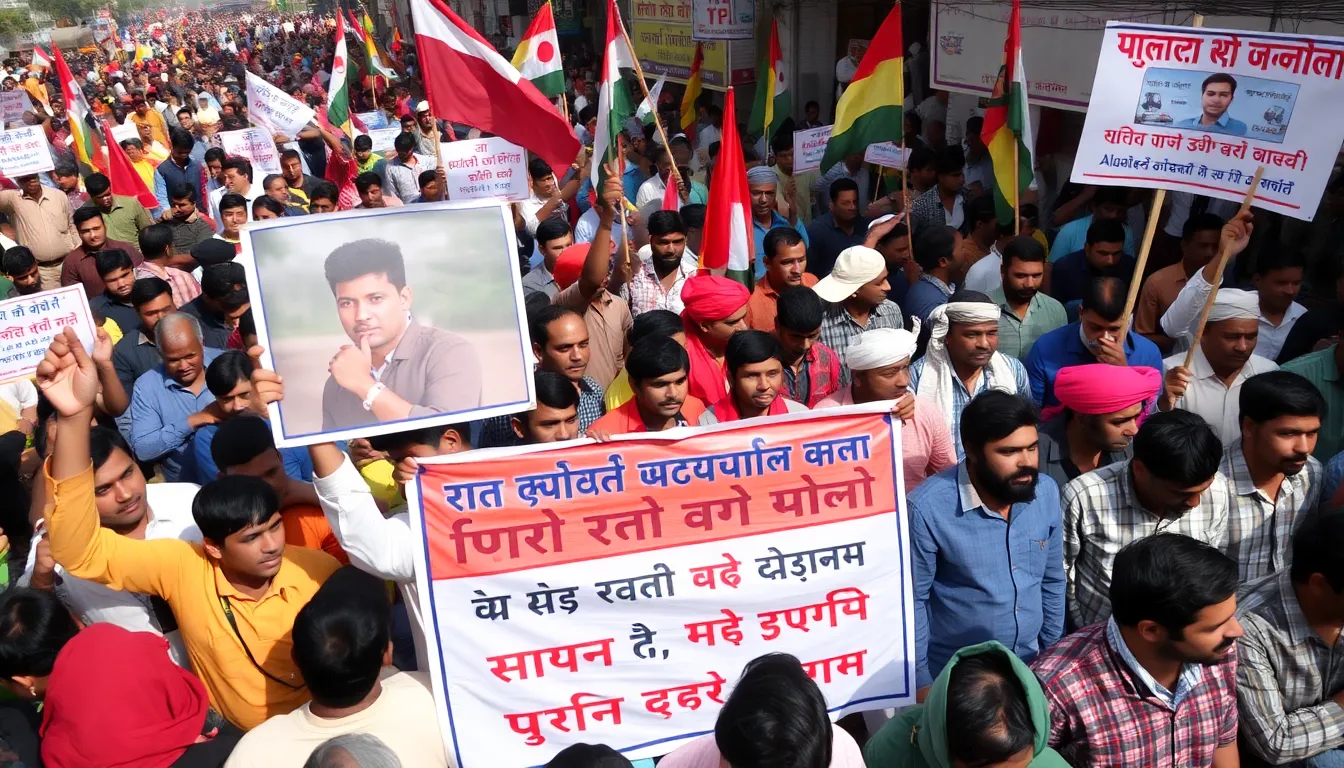
- Increased activism: The incident has sparked a wave of protests and demands for justice.
- Economic disruption: Local businesses may face challenges due to civil unrest and protests.
- Policy implications: Potential for reforms in law enforcement and protections for marginalized communities.
- Social tensions: Risk of backlash from groups opposed to caste-based reforms.
While the risks are significant, there are also opportunities for dialogue and coalition-building among various social justice movements. This tragic incident can serve as a rallying point for broader discussions on human rights and equality, potentially leading to a more inclusive society in the long run.
A: The Dalit man was allegedly subjected to torture while in police custody, leading to his untimely death. This incident has sparked outrage and calls for accountability. A: The family is seeking justice and demanding a thorough investigation into the circumstances of the death. They are facing challenges in getting the authorities to respond adequately. A: This case highlights systemic issues related to caste discrimination and police brutality in India, particularly against marginalized communities like the Dalits. A: Authorities have launched an investigation, but there are concerns about the transparency and effectiveness of the process. Activists are calling for independent oversight. A: There is a need for comprehensive police reforms, better training on human rights, and stronger legal protections for vulnerable communities to prevent custodial violence.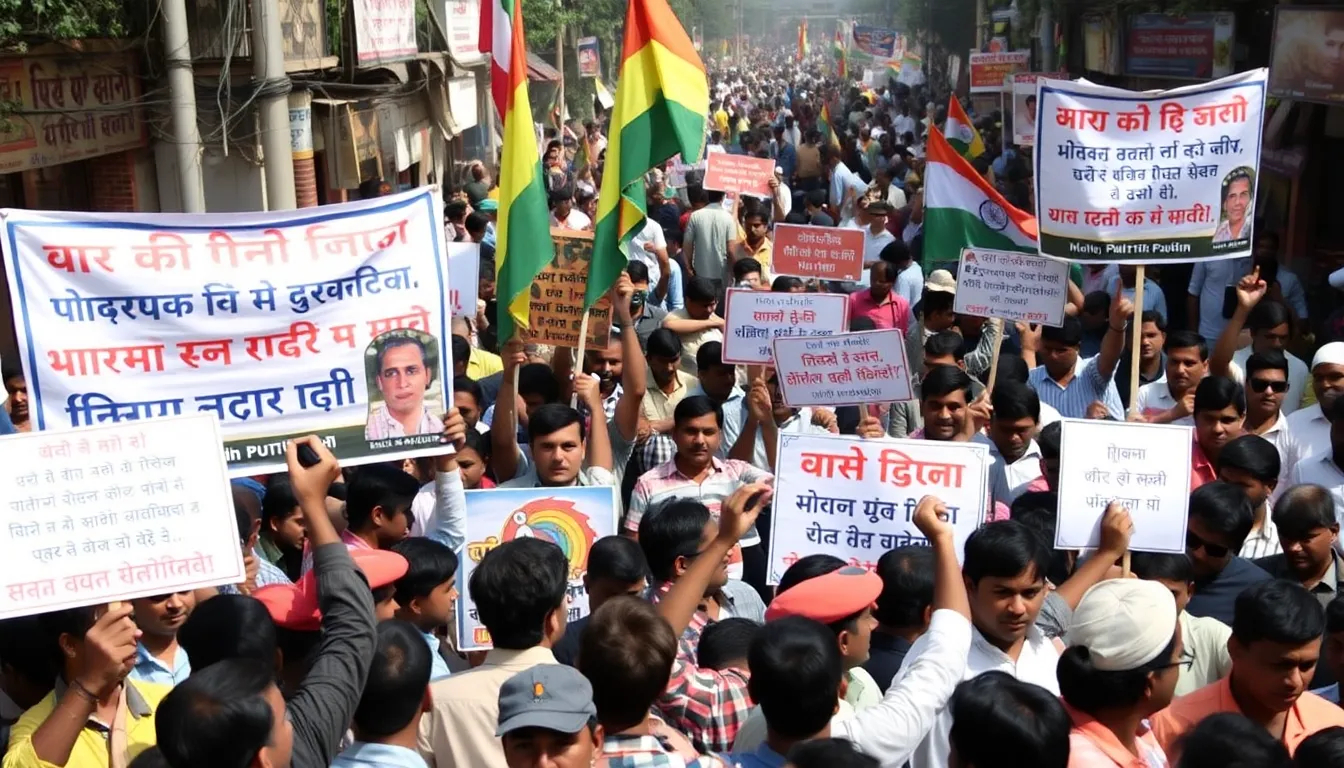
Frequently asked questions about the case
Looking ahead: the path to justice and reform
The tragic case of the alleged custodial death of an Indian Dalit man highlights the urgent need for systemic change within law enforcement and judicial processes. As the family seeks justice, their struggle reflects broader societal issues related to caste discrimination, police accountability, and the protection of human rights. This incident serves as a critical reminder of the ongoing challenges faced by marginalized communities in India and the necessity for reform to ensure that such injustices do not continue to occur.
Moving forward, it is essential to monitor the developments surrounding this case and the responses from various stakeholders, including government agencies, civil society organizations, and the judiciary. The outcome could set important precedents for how custodial deaths are addressed and may influence policies aimed at protecting vulnerable populations from violence and discrimination.
- Increased scrutiny of police practices: The incident may lead to greater public demand for transparency and accountability in law enforcement procedures.
- Potential policy reforms: This case could prompt discussions around the need for legislative changes to better protect marginalized communities from abuse.
- Role of civil society: Activist groups may intensify their efforts to advocate for justice and reform, highlighting the importance of community engagement in these issues.
- Judicial response: The handling of this case by the courts will be crucial in determining public trust in the justice system and its ability to protect human rights.