
The teen was reportedly filmed engaging in this act, which was shared widely on social media. Authorities in Singapore, known for their strict laws and regulations, have taken this matter seriously, leading to charges that could result in significant penalties, including potential jail time. This incident serves as a reminder of the importance of understanding local laws.
This event highlights the ongoing challenges of maintaining public health standards, especially in a post-pandemic world where hygiene practices are under scrutiny. The case has drawn attention not only for its unusual nature but also for the implications it may have for tourists and residents alike regarding acceptable behavior in public spaces. It underlines the need for awareness around public health.
As the legal proceedings unfold, the incident serves as a reminder of the cultural differences and legal expectations that visitors to Singapore should be aware of. The teen’s actions have ignited a broader conversation about personal responsibility and the consequences of seemingly trivial actions in a highly regulated environment.
Understanding the laws surrounding public health in Singapore
Singapore is renowned for its strict laws and regulations aimed at maintaining public order and health. The legal framework surrounding public health is particularly stringent, reflecting the nation’s commitment to ensuring a clean and safe environment for its citizens. This commitment is rooted in Singapore’s history as a developing nation that faced significant public health challenges in the past, particularly during the outbreaks of diseases such as SARS and H1N1. The government has since implemented robust measures to prevent the spread of infectious diseases.
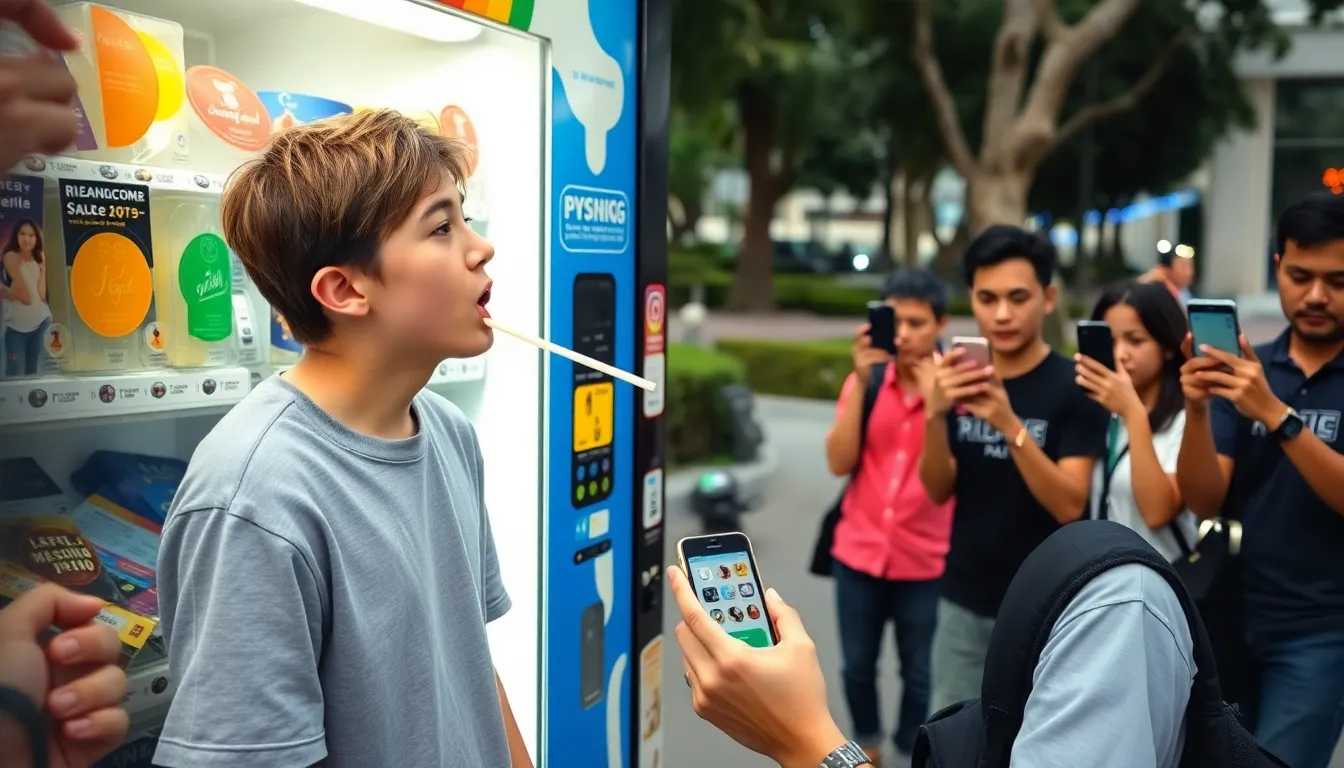
One of the key milestones in Singapore’s public health legislation was the introduction of the Infectious Diseases Act in 1977, which empowers authorities to take necessary actions during outbreaks, including quarantine measures and fines for non-compliance. Over the years, this framework has been expanded to include various regulations that govern food safety, hygiene practices, and public conduct. The government has also launched numerous public health campaigns to educate citizens on the importance of hygiene and disease prevention.
The impact of COVID-19 on public health regulations
The COVID-19 pandemic further intensified Singapore’s focus on public health laws, leading to the implementation of new regulations aimed at curbing the spread of the virus. Measures included mandatory mask-wearing, social distancing, and strict penalties for violations. This heightened awareness of public health issues has made citizens more conscious of hygiene practices, particularly in public spaces. As a result, actions that may seem trivial, such as licking a vending machine straw, are viewed with heightened concern and can lead to serious legal repercussions, paralleling the discussions on the importance of social responsibility.
The case of the French teen who licked a vending machine straw serves as a reminder of the strict enforcement of public health laws in Singapore. The incident highlights the cultural differences in perceptions of hygiene and public behavior. In many Western countries, such actions might be seen as a prank, but in Singapore, they can lead to significant legal consequences, including potential jail time. This incident underscores the importance of understanding local laws and customs, especially for visitors to the city-state.
Overall, the historical context of Singapore’s public health laws and the recent developments during the pandemic have shaped a legal landscape where actions perceived as threats to public health are dealt with severely. This incident not only reflects the legal ramifications of such behavior but also serves as a cautionary tale for tourists and residents alike about the importance of adhering to local norms and regulations.
Examining the implications of the incident for youth behavior and legal standards
The incident involving a French teen licking a vending machine straw in Singapore has sparked significant discussion among various stakeholders, including government bodies, legal experts, public health officials, and the youth community. Each of these groups has distinct interests and perspectives regarding the behavior exhibited by the teen and the subsequent legal ramifications.
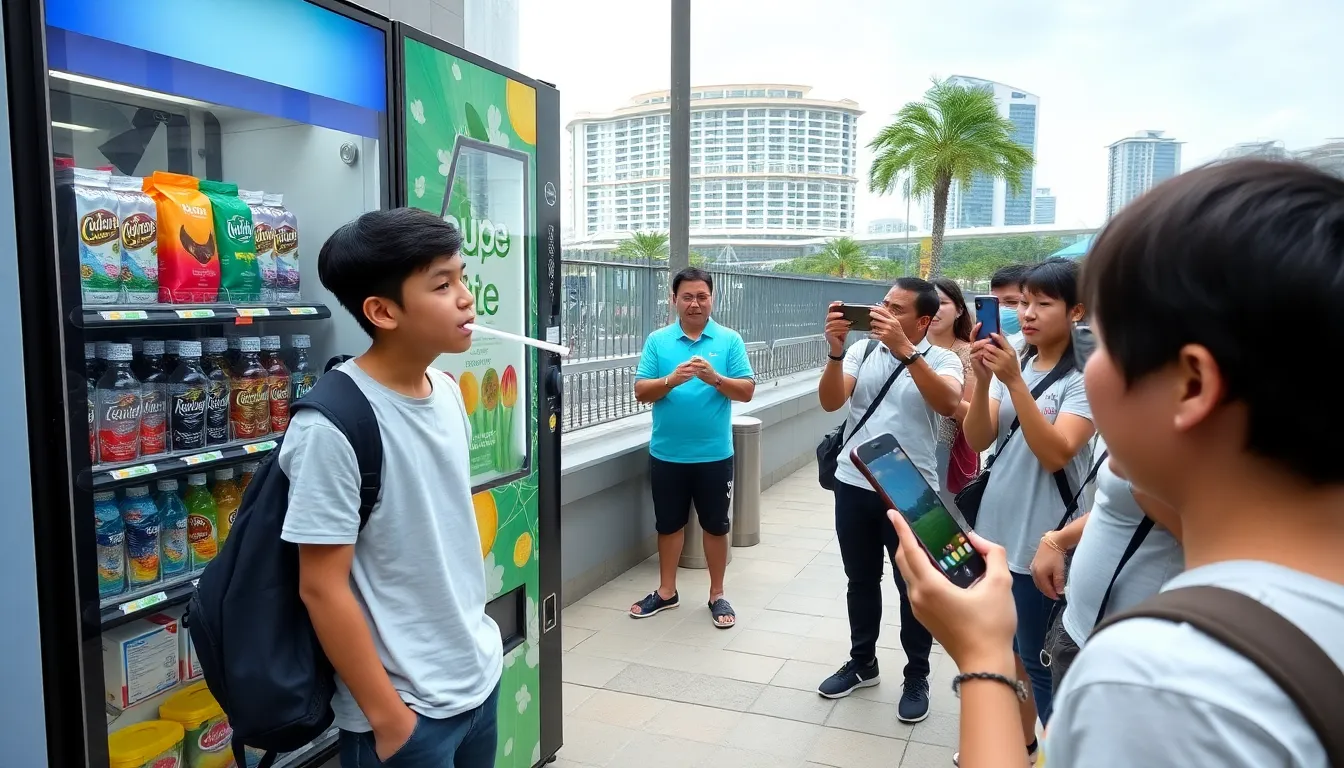
At the forefront are the Singaporean authorities, who are tasked with maintaining public health and safety. Their interest lies in enforcing laws that deter behaviors perceived as unsanitary or socially irresponsible, particularly in the context of a global pandemic. The potential for the incident to impact public perception of hygiene standards is a key concern for health officials.
On the other hand, the French teen and their family may argue for a more lenient approach, emphasizing the need for understanding and education rather than punitive measures. This perspective highlights the potential for conflict between strict legal enforcement and the need for youth rehabilitation and education about public health issues.
Moreover, legal experts are examining the implications of this case in terms of existing laws regarding public conduct and health regulations. It raises questions about the adequacy of current legal frameworks to address behaviors that, while seemingly trivial, can have broader public health implications. Key points of analysis include:
- The balance between public safety and individual freedoms.
- The role of education in preventing similar incidents among youth.
- The potential long-term impact on the teen’s future, should they face legal consequences.
- The cultural differences in perceptions of youth behavior between France and Singapore.
- The effectiveness of current laws in addressing emerging public health concerns.
This incident serves as a microcosm of larger societal issues, including how different cultures address youth behavior and the legal system’s role in shaping social norms. As the situation unfolds, it will be crucial to monitor the responses from various stakeholders and the implications for youth behavior and legal standards in Singapore and beyond.
Potential consequences for the teen and public perception of health safety
The incident involving the French teen who licked a vending machine straw in Singapore raises significant concerns about public health safety and hygiene. This unusual act has the potential to affect various groups, including tourists, local businesses, health officials, and the broader community. As Singapore continues to position itself as a safe destination for travelers, such incidents can impact its reputation.
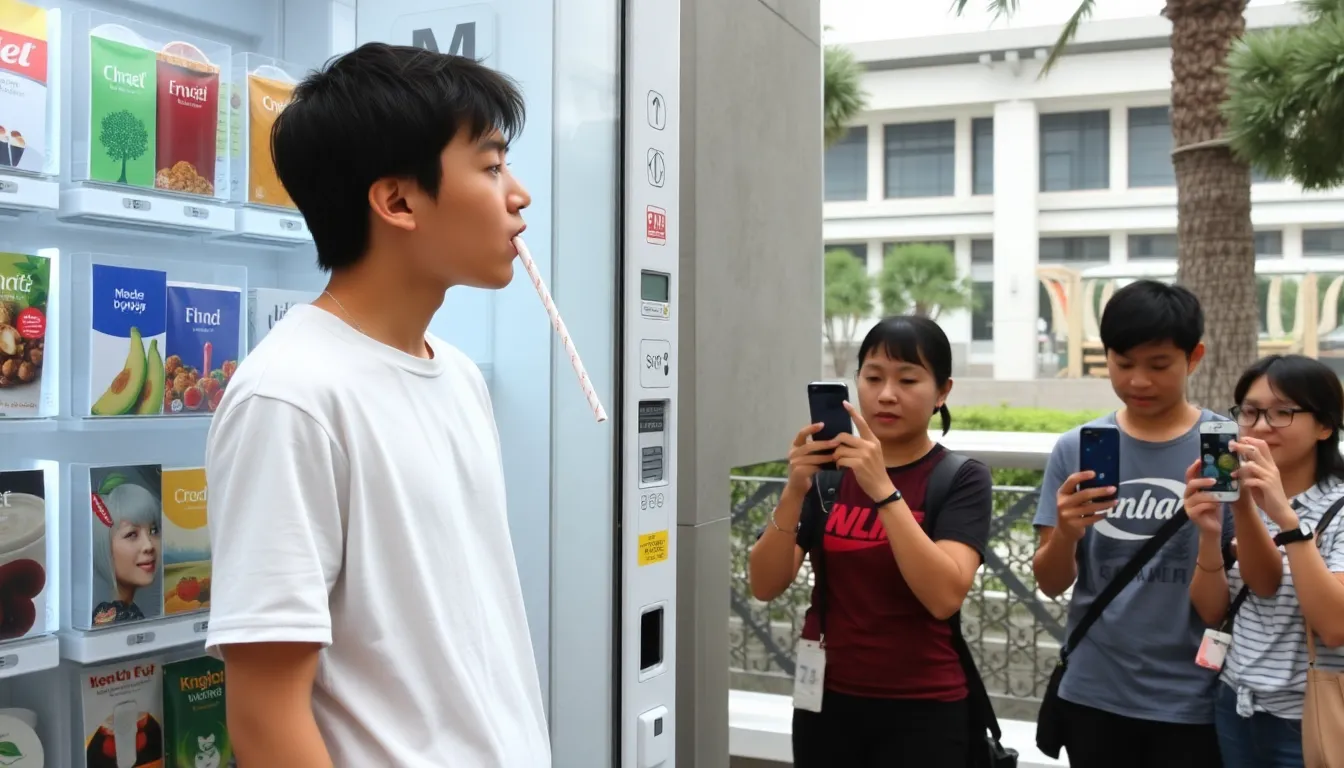
In the short term, there may be increased scrutiny on public health policies and hygiene practices in Singapore. Local businesses, particularly those in the food and beverage sector, might experience heightened consumer anxiety, leading to a potential decline in sales. The incident could prompt businesses to implement stricter hygiene protocols, which may incur additional costs but could also enhance consumer trust in the long run.
Mid-term impacts could include changes in regulations surrounding public health and safety standards. Authorities may introduce new guidelines to prevent similar incidents, which could affect how vending machines are maintained and cleaned. This regulatory shift could create opportunities for companies specializing in hygiene products and services, as businesses seek to comply with stricter standards.
- Increased public awareness of hygiene practices.
- Potential decline in tourism due to health concerns.
- Opportunities for businesses in health and sanitation sectors.
- Stricter regulations affecting vending machine operations.
Overall, while the incident poses risks to public perception and business operations, it also opens avenues for improvement in health safety measures, which could ultimately benefit the community and economy in Singapore.
A: The French teenager licked a straw from a vending machine, which is considered a violation of public health regulations in Singapore. A: This incident highlights the strict public health laws in Singapore and raises questions about youth behavior and accountability. A: The teen could face fines or even jail time depending on the severity of the legal charges brought against him. A: Singapore has stringent laws to protect public health, and violations can lead to serious legal consequences, including imprisonment. A: This incident serves as a reminder for teens to be aware of their actions and the potential legal implications they may face.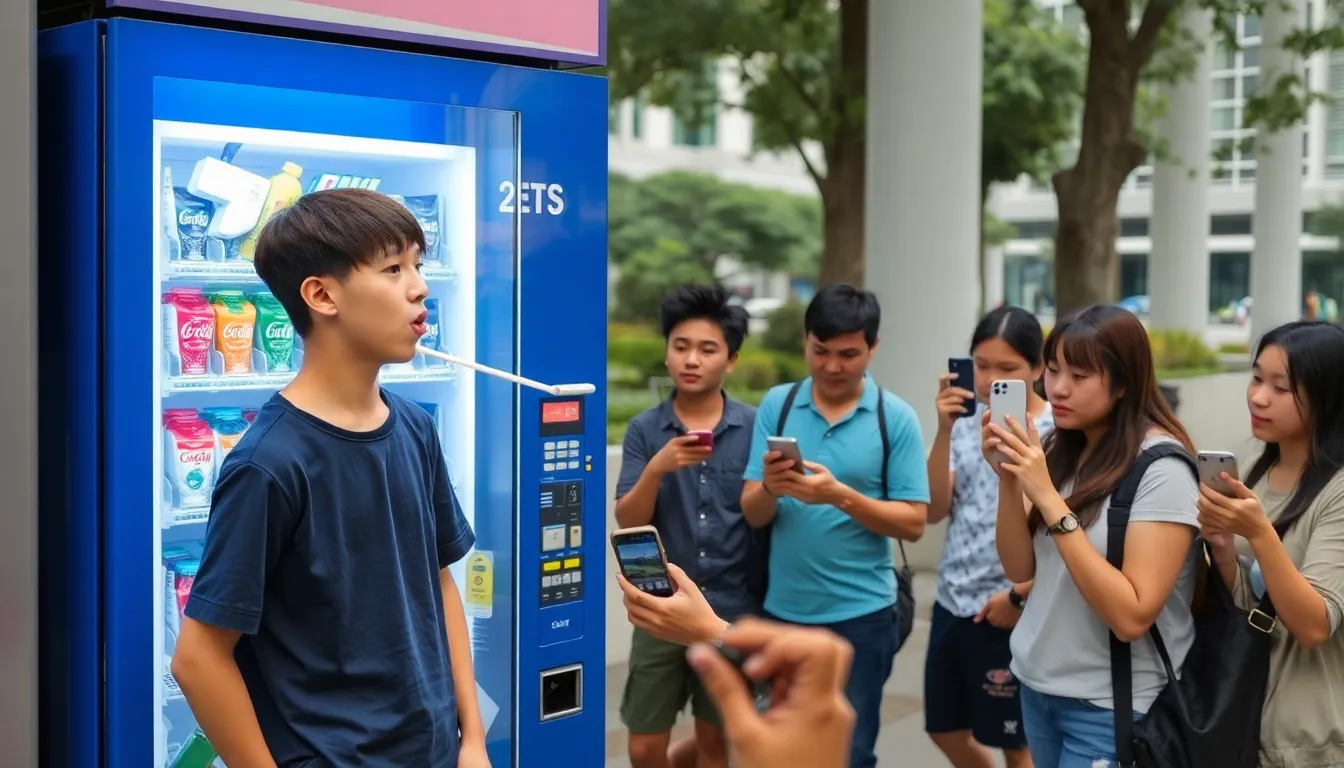
Frequently asked questions about the incident
Key takeaways and future implications of the case
The incident involving the French teenager who licked a vending machine straw in Singapore has raised significant concerns about public health and safety, particularly in the context of the ongoing global pandemic. It highlights the strict laws in Singapore regarding public behavior and the potential consequences of seemingly trivial actions. This case serves as a reminder of the cultural differences in legal systems and public health awareness across countries.
As the legal proceedings unfold, it is essential to consider the broader implications for youth behavior, the enforcement of laws in public spaces, and the role of social media in influencing actions that may lead to legal repercussions. The case could prompt discussions about the need for educational initiatives aimed at promoting responsible behavior among young individuals, especially in foreign environments.
- The potential for stricter regulations regarding public health and hygiene in shared spaces may increase.
- Awareness campaigns targeting young travelers could become more prevalent to educate them about local laws and customs.
- Legal repercussions for seemingly minor infractions may deter similar behavior among youths in other countries.
- Social media’s role in shaping public perception of legal cases could lead to heightened scrutiny of individual actions.
- There may be a growing emphasis on cross-cultural education to bridge understanding between different legal systems.