
As of mid-April, firefighters have been deployed in large numbers to combat the flames, with resources stretched thin due to the scale of the incidents. The fires have not only threatened wildlife and natural habitats but have also posed risks to nearby communities, leading to evacuations in some areas. Local residents have reported smoke and ash affecting air quality, creating hazardous conditions. This alarming situation echoes past instances of climate challenges, similar to national challenges faced globally.
The Scottish government has been closely monitoring the situation, coordinating with emergency services to ensure adequate support and resources are available. Environmental experts warn that the combination of climate change and land management practices may contribute to the increasing frequency and intensity of such wildfires. This situation highlights the urgent need for effective wildfire prevention and response strategies.
In response to the ongoing crisis, community organizations and volunteers have mobilized to assist affected families and wildlife. Efforts include providing shelter and resources for those displaced by the fires, as well as initiatives aimed at restoring damaged ecosystems once the fires are contained. The current events serve as a stark reminder of the challenges posed by extreme weather patterns and the importance of preparedness in the face of natural disasters.
Understanding the factors leading to the wildfires in Scotland
The recent series of wildfires across Scotland can be traced back to a combination of environmental, climatic, and human factors. Historically, Scotland’s landscape has been shaped by both natural events and human activity, with peatlands and heather moors being particularly susceptible to fire. The management of these ecosystems has evolved, but the increasing frequency of extreme weather events has raised concerns about their resilience.
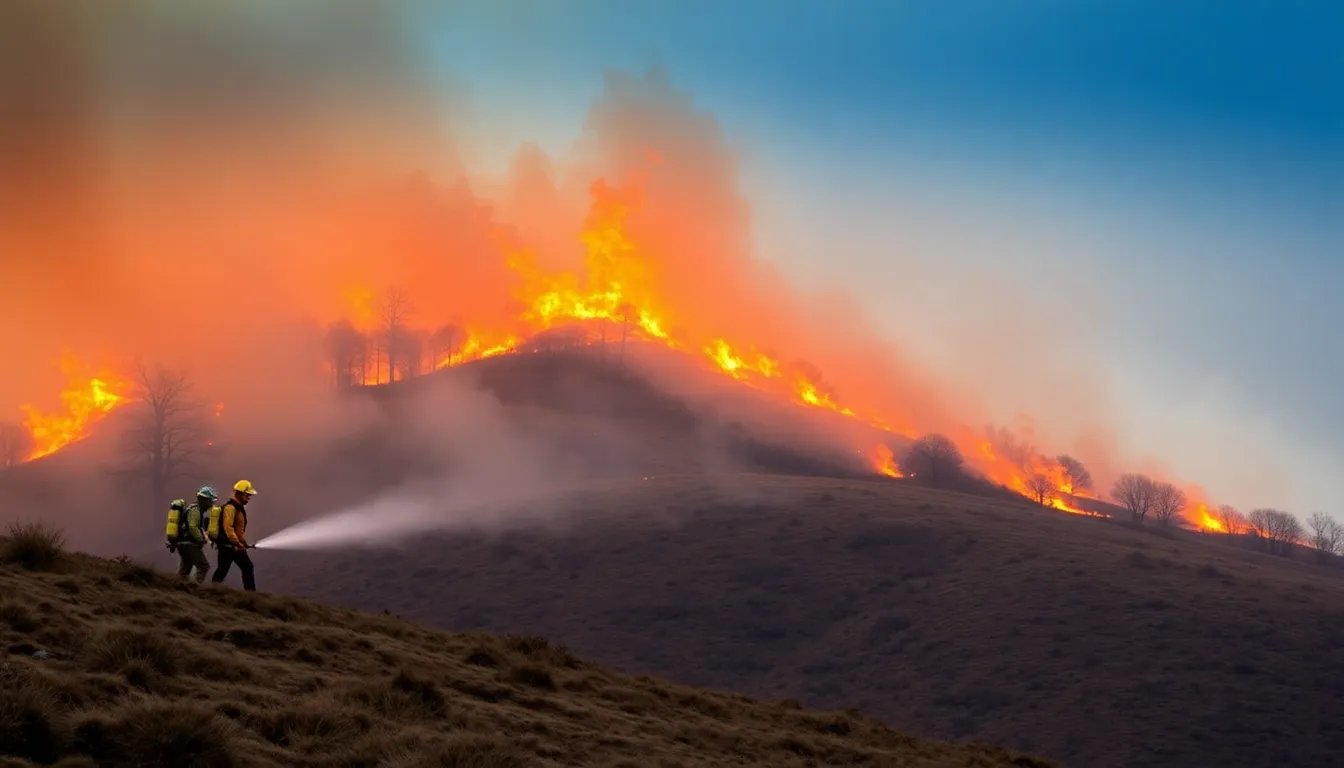
Climate change plays a significant role in the current wildfire situation. Over the past few decades, Scotland has experienced rising temperatures and changing precipitation patterns, leading to drier conditions during summer months. According to the Scottish Environment Protection Agency, these climatic shifts have resulted in longer dry spells, creating an ideal environment for wildfires to ignite and spread. Such changes remind us of the adjustments communities in places like Tokyo are making to adapt to shifting climates.
Historical context of wildfires in Scotland
Historically, wildfires in Scotland were often a natural part of the landscape, used by land managers for purposes such as heather burning to encourage new growth for grazing animals. However, the approach to land management has changed significantly over the years. The decline of traditional practices, coupled with increased urbanization and land use changes, has altered the dynamics of fire management and prevention.
In recent years, several notable wildfires have occurred, highlighting the growing threat. The 2018 wildfire on the Isle of Skye and the 2020 fires in the Cairngorms National Park serve as stark reminders of the challenges faced by Scottish authorities. These events prompted discussions on the need for enhanced fire management strategies and better preparedness to deal with such emergencies, especially as the frequency of extreme weather events continues to rise.
As Scotland grapples with the implications of these wildfires, the intersection of policy, land management, and climate adaptation becomes increasingly critical. The government’s response, including investment in firefighting resources and public awareness campaigns, will be vital in addressing both the immediate threats and the long-term sustainability of Scotland’s unique ecosystems.
Key stakeholders and issues surrounding the wildfires
The recent series of wildfires across Scotland has drawn attention to several key stakeholders involved in managing and responding to these critical incidents. The primary actors include government agencies, local communities, environmental organizations, and the forestry industry. Each of these stakeholders has distinct interests and concerns that influence their response to the wildfires, paralleling how various factors play out in the entertainment world, as seen in Sandra Bullock’s return to public life.
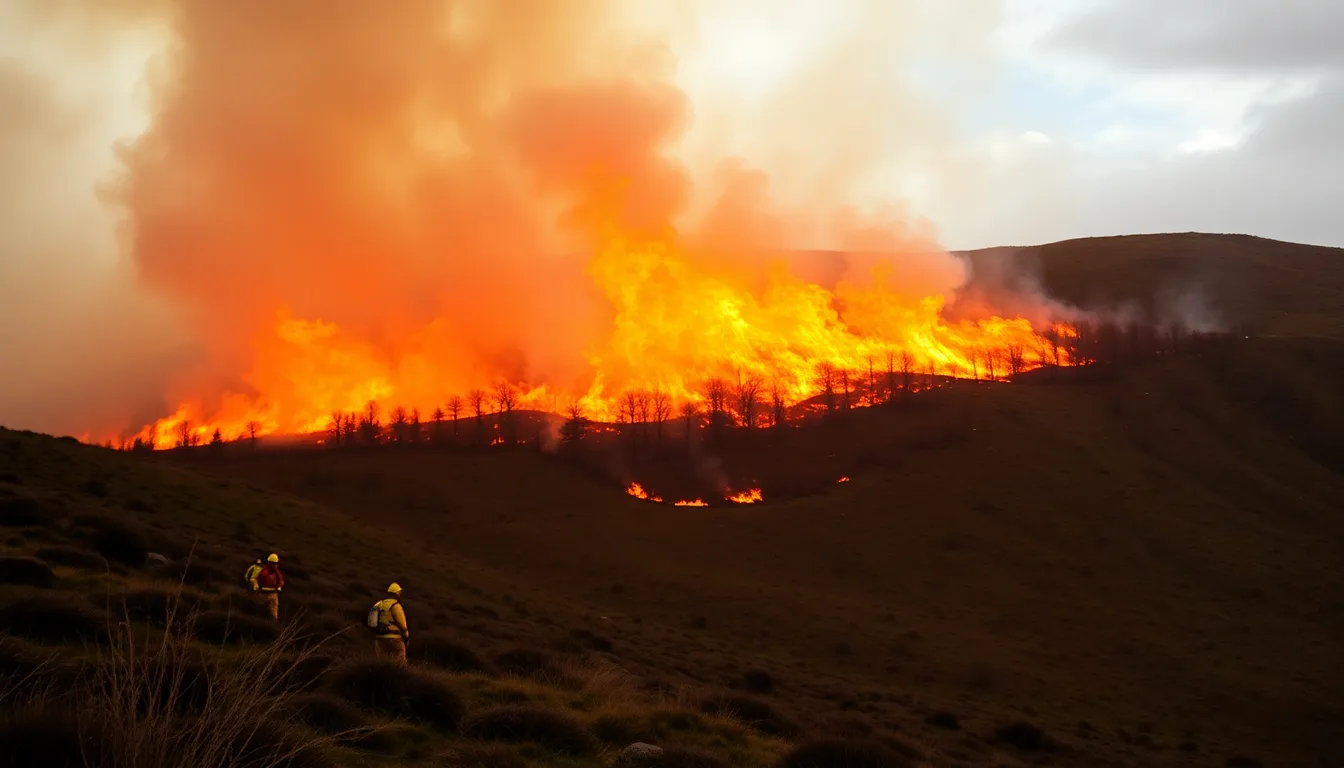
Government agencies, such as the Scottish Fire and Rescue Service and the Scottish Government, are tasked with coordinating firefighting efforts and implementing policies aimed at preventing future wildfires. Their primary interest lies in ensuring public safety and minimizing damage to property and the environment. However, they face challenges in resource allocation, as firefighting efforts can be costly and require significant manpower and equipment.
Local communities are directly impacted by the wildfires, often facing evacuation and loss of property. Their interests revolve around safety, support during emergencies, and recovery assistance after the fires. Tensions can arise between community needs and government resource allocation, especially in rural areas where infrastructure may be limited.
Environmental organizations are concerned about the ecological impact of wildfires, particularly in sensitive habitats and protected areas. They advocate for sustainable land management practices and may clash with economic interests, such as those of the forestry industry, which often prioritizes timber production over ecological preservation. This creates a complex landscape of trade-offs between economic development and environmental protection.
- Resource allocation: Balancing firefighting resources with other public safety needs.
- Community safety: Ensuring local populations are protected during wildfire events.
- Environmental impact: Addressing the long-term ecological consequences of wildfires.
- Economic interests: Navigating the tensions between forestry production and sustainable land use.
- Policy development: Creating effective regulations to mitigate future wildfire risks.
The impact of wildfires on communities and ecosystems
The recent series of wildfires across Scotland has had a profound impact on various groups and industries. Local communities, particularly those near the affected areas, are facing immediate threats to their safety, homes, and livelihoods. The tourism industry, which relies heavily on Scotland’s natural beauty, is also at risk, as wildfires can deter visitors and damage scenic landscapes.
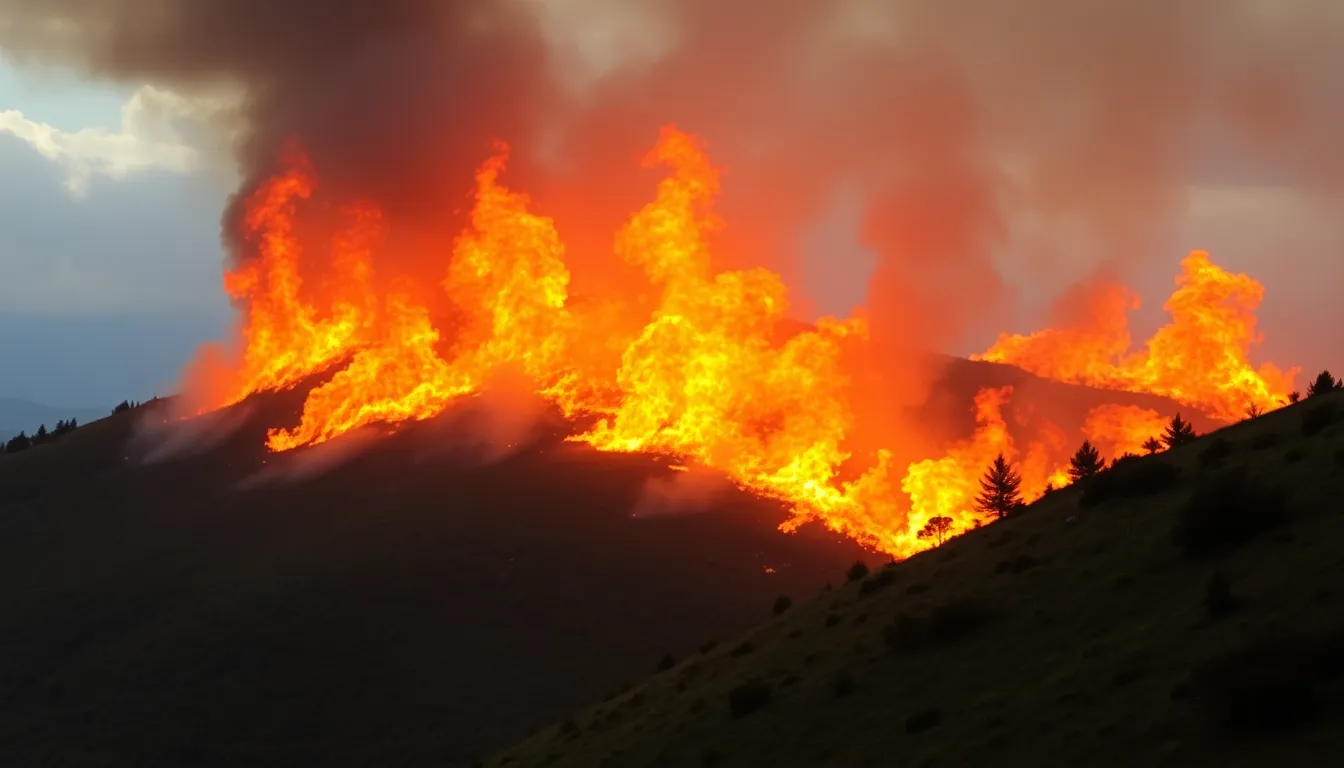
Regions such as the Highlands and Islands, where the wildfires have been most intense, are experiencing significant disruptions. Residents are being evacuated, and emergency services are stretched thin, responding to multiple incidents. The agricultural sector is particularly vulnerable, as wildfires can destroy crops and grazing lands, leading to economic losses for farmers and food supply disruptions.
In the short term, daily life for those in affected areas has changed dramatically. Many are dealing with air quality issues and the constant threat of evacuations. Businesses are facing operational challenges, with some forced to close temporarily or adapt to the changing circumstances. In the mid-term, recovery efforts will likely lead to increased government spending on disaster relief and rebuilding, potentially impacting local budgets and policies.
- Risks: Displacement of residents, loss of property, economic downturn in tourism and agriculture.
- Opportunities: Increased investment in fire prevention infrastructure, potential growth in eco-tourism focused on recovery efforts.
As communities work to recover, there may be a push for stronger environmental policies aimed at preventing future wildfires. This could lead to new regulations on land management and forest conservation, ultimately reshaping the relationship between communities and their natural surroundings.
A: The wildfires have primarily impacted rural areas and regions with dense vegetation, leading to evacuations and property damage. A: Firefighting teams are deployed, and local authorities are implementing emergency plans to control the spread of the fires. A: Individuals can assist by following safety guidelines, donating to relief efforts, and supporting local firefighters. A: Long-term effects may include habitat destruction, economic loss for local communities, and increased air pollution. A: Yes, smoke inhalation can pose health risks, particularly for individuals with pre-existing respiratory conditions.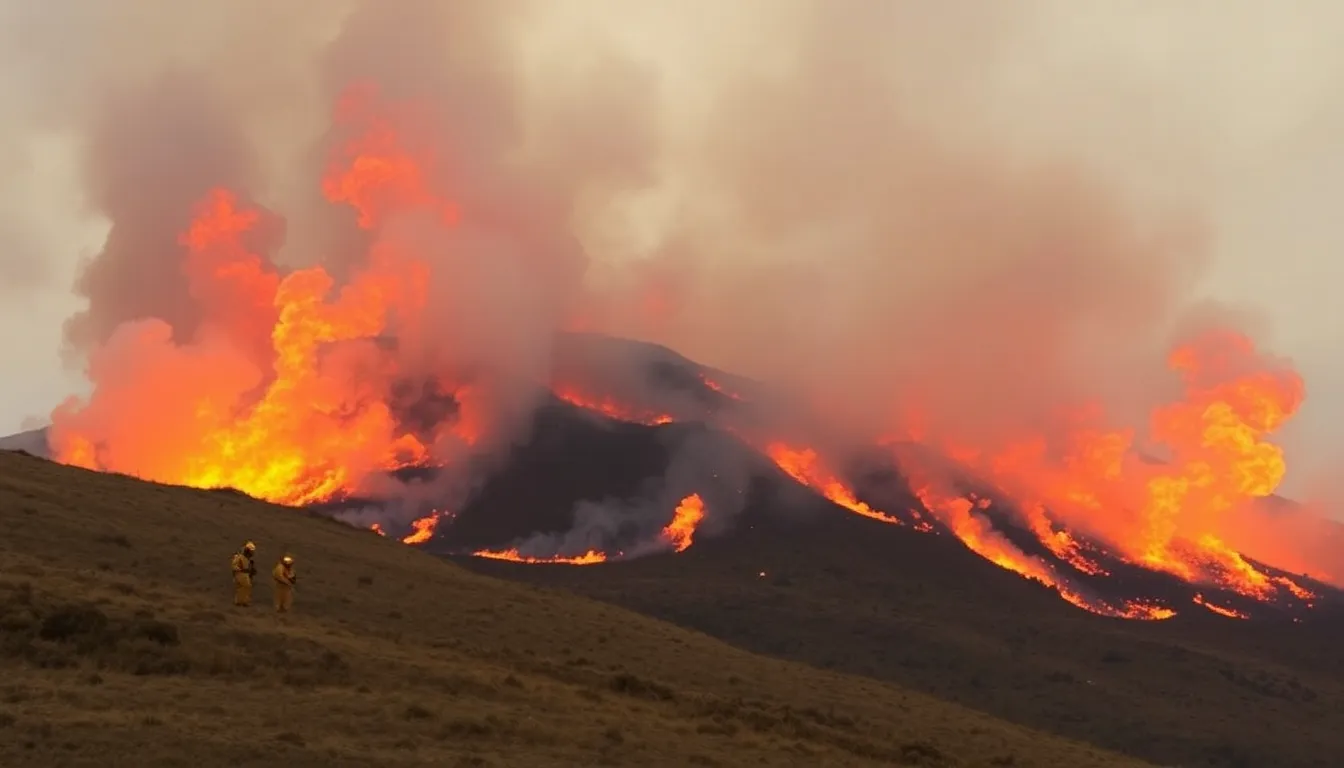
Frequently asked questions about the wildfires in Scotland
Looking ahead: key takeaways and future outlook on wildfires
The recent series of wildfires across Scotland has underscored the increasing frequency and intensity of such events, prompting a reevaluation of fire management strategies and environmental policies. As climate conditions continue to evolve, the implications for ecosystems, local communities, and emergency services are significant. Understanding these dynamics will be crucial for developing effective responses and mitigating future risks.
Monitoring weather patterns, enhancing community preparedness, and investing in sustainable land management practices will be essential to address the challenges posed by wildfires. Stakeholders must collaborate to create resilient systems that can adapt to the changing climate and safeguard both natural and human resources.
- Increased vigilance: Communities should stay informed about fire risks and engage in proactive measures to reduce vulnerability.
- Policy reform: Local governments may need to revise land use and fire management policies to better align with current climate realities.
- Investment in technology: Utilizing advanced monitoring and firefighting technologies can enhance response times and effectiveness.
- Public awareness campaigns: Educating the public on fire prevention and safety can foster a culture of preparedness.
- Collaborative efforts: Partnerships between government, NGOs, and local communities will be vital for comprehensive wildfire management strategies.