
Lauper, known for her vibrant personality and strong stage presence, did not shy away from confronting the individual. In a bold retort, she declared, “If you’re trying to shade me, bitch, I’m gonna come for you,” which resonated with her fans and highlighted her fierce attitude. This moment not only showcased her commitment to maintaining control over her performance but also emphasized her willingness to stand up against negativity and reminds us of similar instances in the industry, such as when Nikki Glaser expressed her views on heckling.
The incident has sparked discussions among fans and media alike, with many praising Lauper for her quick wit and assertiveness. As a prominent figure in the music industry, her response has been interpreted as a reminder of the challenges performers can face while engaging with live audiences. The exchange has also reignited conversations about audience behavior during concerts and the responsibilities of both performers and concertgoers.
As Lauper continues her residency at the venue, this moment serves as a defining highlight of her show, illustrating her ability to handle unexpected situations with grace and humor. It reinforces her status not only as a musical legend but also as a cultural icon who stands firm against disrespect in any form.
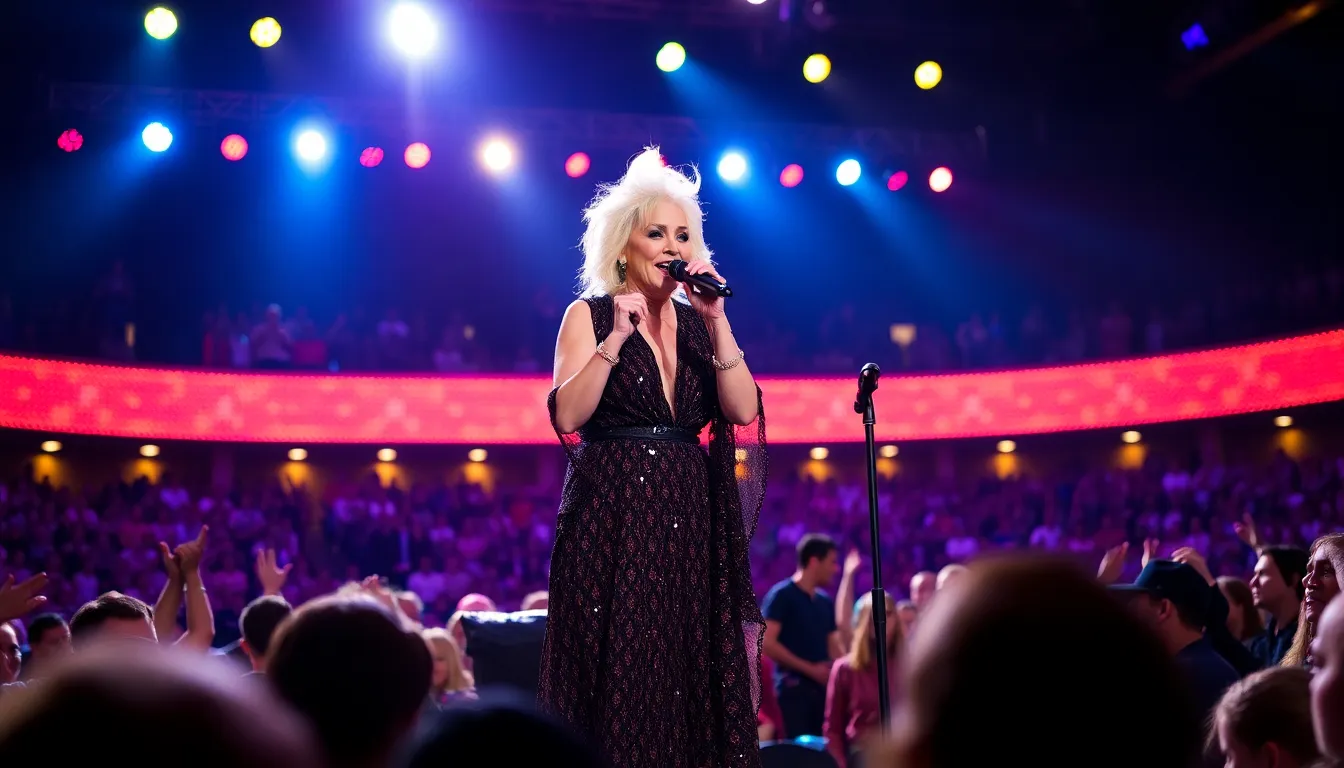
Background on Cyndi Lauper’s Vegas residency
Cyndi Lauper, an iconic figure in the music industry, is known not only for her chart-topping hits but also for her vibrant personality and unapologetic authenticity. Her recent debut at a Las Vegas residency marks a significant milestone in her career, bringing her unique blend of pop, rock, and theatricality to the famed entertainment capital. Las Vegas residencies have become a popular trend among artists looking to establish a more stable performance schedule while connecting with fans in an intimate setting.
The Las Vegas entertainment scene has evolved over the years, transforming from a haven for traditional showgirls and lounge acts to a diverse hub showcasing a wide array of musical genres and performance styles. Artists like Celine Dion, Elton John, and Lady Gaga have paved the way for established musicians to create a lasting presence in the city. Lauper’s residency is a testament to her enduring appeal and ability to adapt to the changing landscape of the music industry.
During her debut performance, Lauper faced a heckler, which sparked a moment of tension that resonated with audiences both in the venue and online. This incident highlights the often tumultuous relationship between performers and their audiences, particularly in a live setting where emotions can run high. Lauper’s fierce response”If you’re trying to shade me, bitch, I’m gonna come for you”demonstrates her commitment to standing her ground and maintaining control over her performance environment.
Historical Context of Live Performances
The relationship between artists and their audiences has a long history, with heckling being a common occurrence in live performances. From Shakespearean plays to modern concerts, performers have had to navigate the challenges posed by audience reactions. Lauper’s reaction can be seen as a reflection of her career-long dedication to authenticity and self-expression, traits that have endeared her to fans for decades. This incident serves as a reminder of the pressures artists face and the importance of maintaining their artistic integrity in the face of adversity.
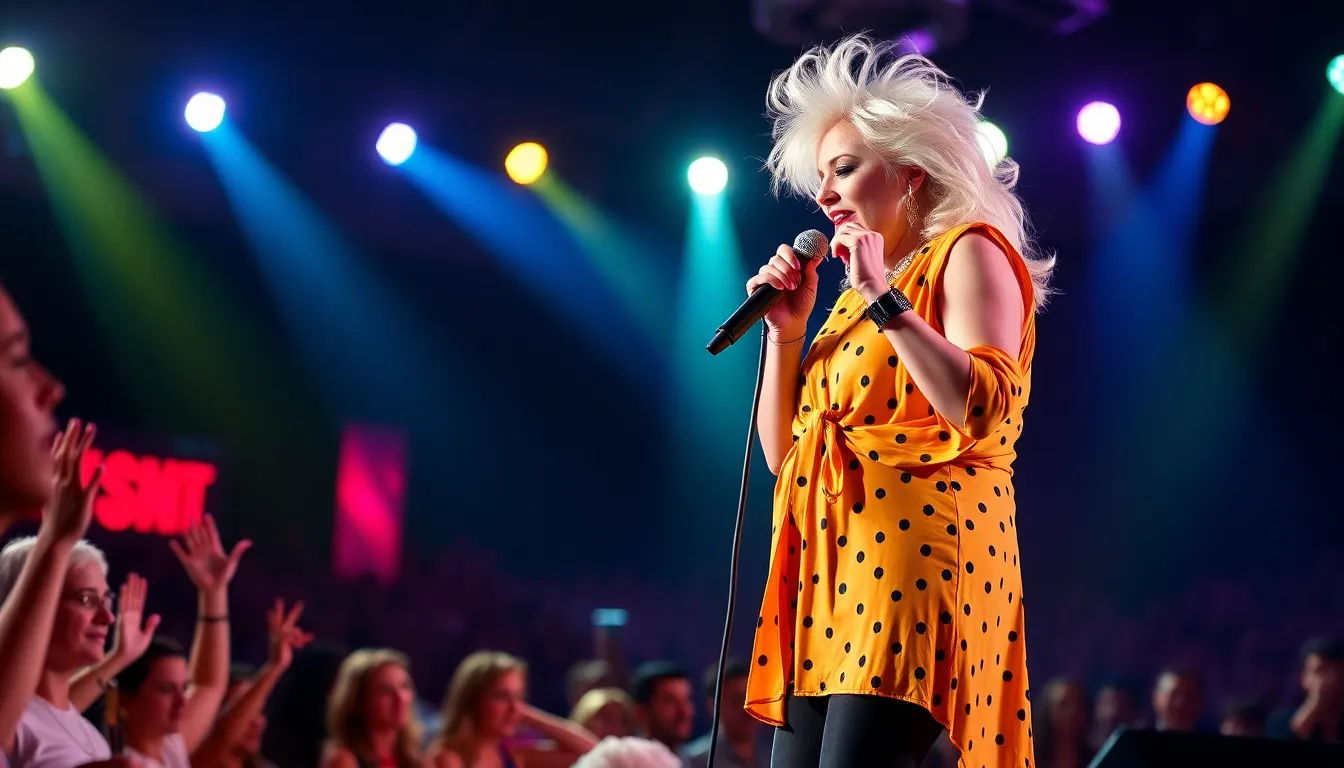
Analyzing the interaction between Lauper and the audience
Cyndi Lauper’s recent performance at her Las Vegas residency debut was marked by a notable confrontation with a heckler, highlighting the complex dynamics between performers and their audiences. Lauper’s response, which included a direct challenge to the heckler, underscores the emotional investment artists often have in their work and the expectations they hold for audience engagement.
The main actors in this scenario include Cyndi Lauper as the artist, the heckler representing a segment of the audience, and the broader audience that witnesses the interaction. Lauper’s interest lies in delivering a memorable and positive performance, while the heckler’s actions may stem from a desire for attention or to provoke a reaction. This interaction raises questions about the boundaries of audience behavior and the responsibilities of performers in managing disruptive situations.
Key issues at play include the potential for conflict between performers and audience members, the impact of social media on public perception of such incidents, and the economic implications for artists who may face backlash from negative interactions. Lauper’s strong response not only aimed to assert her authority on stage but also to maintain a positive atmosphere for her fans.
- Audience Expectations: Fans often expect a certain level of engagement and respect during performances, which can lead to tensions when those expectations are not met.
- Performer Reputation: Artists like Lauper must navigate their public image carefully, as interactions with hecklers can shape how they are perceived in the media and by their fanbase.
- Social Media Influence: Incidents during live performances can quickly become viral, affecting ticket sales and future engagements based on public reaction.
- Legal Considerations: The right to free speech for audiences versus the right of performers to create a safe and enjoyable environment raises legal questions about heckling and disruptive behavior.
- Economic Implications: Negative audience interactions can impact an artist’s financial success, influencing ticket sales and overall marketability.
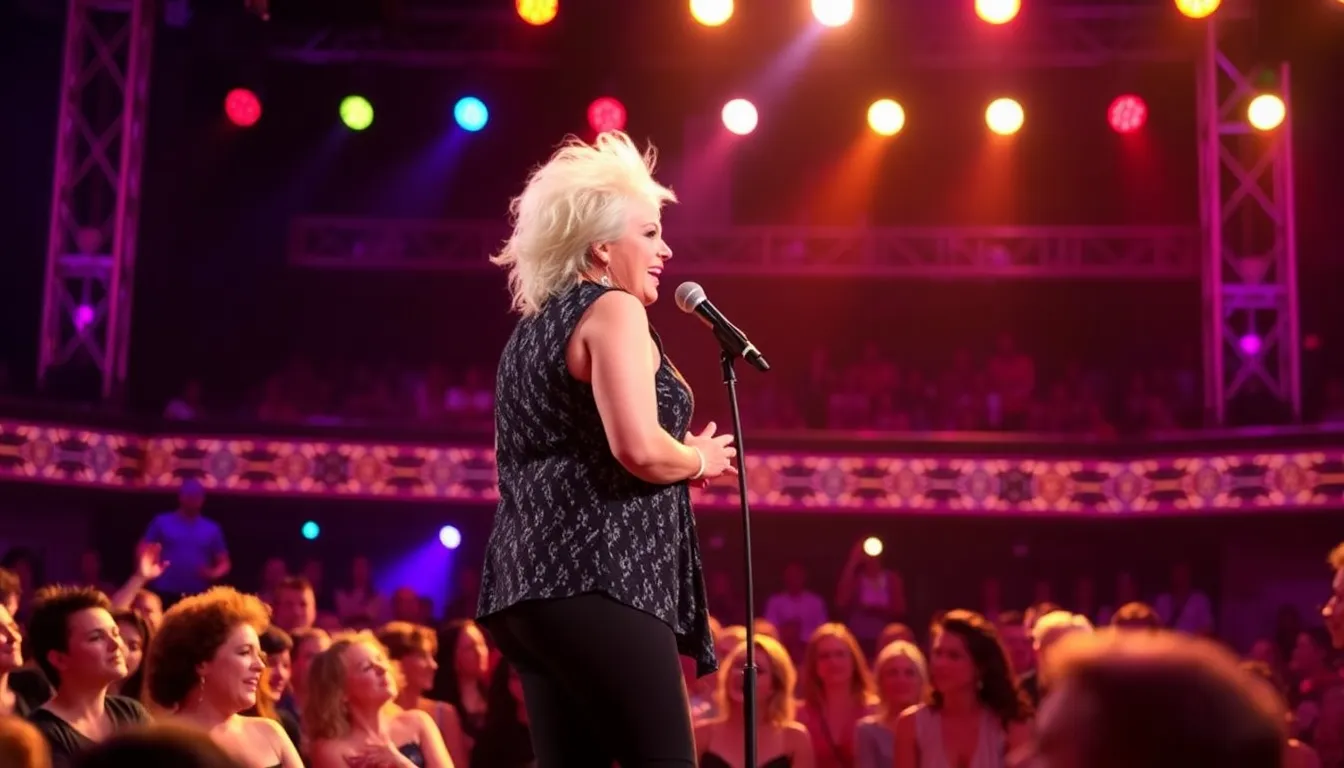
Impact on Lauper’s reputation and audience engagement
Cyndi Lauper’s recent confrontation with a heckler during her Vegas residency debut has significant implications for her reputation and audience engagement. Fans and critics alike are closely observing how this incident may shape public perception of the iconic singer. As a beloved figure in the music industry, Lauper’s response demonstrates her commitment to authenticity and her willingness to stand up for herself, which could resonate positively with her fanbase, not unlike the impact seen after Ruth Slenczynska’s legacy was honored.
The incident could also impact the entertainment industry, particularly in live performances. Artists often face hecklers, and Lauper’s assertive response may inspire other performers to adopt a similar stance, fostering a culture of resilience and self-advocacy. This could lead to a shift in audience behavior, where heckling becomes less tolerated, ultimately enhancing the concert experience for both artists and attendees.
In the short term, Lauper’s fiery response may lead to increased media attention and ticket sales for her shows, as fans rally to support her. Social media platforms are likely to buzz with discussions about the incident, which could drive engagement and interest in her performances. However, there is a risk that negative press could emerge if the incident is perceived as overly confrontational, potentially alienating some audience members.
- Short-term opportunities: Boost in ticket sales and media coverage.
- Mid-term risks: Potential backlash from audiences who prefer a more subdued approach to heckling.
- Audience engagement: Increased loyalty from fans who appreciate her authenticity and willingness to confront negativity.
In the mid-term, Lauper’s handling of the situation may influence her brand image and the way she is marketed in the future. If her response is embraced by her fan base, it could lead to a stronger connection with audiences, allowing her to explore new creative avenues and collaborations. Conversely, if the incident is viewed negatively, it may necessitate a reevaluation of her public persona and engagement strategies.
Frequently asked questions about the incident
A: During her Vegas residency debut, Cyndi Lauper clapped back at a heckler, making a bold statement that resonated with her fans.
A: The audience responded positively, cheering for Lauper’s fierce comeback and showing support for her performance.
A: This incident highlights Lauper’s strong personality and her unwillingness to tolerate disrespect, reinforcing her image as a confident performer.
A: It’s likely that this incident will enhance her performances, as it showcases her ability to handle challenges with grace and humor.
Key takeaways from Lauper’s Vegas debut
Cyndi Lauper’s recent performance in Las Vegas not only showcased her enduring talent but also highlighted the singer’s resilience in the face of criticism. Her quick-witted response to a heckler serves as a reminder of the challenges performers often face, particularly in high-pressure environments like a residency. This incident underscores the importance of maintaining composure and authenticity, even when confronted with negativity.
As Lauper continues her residency, fans and industry observers alike should pay attention to how she navigates such interactions and the overall impact on her performances. The ability to engage with the audience, whether positively or negatively, can significantly shape the atmosphere of a show and influence audience loyalty.
- Watch for how Lauper’s interactions with the audience evolve throughout her residency.
- Consider the implications of audience engagement on a performer’s reputation and career longevity.
- Note the potential for increased media attention and fan support following public confrontations.
- Observe how Lauper balances her artistic expression with audience expectations in future shows.