
Slenczynska was born on January 15, 1921, in Sacramento, California, and began her piano studies at a young age. She became a protégé of Rachmaninoff in the 1930s, receiving personal instruction from the legendary composer during his time in the United States. This unique relationship placed her at the intersection of classical music history, bridging the gap between Rachmaninoff’s era and contemporary performances.
Throughout her long career, Slenczynska performed internationally, showcasing her talent and dedication to the art of piano. She was known for her interpretations of Rachmaninoff’s works, which were deeply influenced by her mentor’s guidance. Her contributions to the music world extended beyond performance, as she also served as a teacher, inspiring future generations of musicians.
The impact of her passing resonates within the classical music community, as it highlights the fragility of living connections to historical figures. As the last link to Rachmaninoff’s teachings and compositions, Slenczynska’s death serves as a poignant reminder of the importance of preserving and honoring the legacies of past masters in the ever-evolving landscape of classical music.
Understanding Ruth Slenczynska’s legacy and her connection to Rachmaninoff
Ruth Slenczynska, the last surviving pupil of the legendary composer Sergei Rachmaninoff, passed away at the age of 101, marking the end of a significant chapter in classical music history. Born in 1925, Slenczynska’s life spanned an era of immense change in the world, from the tumult of World War II to the evolution of classical music in the 20th century. Her connection to Rachmaninoff, who was one of the most celebrated composers and pianists of his time, not only shaped her career but also served as a bridge to a rich musical heritage.
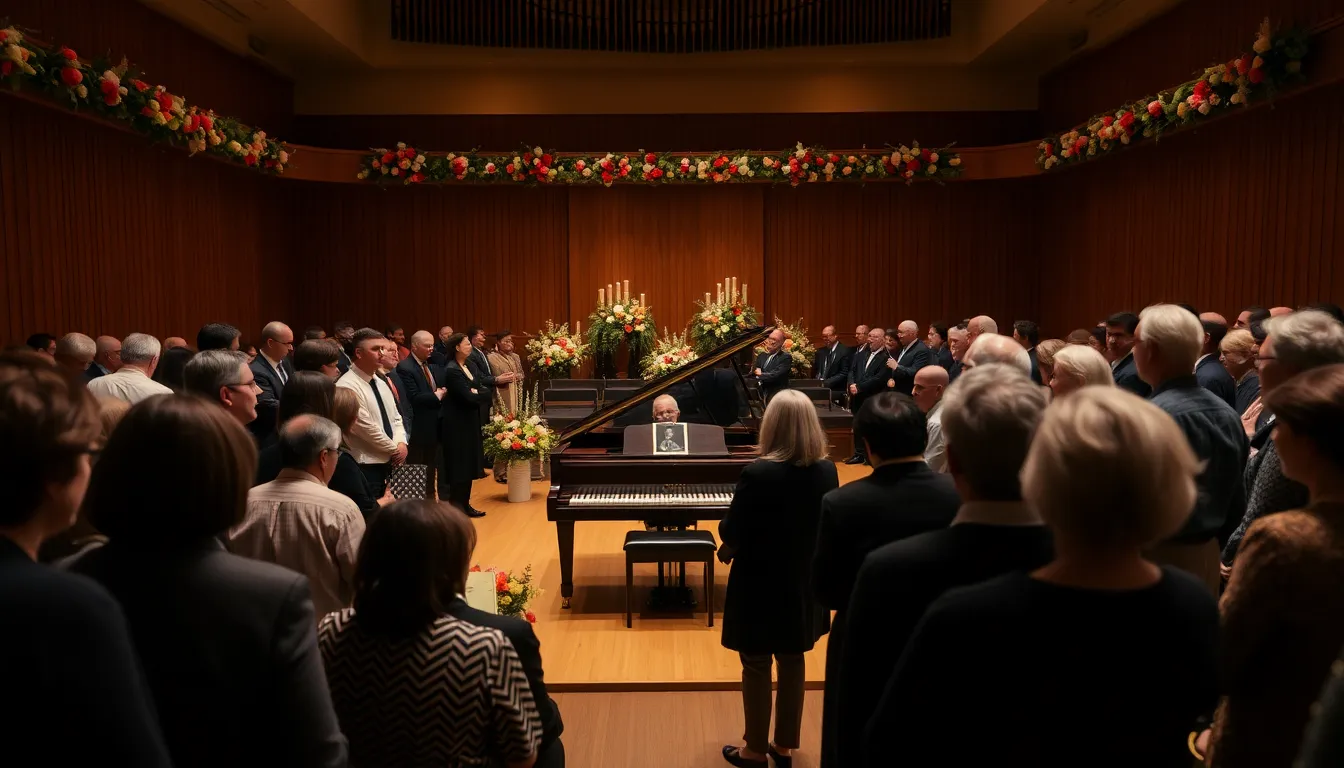
Rachmaninoff, a Russian émigré, fled his homeland after the Bolshevik Revolution in 1917. He settled in the United States, where he continued to compose and perform, influencing generations of musicians. Slenczynska’s studies with him in the late 1930s provided her with unique insights into his compositions and the emotional depth that characterized his music. This mentorship was not just a personal relationship; it was a pivotal moment that connected the old world of Russian classical traditions with the burgeoning American music scene.
The historical significance of Slenczynska’s legacy is underscored by her role in preserving the teachings and techniques of Rachmaninoff. As a performer and teacher, she dedicated her life to imparting this knowledge to new generations of pianists. Her performances not only showcased her technical prowess but also served as a testament to Rachmaninoff’s enduring influence. In a world increasingly dominated by modern musical styles, her interpretations of Rachmaninoff’s works kept the spirit of his music alive.
The Evolution of Classical Music and its Context
The landscape of classical music has undergone significant transformations over the decades, influenced by social changes and technological advancements. The rise of recording technology, for instance, allowed performances to be captured and shared widely, democratizing access to classical music. However, this also led to debates about authenticity and interpretation. Slenczynska’s commitment to Rachmaninoff’s style amidst these changes highlights the tension between tradition and modernity in classical music, a conversation that continues to evolve today.
The impact of Slenczynska’s life on classical music and its community
Ruth Slenczynska, the last surviving pupil of the legendary composer Sergei Rachmaninoff, leaves behind a rich legacy that resonates deeply within the classical music community. As a renowned pianist, her career spanned over several decades, during which she not only performed internationally but also contributed significantly to music education. Her passing at the age of 101 marks the end of an era and raises questions about the preservation of classical music traditions.
Key stakeholders in this context include music institutions, educators, and the broader classical music community, all of whom have vested interests in honoring Slenczynska’s contributions. Music schools and conservatories may seek to incorporate her teachings and performances into their curricula, ensuring that her influence continues to inspire future generations of musicians. Additionally, organizations dedicated to classical music preservation may initiate projects to archive her recordings and written works.
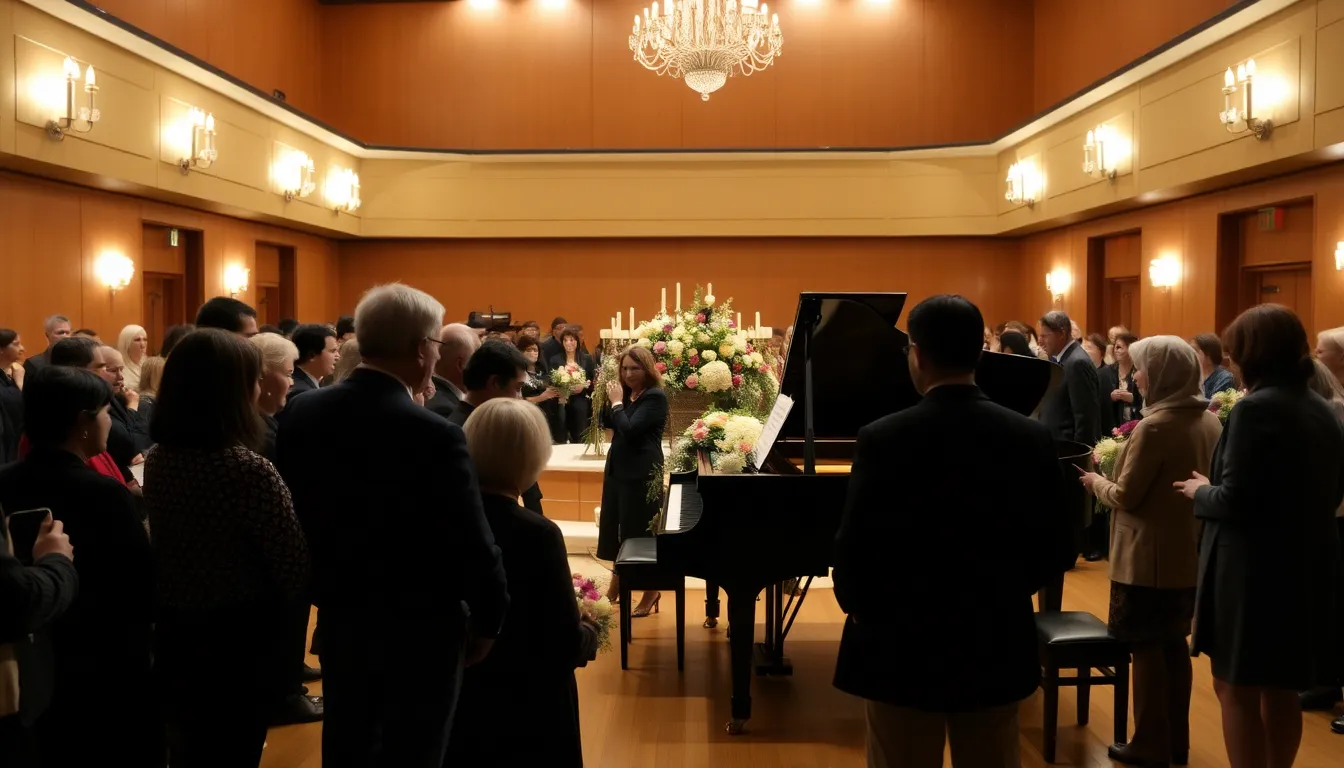
However, the loss of such a prominent figure also highlights potential conflicts within the community. There is a trade-off between preserving the legacy of individual artists like Slenczynska and the evolving nature of classical music itself. Some may argue that focusing too heavily on past figures could stifle innovation and the emergence of new talent. This tension raises important questions about how to balance reverence for the past with the need for contemporary relevance in classical music.
- Preservation of Legacy: Efforts to document and celebrate Slenczynska’s life and work.
- Education and Mentorship: The role of her teachings in shaping future musicians.
- Cultural Significance: The impact of her career on the perception of classical music today.
- Innovation vs. Tradition: The challenge of integrating past influences with modern interpretations.
- Community Response: How various stakeholders react to her passing and honor her memory.
Economically, the classical music industry may also feel the ripple effects of Slenczynska’s death. Concerts, tributes, and memorials can drive ticket sales and generate interest in classical music, but they also require funding and support from sponsors and patrons. This dynamic can create pressures on organizations to balance commercial viability with the artistic integrity of their tributes to her legacy.
How Slenczynska’s passing affects musicians and fans worldwide
The death of Ruth Slenczynska, the last surviving pupil of the legendary composer Sergei Rachmaninoff, resonates deeply within the global music community. Musicians, educators, and classical music enthusiasts are among the groups most affected by her passing. Her unique connection to a pivotal figure in classical music history symbolizes a link to the past that is now severed, leaving many to reflect on the legacy of Rachmaninoff and the lineage of his teachings.
In the short term, Slenczynska’s death may lead to an increased interest in Rachmaninoff’s works, prompting musicians and orchestras to revisit his compositions. Concerts and recitals dedicated to his music could see a surge, as fans and performers alike seek to honor her memory and the influence of her mentor. This resurgence may also inspire educational institutions to incorporate Rachmaninoff’s repertoire more prominently in their curricula.
In the mid-term, the loss of such a storied figure may create a void in mentorship for emerging classical musicians. The absence of firsthand accounts and teachings from someone who directly learned from Rachmaninoff could hinder the transmission of his unique interpretative style. However, this situation also presents an opportunity for scholars and musicians to delve deeper into archival materials and recordings, fostering a renewed exploration of Rachmaninoff’s music and its impact on contemporary performance.
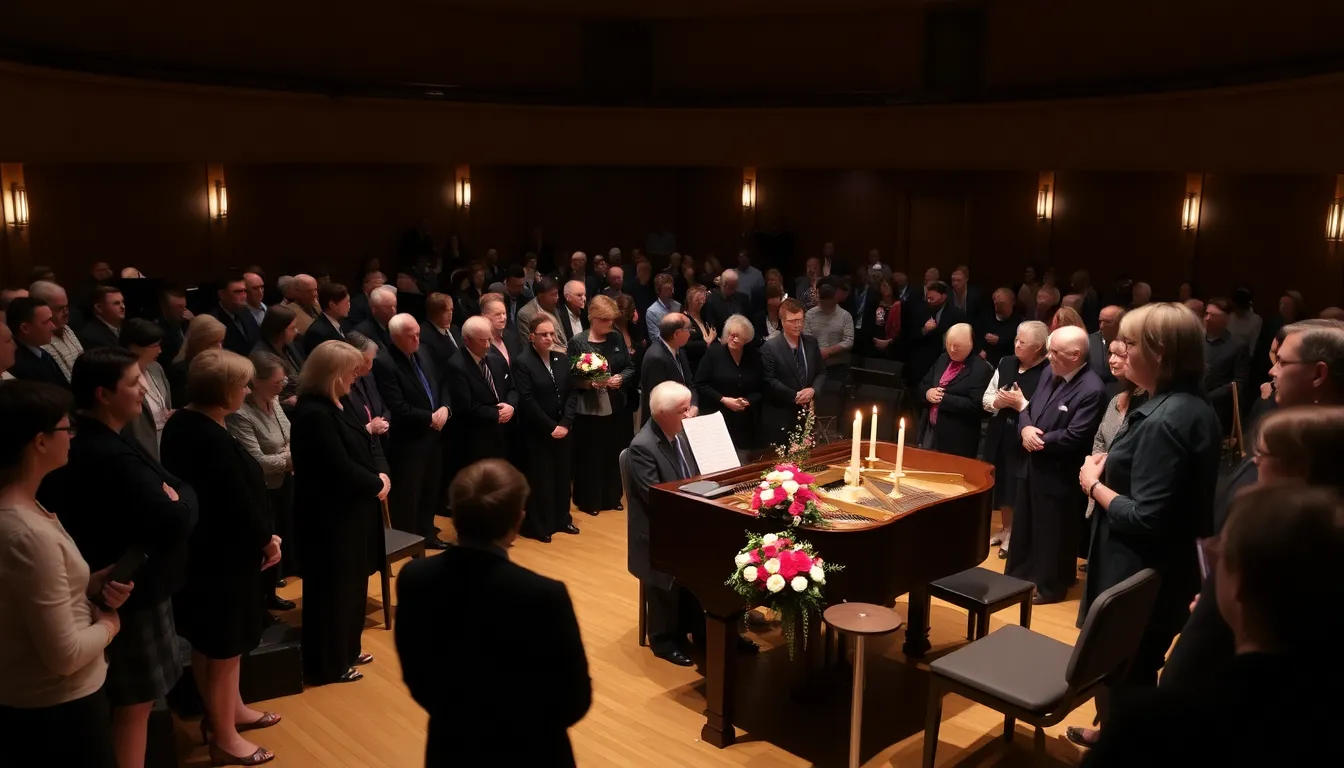
- Risks: Loss of direct mentorship and firsthand knowledge of Rachmaninoff’s techniques.
- Opportunities: Increased interest in Rachmaninoff’s works and potential growth in classical music engagement.
- Impact on Education: Potential shifts in curricula to emphasize Rachmaninoff’s contributions.
Regions with a strong classical music presence, such as Europe and North America, may experience a heightened focus on Rachmaninoff’s music in concert programming. Additionally, this could lead to collaborations among musicians to celebrate his legacy, fostering a sense of community among those who share a passion for classical music. Ultimately, while the loss of Slenczynska is profound, it may also catalyze a renaissance of interest in the rich traditions of classical music she represented.
A: Ruth Slenczynska was a renowned pianist and the last surviving pupil of composer Sergei Rachmaninoff. She was known for her remarkable performances and contributions to classical music. A: Slenczynska’s significance lies in her direct connection to Rachmaninoff, a major figure in classical music. Her performances and teachings helped preserve his legacy. A: Slenczynska influenced modern musicians through her interpretations of classical works and her commitment to teaching, inspiring countless students and performers. A: Some of Slenczynska’s notable achievements include her acclaimed recordings, performances worldwide, and her role in educating future generations of pianists. A: Ruth Slenczynska passed away at the age of 101, marking the end of a remarkable life dedicated to music.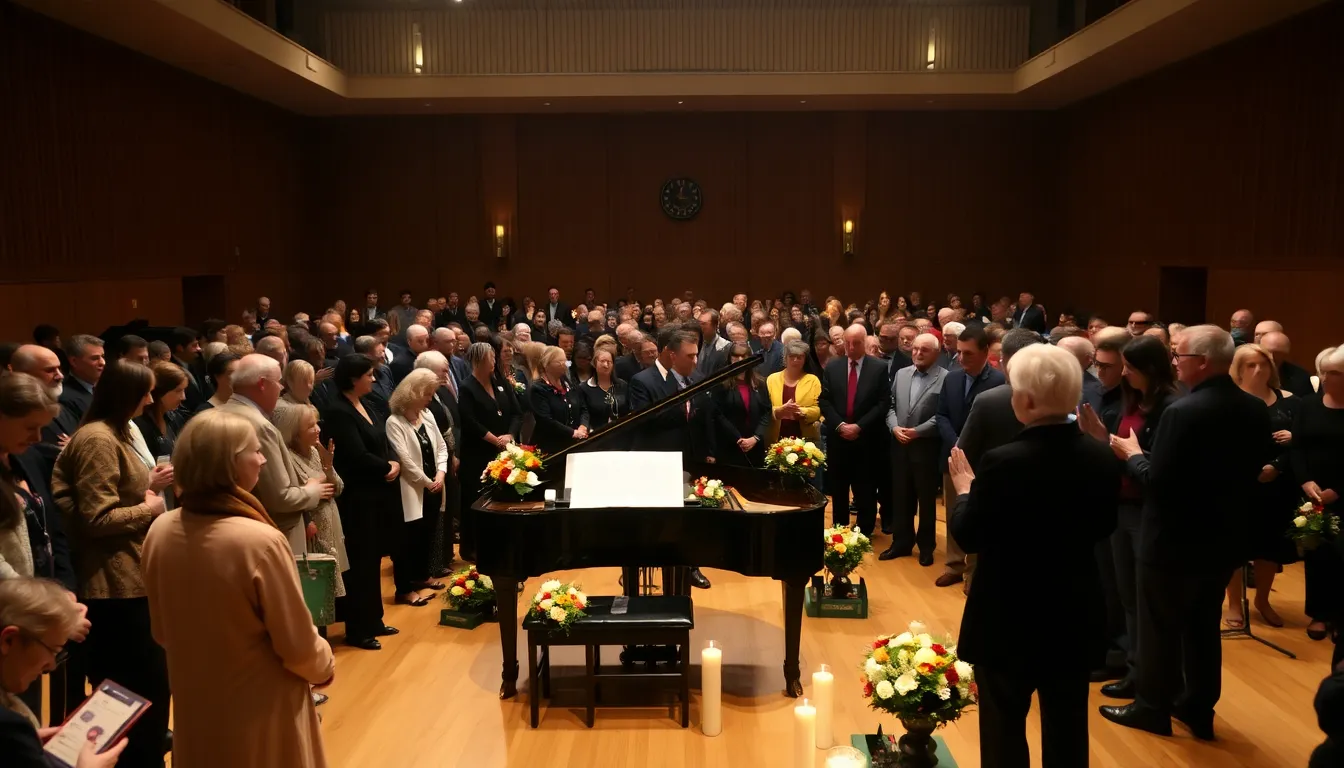
Frequently asked questions about Ruth Slenczynska
Reflecting on Ruth Slenczynska’s contributions and her enduring influence
The passing of Ruth Slenczynska marks the end of an era in classical music, as she was the last surviving pupil of the legendary composer Sergei Rachmaninoff. Her life and career not only highlight the profound impact of Rachmaninoff’s teachings but also serve as a reminder of the importance of preserving musical heritage. As we reflect on her contributions, it becomes clear that her legacy will continue to inspire future generations of musicians and music lovers alike.
As the classical music community mourns her loss, it is essential to consider the implications of her passing. The connections between past and present in classical music can sometimes fade, but Slenczynska’s life serves as a bridge to a rich musical tradition that deserves to be celebrated and remembered.
- Encourage educational programs that focus on the history of classical music and its influential figures.
- Promote the importance of mentorship in the arts, drawing inspiration from Slenczynska’s relationship with Rachmaninoff.
- Highlight the need for archival efforts to preserve recordings and documents related to historic musicians.
- Foster discussions on the evolution of classical music and its relevance in contemporary society.