
The case gained attention when the women publicly shared their allegations against Robinson, which they claimed occurred several decades ago. Robinson responded by seeking legal recourse, asserting that the accusations were false and damaging to his reputation. However, the court found insufficient grounds to proceed with the defamation claim.
This dismissal is noteworthy as it highlights the complexities of defamation law, particularly in cases involving public figures and accusations of serious misconduct. For more insights on similar legal battles, see the article about the US judge dismissing a $10bn Trump defamation suit.
The outcome of this case may have broader implications for similar lawsuits in the future, as it raises questions about the balance between freedom of speech and the protection of individual reputations. As discussions about accountability and justice for survivors continue, this ruling adds another layer to the ongoing dialogue surrounding sexual assault allegations in society.
Background on the allegations against Smokey Robinson
In recent months, the music industry has been rocked by allegations against legendary singer Smokey Robinson, with claims of sexual assault emerging from multiple accusers. These allegations have reignited discussions surrounding the #MeToo movement, which has brought to light numerous cases of sexual misconduct across various sectors, including entertainment. As society grapples with the complexities of consent and accountability, Robinson’s case serves as a significant focal point in the ongoing dialogue about sexual violence and its repercussions.
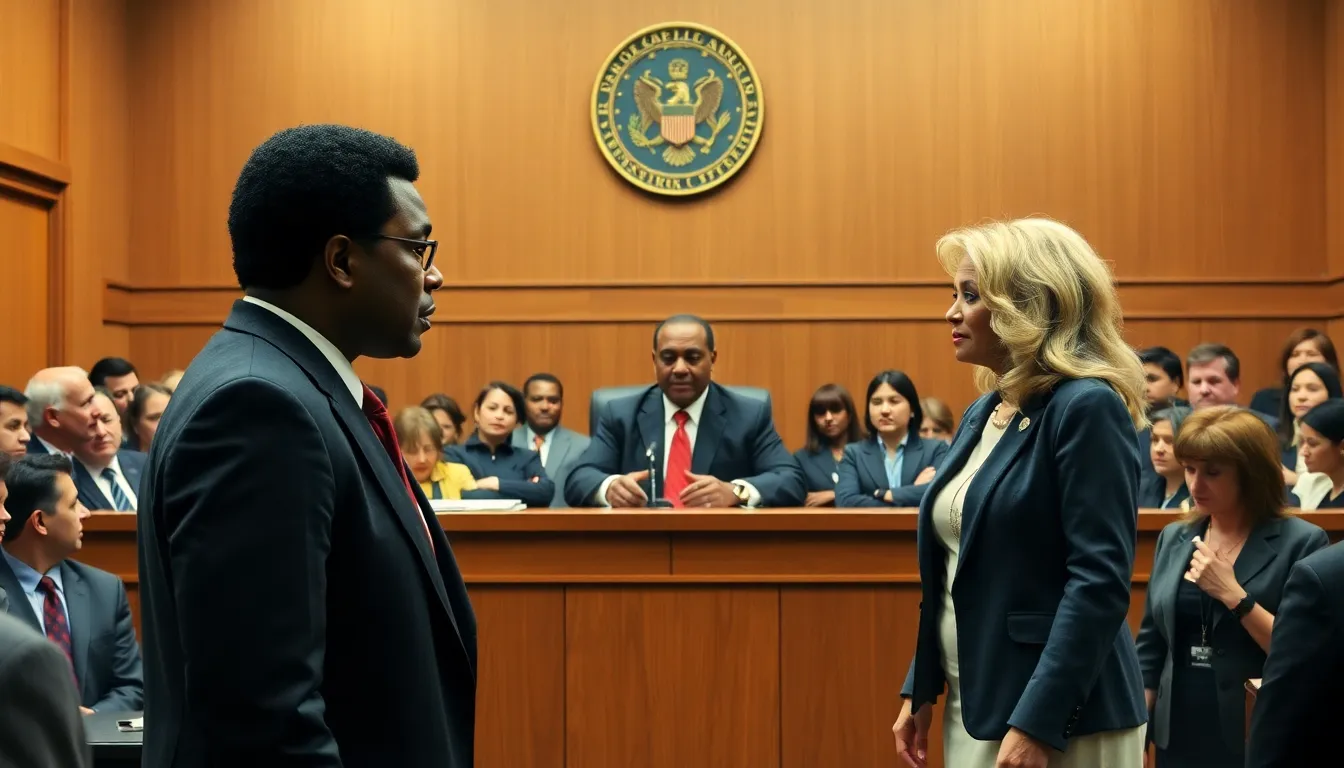
However, the cultural shift initiated by the #MeToo movement has encouraged many to come forward, leading to a wave of public scrutiny and legal action against alleged perpetrators. This reflects ongoing conversations about the importance of accountability in various contexts.
In this particular case, Robinson filed a defamation lawsuit against his accusers, arguing that their claims were false and damaging to his reputation. The legal proceedings highlighted the tension between free speech and the potential consequences of making allegations. The court’s decision to dismiss Robinson’s claim underscores the challenges faced by individuals in the public eye when navigating accusations that can have lasting impacts on their careers and personal lives.
The Legal Landscape
The outcome of Robinson’s case may influence how similar cases are handled in the future, particularly as more individuals come forward with allegations against prominent figures. This aligns with previous cases where courts have set precedents in defamation law, as seen in Trump’s defamation suit dismissal.
Key issues and stakeholders involved in the defamation case
The recent dismissal of Smokey Robinson’s defamation claim against his rape accusers has brought several stakeholders to the forefront of this complex legal battle. The main actors include Smokey Robinson himself, the individuals who accused him of rape, the legal system, and broader societal implications regarding sexual assault allegations.
Smokey Robinson, a prominent figure in the music industry, has a vested interest in protecting his reputation and career. His claim for defamation was rooted in the assertion that the accusations against him were false and damaging. The dismissal of his claim raises questions about the burden of proof in defamation cases, especially when intertwined with serious allegations of sexual misconduct.

The accusers, on the other hand, represent a critical aspect of the ongoing conversation about sexual violence and the challenges faced by survivors when coming forward. Their interests lie in being heard and validated, as well as in the pursuit of justice for their experiences. The outcome of this case may influence how future claims are treated in the legal system, particularly those involving high-profile individuals.
Key legal and economic issues surrounding this case include:
- The legal standards for defamation and how they intersect with accusations of sexual assault.
- The potential chilling effect on survivors who may fear legal repercussions when coming forward with their stories.
- The implications for public figures and their ability to seek redress against false allegations.
- The role of media in shaping public perception of both the accusers and the accused.
- The broader societal impact on the discourse surrounding sexual violence and accountability.
This case highlights the intricate balance between protecting individual reputations and ensuring that survivors of sexual violence can speak out without fear of retaliation. As the legal proceedings evolve, the stakeholders involved will continue to navigate these complex dynamics, reflecting larger societal debates about justice and accountability in cases of sexual misconduct.
Potential impact of the ruling on victims and the legal landscape
The dismissal of Smokey Robinson’s defamation claim against his rape accusers has significant implications for various groups, particularly survivors of sexual assault and the broader legal community. This ruling may embolden victims to come forward with their allegations, knowing that their voices may be taken seriously in a court of law. It also sets a precedent for how defamation claims are handled in cases involving sexual misconduct, potentially leading to more nuanced legal interpretations in the future.
In the short term, this ruling could increase awareness and discussions surrounding sexual assault and the challenges victims face when seeking justice. Advocacy groups may leverage this moment to push for more supportive policies and legal protections for victims. Additionally, media coverage of the case may influence public perception, leading to greater empathy for survivors and their experiences.
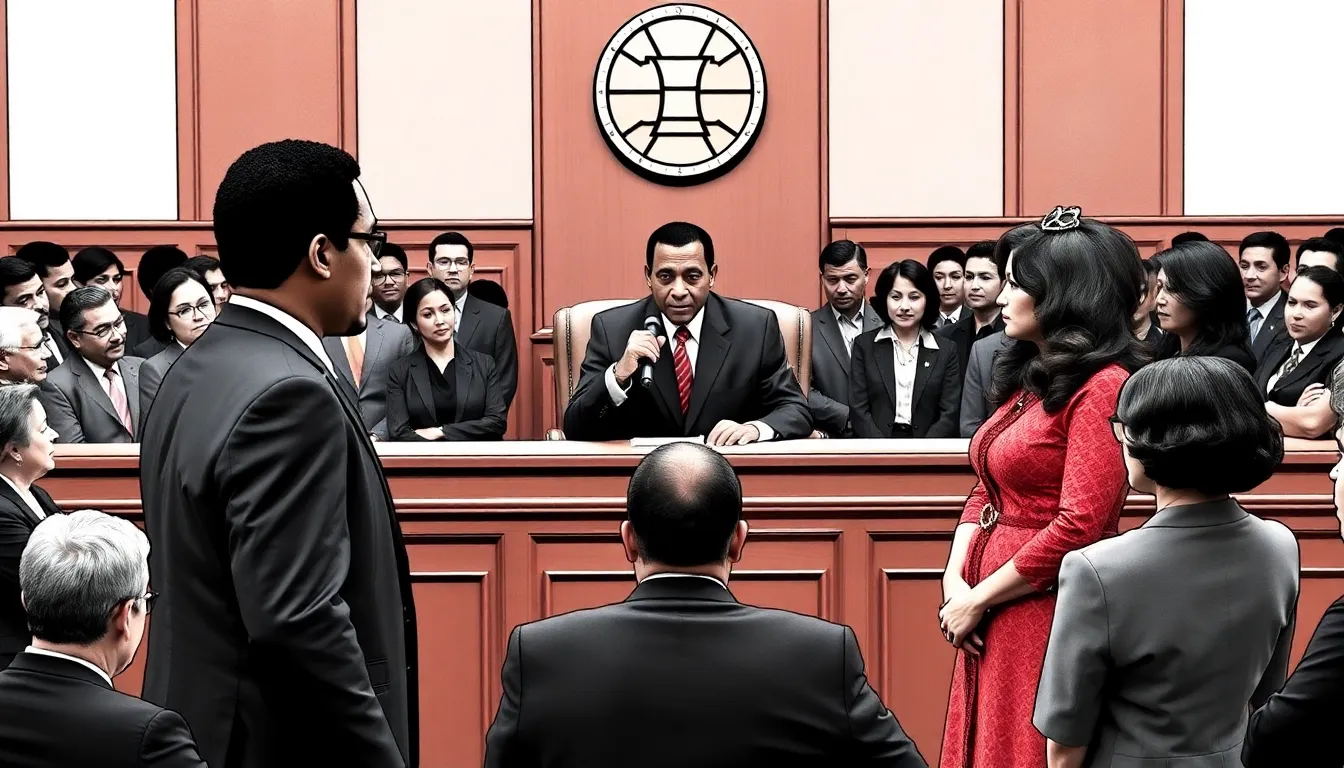
In the mid-term, the ruling may prompt changes in how the entertainment industry addresses allegations of sexual misconduct. Artists and public figures might become more cautious in their responses to allegations, and there could be a shift towards more transparent practices within organizations regarding handling such claims. This could lead to a more supportive environment for victims but may also create tension among those who fear reputational damage.
- Victims of sexual assault: Increased willingness to report incidents.
- Legal professionals: Reevaluation of defamation cases related to sexual misconduct.
- Entertainment industry: Potential policy changes regarding allegations and accountability.
However, there are risks associated with this ruling as well. The fear of backlash or public scrutiny may deter some victims from coming forward, especially if they perceive a lack of support from the legal system. Additionally, this case may lead to a rise in similar defamation claims as public figures seek to protect their reputations, potentially complicating the legal landscape further.
Ultimately, while the ruling presents opportunities for change and empowerment for victims, it also highlights the complexities and challenges that remain in the pursuit of justice within the legal framework.
A: The allegations involved serious claims of sexual assault made by multiple individuals against Robinson. These claims led to a legal battle that culminated in the recent court ruling. A: The judge found that the evidence presented did not sufficiently support Robinson’s claims of defamation against his accusers. This ruling highlights the complexities involved in such legal cases. A: This ruling may set a precedent for how defamation claims are handled in cases involving sexual assault allegations, potentially affecting future legal strategies. A: The dismissal of the defamation claim could empower other victims to come forward, knowing that the legal system may support their allegations without fear of retaliation through defamation suits. A: Robinson may choose to appeal the decision or focus on his public image and career moving forward. The outcome of this case will likely influence his future engagements.
Frequently asked questions about the defamation case
Key takeaways and future implications of the ruling
The recent dismissal of Smokey Robinson’s defamation claim against his rape accusers marks a significant moment in the ongoing discourse surrounding allegations of sexual misconduct. This ruling not only underscores the legal challenges faced by public figures in defamation cases but also highlights the broader societal implications regarding the treatment of sexual assault allegations. As such cases continue to unfold, this decision may influence how similar claims are approached in the future.
Observers should consider the potential ripple effects this ruling may have on both accusers and defendants in high-profile cases. The court’s stance could embolden more individuals to come forward with allegations, knowing that their claims will be evaluated seriously. Conversely, it may also lead to a more cautious approach from public figures when addressing accusations, emphasizing the need for careful legal strategy in the face of such serious allegations.
- This ruling may encourage more victims of sexual misconduct to speak out, knowing that their claims could be protected under the law.
- Public figures may need to adopt a more proactive approach to managing their reputations in light of potential allegations.
- The legal landscape surrounding defamation and sexual assault claims is likely to evolve, prompting adjustments in legal strategies for both sides.
- Media coverage of similar cases may shift, focusing more on the implications of defamation rulings in the context of sexual assault allegations.
- Continued public discourse on the balance between protecting the accused and supporting victims will be essential in shaping future legal standards.