
The case, which was dismissed by a federal court in 2021, gained attention as it highlights the intersection of environmental policy and youth activism. The plaintiffs, aged between 12 and 22, contend that the government’s failure to address climate change directly threatens their future and well-being.
In recent developments, the youths have filed a motion to appeal the dismissal, asserting that the legal system must recognize the urgent need for climate action. They argue that the ongoing impacts of climate change, including extreme weather events, underscore the relevance of their claims, similar to the discussions surrounding screen time management.
This legal battle comes at a time when climate change is increasingly recognized as a critical issue by both the public and policymakers. The outcome of this case could set a significant precedent for how the courts address environmental rights and the responsibilities of government officials in safeguarding the planet for future generations.
Understanding the origins of the lawsuit against Trump
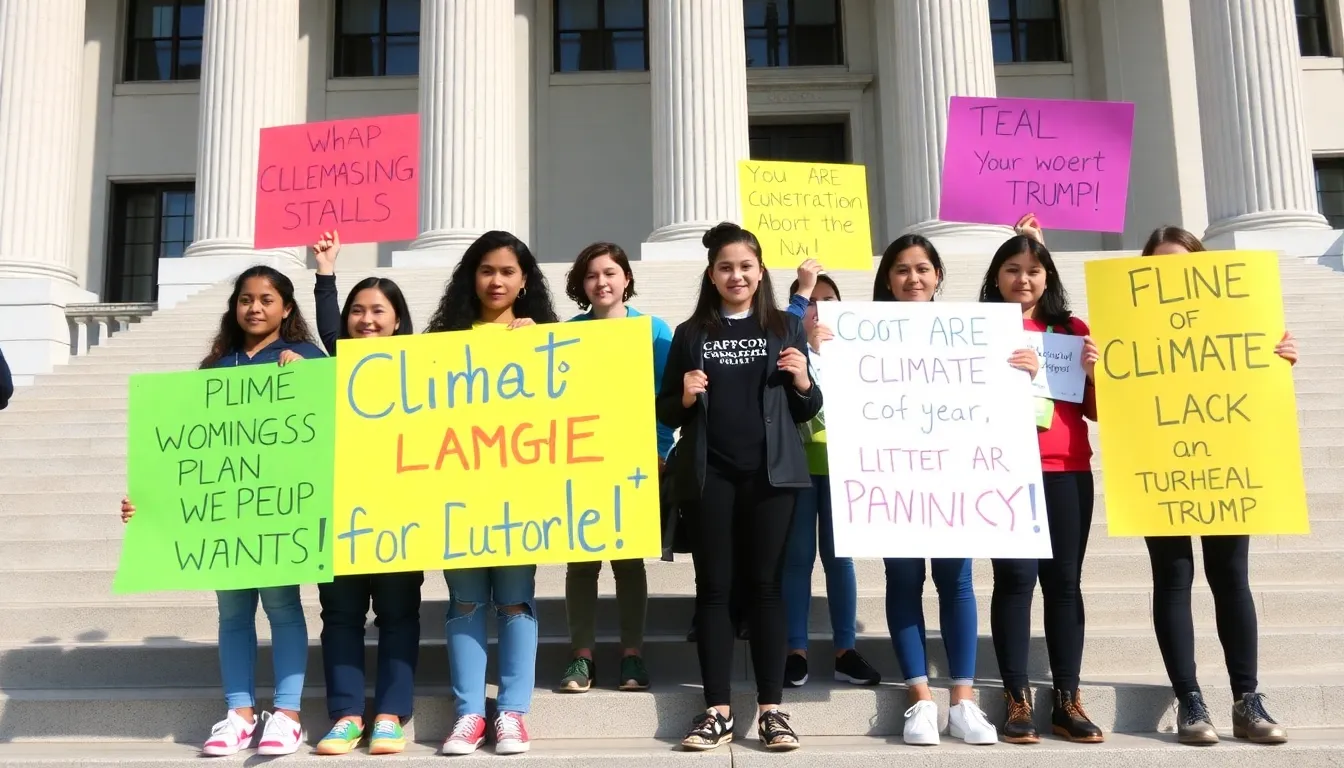
The lawsuit initiated by a group of young activists against former President Donald Trump stems from a growing concern over climate change and environmental policies. In recent years, youth-led movements have gained momentum, emphasizing the urgent need for action to combat climate change and protect natural resources. This particular case highlights the intersection of environmental advocacy and legal action, as these youths seek to hold Trump accountable for policies they believe exacerbate the climate crisis.
Historically, the United States has witnessed significant shifts in environmental policy, particularly in the past few decades. The 1970s marked a pivotal era with the establishment of the Environmental Protection Agency (EPA) and the enactment of key legislation such as the Clean Air Act and the Clean Water Act. However, the political landscape has evolved, with various administrations prioritizing economic growth over environmental protections, leading to contentious debates over energy policies.
Under Trump’s administration, there was a notable push to expand fossil fuel production, with policies aimed at deregulating the energy sector. This included rolling back environmental protections and promoting the use of coal, oil, and natural gas. Critics argue that these actions not only threaten the environment but also undermine the future of younger generations who will bear the brunt of climate change impacts, raising issues reminiscent of cases like the Trump defamation suit.
Key Milestones in Environmental Litigation
The lawsuit is part of a broader trend of youth-led legal actions aimed at addressing climate change. One landmark case is Juliana v. United States, where a group of young plaintiffs sued the federal government for failing to protect their right to a stable climate. Although the case faced numerous legal challenges, it set a precedent for similar lawsuits, emphasizing the role of the judiciary in addressing environmental issues. The ongoing legal battles reflect a growing recognition of the rights of future generations and the urgent need for responsible environmental stewardship.
Key stakeholders and issues surrounding the case
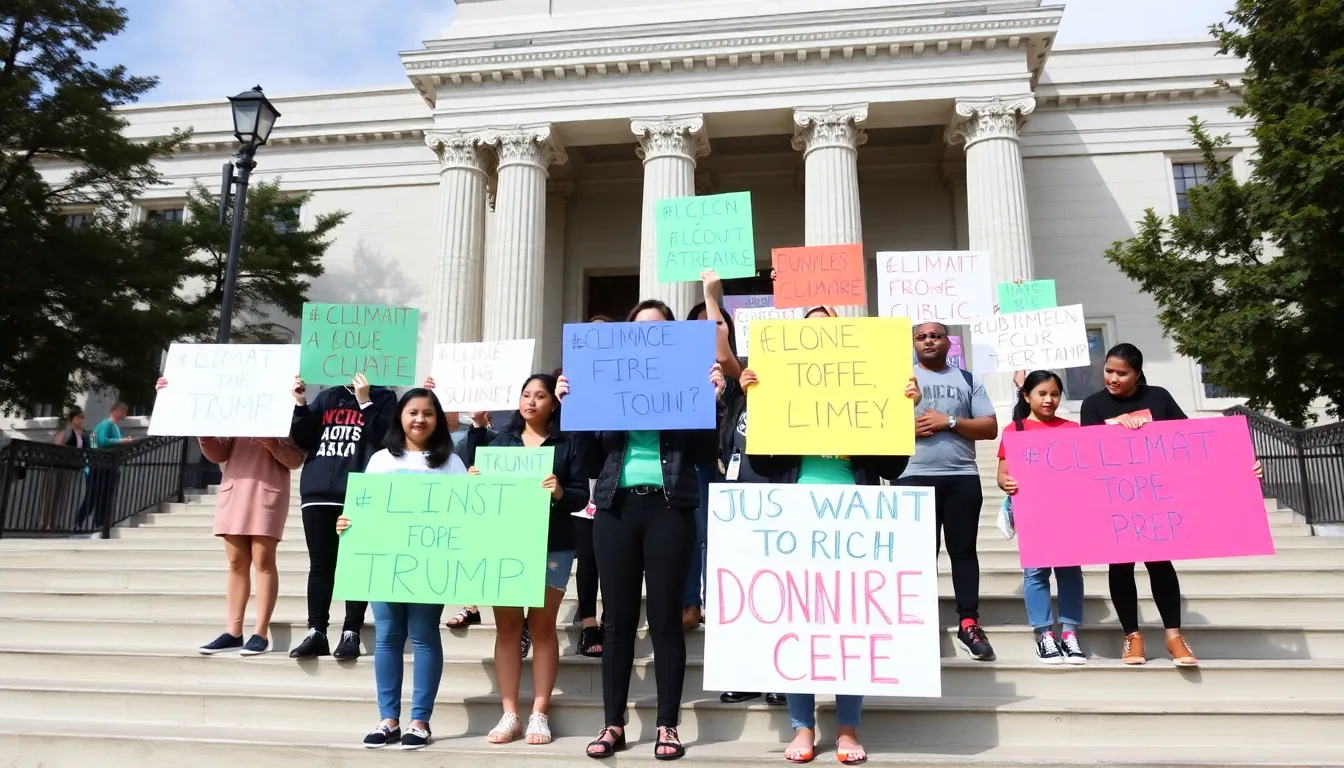
The legal battle initiated by a group of youths against former President Donald Trump centers around his administration’s energy policies, which they argue contribute to climate change and threaten their futures. The plaintiffs, representing a diverse range of backgrounds, are primarily motivated by the desire to protect their environment and secure a sustainable future. Their case underscores a generational divide regarding environmental responsibility and the urgency of addressing climate issues.
Among the key actors in this case are the plaintiffs, various environmental organizations, and the federal government. The youths, supported by organizations such as Our Children’s Trust, seek to hold the government accountable for policies they believe prioritize fossil fuel development over ecological preservation. Their interests lie in advocating for stronger regulatory measures that mitigate climate change impacts.
On the opposing side, the former administration and its supporters argue that energy independence and economic growth are paramount. They contend that the policies in question are designed to bolster the economy and provide jobs, particularly in the energy sector. This presents a classic conflict between economic development and environmental sustainability, where trade-offs must be evaluated.
- Legal Framework: The case raises significant legal questions about the government’s responsibility to protect the environment and the extent of regulatory authority.
- Economic Implications: A ruling in favor of the youths could lead to stricter regulations on energy production, potentially impacting jobs and economic growth.
- Public Opinion: The case has garnered attention and support from various communities and organizations, reflecting a growing concern among the public regarding climate change.
- Political Ramifications: The outcome may influence future elections and policy-making, particularly among young voters who prioritize environmental issues.
Overall, this case exemplifies the complex interplay between youth activism, environmental policy, and economic interests, highlighting the challenges of navigating these critical issues in contemporary society. The implications of such legal actions can resonate far beyond the courtroom, as seen in discussions about societal issues.
Potential effects on environmental policy and youth activism
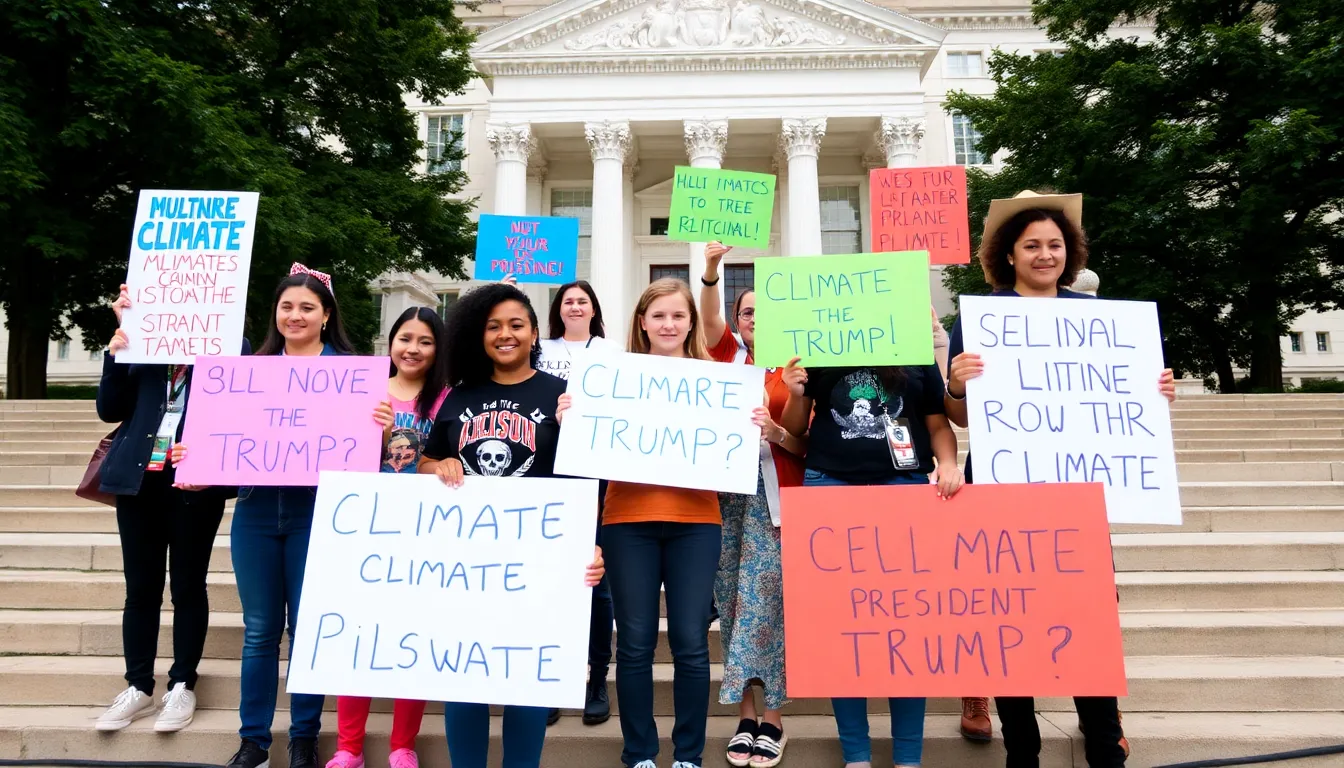
The ongoing legal battle initiated by youths against former President Trump highlights several groups that are affected by policies aimed at increasing energy production. Environmental organizations, youth advocacy groups, and communities vulnerable to climate change are at the forefront of this conflict. These stakeholders are concerned about the implications of energy policies that prioritize fossil fuel extraction over sustainable practices.
In the short term, the outcome of this case could influence public perception of environmental policies. If the youths succeed, it may galvanize further activism among younger generations, encouraging them to engage in policy discussions and advocacy. Conversely, if the case is dismissed, it could discourage youth involvement and signal a lack of recourse for those affected by environmental degradation.
In the mid-term, businesses in the renewable energy sector may experience a shift in investment and innovation. A favorable ruling for the plaintiffs could lead to increased funding for clean energy initiatives, while a ruling supporting Trump’s policies might reinforce reliance on fossil fuels. This could create a bifurcated market where traditional energy companies face regulatory pressure while renewable energy firms thrive.
- Short-term impacts: Increased youth activism and public engagement in environmental issues.
- Mid-term impacts: Potential shifts in investment towards renewable energy or continued support for fossil fuel industries.
- Risks: Diminished regulatory protections for the environment if energy policies favor extraction.
- Opportunities: Growth in the renewable energy sector and innovation in sustainable technologies.
Regions heavily reliant on fossil fuel industries may experience economic ramifications depending on the case’s outcome. Communities that depend on coal, oil, and gas jobs may face uncertainty, while those investing in green technologies could see job creation and economic growth. The interplay between these sectors will shape the landscape of energy policy and its effects on daily life.
A: The youths aim to challenge the Trump administration’s energy policies that they believe contribute to climate change and threaten their future. A: The original lawsuit was dismissed due to procedural issues and questions about standing, which the youths are now trying to address. A: If successful, the case could set a precedent for youth involvement in environmental litigation and influence future policy decisions. A: The youths are working with legal experts to file new motions and potentially appeal the previous dismissal. A: They have garnered support from various environmental organizations and legal advocacy groups that align with their cause.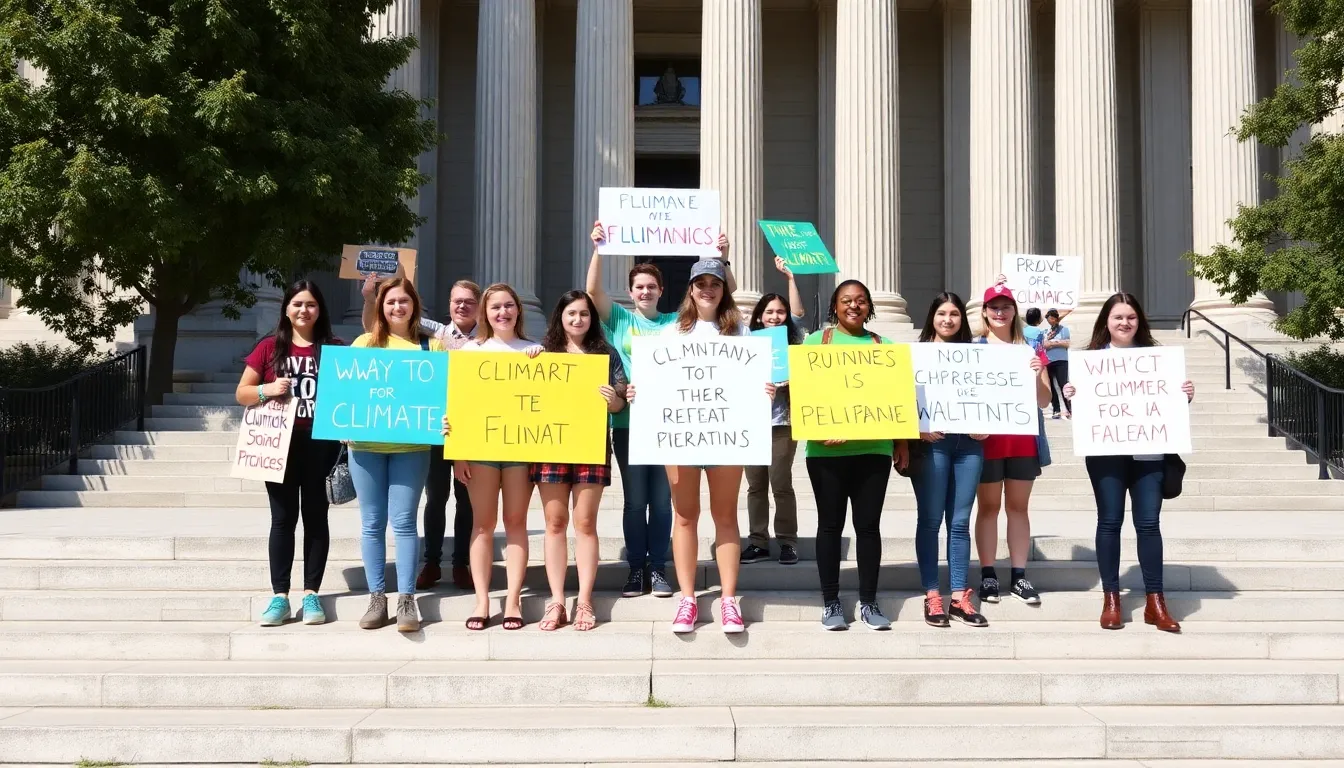
Frequently asked questions about the lawsuit
Future implications and key takeaways from the case
The ongoing legal battle initiated by the youths against former President Trump highlights the intersection of environmental policy and youth activism. As the case progresses, it raises critical questions about the role of government in addressing climate change and the rights of younger generations to seek legal recourse against policies perceived as harmful to their future. This situation may set a precedent for similar cases, influencing both legal frameworks and public discourse on environmental issues.
Moreover, the outcome of this case could serve as a catalyst for increased youth engagement in political and legal arenas, encouraging more individuals to advocate for sustainable practices and accountability from government leaders. As the legal landscape evolves, stakeholders should remain vigilant about the implications for environmental regulation and the empowerment of young voices in shaping policy.
- This case could inspire similar lawsuits from other youth-led organizations, broadening the scope of climate litigation.
- A ruling in favor of the plaintiffs may prompt policymakers to reconsider energy policies and their long-term environmental impacts.
- The case underscores the importance of civic engagement among younger generations, potentially leading to greater advocacy for climate action.
- Legal outcomes may influence public opinion and voter behavior regarding environmental issues in upcoming elections.
- Increased media attention on this case may elevate the urgency of climate change discussions in broader societal contexts.