
The issue gained significant attention in 2021 when the Delhi High Court was approached to reconsider the legality of marital rape. However, in a landmark ruling, the court upheld the existing laws, stating that the concept of consent within marriage is complex and deeply rooted in cultural norms. This decision has been met with criticism, highlighting the gap between legal frameworks and societal attitudes toward women’s rights in India. For more context on women’s rights issues in India, see India’s Supreme Court reviews women’s access to temples.
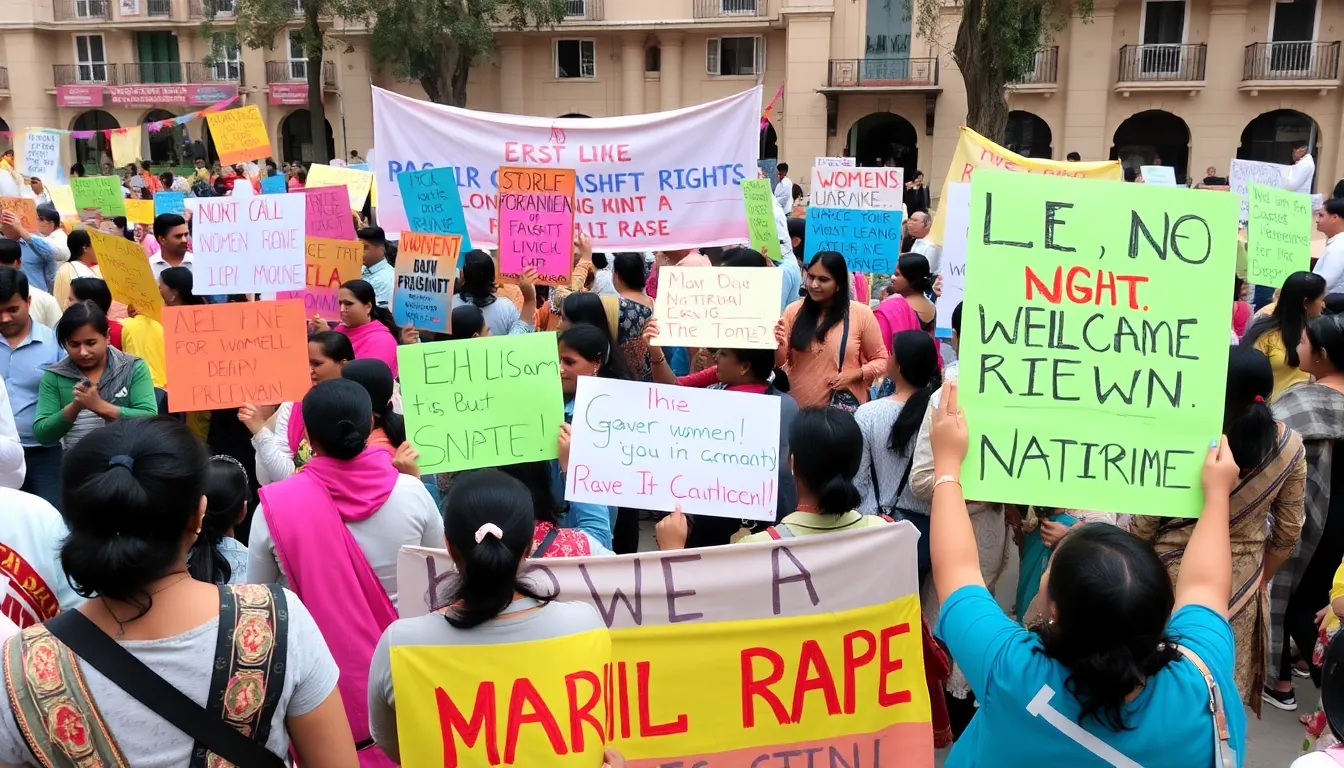
In recent months, various organizations have organized protests and campaigns aimed at raising awareness about the consequences of not criminalizing marital rape. Activists argue that the lack of legal protection perpetuates violence against women and undermines their autonomy. The ongoing discourse emphasizes the need for a shift in societal perceptions and legal recognition of consent within marriages.
The debate around marital rape is not only a legal issue but also a reflection of broader gender inequalities in India. With a significant portion of the population still adhering to traditional views on marriage, the challenge lies in balancing cultural beliefs with the imperative for women’s rights and safety. As discussions continue, the future of marital rape legislation in India remains uncertain, highlighting the urgent need for reform.
Exploring the historical context of marital rape laws in India
The issue of marital rape in India has deep-rooted historical and cultural dimensions that have shaped the legal landscape over the years. Traditionally, marriage has been viewed as a sacred institution, with women often seen as subservient to their husbands. This patriarchal mindset has influenced legal frameworks, resulting in a lack of recognition of marital rape as a crime. The Indian Penal Code, enacted in 1860, did not include marital rape as an offense, reflecting the societal norms of that era.
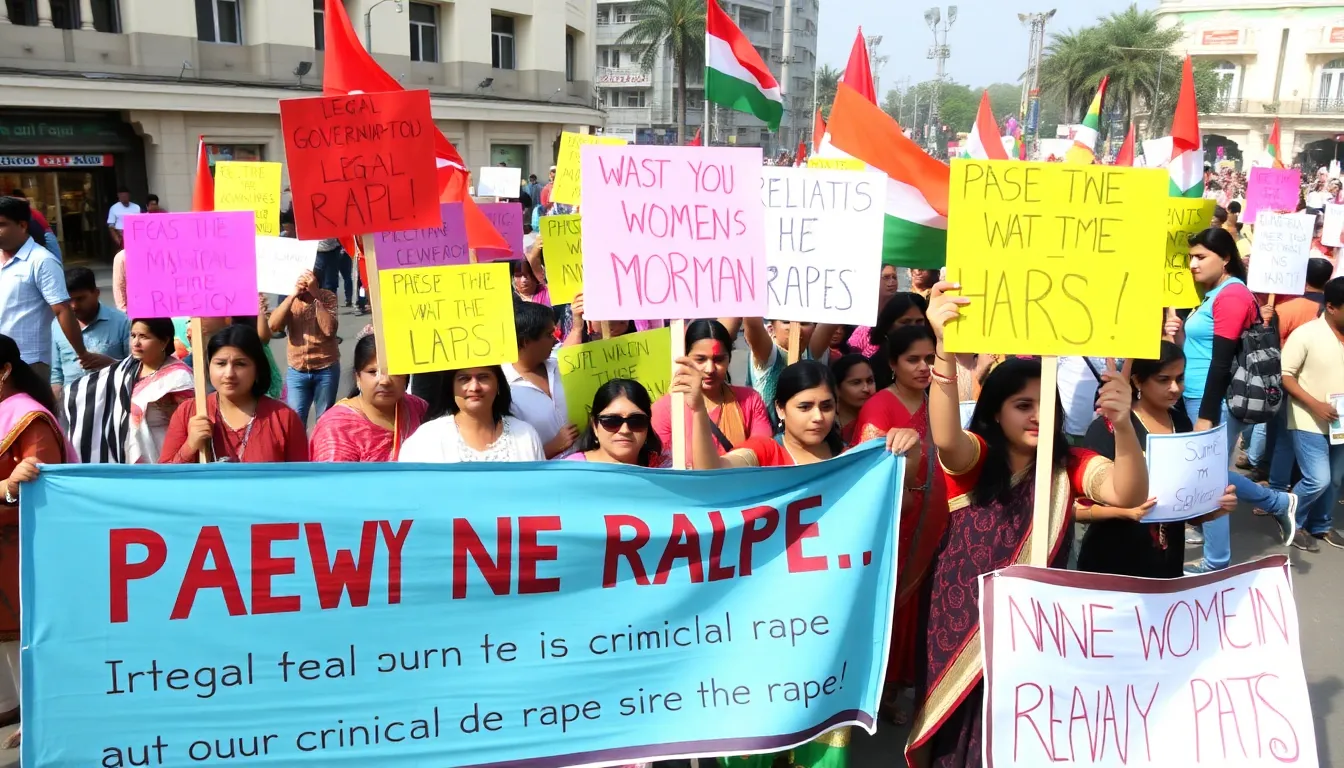
In the late 20th century, the women’s rights movement gained momentum, pushing for legal reforms to address gender-based violence. However, despite growing advocacy, the Indian government has consistently refrained from criminalizing marital rape, citing concerns over family integrity and the potential misuse of such laws. In 2017, the Supreme Court of India acknowledged the need for a debate on the issue but ultimately left it to the legislature to decide, highlighting the complex interplay between law, culture, and politics. This ongoing tension mirrors challenges faced in various sectors, similar to how AI companies navigate marketing strategies.
Key Milestones in the Legal Journey
Several key milestones have marked the journey toward addressing marital rape in India. In 2005, the Protection of Women from Domestic Violence Act was enacted, offering some legal recourse for women facing violence within marriage. However, it did not specifically address marital rape. Subsequent public outcries following high-profile cases of sexual violence, such as the 2012 Delhi gang rape incident, reignited discussions around women’s rights and safety, leading to the Justice Verma Committee recommendations, which included a call to criminalize marital rape.
Despite these developments, resistance persists, with arguments centered around the sanctity of marriage and the potential societal implications of criminalizing marital rape. As India grapples with these complex issues, the refusal to criminalize marital rape highlights the broader challenges of achieving gender equality and justice within the country. The ongoing debate continues to reflect the tensions between legal reform, cultural values, and the rights of women in India.
Analyzing the stakeholders involved in the marital rape debate
The debate surrounding the criminalization of marital rape in India involves a diverse array of stakeholders, each with distinct interests and perspectives. These actors include government bodies, women’s rights organizations, legal experts, and the general public. Understanding their roles and viewpoints is crucial to grasping the complexities of this issue.
On one side, the Indian government has been hesitant to criminalize marital rape, citing concerns about the potential implications for family structures and societal norms. This reluctance is influenced by traditional views on marriage and the belief that such matters should remain within the private sphere. The government’s stance reflects a broader cultural context that prioritizes familial integrity over individual rights.
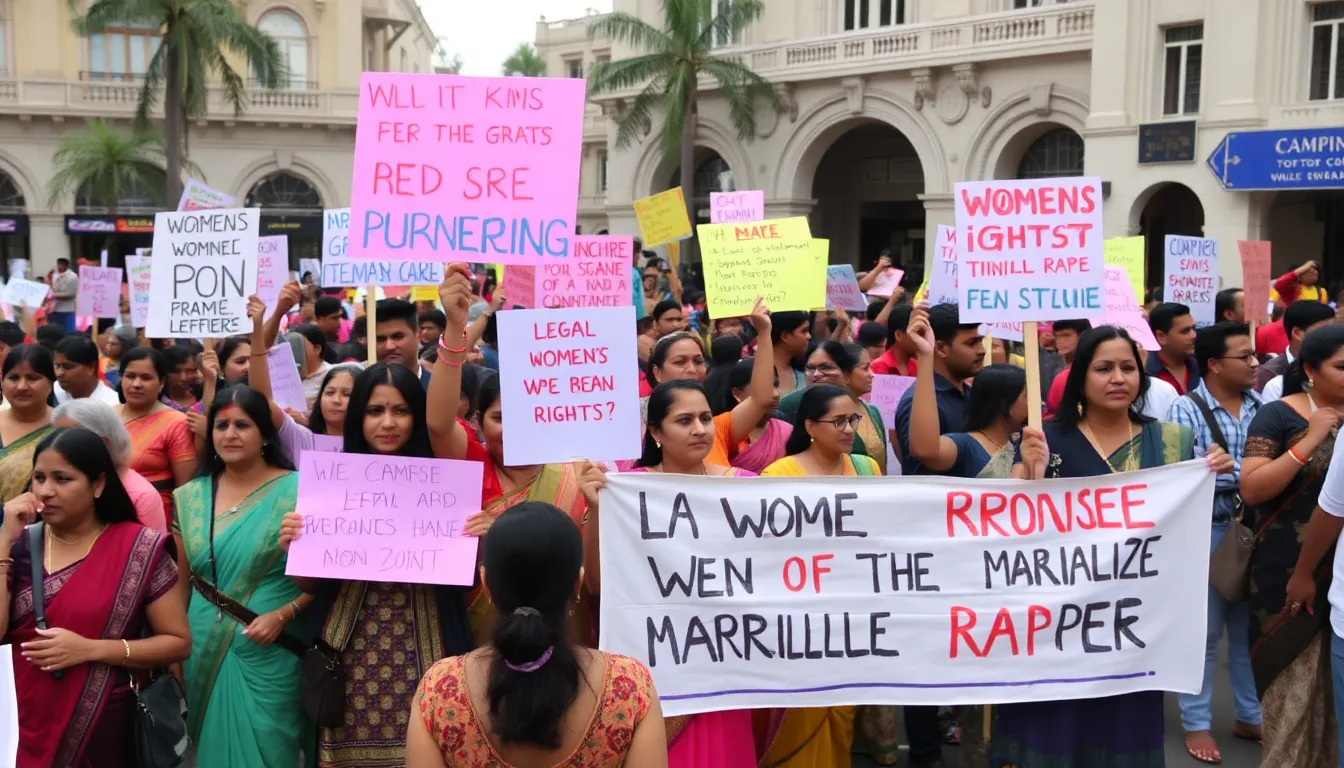
Conversely, women’s rights organizations and activists advocate for the recognition of marital rape as a criminal offense, arguing that it is a fundamental violation of human rights. They emphasize that consent is essential in all sexual relationships, including marriage. These groups highlight the need for legal protection to empower women and provide them with recourse against abuse, thereby challenging entrenched societal norms. The importance of such advocacy can also be seen in recent leadership changes, like how Susan Coyle made history as the first woman to lead the Australian army.
- The Indian Penal Code currently does not recognize marital rape, which creates a legal gray area for victims.
- Activists argue that failing to criminalize marital rape perpetuates gender inequality and violence against women.
- Opponents of criminalization often raise concerns about misuse of laws and the potential for false accusations.
- Legal experts point out that criminalizing marital rape could lead to significant changes in the judicial system and law enforcement practices.
- The public opinion on this issue remains divided, reflecting varying cultural beliefs and values across different regions of India.
As the debate continues, it is essential to consider the trade-offs involved. While the criminalization of marital rape could enhance women’s rights and safety, it may also provoke backlash from conservative factions that view such changes as a threat to traditional family values. The intersection of law, culture, and gender rights makes this issue particularly complex, requiring careful navigation by all stakeholders involved.
Assessing the impact on victims and society at large
The refusal to criminalise marital rape in India affects a wide range of groups, particularly women and marginalized communities. Victims of marital rape often face significant barriers to justice, including societal stigma and a lack of legal protection. This decision perpetuates an environment where domestic violence remains underreported and inadequately addressed, further entrenching gender inequality in society.
In the short term, the lack of legal recourse for victims can lead to increased instances of domestic violence, as perpetrators may feel emboldened by the absence of law. Women may experience heightened fear and anxiety in their personal lives, impacting their mental health and overall well-being. Additionally, businesses may see a rise in absenteeism as victims struggle to cope with the emotional and physical toll of their experiences.
In the mid-term, the ongoing normalization of marital rape could have broader societal implications. It may hinder progress towards gender equality, as the legal system fails to acknowledge the rights of women within marriage. This could lead to increased activism and advocacy for change, potentially influencing public policy and societal attitudes over time.
- Increased mental health issues: Victims may experience anxiety, depression, and trauma.
- Impact on workforce: Absenteeism and decreased productivity may rise as victims deal with personal crises.
- Activism opportunities: Advocacy groups may gain momentum, pushing for legal reforms and greater awareness.
- Public discourse: The issue may become a focal point in media and political discussions, influencing future policies.
While the decision poses significant risks to the well-being of individuals and the fabric of society, it also presents opportunities for advocacy and change. Increased public awareness and activism may ultimately lead to a push for legal reforms that protect victims and promote gender equality in the long run.
A: Marital rape refers to non-consensual sex between married partners. It is controversial because many societies traditionally view marriage as a consent to sexual relations, leading to legal and cultural debates. A: India’s refusal is rooted in cultural beliefs and the argument that criminalising it may undermine the institution of marriage, creating resistance among lawmakers. A: Victims may face social stigma, lack of legal recourse, and psychological trauma, which can perpetuate cycles of abuse and silence. A: The absence of criminalisation undermines women’s rights by failing to recognize their autonomy and ability to consent within marriage, reinforcing gender inequality. A: Yes, various women’s rights organizations and activists are advocating for legal reforms to criminalise marital rape, highlighting the need for change.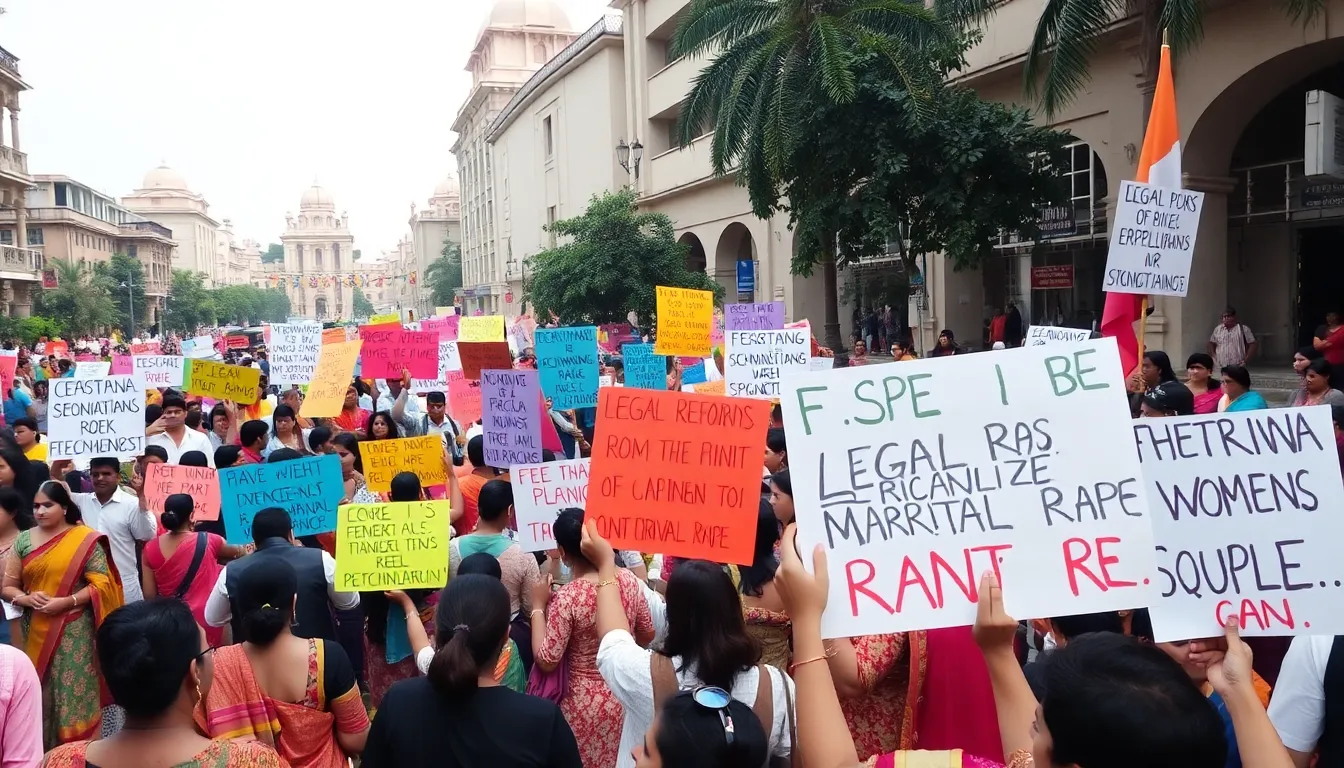
Frequently asked questions about marital rape in India
Key takeaways and future outlook on marital rape legislation
The refusal to criminalise marital rape in India highlights the complex interplay between cultural norms, legal frameworks, and women’s rights. This decision not only affects the immediate legal landscape but also has broader implications for societal attitudes towards consent and gender equality. As advocates continue to push for reform, the discourse surrounding marital rape will likely evolve, influencing public perception and policy in the years to come.
Monitoring the ongoing debates and potential legislative changes will be crucial. The conversation around marital rape is likely to gain momentum, with increasing awareness and advocacy efforts challenging traditional views. Stakeholders, including policymakers, activists, and the general public, must remain engaged to foster a more equitable legal framework.
- Increased activism may lead to renewed discussions on women’s rights and consent in marital relationships.
- Legal challenges and public campaigns could push for a reevaluation of existing laws regarding marital rape.
- International pressure and comparisons with other countries may influence India’s stance on this issue.
- Changing societal attitudes towards gender roles may create a more supportive environment for victims of marital rape.
- Future legal reforms could incorporate comprehensive education on consent and healthy relationships in schools.