
Coyle’s appointment comes at a time when the Australian Defence Force is striving to enhance diversity and inclusion within its ranks. With over 30 years of service, she brings extensive experience and a proven track record in leadership positions, which will be crucial as she navigates the challenges facing the Army today. This historic moment reflects broader societal changes regarding gender roles in armed forces globally.
This pivotal moment not only sets a precedent for future generations of female leaders in the military but also serves as an inspiration for women across all sectors. Coyle’s leadership is expected to influence policy changes and promote a more inclusive environment within the Defence Force, particularly in light of recent advancements towards gender equality.
The significance of this appointment extends beyond the military sphere, as it underscores the importance of representation in leadership roles. As Australia continues to address issues of gender inequality, Coyle’s rise to command may catalyze further discussions on women’s contributions in various fields, aligning with ongoing efforts to promote diversity across sectors.
Understanding the significance of women in military leadership roles
The appointment of Susan Coyle as the first woman to lead the Australian Army marks a pivotal moment in the history of military leadership in Australia and reflects broader social changes regarding gender roles in armed forces globally. Historically, military leadership has been dominated by men, with women often relegated to support roles. However, the increasing recognition of women’s capabilities and contributions has led to a gradual shift in this paradigm.
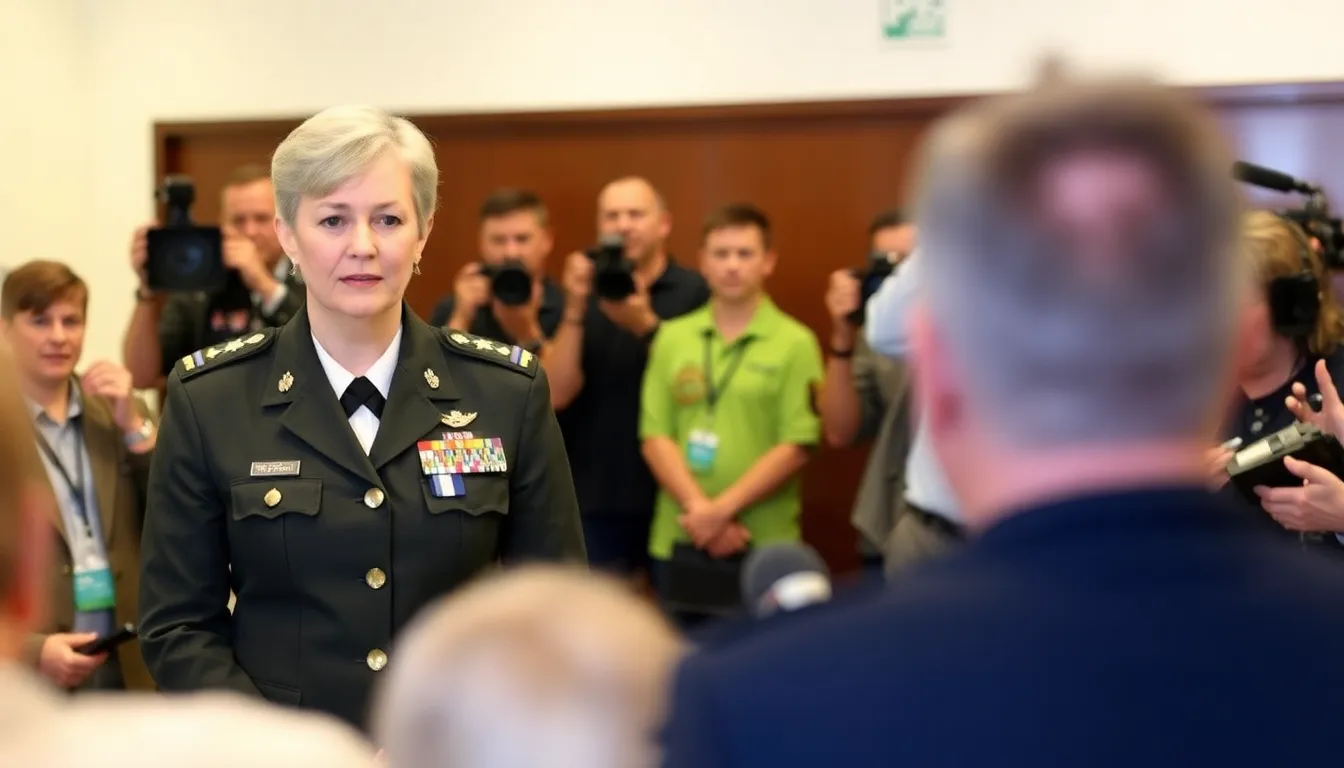
In Australia, the integration of women into the military began in the early 20th century, with women serving in various capacities during both World Wars. Over the decades, legislative changes and societal attitudes have evolved, allowing women to take on more significant roles within the military. The removal of restrictions on women serving in combat positions in the late 20th century was a crucial milestone that paved the way for future leadership opportunities.
Key milestones in women’s military leadership
Several key milestones have marked the journey of women in military leadership roles. In 2011, the Australian Defence Force (ADF) lifted the ban on women serving in combat roles, which was a significant step towards gender equality in the military. Following this, women began to ascend to higher ranks, with notable figures such as Major General Cheryl Pearce and Rear Admiral Amanda French breaking barriers in their respective fields. These advancements have set a precedent, demonstrating that women can successfully lead and command within the military structure.
The appointment of Susan Coyle not only symbolizes the culmination of these efforts but also serves as an inspiration for future generations of women aspiring to leadership roles in the military and beyond. It highlights the ongoing commitment of the ADF to embrace diversity and inclusivity, recognizing that effective leadership is not defined by gender but by capability and vision.
As Australia continues to navigate complex geopolitical landscapes, the inclusion of women in leadership positions within the military is essential for fostering a more adaptable and resilient defense force. Susan Coyle’s historic appointment is a testament to the progress made and a reminder of the work that still lies ahead in achieving true equality within military ranks.
Key stakeholders and implications of Coyle’s leadership
The appointment of Susan Coyle as the first woman to lead the Australian Army marks a significant milestone not only for gender equality in the military but also for the broader societal perceptions of leadership roles. This historic moment involves various stakeholders, including the Australian Government, the Australian Defence Force (ADF), women’s advocacy groups, and the general public.
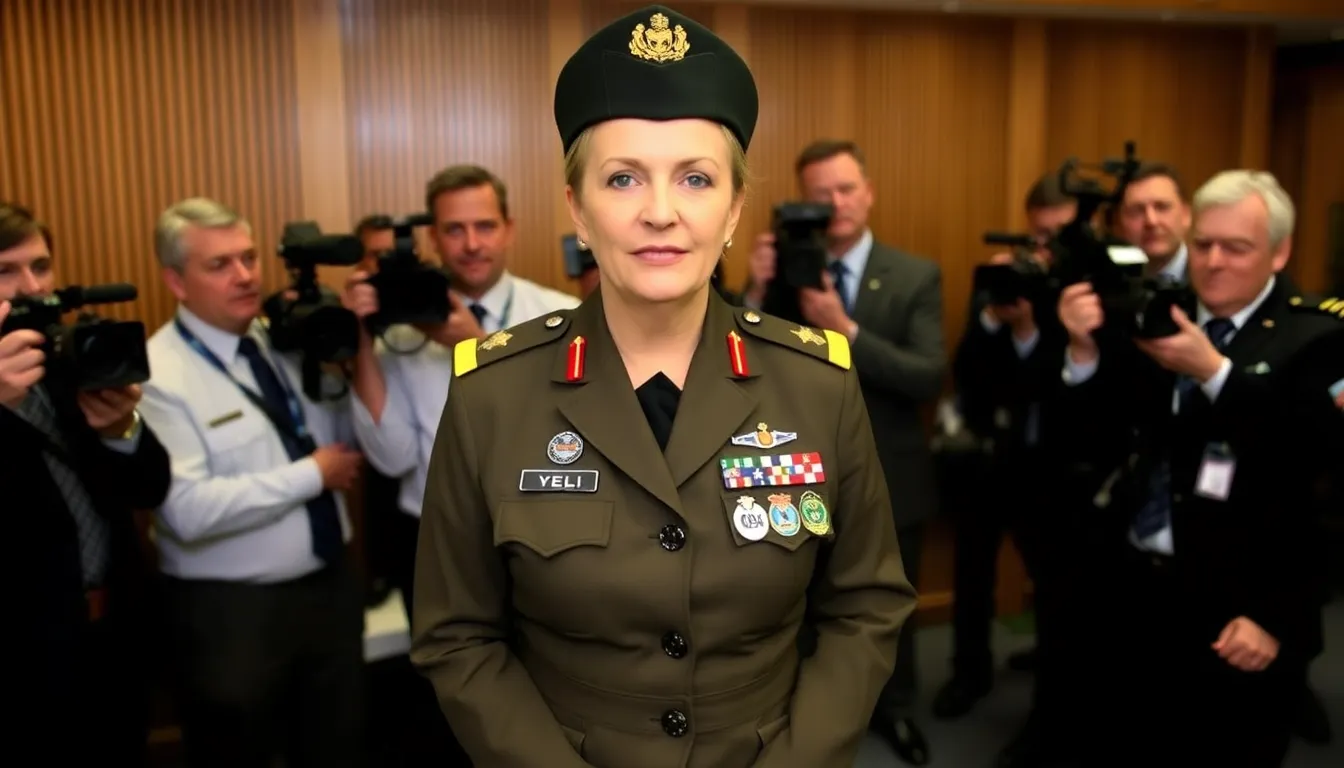
One of the primary stakeholders is the Australian Government, which has a vested interest in promoting diversity and inclusion within its armed forces. By supporting Coyle’s appointment, the government aims to enhance its image as a progressive entity committed to equality, potentially influencing recruitment and retention rates within the ADF.
Another key actor is the Australian Defence Force itself, which must navigate the implications of this leadership change. Coyle’s leadership could bring about shifts in military culture, operational strategies, and training programs to better reflect a diverse workforce. However, this transition may also face resistance from traditionalists within the ranks who may be skeptical of a woman in a top military position.
- Gender Equality: Coyle’s leadership may inspire more women to pursue careers in the military, addressing longstanding gender imbalances.
- Operational Changes: Her leadership style may introduce new perspectives on military operations and personnel management.
- Cultural Shifts: The ADF may experience a cultural transformation that prioritizes inclusivity and collaboration.
- Public Perception: This appointment could reshape public attitudes towards women in leadership roles across various sectors.
- International Relations: Coyle’s leadership may enhance Australia’s standing in international military collaborations, particularly regarding gender representation.
Women’s advocacy groups are also pivotal stakeholders, as they view Coyle’s appointment as a victory in the fight for gender equality. Their support can amplify the significance of this moment and lead to increased pressure on the government and military to continue advancing women’s rights within the armed forces.
In conclusion, while Coyle’s appointment is celebrated as a historic achievement, it also brings forth various conflicts and trade-offs. Balancing traditional military values with a push for modernization and inclusivity will be crucial as the Australian Army navigates this new chapter under her leadership.
The potential impact on the Australian army and society
The appointment of Susan Coyle as the first woman to lead the Australian army marks a significant milestone not only for the military but also for society at large. This historic moment is expected to resonate across various groups, including women in the armed forces, military families, and the broader community advocating for gender equality.
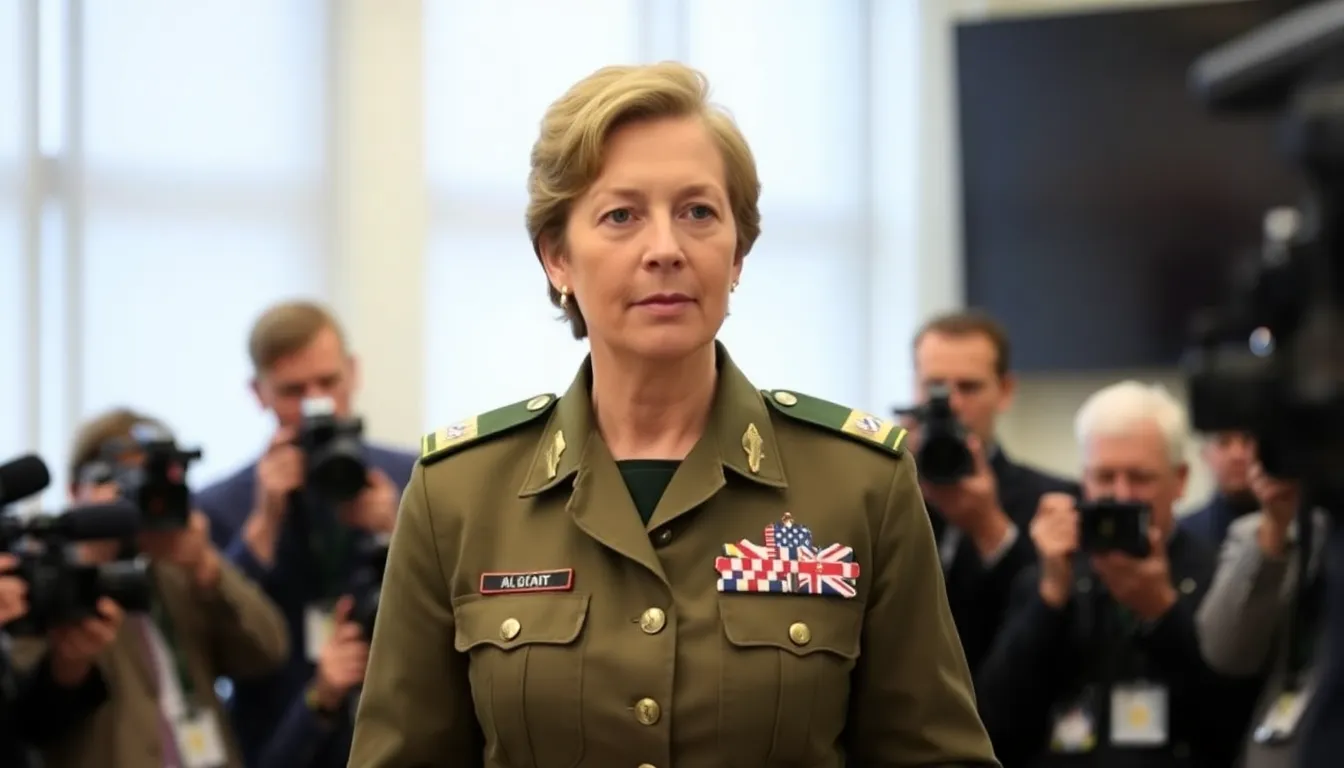
In the short term, Coyle’s leadership may inspire a surge in recruitment of women into the Australian Defence Force (ADF). This could lead to a more diverse and inclusive military environment, enhancing team dynamics and operational effectiveness. Additionally, her appointment may prompt discussions around policy reforms aimed at further integrating women into leadership roles within the military and other sectors.
Mid-term impacts could include a shift in public perception regarding women’s capabilities in leadership positions, potentially influencing other industries to promote gender diversity. As a role model, Coyle may initiate programs that focus on mentorship and career development for women, fostering a new generation of female leaders in various fields.
- Increased recruitment: More women may consider military careers.
- Policy reforms: Potential changes in military policies to support gender equality.
- Public perception: Shift towards greater acceptance of women in leadership roles.
- Mentorship opportunities: Development of programs aimed at empowering women.
However, there are risks associated with this transition. Resistance from traditionalists within the military and society may pose challenges to Coyle’s initiatives. Additionally, if her leadership does not yield the expected changes, it could reinforce negative stereotypes about women’s leadership capabilities. Nevertheless, the potential for positive change remains significant, offering a unique opportunity to reshape the narrative around women in the military and beyond.
A: Susan Coyle is a senior officer in the Australian army who has recently been appointed as its first female leader, breaking longstanding gender barriers. A: Coyle’s appointment is seen as a significant step towards gender equality in the military, inspiring more women to pursue leadership roles. A: The military has expressed strong support for Coyle, highlighting her qualifications and the importance of diverse leadership. A: Coyle may face challenges related to traditional gender roles and expectations, but her leadership skills will be crucial in overcoming these hurdles. A: Expectations include fostering inclusivity, enhancing operational effectiveness, and continuing to advance the role of women in the army.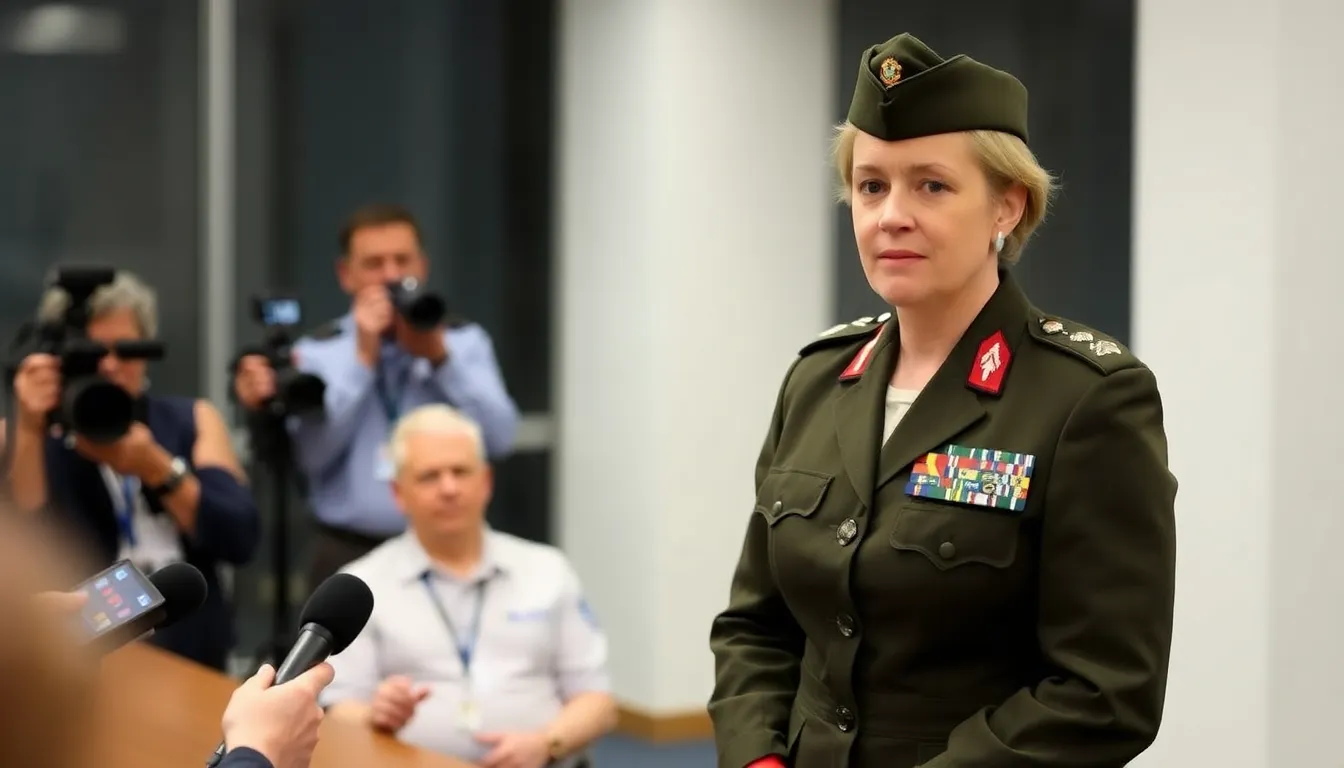
Frequently asked questions about Susan Coyle’s appointment
Looking ahead: the future of military leadership in Australia
The appointment of Susan Coyle as the first woman to lead the Australian Army marks a pivotal moment in the evolution of military leadership in the country. This historic decision not only breaks gender barriers but also signifies a broader commitment to diversity and inclusion within the armed forces. As the Army embarks on this new chapter, the implications of this leadership change will resonate across various facets of military operations, culture, and public perception.
Moving forward, it will be crucial to observe how Coyle’s leadership style influences strategic decision-making and fosters a more inclusive environment within the ranks. The Australian Army’s adaptability in integrating diverse perspectives may enhance operational effectiveness and community relations, setting a precedent for future leadership appointments across the military and beyond.
- The potential for enhanced recruitment and retention of diverse talent within the military.
- Increased focus on leadership development programs that emphasize inclusivity and collaboration.
- Greater public engagement and transparency in military operations under Coyle’s leadership.
- Opportunities for policy reforms that support gender equality and diversity initiatives in the armed forces.
- Monitoring the impact of this leadership change on international military collaborations and relations.