
Recent reports indicate that these activities have been observed near the Spratly Islands, a contested area where both the Philippines and China have claimed sovereignty. The Philippine Bureau of Fisheries and Aquatic Resources (BFAR) has warned that the use of cyanide not only endangers fish populations but also disrupts the entire marine ecosystem. Such practices are illegal under both Philippine law and international conventions aimed at protecting marine resources.
The issue has sparked outrage among environmental groups and local fishermen, who rely on healthy fish stocks for their livelihoods. In response, the Philippine government has called for international support to address the environmental violations and uphold maritime laws. The situation highlights the broader implications of illegal fishing practices and the need for cooperative efforts in managing shared marine resources.
As the Philippines continues to navigate its relationship with China, this incident underscores the urgent need for stronger enforcement of environmental protections in the region. The potential ecological damage from cyanide dumping could have long-lasting effects, not only on local fisheries but also on the overall health of the South China Sea, a vital area for biodiversity and global trade.
Understanding the historical tensions in the South China Sea
The South China Sea has long been a focal point of geopolitical tensions, particularly between China and its neighboring countries, including the Philippines. This region is not only rich in natural resources but also serves as a critical maritime route for global trade. The historical backdrop of these tensions can be traced back to colonial times when various powers laid claim to territories in the region, sowing the seeds of conflict that persist today.
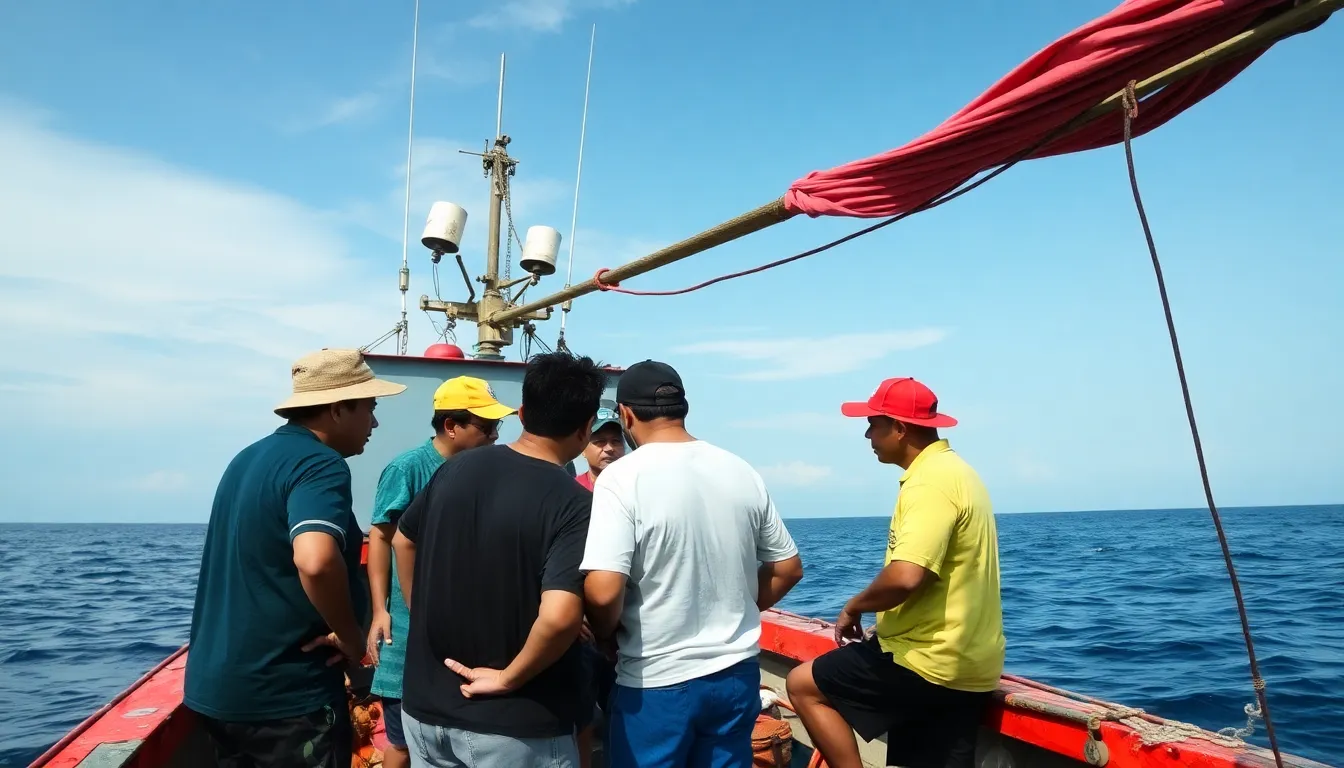
In the late 20th century, the discovery of vast oil and gas reserves in the South China Sea intensified these disputes. The Philippines, along with other Southeast Asian nations, has been asserting its rights over parts of the sea, particularly the Spratly Islands, which are also claimed by China. The situation escalated further in 2016 when an international tribunal ruled in favor of the Philippines, rejecting China’s expansive claims based on the “nine-dash line.” However, China has continued to assert its sovereignty, leading to ongoing confrontations at sea.
Environmental Concerns and Illegal Fishing
In addition to territorial disputes, environmental degradation in the South China Sea has become a pressing issue. Reports of illegal fishing practices, including the use of destructive methods such as cyanide, have raised alarms among environmentalists and local communities. The Philippine government has accused Chinese fishermen of not only depleting fish stocks but also damaging coral reefs, which are vital for marine biodiversity. This environmental crisis adds another layer to the already complex political landscape, as local livelihoods are threatened by the actions of foreign fishermen, as discussed in another article about regional tensions.
Recent incidents, such as the alleged dumping of cyanide by Chinese fishermen, have prompted the Philippine government to take a firmer stance against illegal fishing activities. These events highlight the intersection of environmental, economic, and political factors in the South China Sea, underscoring the urgent need for cooperative management of marine resources and a resolution to the ongoing territorial disputes.
Examining the stakeholders involved in the cyanide dumping allegations
The recent accusations made by the Philippines against Chinese fishermen regarding the dumping of cyanide in the South China Sea have sparked significant concern among various stakeholders. The primary actors in this situation include the governments of the Philippines and China, environmental organizations, local fishing communities, and international regulatory bodies.
The Philippine government is primarily motivated by the need to protect its marine resources and ensure the sustainability of its fishing industry. This concern is heightened by the potential long-term environmental damage caused by cyanide, which not only affects fish populations but also the livelihoods of local fishermen. The Philippines is also under pressure to assert its sovereignty over the contested waters of the South China Sea, making this issue particularly sensitive.
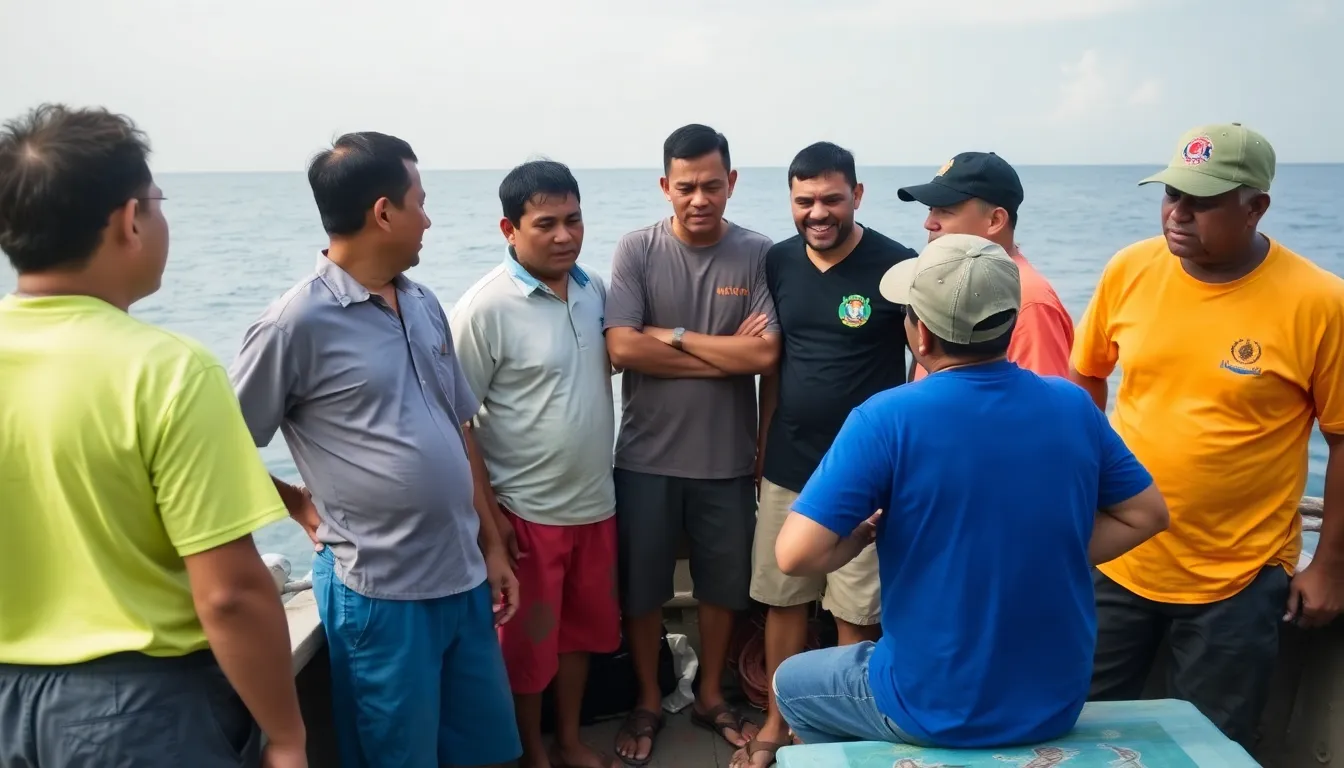
On the other hand, the Chinese government has vested interests in the region, including access to rich fishing grounds and natural resources. The allegations could strain diplomatic relations between the two nations, complicating ongoing discussions about territorial claims and maritime rights. Additionally, China may face pressure from its own fishing communities, which rely on the South China Sea for their livelihoods.
Environmental organizations and advocacy groups are also key stakeholders, as they aim to raise awareness about the ecological impact of such practices. They may push for stricter regulations and enforcement against illegal fishing and pollution, emphasizing the need for international cooperation to address these issues. The involvement of these organizations highlights the broader implications of the cyanide dumping allegations on marine biodiversity and ecosystem health.
- Environmental Impact: The use of cyanide poses serious threats to marine life and biodiversity.
- Economic Consequences: Damage to fish populations can lead to economic losses for local fishing communities.
- Diplomatic Tensions: The allegations may exacerbate existing tensions between the Philippines and China over territorial disputes.
- Regulatory Challenges: The need for effective enforcement of fishing regulations and international agreements.
- Community Response: Local fishermen’s reactions and their role in advocating for sustainable practices.
Potential environmental and economic impacts on local communities
The recent accusations by the Philippines against Chinese fishermen for dumping cyanide in the South China Sea have raised significant concerns for various groups, particularly local fishing communities, environmental organizations, and the tourism sector. These stakeholders are directly affected by the potential degradation of marine ecosystems, which are vital for their livelihoods and the overall health of the region.
Local fishermen, who rely on the rich biodiversity of the South China Sea, may face immediate declines in fish stocks due to the toxic effects of cyanide on marine life. This could lead to reduced catches, impacting their income and food security. In the short term, communities may experience increased economic hardship as fish populations dwindle, leading to higher prices for seafood and potential job losses in the fishing industry.
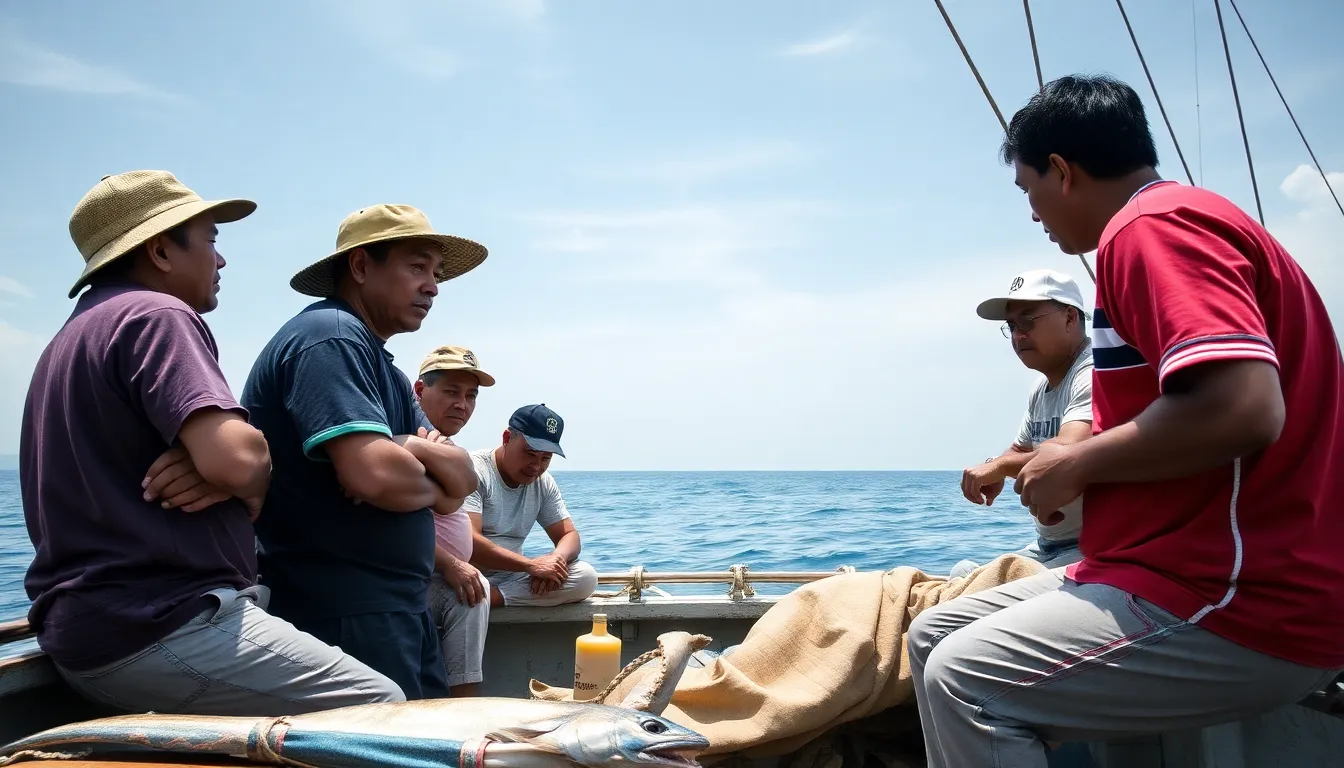
In the mid-term, the environmental consequences could extend beyond local fishing communities. The tourism industry, which thrives on the natural beauty and biodiversity of the region, may suffer as coral reefs and marine habitats become damaged. Tourists may be deterred from visiting affected areas, leading to a decline in revenue for local businesses that depend on tourism.
Moreover, the incident could prompt policy changes at both national and international levels. The Philippine government may strengthen regulations regarding fishing practices and environmental protection, potentially leading to increased enforcement and monitoring. This could create opportunities for sustainable fishing practices and eco-tourism initiatives, which may benefit local communities in the long run.
- Decline in fish stocks affecting local livelihoods
- Increased economic hardship for fishermen
- Negative impact on tourism and local businesses
- Potential for new regulations promoting sustainable practices
- Opportunities for eco-tourism and conservation efforts
A: The Philippines claims to have gathered reports and testimonies from local fishermen and environmental groups regarding the dumping of cyanide. A: Cyanide is highly toxic and can cause severe damage to marine ecosystems, leading to loss of biodiversity and harming local fisheries. A: China has denied the allegations, asserting that its fishermen operate within legal frameworks and adhere to environmental regulations. A: The Philippines may pursue diplomatic channels, seek international support, or enhance surveillance in the contested waters to protect its marine resources. A: This incident could exacerbate tensions between the Philippines and China, impacting regional stability and international relations in the South China Sea.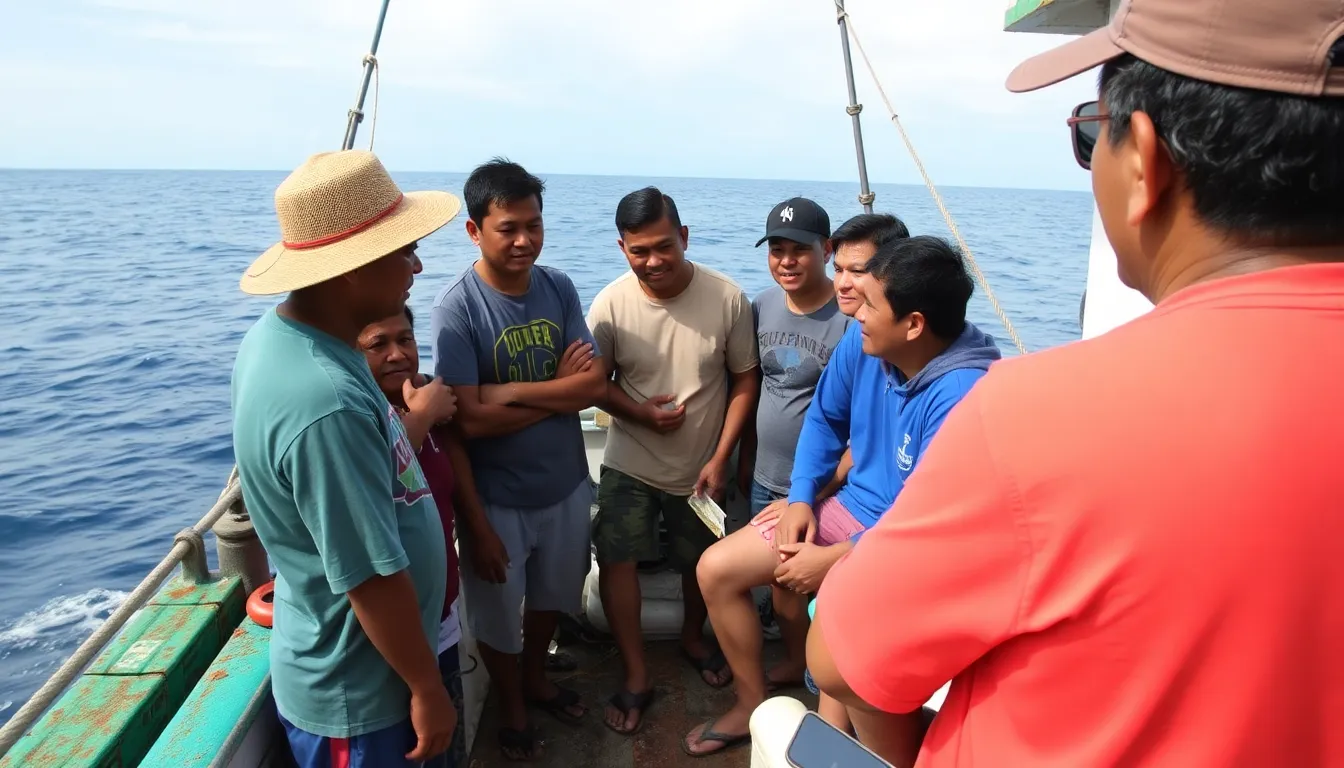
Frequently asked questions about the cyanide dumping issue
Key takeaways and future implications of the allegations
The allegations made by the Philippines against Chinese fishermen regarding the dumping of cyanide in the South China Sea highlight significant environmental and geopolitical concerns. This incident underscores the ongoing tensions in the region and raises questions about the enforcement of maritime laws and the protection of marine ecosystems. As both nations navigate their complex relationship, the implications of these actions could extend beyond immediate environmental damage, impacting diplomatic relations and regional stability.
Monitoring the response from both governments and international bodies will be crucial in understanding the broader ramifications of these allegations. The situation presents an opportunity for dialogue and collaborative efforts towards sustainable fishing practices and environmental protection in the contested waters.
- Increased scrutiny on fishing practices in the South China Sea may lead to more stringent regulations and enforcement actions.
- Heightened diplomatic tensions could prompt regional allies to take a more active role in mediating disputes between the Philippines and China.
- International environmental organizations may become more involved, advocating for the protection of marine biodiversity in the region.
- Potential for economic repercussions for Chinese fishermen if allegations lead to sanctions or restrictions on fishing activities.
- Public awareness and activism regarding environmental issues in the South China Sea may rise, influencing policy changes and international cooperation.