
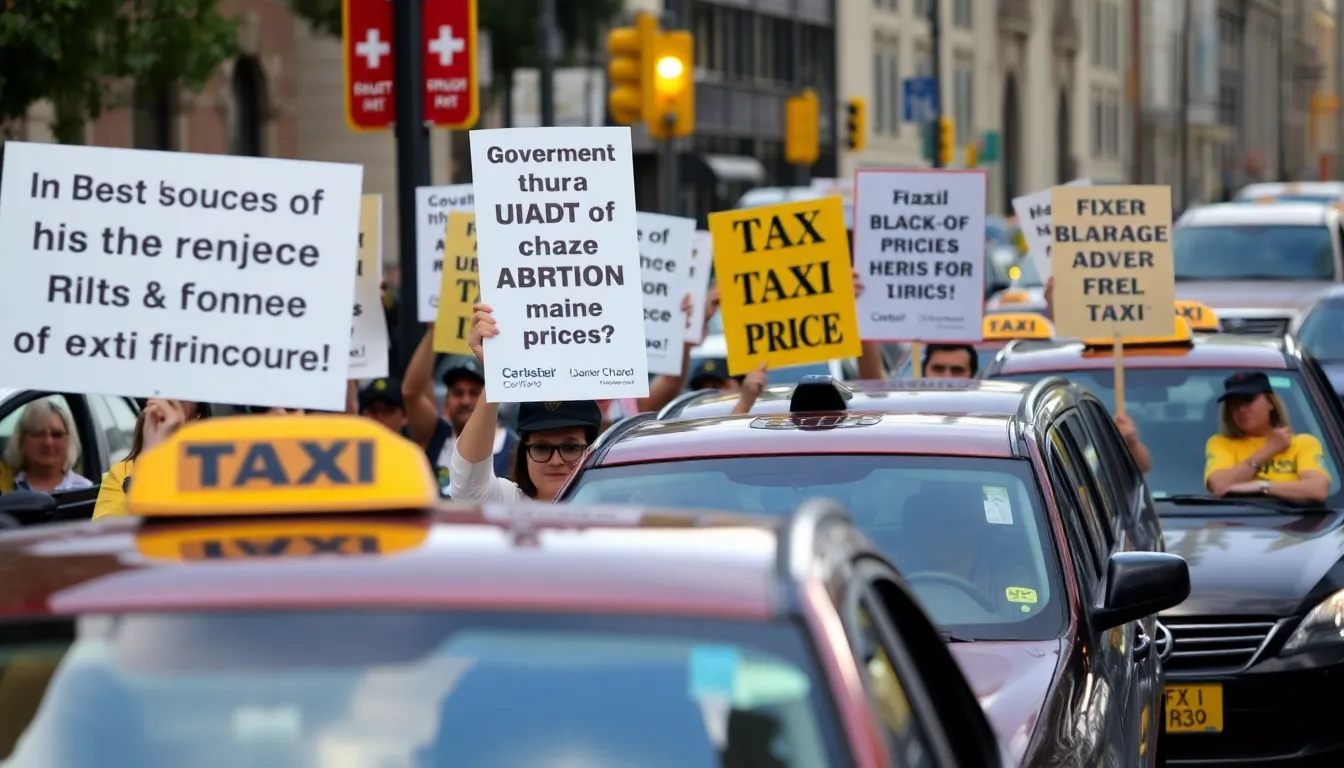
In recent weeks, protests have erupted across major cities, with taxi drivers demanding government intervention to stabilize fuel prices. The South’s taxi unions have organized strikes, arguing that without immediate action, many drivers will be forced out of business. Meanwhile, agricultural representatives are voicing concerns that the crisis could lead to food supply shortages if farmers cannot afford to operate their equipment, as highlighted in related discussions.
Key stakeholders, including government officials and industry leaders, are currently in discussions to address the crisis. The Ministry of Transportation has scheduled a meeting for November 1, 2023, to explore potential subsidies or price controls. However, the effectiveness of these measures remains uncertain, and both taxi drivers and farmers are anxious about the future.
This situation is crucial as it not only affects the livelihoods of those directly involved but also has broader implications for the economy and food security in the south. The interdependence of transportation and agriculture means that disruptions in one sector can lead to cascading effects in others, potentially impacting consumers as well.
Exploring the background of the fuel crisis in the southern regions
The fuel crisis in the southern regions has deep historical roots, influenced by a combination of political decisions, economic factors, and social dynamics. Over the past few decades, the reliance on fossil fuels has intensified, with both the transportation sector and agricultural industries heavily dependent on affordable fuel. This dependency has created a precarious balance, where fluctuations in fuel prices can have devastating effects on the livelihoods of taxi drivers and farmers alike.
Historically, the southern regions have faced challenges related to fuel supply and pricing. In the early 2000s, government policies aimed at liberalizing the fuel market led to increased competition among fuel suppliers. However, this competition did not always translate into lower prices for consumers, particularly for those in rural areas where access to fuel is limited. Farmers, who rely on fuel for machinery and transportation, began to feel the pinch as costs rose, leading to protests and demands for government intervention.
Political Decisions and Their Impact
Political decisions have played a significant role in shaping the fuel landscape. In recent years, subsidy cuts aimed at reducing government expenditure have resulted in higher fuel prices across the board. This has disproportionately affected taxi drivers, who operate on thin profit margins and are unable to pass on costs to consumers. The resulting unrest has sparked a series of strikes and demonstrations, highlighting the urgent need for a balanced approach to fuel pricing that considers the needs of both the agricultural sector and transportation sectors.
Additionally, the global fuel market’s volatility has compounded these issues. Events such as geopolitical tensions, natural disasters, and shifts in oil production have all contributed to sudden spikes in fuel prices. Farmers and taxi drivers in the south find themselves at the mercy of these external factors, often leading to a cycle of economic hardship and social unrest. As the situation evolves, it becomes clear that addressing the fuel crisis requires not only immediate solutions but also a long-term strategy that considers the interconnectedness of these sectors.
Analyzing the key stakeholders and issues at play
The ongoing fuel crisis in the southern regions has created a complex web of interests involving various stakeholders. Among the primary actors are taxi drivers, farmers, fuel suppliers, and local governments. Each group has distinct motivations and concerns that shape their responses to the crisis.
Taxi drivers, who rely heavily on fuel for their livelihood, are facing increased operational costs due to rising fuel prices. Their primary interest lies in securing affordable fuel to maintain their income levels and provide reliable transportation services to the community. However, as costs rise, many drivers are experiencing financial strain, leading to potential protests and calls for government intervention.

Farmers, on the other hand, are grappling with the dual pressures of fuel costs and the need to transport their goods to market. The agricultural sector is particularly sensitive to fuel price fluctuations, as they directly impact production costs and, ultimately, food prices. Farmers are advocating for subsidies or price controls to alleviate their financial burden, which may lead to conflicts with fuel suppliers and local government policies.
- Conflict over resources: Taxi drivers and farmers are competing for limited fuel supplies, leading to tensions between the two groups.
- Government intervention: Local governments are caught in the middle, facing pressure to address the crisis while balancing the needs of different stakeholders.
- Economic implications: Rising fuel costs may lead to increased prices for goods and services, affecting the overall economy in the region.
- Legal challenges: Potential legal issues may arise if protests escalate, particularly if taxi drivers seek to block access to fuel stations.
- Long-term sustainability: The crisis highlights the need for a more sustainable energy policy that considers the interests of all stakeholders.
As these stakeholders navigate the current crisis, the interplay of their interests will be critical in determining the outcomes. The situation underscores the importance of dialogue and negotiation to reach solutions that address the needs of all parties involved.
Assessing the impact on local economies and communities
The ongoing fuel crisis in the south is significantly affecting various groups, particularly taxi drivers and farmers. These sectors rely heavily on fuel for their daily operations, and rising prices or shortages can lead to severe disruptions. Taxi drivers face increased operational costs, which may lead to higher fares for passengers, while farmers struggle with transporting their goods to markets, impacting their profitability and food supply chains, drawing parallels with the challenges faced in other regions.
In the short term, both taxi services and agricultural operations are experiencing immediate challenges. Taxi drivers are forced to choose between absorbing the costs or passing them on to consumers, which could reduce ridership. Farmers, on the other hand, may have to delay harvesting or reduce their output, leading to potential food shortages in local markets. This situation creates a ripple effect, affecting not just these industries but also consumers who rely on their services.
In the mid-term, the fuel crisis could prompt policy discussions around energy alternatives and support for affected industries. Local governments might consider subsidies or fuel price regulations to alleviate the burden on taxi drivers and farmers. Additionally, there may be a push for more sustainable practices and investments in electric vehicles for taxis and more efficient farming methods.

- Increased operational costs: Taxi drivers and farmers face higher expenses that could lead to increased prices for consumers.
- Disrupted supply chains: Farmers may struggle to deliver produce, affecting local food availability.
- Policy shifts: Potential for government intervention and support initiatives to stabilize affected sectors.
- Opportunities for innovation: The crisis may accelerate the adoption of alternative energy sources and technologies in transportation and agriculture.
While the challenges are significant, there are also opportunities for growth and adaptation. The crisis may encourage local communities to invest in renewable energy solutions, enhancing resilience against future disruptions. Furthermore, collaboration between taxi services and farmers could lead to innovative logistics solutions that benefit both sectors, fostering a stronger local economy in the long run.
A: The fuel crisis is primarily due to supply chain disruptions, rising global oil prices, and local production challenges that have led to shortages. A: Taxis are facing increased operational costs due to higher fuel prices, which may lead to fare hikes and reduced availability of services. A: Farmers are struggling with increased costs for fuel needed for machinery and transportation, which impacts their overall productivity and profitability. A: Yes, local governments are exploring subsidies and support programs to help both taxi operators and farmers cope with the rising fuel costs. A: Consumers can support local farmers by purchasing directly from them and using taxi services that are struggling due to the crisis.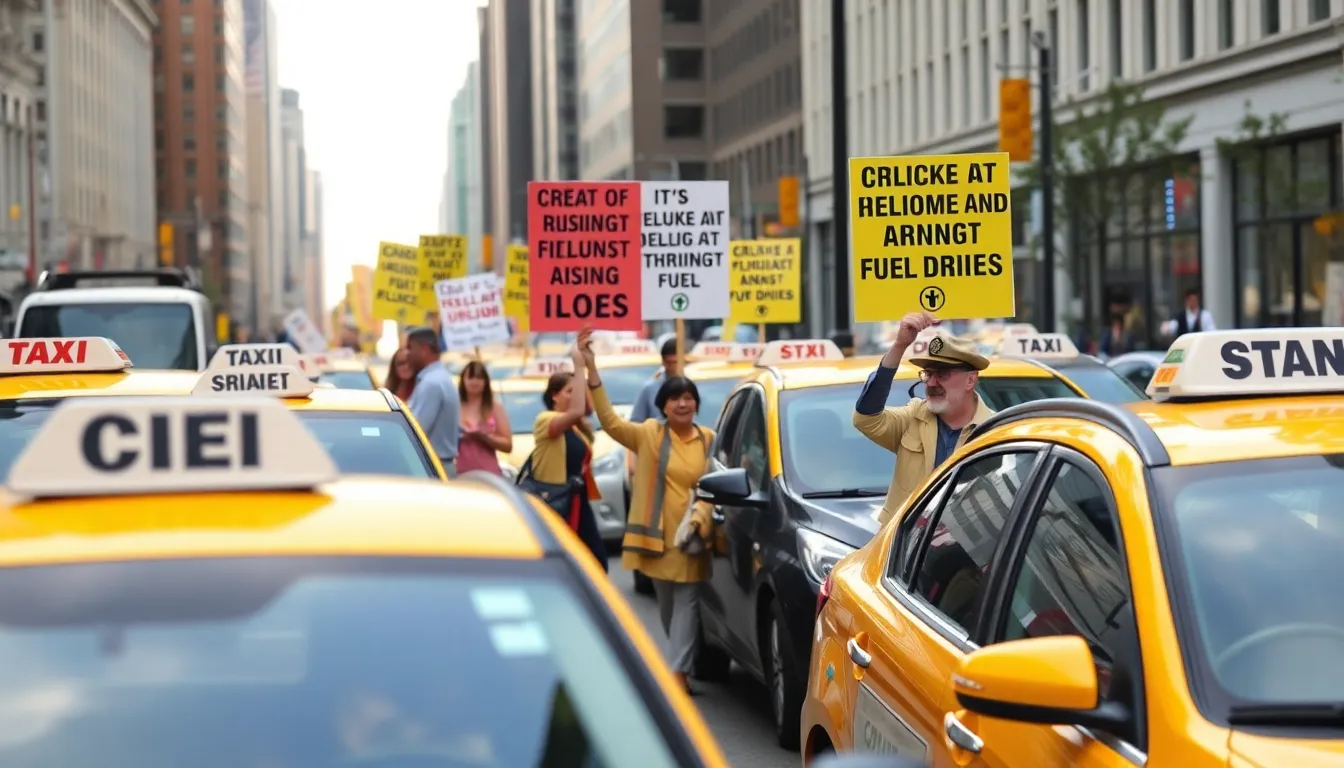
Frequently asked questions about the fuel crisis
Key insights and future outlook on the fuel crisis
The ongoing fuel crisis has highlighted the intricate relationship between various sectors, particularly taxis and agriculture. As fuel prices continue to rise, both taxi drivers and farmers face mounting pressures that could reshape their operations and the broader economy in the south. The immediate effects are evident, but the long-term implications may lead to significant changes in consumer behavior, transportation logistics, and agricultural practices.
Monitoring these developments will be crucial as stakeholders adapt to the evolving landscape. The potential for innovation in fuel alternatives and shifts in policy could provide new opportunities, while the challenges of rising costs may necessitate a reevaluation of existing business models.
- Watch for potential protests or strikes from taxi drivers advocating for fare increases or government intervention.
- Farmers may explore alternative energy sources or more efficient farming techniques to mitigate rising fuel costs.
- Consumer spending patterns could shift as transportation costs rise, impacting local economies.
- Policy responses from local governments will be critical in addressing the immediate needs of affected sectors.
- Increased collaboration between farmers and transport services may emerge as a strategy to optimize logistics and reduce costs.