
This has led to increased traffic and interest in the economic dynamics of fuel sales on Native American territories.
The situation underscores the complex relationship between Indigenous communities and surrounding non-Indigenous populations, particularly in terms of economic interactions.
As the trend continues, it is likely to draw further attention from policymakers and fuel industry stakeholders. Discussions around taxation, regulation, and the rights of Native American tribes to self-govern will become increasingly relevant. This scenario serves as a microcosm of broader economic issues facing many Americans today, illustrating the lengths to which individuals will go to find relief from rising costs.
Understanding the reasons behind the price differences
The disparity in gas prices between mainstream fuel stations and those located on Native American lands is rooted in a complex interplay of historical, political, and economic factors. For decades, Native American tribes have operated under a unique legal framework that allows them to navigate certain regulations differently than state-run entities. This has enabled some tribes to sell fuel at prices significantly lower than those found in neighboring non-tribal areas.
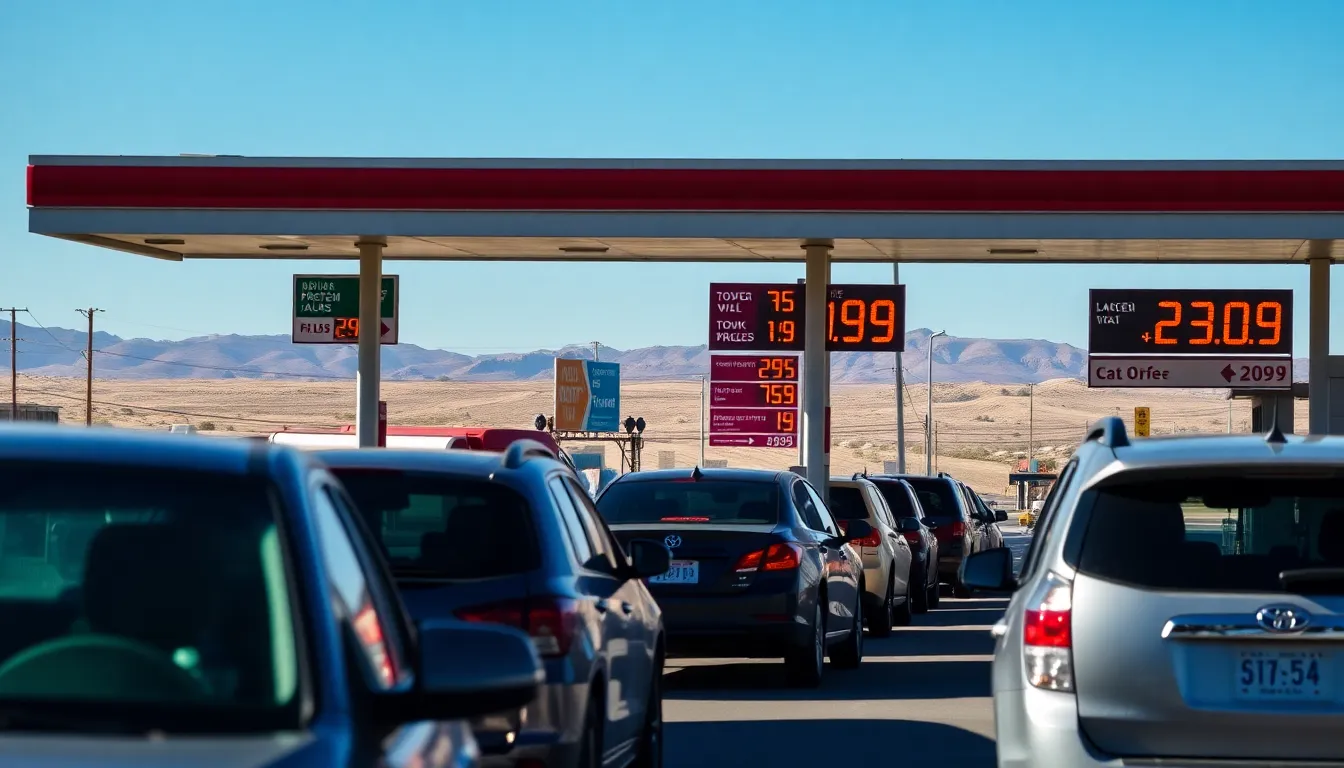
Historically, the relationship between Native American tribes and the federal government has been fraught with tension, stemming from treaties that promised autonomy and self-governance in exchange for land. Over the years, many tribes have sought to capitalize on their sovereignty by establishing businesses, including gas stations, that can offer competitive pricing. This economic strategy has become increasingly important as tribes aim to generate revenue for community services and infrastructure.
Politically, the ability of Native American tribes to set their own fuel prices is often tied to the Indian Gaming Regulatory Act of 1988, which allowed tribes to engage in gambling operations and use the profits to support their economies. This act has provided a financial foundation that has enabled some tribes to invest in fuel stations, making it possible to sell gas at lower prices without the same tax burdens faced by non-tribal businesses.
The Impact of Taxation Policies
This exemption has attracted drivers from surrounding regions, creating a steady influx of customers seeking cheaper fuel options, similar to trends seen in other economic sectors.
In recent years, this trend has sparked discussions about the implications for both tribal sovereignty and state revenues. As more drivers flock to these areas for cheaper gas, state governments are faced with the challenge of balancing tax revenues while respecting tribal rights. This ongoing dynamic continues to shape the economic and political landscape surrounding fuel sales in the United States.
Examining the stakeholders and economic implications
The recent trend of U.S. drivers traveling to Native American lands for cheaper gas highlights a complex interplay of stakeholders, including tribal governments, state authorities, and consumers. Each group has distinct interests and motivations that shape the current landscape of fuel pricing and availability.
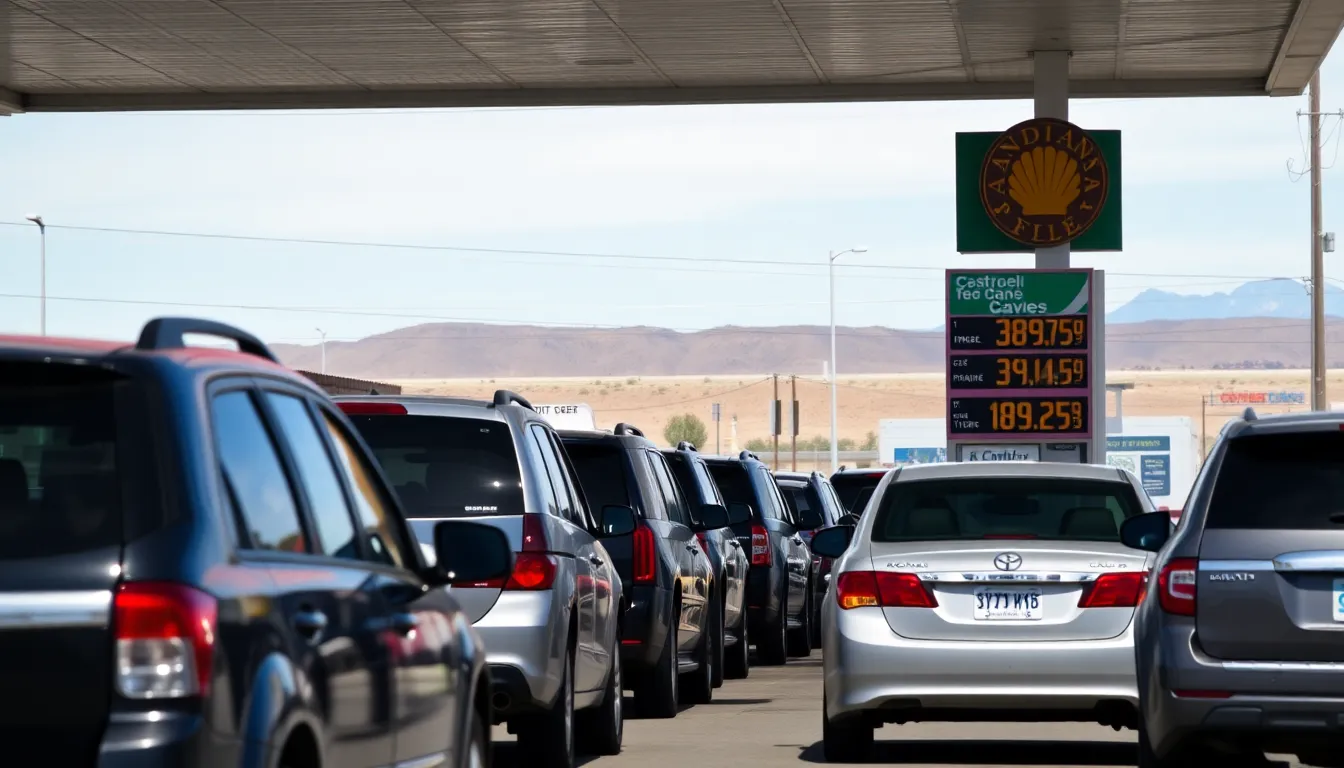
Native American tribes, often sovereign nations, operate gas stations that can sell fuel at lower prices due to exemptions from certain state taxes. Their primary interest lies in economic development and revenue generation, which can help fund essential services and infrastructure within their communities. However, this creates tension with state governments, which rely on fuel taxes as a significant source of revenue.
State governments may view the influx of non-tribal consumers as a threat to their tax base, leading to potential legal challenges or calls for regulation. This situation raises questions about the balance between tribal sovereignty and state interests, particularly regarding taxation and commerce. The legal framework surrounding these issues is complex, often requiring negotiations and potential compromises to address the concerns of both parties.
- Economic benefits: Tribal nations gain revenue from increased gas sales, which can enhance local economies.
- Consumer behavior: Drivers seeking lower prices may contribute to a shift in fuel purchasing patterns, impacting local gas stations off tribal lands.
- Legal disputes: Potential conflicts may arise over the legality of tax exemptions and the jurisdictional boundaries between state and tribal authorities.
- Environmental considerations: Increased traffic to tribal lands raises questions about environmental impacts and infrastructure strain.
- Community relations: The dynamic between tribal communities and surrounding non-tribal populations may evolve as economic interactions increase.
As this situation develops, it is crucial for all stakeholders to engage in dialogue to address the economic implications and legal challenges that arise. A collaborative approach could lead to solutions that respect tribal sovereignty while considering the interests of state governments and consumers alike.
Assessing the impact on local economies and communities
The influx of US drivers seeking cheaper gas on Native American lands is creating ripples across various sectors. Local communities, gas station owners, and tribal economies are directly affected by this trend. The immediate beneficiaries are the gas stations on tribal lands, which often sell fuel at lower prices due to tax exemptions. This influx of customers can significantly boost their sales and overall revenue.
However, the increased traffic of non-residents can strain local infrastructure and resources. Roads may experience higher wear and tear, and local businesses may struggle to accommodate the sudden surge in demand. This situation could lead to a need for policy adjustments regarding infrastructure funding and maintenance to support both residents and visitors.

In the short term, local economies may see a boost in revenue from increased gas sales and ancillary services, such as convenience stores and restaurants. However, this windfall may be short-lived if local businesses are unable to scale up to meet the demand. In the mid-term, there could be a shift in local policies as tribal leaders and local governments consider the long-term implications of this trend.
- Risks: Strain on infrastructure and local resources.
- Opportunities: Increased revenue for tribal economies and local businesses.
- Policy Changes: Potential adjustments in local governance to manage increased traffic.
Moreover, this trend highlights the complex relationship between tribal sovereignty and state regulations. As more drivers flock to these areas, discussions about taxation, fuel prices, and the rights of Native American tribes may gain prominence, potentially leading to changes in both local and state policies.
A: Gas prices on Native American reservations are often lower due to different tax structures and regulations that apply to these lands. This allows tribal gas stations to offer competitive prices. A: While cheaper gas can attract more customers, it may also strain local resources and impact the economic stability of tribal businesses. Communities must balance the benefits and challenges of increased traffic. A: Generally, there are no legal issues for drivers purchasing gas on Native American lands, but they should be aware of the specific regulations that may apply to fuel sales in those areas. A: Fuel prices on reservations can be significantly lower than those in nearby towns due to various factors, including lower taxes and operational costs for tribal gas stations. A: Given the ongoing fluctuations in fuel prices and economic conditions, it is likely that the trend of drivers seeking cheaper gas on Native American lands will continue as consumers look for savings.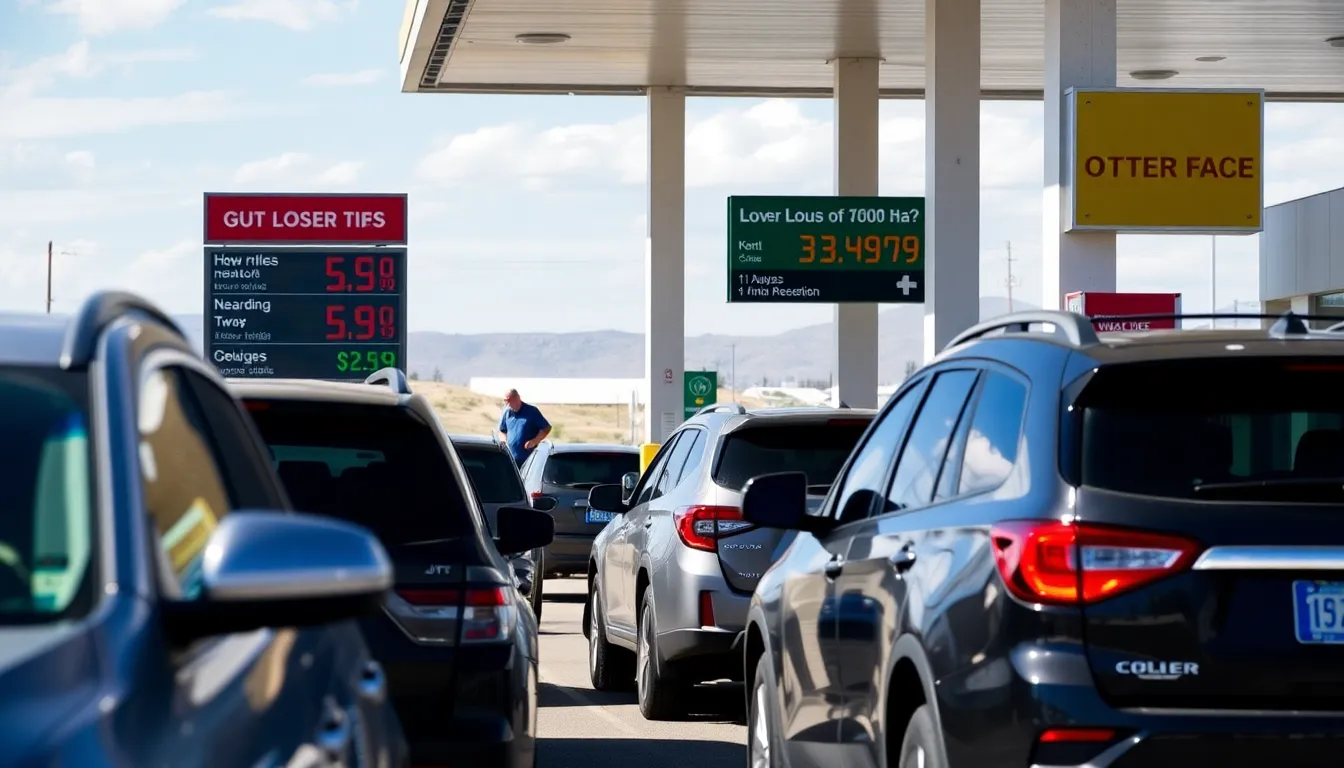
Frequently asked questions about gas prices and Native American lands
Key takeaways and future outlook on gas pricing trends
The rising trend of U.S. drivers seeking cheaper gas on Native American lands highlights significant shifts in consumer behavior and market dynamics. As fuel prices remain volatile, this movement could prompt broader discussions about pricing strategies, taxation, and the economic implications for both tribal and local communities. Understanding these changes will be crucial for stakeholders across the energy sector.
Monitoring how this trend evolves will provide insights into potential policy shifts and economic impacts. It will be important to observe whether this behavior leads to increased competition among gas providers, potential regulatory changes, or shifts in consumer loyalty as drivers seek cost-effective solutions.
- Watch for potential changes in gas pricing strategies as competition increases among providers.
- Consider the implications for local economies as tribal lands gain more attention from consumers.
- Monitor regulatory responses that may arise from increased traffic and economic activity on Native American lands.
- Evaluate the long-term sustainability of this trend and its impact on fuel consumption patterns.
- Assess how this trend might influence broader discussions on energy policy and taxation at the state and federal levels.