
Compounding the crisis, the ongoing conflict in Iran has triggered a sharp increase in global oil prices, further straining Sri Lanka’s economy. The country, which is already facing economic challenges, relies heavily on imported fuel for transportation and power generation. As fuel prices rise, the cost of living for many Sri Lankans is expected to increase, exacerbating the struggles of those already affected by the floods. For insights on related issues, see our article on Irish government prepares fuel support deal.
International aid efforts are underway, but logistical challenges remain due to the dual crises. Relief organizations are working to deliver food, clean water, and medical supplies to flood-affected communities, but the rising costs associated with the Iranian conflict complicate these efforts. Many local NGOs are calling for increased support to ensure that aid reaches those in desperate need.
The situation is further complicated by Sri Lanka’s ongoing debt crisis, which limits the government’s ability to respond effectively to natural disasters. With limited resources, officials are faced with the difficult task of balancing immediate relief efforts with long-term recovery plans. The interconnected nature of these crises underscores the urgency for coordinated international support to help stabilize the situation for vulnerable populations, as discussed in our piece on The Economic Consequences of War on Europe’s Political Landscape.
Exploring the background of the Iran war and its global implications
The ongoing conflict in Iran has deep historical roots, stemming from a complex interplay of political, economic, and social factors. Since the 1979 Iranian Revolution, which overthrew the Western-backed Shah, Iran has been embroiled in tensions both domestically and internationally. The establishment of an Islamic Republic led to strained relations with Western nations, particularly the United States, which has imposed various sanctions over the years. This historical animosity has shaped Iran’s foreign policy and its regional alliances, influencing conflicts in neighboring countries.
In recent years, the situation has been exacerbated by the rise of militant groups and proxy wars across the Middle East. Iran’s involvement in conflicts in Syria, Iraq, and Yemen has drawn criticism and military responses from various global powers, further complicating the geopolitical landscape. The war’s impacts are not confined to the Middle East; they ripple across the globe, affecting economies and societies far beyond the region. For instance, the disruption of oil supplies due to conflicts has led to fluctuations in global oil prices, which can have severe repercussions for countries like Sri Lanka, already grappling with economic challenges.
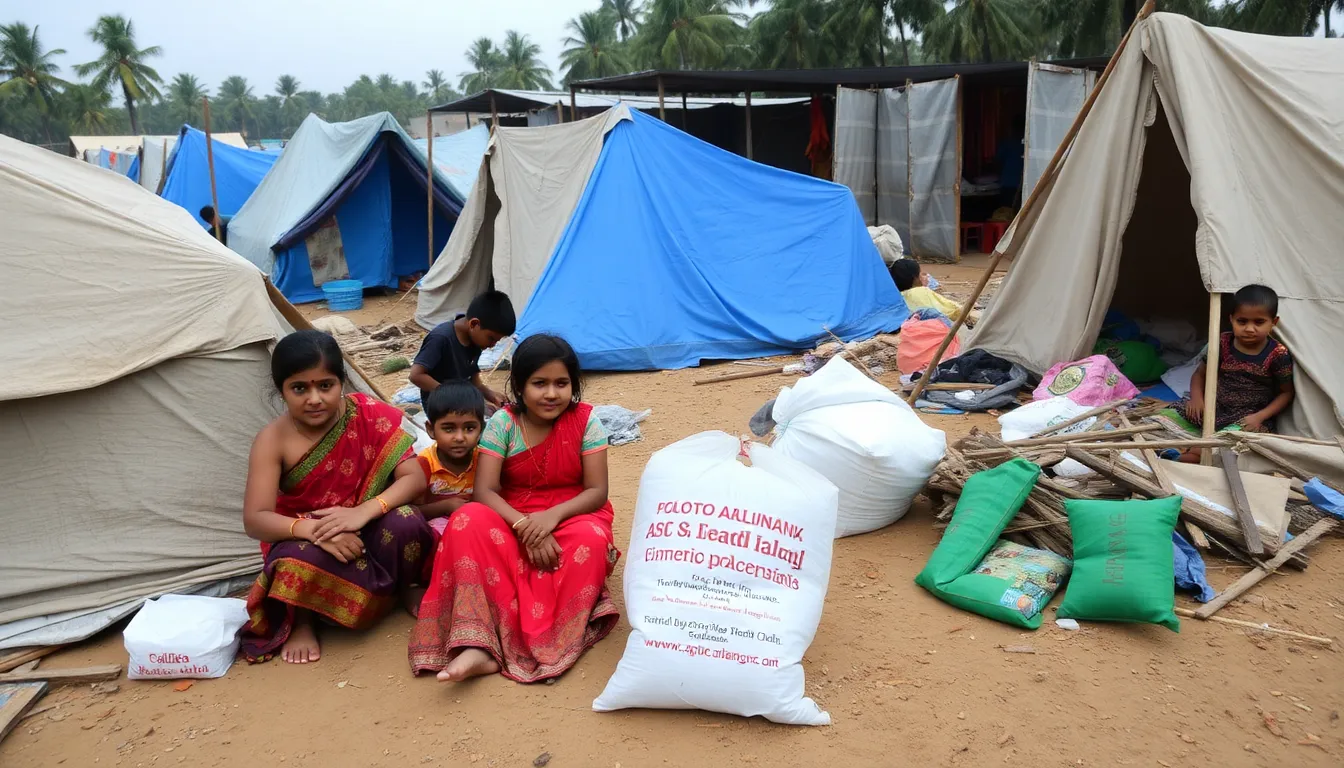
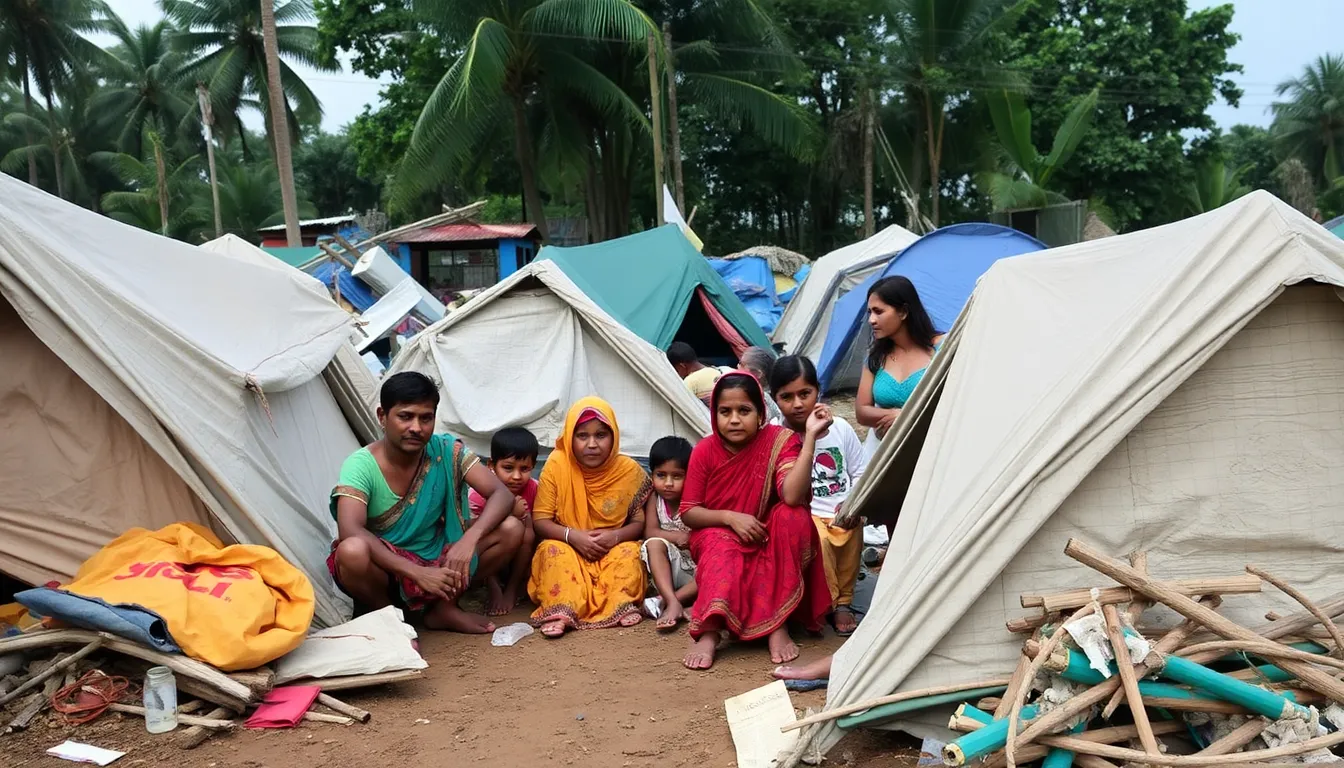
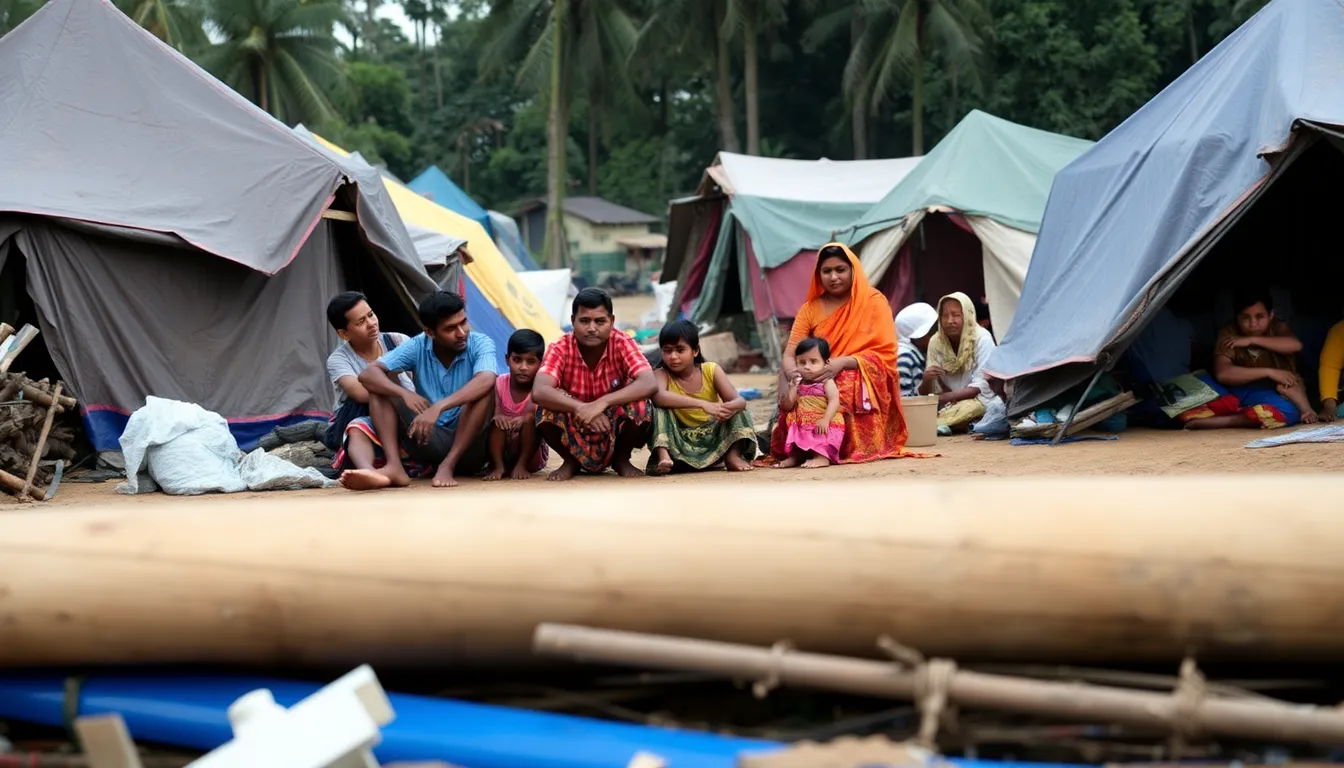
Sri Lanka, a nation still recovering from its own internal conflicts and natural disasters, finds itself in a precarious position as the Iran war unfolds. The country is grappling with the aftermath of devastating floods that have destroyed infrastructure and agriculture, leaving many citizens vulnerable. The intersection of these crises highlights the fragility of Sri Lanka’s economy, which relies heavily on imports for essential goods, including fuel. As international tensions rise, the availability and cost of these imports become increasingly uncertain, compounding the challenges faced by flood-ravaged communities.
The Economic Impact of Global Conflicts
The economic ramifications of the Iran war extend beyond immediate military engagements, influencing global trade dynamics. As countries respond to the conflict through sanctions or military involvement, markets react, often leading to increased prices for essential commodities. For Sri Lankans, already struggling with inflation and supply chain disruptions due to recent floods, the added burden of rising costs for fuel and food can lead to widespread hardship. This situation underscores how interconnected the world has become, where conflicts in one region can have profound effects on the livelihoods of people thousands of miles away.
Analyzing the key stakeholders and issues at play in this crisis
The ongoing conflict in Iran has significant implications for various stakeholders in the region, particularly for Sri Lanka, which is grappling with the aftermath of devastating floods. The intersection of these crises highlights the interconnectedness of global events and their local repercussions.
Key actors in this scenario include the Iranian government, which seeks to maintain its influence in the Middle East, and international organizations such as the United Nations, which aim to provide humanitarian assistance. Sri Lanka’s government is also a critical player, striving to secure aid and support for its flood-affected population while navigating the complexities of international relations.
Several conflicts and trade-offs emerge from this situation. For instance, Iran’s military engagements may divert attention and resources away from humanitarian efforts, affecting aid delivery to countries like Sri Lanka. Additionally, the geopolitical tensions surrounding Iran could lead to sanctions or restrictions that hinder international assistance efforts.
- Humanitarian Aid Challenges: The diversion of resources due to the Iran conflict may limit available aid for Sri Lanka.
- Geopolitical Tensions: Increased sanctions on Iran could have ripple effects on regional stability and aid flows.
- Local Economic Impact: Sri Lanka’s economy, already strained by floods, faces additional pressure from rising global oil prices linked to the conflict.
- International Relations: Sri Lanka must navigate its diplomatic relationships with major powers involved in the Iran conflict to secure necessary support.
In this complex landscape, the interests of local and international stakeholders often clash, complicating the delivery of aid and support to those in need. Understanding these dynamics is crucial for grasping the broader implications of the crisis facing Sri Lanka in the context of the Iran war.
Assessing the impact on the Sri Lankan population and economy
The ongoing conflict in Iran has led to a ‘triple blow’ for Sri Lankans already grappling with the effects of severe flooding. Various groups, particularly farmers, small business owners, and low-income families, are facing intensified challenges as the situation unfolds. The disruption in global supply chains and increased commodity prices are likely to exacerbate the hardships faced by these vulnerable populations. For more on how different global events impact local dynamics, check out our article on US drivers seek cheaper gas on Native American lands.
In the short term, the immediate impact on daily life is palpable. With rising fuel prices due to sanctions and geopolitical tensions, transportation costs are surging, affecting the prices of essential goods. Households are likely to experience increased financial strain as inflation escalates, making it difficult for families to meet basic needs.
Industries such as agriculture, which is already suffering from the aftermath of flooding, are now threatened by further instability. The rising costs of inputs like fertilizers and fuel could lead to reduced crop yields, ultimately jeopardizing food security in the country. Additionally, the tourism sector, a vital component of Sri Lanka’s economy, may see a decline as international travelers become wary of the region’s instability.
- Increased living costs: Essential goods and services are becoming less affordable for the average Sri Lankan.
- Disruption in agriculture: Farmers may struggle to maintain productivity due to rising costs and resource shortages.
- Tourism downturn: Potential visitors may reconsider travel plans, impacting local businesses reliant on tourism.
In the mid-term, the potential for policy shifts may arise as the government seeks to mitigate the impacts of both the flooding and the external pressures from the conflict in Iran. This could lead to increased investment in local agriculture and infrastructure improvements. However, the risks of political instability and social unrest remain high if the economic situation does not improve, further complicating recovery efforts.
Despite these challenges, there are opportunities for innovation and resilience. Local businesses may pivot to alternative supply sources or explore new markets, fostering a spirit of adaptability. Furthermore, international aid and support could be mobilized to assist in recovery efforts, potentially leading to long-term benefits for the affected communities.
A: The Iran war has disrupted supply chains and increased fuel prices, exacerbating the already dire situation in flood-affected Sri Lanka. A: Immediate needs include food, clean water, and medical assistance, as many communities are struggling to recover from the floods. A: Yes, the ongoing conflict has diverted resources and attention from international aid efforts, complicating relief operations in Sri Lanka. A: Long-term effects may include economic instability, increased poverty levels, and a prolonged humanitarian crisis in Sri Lanka. A: Individuals can contribute by donating to reputable organizations providing aid and support to flood victims.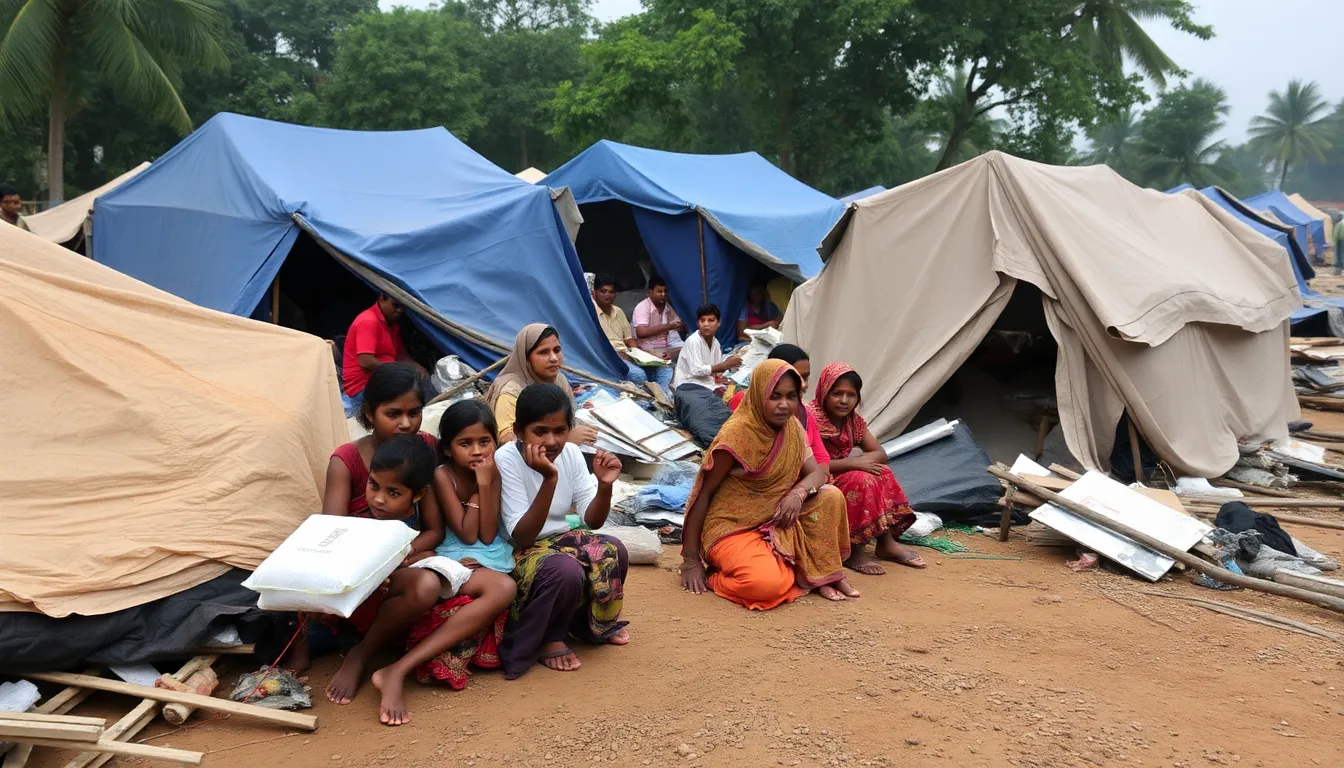
Frequently asked questions regarding the situation
Key takeaways and future outlook for Sri Lanka
The ongoing conflict in Iran has created a ripple effect that is being felt acutely in Sri Lanka, a nation already grappling with the aftermath of devastating floods. As international attention shifts towards the Middle East, Sri Lanka faces not only humanitarian challenges but also economic repercussions that could further complicate recovery efforts. The interplay of geopolitical tensions and local vulnerabilities will be crucial to monitor in the coming months.
Looking ahead, the situation demands a coordinated response from both the Sri Lankan government and international partners. Addressing immediate needs while also planning for long-term resilience will be essential for the nation’s recovery. Stakeholders must remain vigilant as they navigate these complex dynamics, ensuring that the needs of the flood-affected population are not overshadowed by external conflicts.
- Monitor the impact of rising oil prices on Sri Lanka’s economy and its implications for fuel and food security.
- Watch for potential shifts in foreign aid and investment as global priorities change in light of the Iran conflict.
- Assess the effectiveness of local government responses to the flooding crisis amidst external pressures.
- Evaluate the role of international organizations in providing support and resources to Sri Lanka during this dual crisis.
- Consider the long-term implications for Sri Lanka’s infrastructure and disaster preparedness strategies in response to climate change and geopolitical instability.