
Coach Immi, who has been at the helm since early 2022, expressed a nonchalant attitude towards the team’s lack of international presence. He emphasized that while the goal is to compete on a global stage, the team’s current focus remains on improving their domestic performance and finding consistency in their gameplay.
Cloud9’s most recent opportunity to qualify came during the VCT Americas League in 2023, where they faced stiff competition from other North American teams. Their inability to secure a spot has sparked discussions about the overall state of North American Valorant, with many questioning whether the region can compete with teams from Europe and Asia.
Despite the setbacks, Immi remains optimistic about the future. He believes that the experience gained from competing in high-pressure matches will ultimately benefit the team’s development. As the VCT season continues, Cloud9 aims to turn their fortunes around and finally earn a chance to represent North America on the international stage.
Recommended Articles
- Lee Sung Jin expresses honor in working on X-Men reboot script
- Wrexham v Southampton match holds special significance according to Parkinson
- Who can claim victory if Iran ceasefire holds
- Halle Bailey discusses the impact of racist backlash over The Little Mermaid
- Metal Gear Solid Movie in Development at Sony with Final Destination Directors
- Lee Sung Jin expresses honor in working on X-Men reboot script
- Wrexham v Southampton match holds special significance according to Parkinson
- Who can claim victory if Iran ceasefire holds
- Halle Bailey discusses the impact of racist backlash over The Little Mermaid
- Metal Gear Solid Movie in Development at Sony with Final Destination Directors
Understanding the competitive landscape of NA VCT
The North American Valorant Champions Tour (VCT) has been a focal point for competitive gaming in the region since its inception. Despite the potential and talent present in North America, the region has struggled to assert itself on the international stage. This has raised questions about the structural and competitive dynamics that have led to Cloud9, under Coach Immi, being the only NA team to never qualify for international events.

Historically, North America has been a powerhouse in esports, particularly in titles like League of Legends and Counter-Strike. However, the transition to Valorant has been marked by inconsistent performances from its teams. The VCT format, which includes open qualifiers and regional leagues, has created a highly competitive environment. Teams like Sentinels and FaZe Clan have often overshadowed Cloud9, making it difficult for them to secure a spot at international tournaments.
Key Milestones in NA VCT
Several key milestones illustrate the struggles faced by NA teams. The inaugural VCT season in 2021 saw multiple North American teams advance to international events, but the performance was lackluster, leading to a reevaluation of strategies and player rosters. The 2022 season continued this trend, with Cloud9 undergoing significant changes in their lineup and coaching staff in hopes of revitalizing their competitive edge.
Moreover, the economic implications of team management and investment in player development have also played a role. While some organizations have heavily invested in scouting and training, others, including Cloud9, have faced challenges in maintaining consistency and synergy within their teams. This has resulted in a perception that they are always on the brink of success but ultimately fall short.
As the VCT evolves, the competitive landscape remains dynamic. Coach Immi’s perspective reflects a broader understanding of the challenges within the NA scene. Rather than succumbing to the pressure of expectations, he emphasizes growth and adaptation, suggesting that the path to success may require a longer-term vision rather than immediate results.
Key issues facing Cloud9 and the NA VCT scene
Cloud9, a prominent esports organization, finds itself at a crossroads within the North American Valorant Champions Tour (VCT) landscape. As the only NA team yet to qualify for international events, the stakes are high, not just for the team but for the entire region. The interests of various stakeholdersincluding players, fans, and the organization itselfare intertwined, creating a complex web of expectations and pressures.
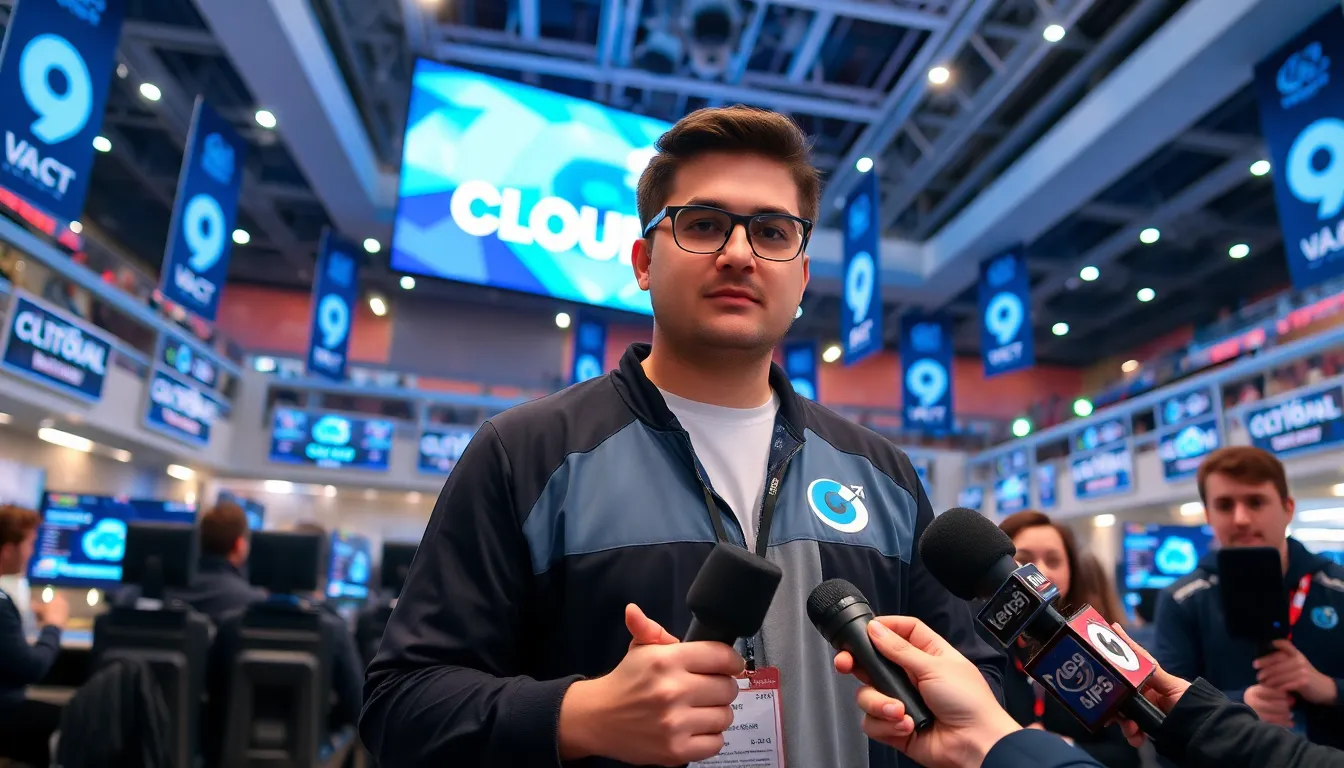
One significant issue is the performance inconsistency that has plagued Cloud9. The team’s ability to compete at a high level is critical for maintaining fan engagement and sponsorship deals. With the rise of other teams in the NA scene, Cloud9’s failure to qualify raises questions about their strategic direction and investment in player development.
Moreover, the economic implications of failing to reach international tournaments are substantial. Sponsorship revenue, merchandise sales, and viewership numbers are all tied to a team’s success. A lack of international presence could lead to decreased financial support, affecting not only Cloud9 but also the broader NA VCT ecosystem.
- Player Retention: High-performing players may seek opportunities elsewhere if the team continues to struggle.
- Sponsorship Challenges: Brands may reconsider their partnerships if Cloud9 cannot deliver results.
- Fan Engagement: A decline in performance could lead to reduced fan interest and attendance at events.
- Regional Reputation: The NA VCT’s standing could suffer if teams fail to perform on the international stage.
- Investment in Infrastructure: There may be a need for increased investment in coaching and training facilities to improve performance.
In this context, Coach Immi’s perspective is noteworthy. His lack of concern over the team’s current standing may reflect a longer-term vision for building a competitive roster. However, this approach must be balanced with the immediate pressures of performance and results, particularly in a rapidly evolving esports landscape.
Implications for players and the NA esports market
The recent comments from Cloud9 Coach Immi highlight a significant moment for players and the North American (NA) esports market, particularly within the Valorant Champions Tour (VCT). As the only NA team that has yet to qualify for international competitions, Cloud9’s situation raises questions about the broader implications for players, organizations, and the region’s competitive standing.
In the short term, players may experience increased pressure as they strive to prove themselves in a competitive landscape that is increasingly dominated by international teams. This pressure can lead to heightened stress levels, impacting their performance and overall well-being. Additionally, the lack of international representation may affect sponsorship opportunities, as brands often seek to associate themselves with winning teams.

In the mid-term, the implications extend beyond individual players to the entire NA esports ecosystem. Organizations may need to reassess their strategies and investments in player development, coaching, and infrastructure. This could lead to a shift in how teams scout and nurture talent, potentially opening up opportunities for emerging players who can step into the spotlight.
- Increased pressure on players to perform and secure sponsorships.
- Potential reevaluation of talent development strategies by organizations.
- Risks of decreased interest from fans and sponsors in NA esports.
- Opportunities for new talent to emerge and disrupt the current landscape.
Moreover, the current situation poses risks for the NA esports market as a whole. A continued lack of success on the international stage may lead to declining viewership and fan engagement, which could threaten the financial viability of teams and tournaments. However, this also presents a unique opportunity for grassroots movements and local tournaments to gain traction, fostering a more engaged community and potentially revitalizing interest in the region.
A: Cloud9 has faced various challenges, including roster changes and inconsistent performance in domestic leagues, which have hindered their ability to qualify for international events. A: Coach Immi remains optimistic about the team’s potential and believes that with the right adjustments, they can improve and eventually compete on the international stage. A: While Cloud9 has struggled, other NA teams have had varying degrees of success, highlighting the competitive disparity within the region. A: NA teams often face issues such as talent retention, adapting to evolving meta, and the pressure of high expectations from fans and sponsors. A: The lack of international representation can affect player morale and opportunities for growth, making it crucial for teams to find success in domestic competitions.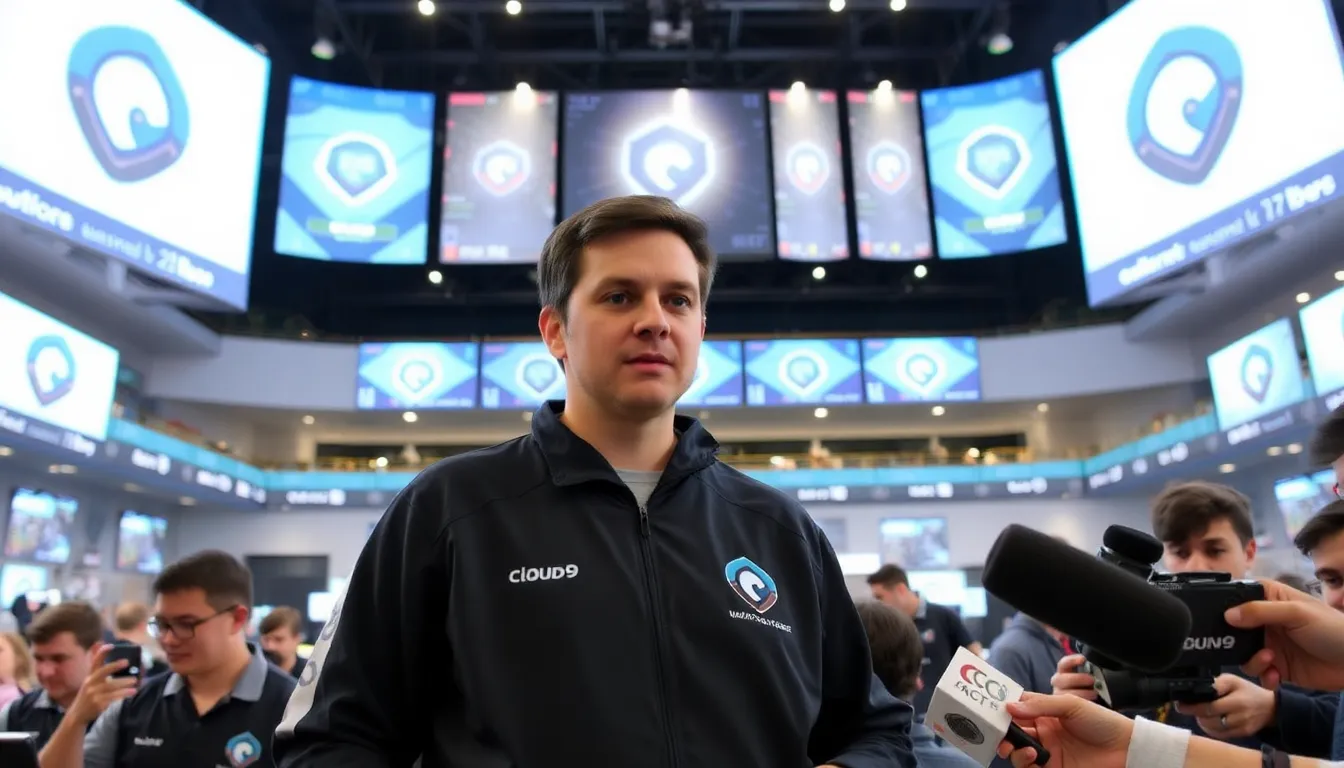
Frequently asked questions about Cloud9 and VCT
Future outlook for Cloud9 and the NA VCT
Cloud9’s Coach Immi has expressed a unique perspective on the team’s journey within the North American Valorant Champions Tour (VCT). Despite being the only NA team yet to qualify for international competitions, Immi’s focus remains on growth and development rather than immediate results. This approach suggests a long-term vision that may eventually lead to success, even if it takes time for Cloud9 to break through the international barrier.
As the VCT progresses, the dynamics within the North American scene will continue to evolve. The emphasis on player development, strategic adjustments, and fostering a resilient team culture could position Cloud9 favorably for future competitions. Observers should keep an eye on how the team’s strategies adapt and how they leverage their experiences to enhance performance in upcoming matches.
- Monitor Cloud9’s roster changes and how they impact team synergy and performance.
- Watch for shifts in coaching strategies that may reflect a deeper understanding of the international meta.
- Consider the potential for player development programs to elevate individual skill sets within the team.
- Assess how Cloud9’s approach to pressure and expectations influences their competitive mindset in future tournaments.
- Keep an eye on the overall trajectory of the NA VCT scene, as it may affect Cloud9’s standing and opportunities for growth.