
The shoulder problems have been attributed to the unique construction of the jerseys, which incorporates a new fabric blend intended to provide better breathability and moisture-wicking capabilities. Players have reported that the shoulder seams restrict movement, potentially affecting their performance during crucial moments of play. This feedback has raised concerns among teams and coaches as they prepare for the tournament.
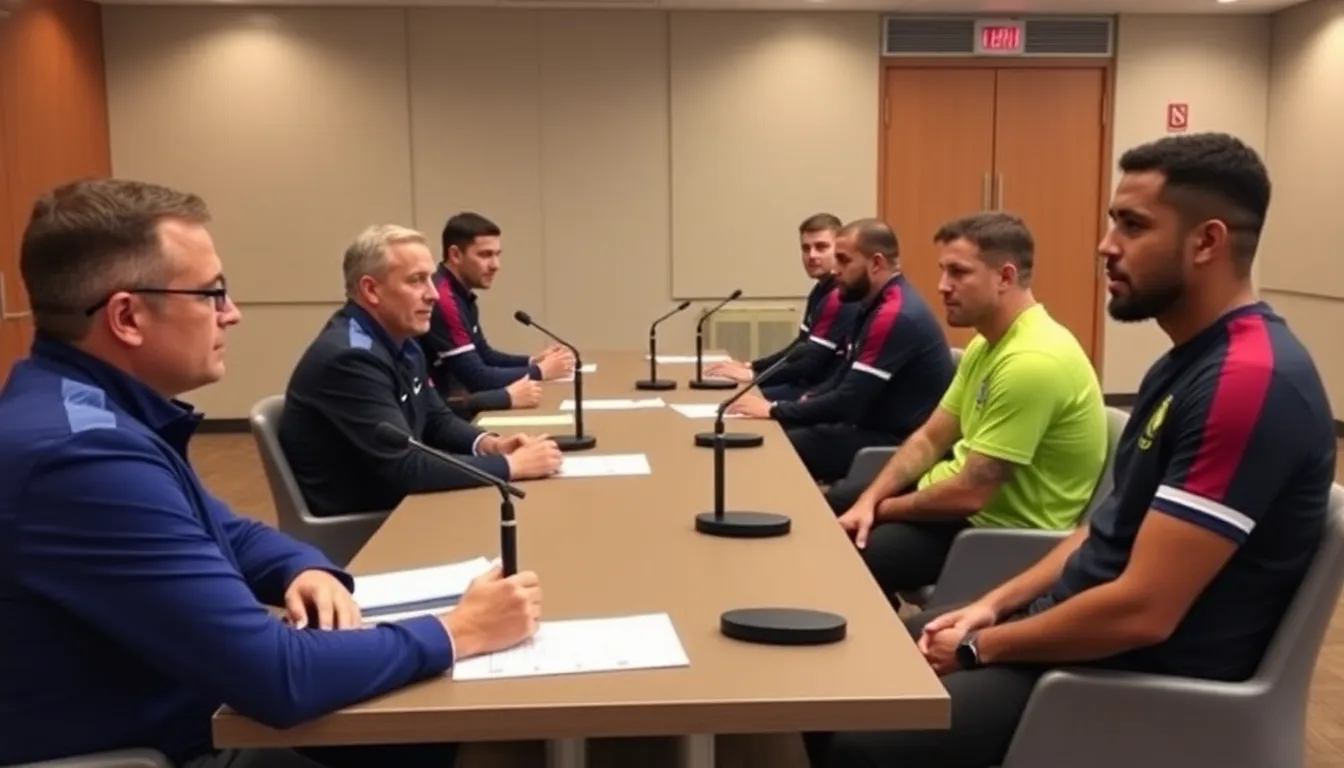
Nike has acknowledged the reports and is currently working with athletes to refine the design ahead of the World Cup. The company is under pressure to resolve these issues quickly, as the jerseys are scheduled to be worn in matches starting in June 2026. With the global spotlight on the tournament, any shortcomings in the apparel could have significant implications for Nike’s reputation and sales.
In response to the situation, Nike has initiated a series of focus groups with players and sports scientists to gather further insights. The goal is to ensure that the final product meets the high standards expected from both athletes and fans. As the launch date approaches, the outcome of these adjustments will be closely monitored by the sports community and industry analysts alike.
Understanding the technology behind Nike’s 2026 World Cup jerseys
The 2026 FIFA World Cup marks a significant milestone in the evolution of sports apparel, particularly with Nike’s introduction of high-tech jerseys designed to enhance player performance. Over the years, advancements in textile technology have transformed sports uniforms from simple fabrics to sophisticated gear that incorporates moisture-wicking materials, breathability, and even temperature regulation. Nike, as a leading sportswear brand, has consistently pushed the envelope in this domain, aiming to provide athletes with a competitive edge.
Historically, the development of sports jerseys can be traced back to the early 20th century when functionality was prioritized over aesthetics. However, as the global sports market expanded, so did the emphasis on branding and player identity. By the 1990s, Nike had established itself as a dominant force in sports apparel, leveraging innovative materials and design techniques to cater to the evolving needs of athletes and fans alike. The transition from cotton to synthetic fabrics marked the beginning of a new era, allowing for jerseys that were lighter, more durable, and capable of withstanding the rigors of high-level competition.
However, the introduction of these high-tech jerseys has not been without controversy, as reports of design flaws, particularly concerning shoulder fit, have emerged, raising questions about the balance between innovation and practicality. As the stakes are higher than ever, not just for the teams, the brands sponsoring them are also under scrutiny.
The shoulder fit controversy
The shoulder issue has sparked a debate among players and coaches alike. While Nike’s intention was to create a jersey that allows for greater mobility and comfort, the reality has been mixed. Some athletes have reported discomfort and restricted movement, which could potentially hinder performance on the field. This situation is reminiscent of past instances in sports where manufacturers faced backlash over product design, such as the infamous “Adizero” shoes by Adidas that were criticized for their lack of support. As the World Cup approaches, how Nike addresses these concerns will be crucial in determining the success of their high-tech jerseys.
Key stakeholders react to the jersey design flaw
The recent revelation regarding Nike’s high-tech jerseys for the 2026 World Cup has raised significant concerns among various stakeholders, each with their own interests and perspectives. The primary actors in this scenario include Nike, national football associations, players, fans, and regulatory bodies. Understanding their positions is crucial for grasping the broader implications of this design flaw.
Nike, as the manufacturer, is deeply invested in maintaining its reputation for innovation and quality. The company faces pressure to address the design flaw quickly to avoid potential financial losses and damage to its brand image. The conflict here lies in balancing the costs of redesigning the jerseys against the potential backlash from consumers and sponsors.

National football associations, which rely on merchandise sales and sponsorships, are also affected. They have a vested interest in ensuring that their teams are represented well on the global stage. If the jerseys are perceived as faulty or uncomfortable, it could lead to diminished sales and a tarnished reputation for both the associations and the players.
- Players’ concerns: Athletes may experience discomfort or performance issues due to the design flaw, leading to a potential impact on their performance during the tournament.
- Fan reactions: Fans expect high-quality merchandise, and dissatisfaction could lead to a loss of loyalty and trust in the brand.
- Legal implications: If the design flaw leads to injuries or significant dissatisfaction, there could be legal repercussions for Nike, including lawsuits or claims from consumers.
- Economic trade-offs: The cost of redesigning the jerseys may affect Nike’s overall profitability, especially if production timelines are tight.
Regulatory bodies may also play a role, particularly if safety standards are implicated in the jersey’s design. Their involvement could lead to additional scrutiny and potential changes in manufacturing practices, impacting not only Nike but the industry as a whole. As this situation unfolds, the interplay between these stakeholders will shape the response to the jersey design flaw and its long-term consequences.
Potential effects on players and the market
The recent revelation regarding Nike’s high-tech jerseys for the 2026 World Cup highlights a significant concern for players, particularly those in the football community. Athletes who rely on optimal performance gear may face challenges if the shoulder issues are not resolved. This could lead to injuries and affect their performance on the field, ultimately impacting their careers and drawing comparisons to situations faced in past controversies such as the design flaws seen with other sports apparel.
Beyond the players, the sports apparel market could experience notable repercussions. Retailers and distributors who stock Nike products may see fluctuating demand as consumers react to the news. If the jerseys are perceived as flawed, sales could decline, affecting Nike’s market share and revenue. Conversely, if Nike successfully addresses the issue, it could enhance brand loyalty and trust among consumers.
In terms of regional impacts, countries participating in the World Cup may witness shifts in fan engagement and merchandise sales. Fans may be hesitant to purchase the jerseys if concerns linger, particularly in regions where football is a major cultural phenomenon. This could lead to a temporary decline in economic activity related to merchandise sales.

- Short-term risks: Potential injuries to players, decreased sales for retailers.
- Mid-term risks: Damage to Nike’s reputation, loss of consumer trust.
- Opportunities: Innovations in jersey technology, enhanced brand loyalty if resolved.
Additionally, the incident may prompt policy discussions within sports organizations regarding equipment standards and player safety. This could lead to new regulations that ensure all gear meets specific performance criteria, ultimately benefiting players in the long run. Companies in the sports technology sector may also see opportunities to innovate and provide solutions to improve athlete safety and performance.
A: Players have reported discomfort and restricted movement due to the jersey’s shoulder design, which may not accommodate all body types. A: Nike has acknowledged the feedback and is currently investigating the design issues to ensure player comfort and performance. A: The negative feedback could impact sales, especially if players and fans lose confidence in the product’s quality. A: While other brands have focused on innovation, there have been no widespread reports of similar shoulder issues as seen with Nike. A: Nike’s jerseys incorporate advanced moisture-wicking fabrics and ergonomic designs aimed at enhancing player performance.
Frequently asked questions about Nike’s jersey issues
Looking ahead: implications for Nike and the World Cup
The challenges faced by Nike regarding the shoulder design of their high-tech jerseys for the 2026 World Cup highlight the complexities of merging innovation with functionality. As teams prepare for the global event, the scrutiny on these jerseys underscores the necessity for brands to prioritize athlete performance alongside cutting-edge technology. Nike’s approach will likely influence how sportswear companies navigate similar issues in the future.
Furthermore, the scrutiny from players and fans alike may prompt Nike to rethink their design philosophy, ensuring that comfort and performance are not compromised in pursuit of technological advancements. This situation serves as a reminder that even leading brands must remain adaptable and responsive to feedback in a competitive sports market.
- Design Adaptations: Nike may need to explore alternative designs or materials that enhance shoulder mobility without sacrificing the jersey’s innovative features.
- Player Feedback: Continued engagement with athletes will be crucial for refining product offerings and ensuring that performance needs are met.
- Market Competition: Other sportswear brands will be watching closely, potentially capitalizing on any missteps by Nike to position their own products more effectively.
- Consumer Expectations: Fans and consumers are likely to demand greater transparency regarding product testing and athlete input in the design process.