
This strike, initiated by nurses and paramedics, has been fueled by ongoing disputes over pay and working conditions. With thousands of staff participating, the impact has been felt acutely in emergency departments, where wait times have increased and resources are stretched thin. For a deeper understanding of the healthcare challenges, you can explore current trends in healthcare.
Health officials have warned that the limitations on A&E services could lead to a public health crisis, as patients may be deterred from seeking necessary care. The situation has prompted concerns from local governments and health organizations about the potential for increased morbidity and mortality rates during this period.
As negotiations between the striking workers and the government continue, the immediate future of A&E services remains uncertain. Hospitals are urging the public to seek alternative care options, but the strain on the healthcare system is evident and growing.
Understanding the background of the strike and its implications
The recent strike that has led to the reduction of the Accident & Emergency (A&E) unit to a minor injuries service is rooted in a complex interplay of historical, political, and economic factors. Over the past decade, the National Health Service (NHS) has faced chronic underfunding and increasing demand, which have strained resources and personnel. This situation has been exacerbated by the COVID-19 pandemic, which highlighted existing vulnerabilities within the healthcare system and intensified calls for reform. You can read more about these issues in the context of healthcare reforms in our related article.

Historically, the NHS has been celebrated as a cornerstone of British society, providing free healthcare at the point of use. However, austerity measures implemented since the 2010s have led to significant budget cuts, resulting in staff shortages and increased workloads for healthcare professionals. As a consequence, many A&E departments have struggled to cope with rising patient numbers, leading to longer wait times and diminished quality of care.
The Role of Unions and Strikes
Trade unions have played a crucial role in advocating for healthcare workers’ rights and better working conditions. In recent years, strikes have become a more common response to frustrations over pay and staffing levels. The current strike is part of a broader movement among healthcare professionals who are demanding fair compensation and adequate support to ensure patient safety. This collective action reflects deep-seated grievances within the workforce, stemming from years of neglect and the pressures associated with an overstretched system.
As the strike continues, the implications for patients and the healthcare system are profound. The transition of A&E services to a minor injuries framework raises concerns about access to urgent care, particularly for vulnerable populations. The situation underscores the urgent need for policymakers to address the root causes of the crisis, including sustainable funding and comprehensive reforms aimed at restoring the NHS to its former capacity.
Key stakeholders involved and the main issues at play
The recent strike that has reduced the Accident & Emergency (A&E) unit to a minor injuries service has brought several key stakeholders into focus. These include healthcare professionals, hospital administration, patients, government health authorities, and community advocacy groups. Each of these actors has distinct interests and concerns that contribute to the complexity of the situation.
Healthcare professionals, particularly nurses and doctors, are advocating for better working conditions, fair wages, and adequate staffing levels. Their strike action highlights the urgent need for reforms in the healthcare system, which they argue is underfunded and overstretched. On the other hand, hospital administration seeks to manage operational efficiency while balancing financial constraints, often leading to tensions between staff demands and budget limitations.
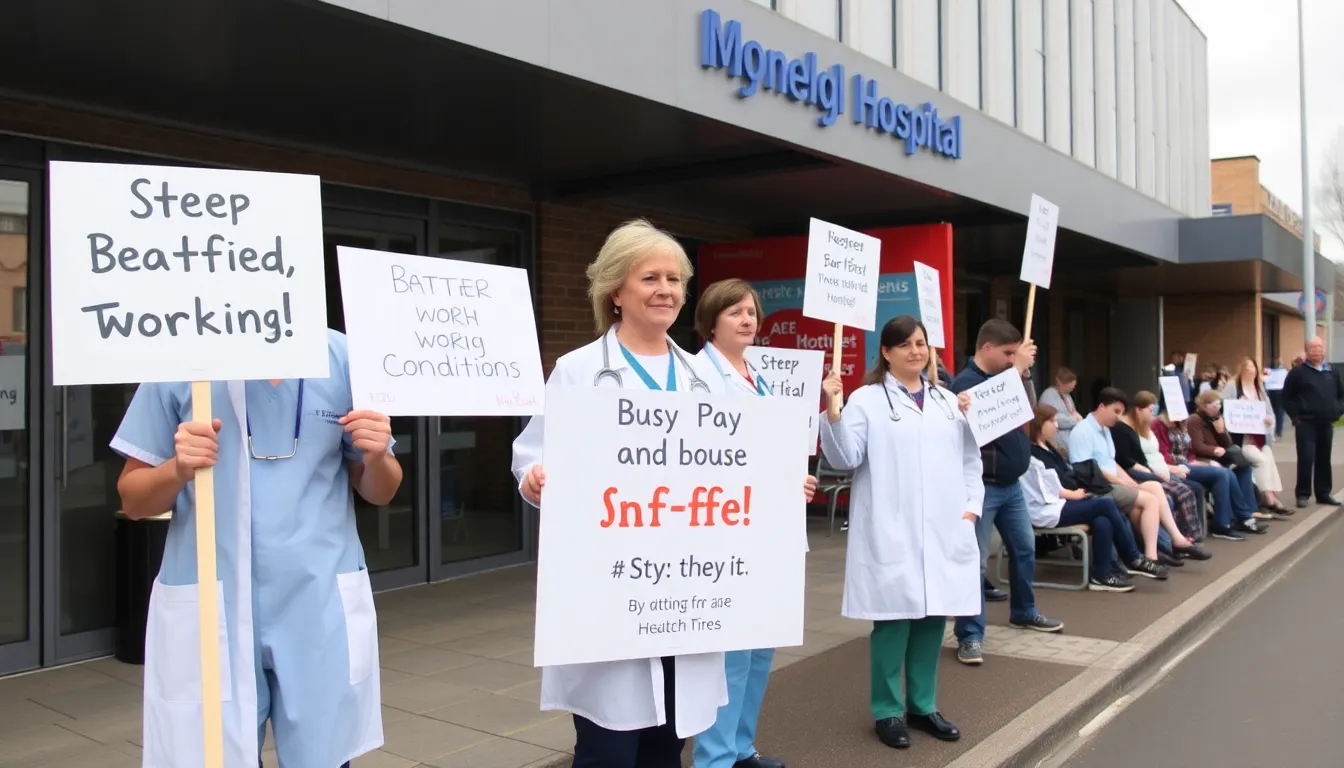
Patients are at the center of this crisis, facing the immediate impact of reduced services. Many are concerned about access to timely medical care, which can be life-threatening in emergencies. Community advocacy groups are voicing the need for a robust healthcare system that prioritizes patient welfare and equitable access to services, emphasizing the potential long-term consequences of the strike on public health.
- Economic implications: The strike may lead to increased healthcare costs in the long run if patients seek alternative care options or if emergency situations escalate due to lack of immediate services.
- Legal considerations: The strike raises questions about labor rights and the legal framework governing healthcare workers’ ability to strike, particularly in essential services.
- Public perception: The situation may influence public trust in the healthcare system, with potential ramifications for future funding and policy decisions.
As negotiations continue, the interplay between these stakeholders will shape the future of A&E services and the broader healthcare landscape. The resolution of this conflict will require careful consideration of the diverse interests at play and the long-term implications for all involved.
The impact on patients and the healthcare system
The recent strike has significantly affected the Accident & Emergency (A&E) units, reducing them to services that can only handle minor injuries. This change primarily impacts patients who require urgent care for serious conditions, as they may need to travel further to access appropriate medical services. Vulnerable populations, including the elderly and those with chronic illnesses, are particularly at risk as they often rely on immediate access to comprehensive emergency care. For further insights, check out how this situation reflects broader societal trends.
Healthcare professionals are also feeling the strain, as the reduction in services places additional pressure on remaining staff. Hospitals may face increased workloads, leading to burnout among healthcare workers. This situation could exacerbate existing staffing shortages, particularly in regions already struggling to maintain adequate healthcare services.
In the short term, the limited A&E services may lead to longer wait times at alternative facilities, potentially delaying critical treatment for patients. Local businesses in the healthcare sector, such as pharmacies and medical supply stores, may experience fluctuations in demand as patients seek alternative care options. In the mid-term, policy discussions around healthcare funding and resource allocation may arise, prompting a reevaluation of how emergency services are structured and supported.
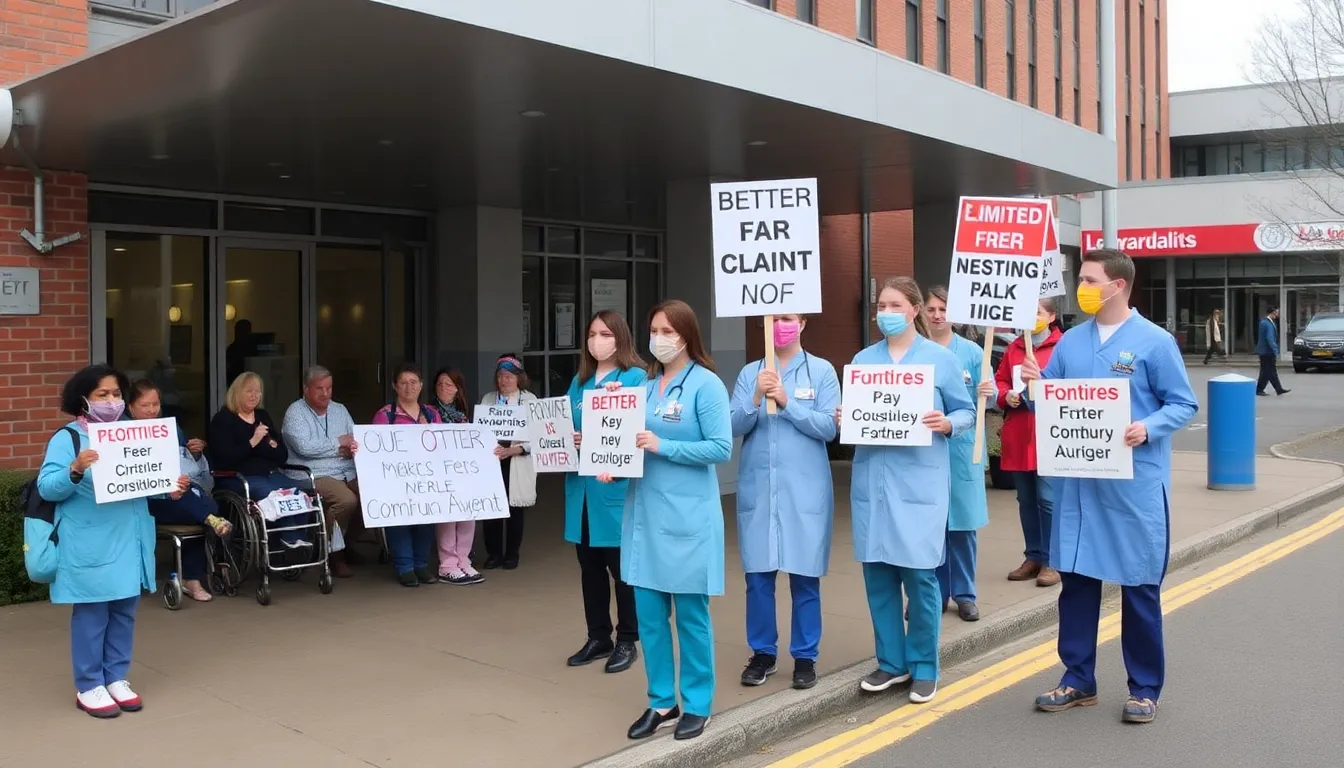
- Risks: Increased patient risk due to delayed care.
- Risks: Higher stress levels among healthcare workers.
- Opportunities: Potential for telehealth services to expand.
- Opportunities: Increased community awareness of healthcare needs.
As the situation evolves, stakeholders may explore innovative solutions to improve access to care, such as partnerships with urgent care centers or enhanced telemedicine options. While the current strike poses significant challenges, it also opens the door for discussions on how to better serve communities in the future.
A: The strike was initiated due to disputes over working conditions and staffing levels, which have been a growing concern within the healthcare sector. A: The duration of this operational change is currently uncertain and will depend on the resolution of the strike and negotiations between the involved parties. A: The minor injuries service will handle less severe cases, such as cuts, sprains, and minor fractures, but will not be equipped to deal with emergencies. A: Patients requiring emergency care are advised to seek alternative hospitals or urgent care centers that are still operating at full capacity. A: Long-term implications may include increased pressure on other healthcare facilities, potential delays in treatment for patients, and ongoing discussions about workforce conditions.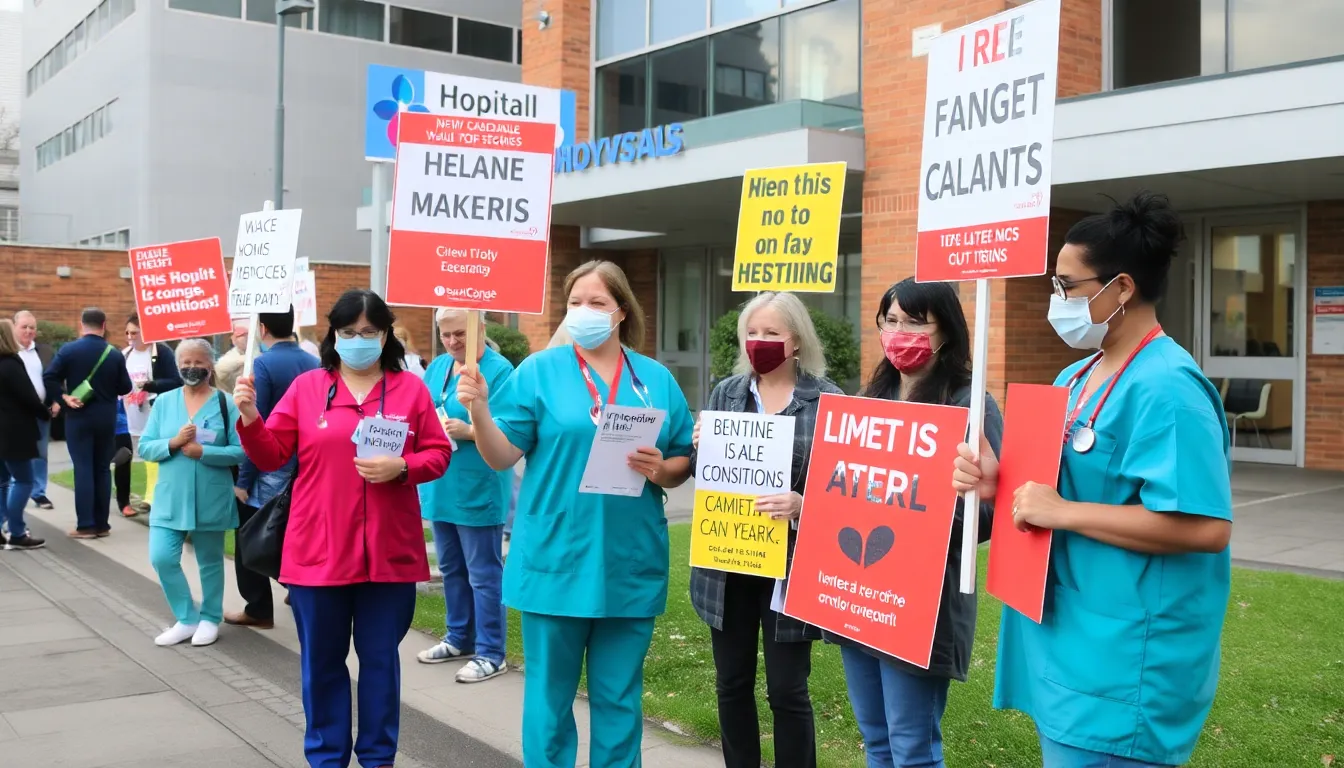
Frequently asked questions regarding the A&E unit changes
Key takeaways and future outlook on the situation
The recent decision to reduce the A&E unit to a minor injuries service underscores significant challenges within the healthcare system. This shift not only affects immediate patient care but also reflects broader issues regarding resource allocation and workforce management. As the healthcare landscape continues to evolve, stakeholders must remain vigilant in monitoring the implications of such changes.
Looking ahead, it will be crucial to assess how this modification impacts patient outcomes, staff workloads, and community health access. Continued dialogue among healthcare providers, policymakers, and the public will be essential to navigate these transitions effectively.
- Monitor patient feedback and health outcomes to gauge the effectiveness of the new service model.
- Evaluate the potential for increased pressure on other healthcare facilities as patients seek alternative care options.
- Watch for staffing changes and their implications for service delivery and employee morale.
- Consider the long-term effects on community health and the accessibility of emergency care.
- Stay informed about policy discussions that may affect funding and resources for healthcare services.