
Current Trends in UV Radiation Levels
As we progress through the summer months of 2023, ultraviolet (UV) radiation levels are reaching alarming highs across various regions globally. According to the World Health Organization (WHO), UV radiation can lead to significant health risks, including skin cancer and cataracts. Recent reports indicate that areas in the southern United States and parts of Australia are experiencing UV index readings that exceed the extreme category, prompting health officials to issue warnings for sun exposure.
In July 2023, meteorological data showed that cities like Phoenix, Arizona, recorded UV index levels of 11, which is classified as “extreme.” This trend is not isolated; similar spikes have been observed in other parts of the world, including Europe, where countries such as Spain and Greece are also facing heightened UV levels. The increase in UV radiation is attributed to a combination of factors, including climate change, ozone layer depletion, and changing weather patterns.
Experts emphasize the importance of public awareness regarding UV radiation and its potential health impacts. The American Academy of Dermatology has launched campaigns to educate the public about protective measures, such as wearing sunscreen, protective clothing, and seeking shade during peak sunlight hours. With the ongoing rise in UV levels, understanding how to shield oneself from harmful exposure is more crucial than ever.
Furthermore, the implications of increased UV radiation extend beyond personal health, affecting ecosystems and wildlife. Research indicates that higher UV levels can disrupt plant growth and aquatic environments, leading to broader ecological consequences. As such, monitoring UV radiation and implementing protective strategies are essential for both individual health and environmental sustainability.
The Science Behind UV Radiation
Ultraviolet (UV) radiation is a form of electromagnetic radiation that comes primarily from the sun. It is categorized into three types based on wavelength: UVA, UVB, and UVC. UVA rays are the longest and can penetrate the skin deeply, contributing to skin aging and some skin cancers. UVB rays are shorter and are primarily responsible for sunburn and also play a significant role in developing skin cancer. UVC rays, although the most harmful, are mostly absorbed by the Earth’s atmosphere and do not reach the surface.
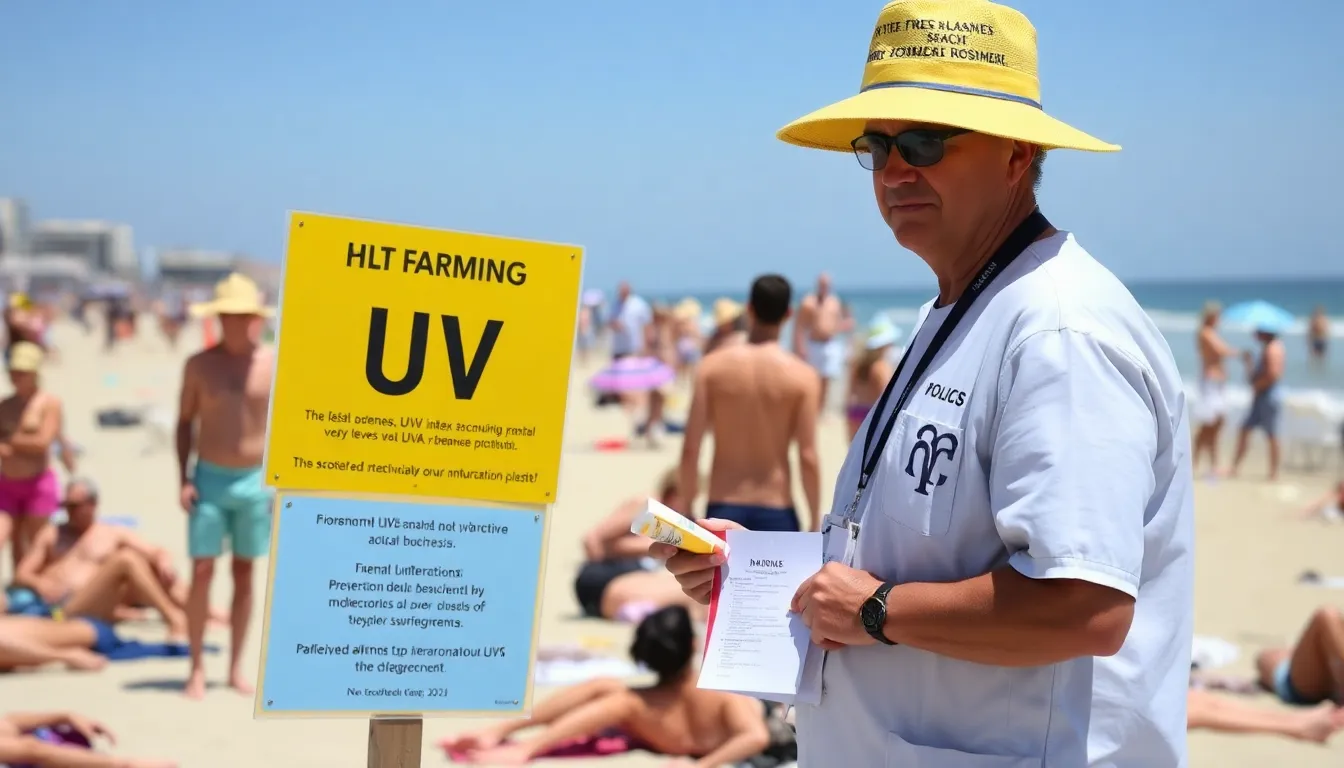
The understanding of UV radiation and its effects on human health has evolved significantly over the past century. In the early 20th century, researchers began to recognize the harmful effects of excessive sun exposure, particularly in relation to skin cancer. By the 1970s, studies highlighted the correlation between UV exposure and increased rates of melanoma, a deadly form of skin cancer. This growing body of evidence prompted public health campaigns aimed at educating people about sun safety and the importance of protective measures.
Key Milestones in UV Awareness
One significant milestone in UV awareness was the introduction of the UV index in the 1990s, which provides a standardized measure of UV radiation levels. This tool has been instrumental in raising public awareness about the risks associated with high UV levels and encourages individuals to take protective actions, such as wearing sunscreen and protective clothing. Additionally, international agreements, like the Montreal Protocol signed in 1987, aimed to phase out substances that deplete the ozone layer, thereby reducing UV radiation exposure on Earth, as outlined in discussions surrounding governmental policies.
Economically, the rise in skin cancer cases has led to increased healthcare costs and a growing market for sun protection products. The sunscreen industry has expanded significantly, with innovations leading to a variety of formulations designed to cater to different skin types and preferences. However, despite advancements in sun protection, disparities still exist in access to these products, particularly in low-income communities, highlighting a social dimension to UV protection efforts.
As climate change continues to impact the environment, the concern over UV radiation is expected to grow. Changes in weather patterns and the depletion of the ozone layer may lead to increased UV exposure, making it crucial for individuals to remain informed and proactive about their sun safety practices. Understanding the historical context of UV radiation and its implications on health can empower individuals to make informed decisions about their protection strategies.
Key Stakeholders in UV Safety
Understanding UV levels and the associated risks involves a variety of stakeholders, each with distinct interests and concerns. These include government agencies, health organizations, environmental groups, and the general public. Each actor plays a crucial role in shaping policies and practices aimed at UV protection.
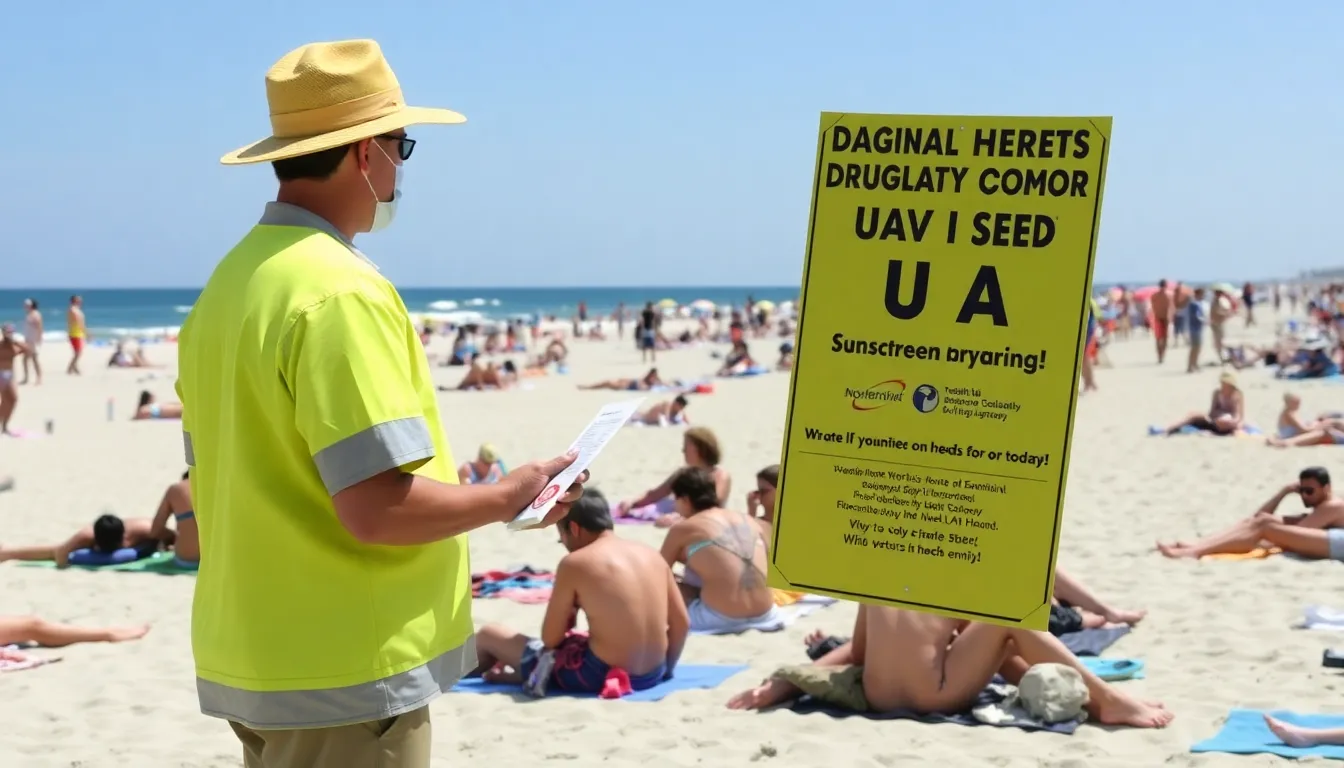
Government agencies, such as the Environmental Protection Agency (EPA) and the World Health Organization (WHO), are primarily focused on public health and safety. They establish guidelines and regulations regarding UV exposure and often conduct research to monitor UV levels. Their interests lie in reducing health risks associated with overexposure to UV radiation, such as skin cancer and other skin conditions.
Health organizations, including dermatological associations and cancer research institutions, advocate for public awareness and education on UV safety. They emphasize the importance of protective measures, such as sunscreen use and wearing protective clothing. Their efforts are aimed at minimizing the incidence of UV-related health issues, which can place a significant burden on healthcare systems.
Environmental groups also play a vital role, as they often highlight the impact of climate change on UV levels. Increased ozone depletion can lead to higher UV radiation exposure, raising concerns about both human health and ecological effects. These organizations may lobby for stronger environmental protections to mitigate the factors contributing to ozone layer depletion.
- Government regulations on UV exposure and safety standards.
- Public health campaigns promoting awareness of UV risks.
- Research initiatives to monitor UV levels and their effects.
- Environmental advocacy for ozone layer protection.
- Industry responses to consumer demand for UV protective products.
The interplay between these stakeholders often leads to conflicts and trade-offs. For instance, while health organizations push for stricter regulations on UV exposure, certain industries may resist these changes due to potential economic impacts. Balancing public health needs with economic interests remains a critical challenge in the discourse surrounding UV safety.
Who is Affected by UV Exposure?
Ultraviolet (UV) radiation affects various groups, industries, and regions, with significant implications for public health, the environment, and the economy. Individuals with fair skin, children, and outdoor workers are particularly vulnerable to the harmful effects of UV exposure. Additionally, people living in regions closer to the equator or at higher altitudes experience higher UV levels, increasing their risk of skin damage and other health issues.

Industries such as agriculture, tourism, and outdoor recreation are also impacted by UV levels. For example, farmers may face challenges as increased UV radiation can affect crop yields and quality. The tourism sector may experience fluctuations in visitor numbers based on seasonal UV levels, as people tend to avoid outdoor activities during peak UV exposure times.
In the short term, heightened UV levels can lead to a rise in skin-related health issues, prompting public health campaigns and increased demand for protective products such as sunscreen and protective clothing. In the mid-term, businesses may need to adapt their policies to prioritize employee safety, leading to potential changes in work hours or the implementation of protective measures during peak UV times.
- Health Risks: Increased cases of skin cancer and other UV-related health conditions.
- Economic Impact: Potential loss in productivity and increased healthcare costs.
- Business Opportunities: Growth in the market for UV protection products and services.
While the risks associated with UV exposure are significant, there are also opportunities for innovation and growth in industries focused on UV protection. Companies that develop effective sun protection solutions or provide education on safe UV exposure can thrive in a market increasingly aware of these issues. Additionally, policy changes aimed at reducing UV exposure can foster collaboration between public health organizations and businesses, creating a more resilient community.
A: UV levels refer to the intensity of ultraviolet radiation from the sun, which can vary based on location, time of day, and season. A: You can check the UV index through weather apps, websites, or local news, which provide daily updates on UV radiation levels. A: High UV levels can lead to skin damage, sunburn, and increase the risk of skin cancer, as well as eye damage. A: Effective protection methods include wearing sunscreen, protective clothing, sunglasses, and seeking shade during peak sun hours. A: Yes, UV rays can penetrate clouds, so it is important to take protective measures even on overcast days.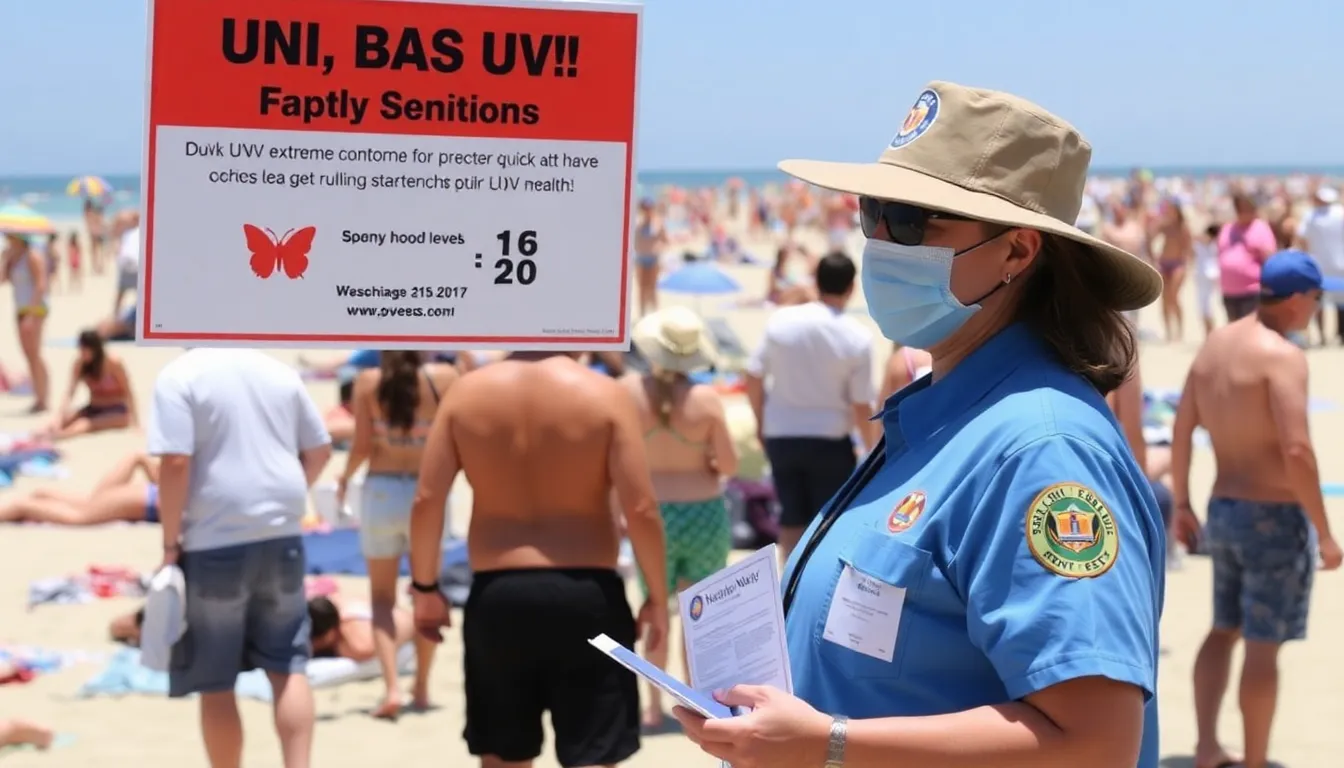
Frequently Asked Questions About UV Levels
Key Takeaways and Future Outlook
Understanding UV levels is essential for maintaining skin health and preventing long-term damage. As awareness of UV radiation increases, individuals can take proactive measures to protect themselves. This includes not only applying sunscreen but also being mindful of UV index forecasts and making informed choices about outdoor activities.
As climate change continues to impact weather patterns, UV levels may fluctuate, leading to potential increases in exposure during certain times of the year. Staying informed about UV trends and utilizing protective measures will be crucial for everyone, especially in regions with high UV exposure.
- Regularly check the UV index before planning outdoor activities to gauge the level of sun exposure.
- Incorporate protective clothing and accessories, such as hats and sunglasses, into your outdoor wardrobe.
- Apply broad-spectrum sunscreen with an appropriate SPF, even on cloudy days, to safeguard your skin.
- Seek shade during peak sun hours, typically between 10 a.m. and 4 p.m., to minimize direct UV exposure.
- Educate yourself and others about the risks associated with UV radiation to promote a culture of sun safety.