
The ejection occurred when the aircraft experienced a malfunction, prompting the pilots to activate the ejection system. Fortunately, both airmen successfully ejected and landed safely, but the event has sparked discussions about the potential risks associated with high-performance military aircraft and the importance of regular maintenance and safety checks.
In light of this incident, the U.S. Air Force is conducting a thorough investigation to determine the cause of the malfunction. This inquiry is crucial not only for understanding the specific circumstances of this event but also for ensuring that similar incidents do not occur in the future.
The F-15E, known for its versatility and combat capabilities, has been a vital asset in various military operations. However, as technology evolves, the need for continuous upgrades and safety enhancements becomes increasingly important to maintain the aircraft’s effectiveness and crew safety.
Background on the F-15E and Its Ejection Mechanisms
The F-15E Strike Eagle, a dual-role fighter designed for both air-to-air and air-to-ground missions, has been a cornerstone of the United States Air Force since its introduction in the late 1980s. Developed from the F-15 air superiority fighter, the F-15E was specifically engineered to meet the needs of modern warfare, incorporating advanced avionics and weapon systems. Its ability to operate in diverse environments and perform a variety of missions has made it a vital asset in numerous conflicts over the decades.
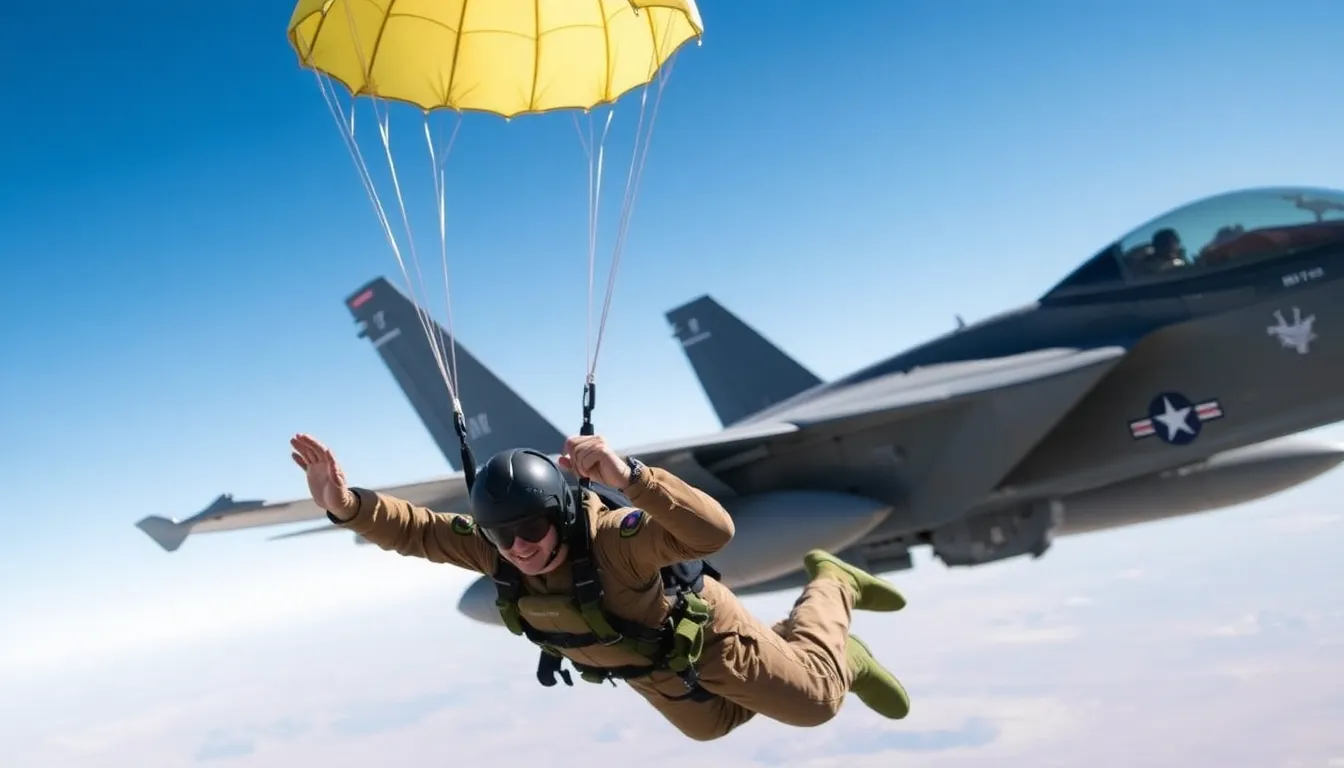
One of the critical safety features of the F-15E is its ejection system, which is designed to allow pilots and weapon systems officers to safely exit the aircraft in the event of an emergency. The ejection mechanism has evolved significantly since the aircraft’s inception, integrating advanced technologies that enhance the safety and effectiveness of ejections, which is a vital aspect of using military jets.
Historically, the ejection system has been tested in various scenarios, leading to improvements based on pilot feedback and accident investigations. For instance, the introduction of the ACES II ejection seat has greatly improved the chances of survival during ejections at low altitudes and high speeds. This evolution reflects the military’s commitment to pilot safety and the lessons learned from past incidents involving ejection failures or complications.
Key Milestones in Ejection Seat Development
The development of ejection seats has a rich history, with significant milestones impacting their design and functionality. The first successful ejection seat was used during World War II, and since then, advancements have been made to accommodate the unique requirements of various aircraft types, including modern jets like the F-15E, which play a crucial role in military operations.
Key Issues Surrounding the Ejection Process
The ejection process from an F-15E fighter jet involves multiple stakeholders, including the airmen themselves, military organizations, and aviation safety regulators. Each of these actors has distinct interests that influence the protocols and technologies involved in ejection systems. Understanding these interests is crucial for comprehending the broader implications of any ejection scenario.
Airmen are primarily concerned with their safety and survival during emergencies. Their training and experience play a significant role in how effectively they can utilize the ejection system. On the other hand, military organizations, such as the U.S. Air Force, prioritize operational readiness and mission success, which can sometimes lead to trade-offs between safety features and performance capabilities of the aircraft.
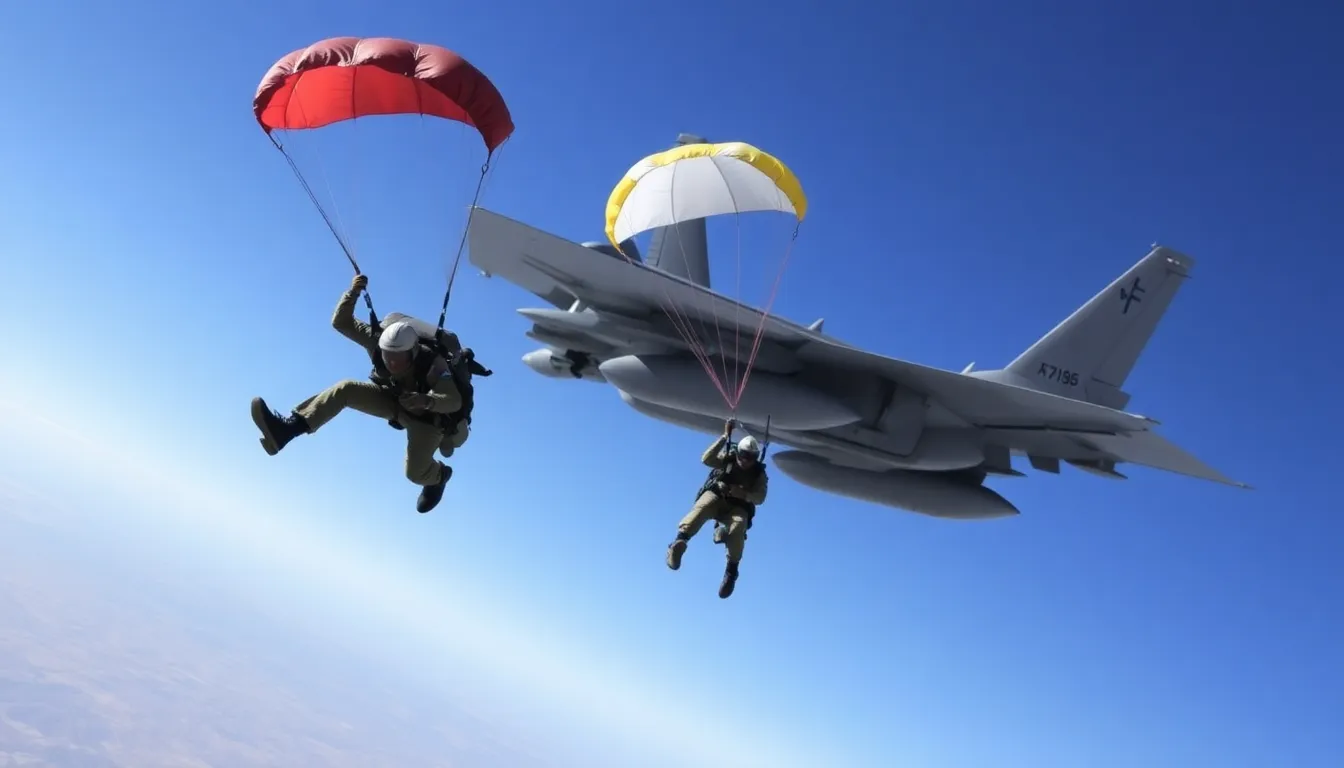
Key legal and economic issues also arise in the context of ejection systems. For instance, the liability of manufacturers in case of malfunctioning equipment can lead to intense scrutiny and potential litigation. Additionally, the costs associated with upgrading ejection systems and ensuring compliance with safety regulations can impact military budgets and resource allocation.
- Safety Protocols: The need for rigorous training and adherence to safety protocols is essential for successful ejections.
- Technological Advancements: Ongoing developments in ejection system technology can enhance safety but may also require significant investment.
- Operational Impact: Balancing safety features with the aircraft’s performance capabilities poses a challenge for military planners.
- Legal Considerations: Manufacturers face legal responsibilities for the reliability of ejection systems, influencing design and production standards.
- Budget Constraints: Economic factors can limit the extent to which military organizations can implement advanced safety measures.
Impact on Airmen and Military Operations
The recent insights into the ejection procedures of F-15E airmen highlight significant implications for various groups, particularly military personnel, defense contractors, and aviation safety organizations. Understanding these procedures not only affects the airmen involved but also influences training protocols and operational strategies within the military.
In the short term, airmen may experience heightened awareness regarding ejection protocols, leading to an increased focus on safety training and preparedness. This could result in immediate changes to training schedules and exercises, ensuring that personnel are well-equipped to handle emergency situations. Additionally, defense contractors may need to reassess the design and functionality of ejection systems, leading to potential adjustments in production timelines.
In the mid-term, the implications extend to military operations as a whole. Enhanced safety measures and updated ejection protocols could lead to improved morale among airmen, as they gain confidence in their equipment and training. However, there is also a risk that increased focus on safety could slow down operational readiness, as time spent on training may detract from mission execution.
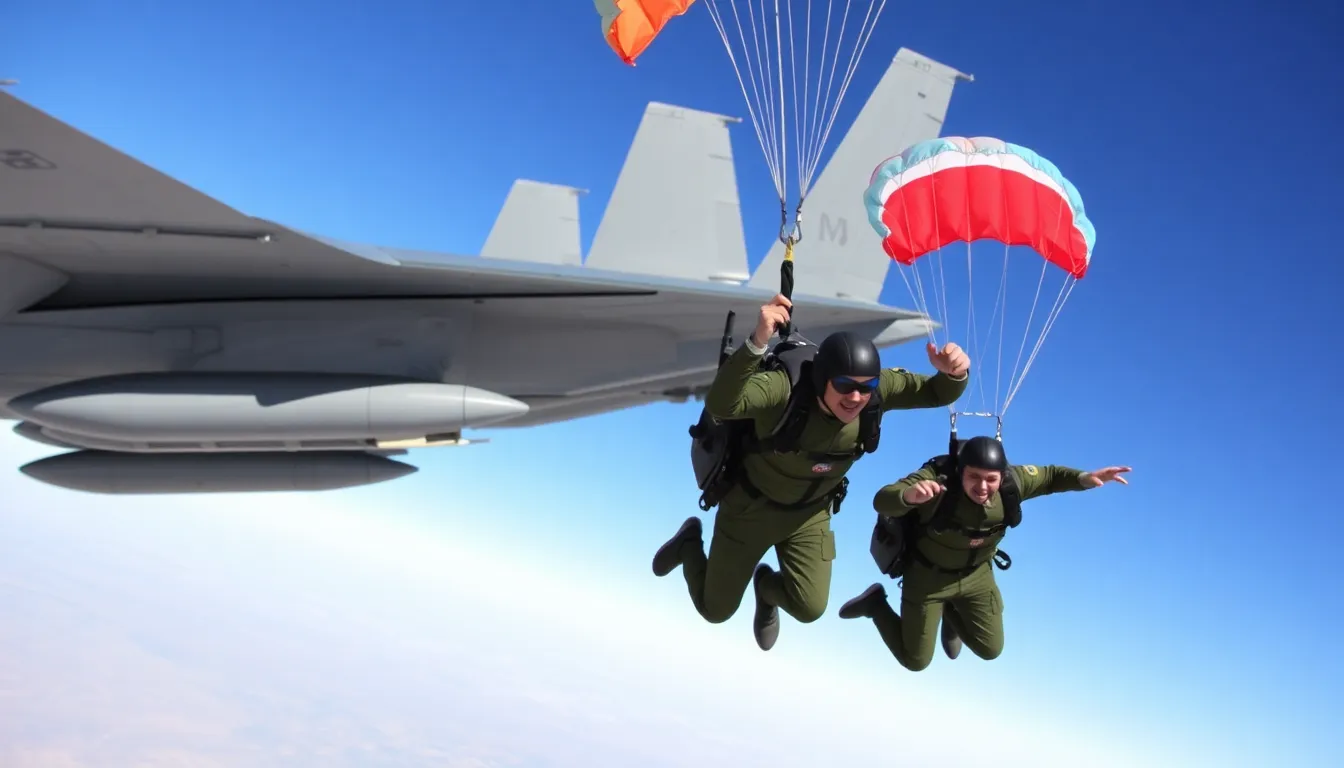
- Short-term impacts: Increased safety training and protocol awareness.
- Mid-term impacts: Potential changes in operational readiness and morale among airmen.
- Risks: Possible delays in mission execution due to training emphasis.
- Opportunities: Innovations in ejection system designs and enhanced safety measures.
Overall, the analysis of ejection procedures not only serves to protect airmen but also fosters advancements in military aviation safety, ultimately benefiting the defense sector and enhancing operational effectiveness.
A: Ejecting from an F-15E involves pulling the ejection handle, which activates the ejection seat mechanism. The seat then propels the airman away from the aircraft, followed by the deployment of the parachute. A: The ejection seat in the F-15E is designed to ensure the safety of the pilot and weapon systems officer. It uses a rocket system to quickly propel the occupant out of the aircraft in case of an emergency. A: Yes, ejection can pose risks such as potential injuries from the ejection process itself or from landing. However, the system is designed to minimize these risks as much as possible. A: Airmen undergo extensive training that includes simulations and practical exercises to prepare them for ejection scenarios. This training is crucial for ensuring their safety and effectiveness in emergency situations. A: After ejection, the airman must follow specific procedures to safely land using their parachute. They also have protocols for signaling for rescue and ensuring their safety upon landing.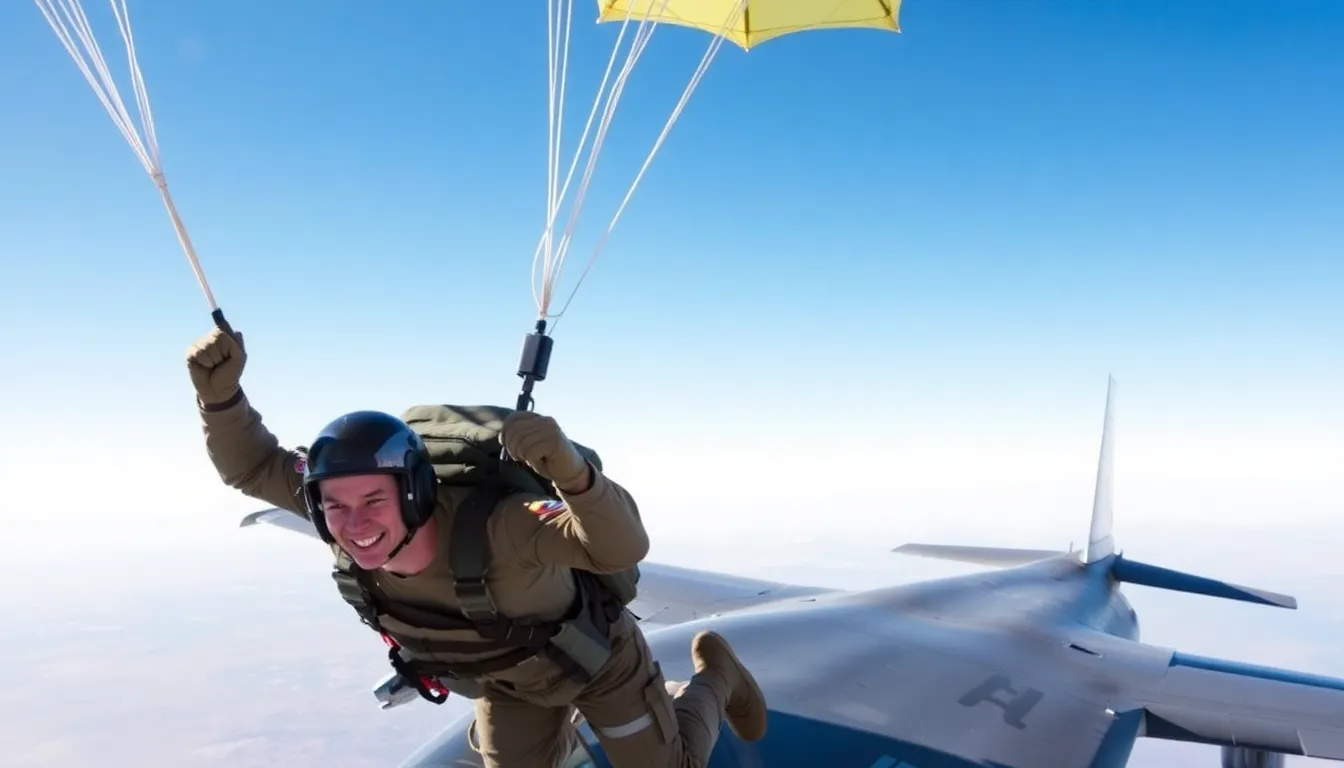
Frequently Asked Questions about Ejection Procedures
Key Takeaways and Future Considerations
The ejection procedures from the F-15E highlight the critical importance of pilot training and preparedness in high-stakes environments. Understanding the mechanics of ejection not only underscores the inherent risks of flying advanced military aircraft but also emphasizes the need for continuous improvement in safety protocols and technology. As airmen adapt to evolving aerial combat scenarios, the lessons learned from these procedures will play a crucial role in shaping future training programs and aircraft design.
Moreover, as military aviation technology advances, the integration of new safety features and enhanced ejection systems could significantly improve pilot survivability. Observing how these developments unfold will be essential for both military personnel and aviation enthusiasts alike.
- Enhanced training programs focusing on emergency ejection procedures can improve pilot readiness.
- Ongoing advancements in ejection seat technology may lead to increased safety and survivability rates.
- Regular simulation exercises can help pilots practice ejection scenarios in a controlled environment.
- Collaboration between engineers and pilots is vital for developing more effective safety measures.
- Monitoring incidents and outcomes can provide valuable insights for future aviation safety regulations.