
On October 15, 2023, H.H.S. officials confirmed that they are actively seeking to reassemble the committee, which had been disbanded in 2020 due to administrative changes. The committee plays a vital role in reviewing vaccine data, making recommendations, and addressing public concerns, which have become increasingly important as new vaccines are developed and distributed. For more on vaccine transparency, visit this article.
Key stakeholders, including public health experts and community leaders, have expressed support for the restoration of the committee. They argue that a transparent advisory body is essential for building trust in vaccines and ensuring that vaccination efforts are based on sound scientific evidence and public input.
The reinstatement of the Vaccine Advisory Committee is expected to take several months, with H.H.S. aiming to have members appointed by early 2024. As the nation navigates ongoing public health challenges, the committee’s expertise will be instrumental in shaping vaccine policies and enhancing public confidence in vaccination programs. Improved guidance from advisory committees is essential, as noted in related discussions.
Understanding the background of the Vaccine Advisory Committee
The Vaccine Advisory Committee has a long and complex history within the framework of public health in the United States. Established to provide expert guidance on immunization practices, the committee has played a crucial role in shaping vaccination policies and ensuring public confidence in vaccines. Its recommendations have historically influenced vaccination schedules, funding for immunization programs, and responses to emerging health threats.
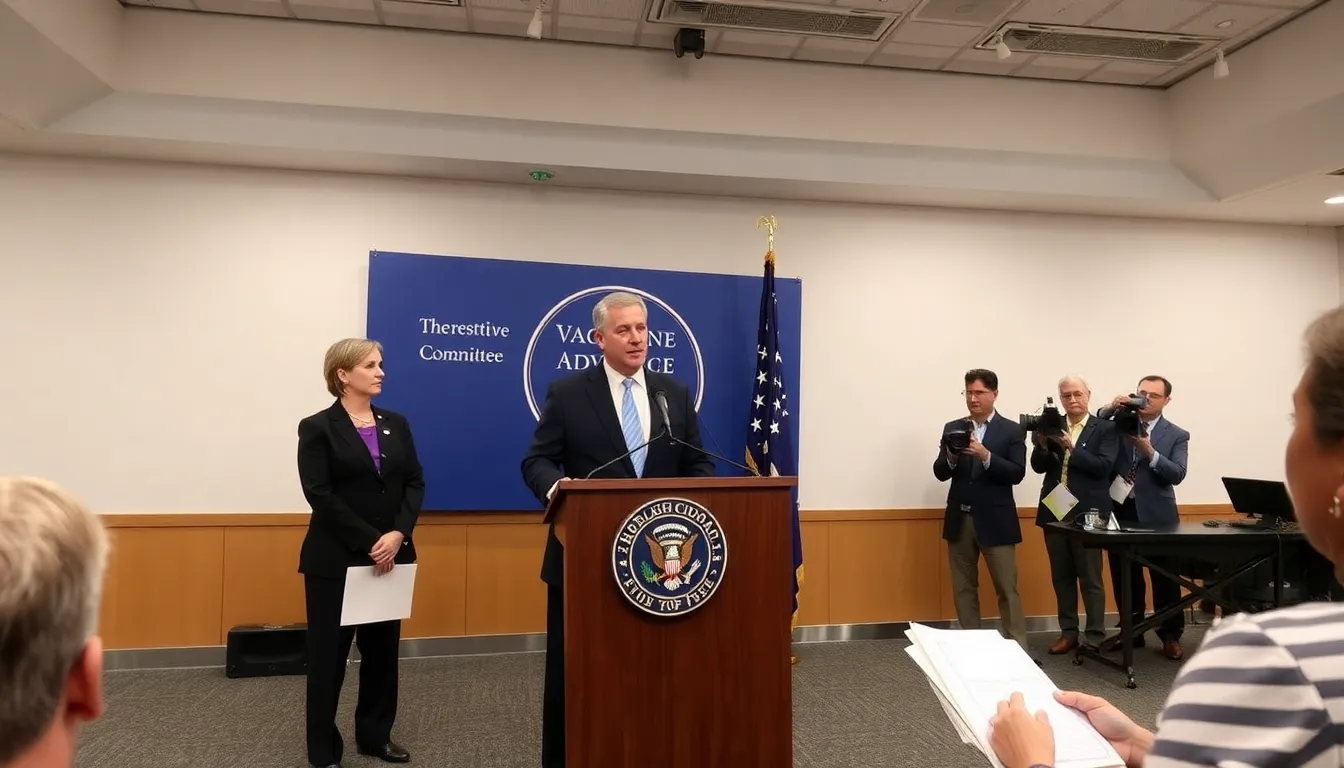
In recent years, the political landscape surrounding vaccines has shifted dramatically. Increased public skepticism about vaccine safety, fueled by misinformation and high-profile anti-vaccine movements, has prompted calls for a more robust advisory framework. The committee’s role became even more critical during the COVID-19 pandemic, where rapid vaccine development and deployment raised questions about safety, efficacy, and equitable access.
Key milestones in the committee’s history include the establishment of the National Vaccine Advisory Committee (NVAC) in 1987, which aimed to improve the nation’s vaccination program. Additionally, the Vaccine Injury Compensation Program (VICP), created in 1986, provided a legal framework for addressing claims of vaccine-related injuries, further underscoring the importance of transparent and trustworthy advisory processes.
Recent Developments
In light of the challenges posed by the pandemic and ongoing vaccine hesitancy, the H.H.S. has taken steps to restore and strengthen the Vaccine Advisory Committee. This move is seen as a response to the urgent need for expert guidance in vaccination strategies and a renewed commitment to public health. By reinstating this advisory body, the H.H.S. aims to enhance communication between health officials and the public, fostering trust and ensuring that vaccination efforts are based on sound scientific evidence, much like the efforts discussed in this recent news.
Key stakeholders and issues surrounding the advisory committee
The recent move by the Department of Health and Human Services (H.H.S.) to restore the vaccine advisory committee has drawn attention from various stakeholders, each with distinct interests and concerns. Understanding these players is crucial to grasping the implications of this decision.
Key stakeholders include government agencies, public health organizations, pharmaceutical companies, and the general public. The H.H.S. aims to enhance public trust in vaccine recommendations by reinstating this advisory body, which historically provided expert guidance on immunization policies.
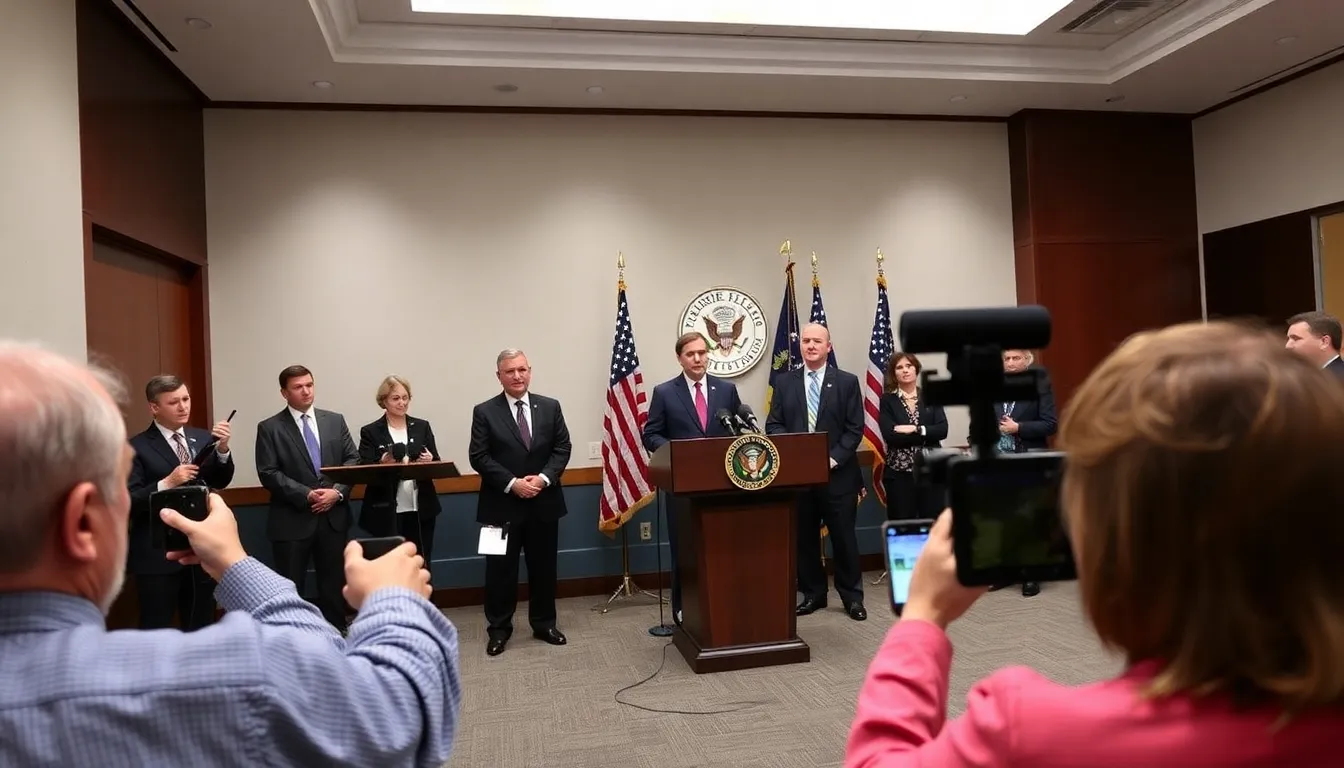
Pharmaceutical companies have a vested interest in the advisory committee’s recommendations, as they can influence vaccine approval processes and market access. Their relationship with the committee is often characterized by a complex interplay of collaboration and scrutiny, as companies seek to ensure their products are favorably reviewed while adhering to safety and efficacy standards.
- Public Health Organizations: These entities advocate for evidence-based vaccine policies and aim to increase vaccination rates, particularly in underserved communities.
- Legal and Ethical Considerations: The restoration of the advisory committee raises questions about the balance between regulatory oversight and the need for timely public health responses, especially during health crises.
- Economic Implications: The decisions made by the advisory committee can impact healthcare costs, insurance coverage, and overall public health spending, making economic analysis essential.
Moreover, the potential for conflicts of interest remains a critical issue. Stakeholders must navigate the delicate balance between scientific integrity and the influence of external pressures, such as lobbying from pharmaceutical companies or political agendas. This dynamic complicates the advisory process and raises questions about the transparency and accountability of the committee’s recommendations.
Who will be affected by the restoration of the committee
The restoration of the vaccine advisory committee by the Department of Health and Human Services (H.H.S.) will have significant implications for various groups, industries, and regions. Primarily, public health officials, healthcare providers, and vaccine manufacturers will be directly impacted. Additionally, communities that rely on vaccination programs for disease prevention will also feel the effects.
In the short term, the re-establishment of this committee may lead to increased confidence in vaccine recommendations among healthcare professionals and the public. This could enhance vaccination rates, particularly in areas with historically low uptake. Conversely, there could be resistance from groups skeptical of vaccines, leading to heightened debates and potential public unrest.
In the mid-term, businesses involved in vaccine production and distribution may experience growth opportunities as demand for vaccines rises. This includes pharmaceutical companies, logistics providers, and healthcare facilities. However, the committee’s recommendations could also introduce new regulations or guidelines that may complicate vaccine approval processes, posing challenges for manufacturers.

- Increased public trust: Enhanced credibility in vaccine recommendations may lead to higher vaccination rates.
- Economic growth: Vaccine manufacturers and related industries may see increased demand.
- Regulatory challenges: New guidelines could create hurdles for vaccine approval and distribution.
- Community impact: Vulnerable populations may benefit from improved vaccination strategies.
Overall, while the restoration of the advisory committee presents risks, particularly in terms of public dissent and regulatory complexities, it also opens up opportunities for improved public health outcomes and economic growth within the vaccine sector.
A: The Vaccine Advisory Committee provides expert recommendations on vaccine use and safety, helping to guide public health policies. A: The committee was disbanded due to various administrative changes and shifts in public health priorities, which raised concerns about vaccine oversight. A: The restoration process will involve re-establishing the committee’s structure, appointing members, and setting a timeline for its first meetings. A: The committee will include public health experts, medical professionals, and representatives from various stakeholder groups to ensure diverse perspectives. A: The restoration of the committee is expected to enhance vaccine policy development and improve public trust in vaccination programs.
Frequently asked questions about the Vaccine Advisory Committee
Looking ahead: the future of the Vaccine Advisory Committee
The recent move by H.H.S. to reinstate the Vaccine Advisory Committee marks a significant step toward enhancing public trust in vaccine guidance and decision-making. As the nation continues to navigate the complexities of vaccination strategies, the committee’s role will be pivotal in addressing concerns and providing expert recommendations that align with current health challenges.
Stakeholders should remain vigilant as the committee begins its work, paying attention to how its recommendations influence vaccine policy and public health initiatives. The effectiveness of this advisory body will largely depend on its ability to engage with diverse communities and incorporate a wide range of perspectives in its deliberations.
- Monitor the committee’s composition to ensure it reflects a diverse range of expertise and community representation.
- Watch for the committee’s recommendations on new vaccine developments, particularly in response to emerging variants.
- Evaluate the impact of the committee’s guidance on public vaccination rates and overall health outcomes.
- Consider the potential for increased transparency in the committee’s decision-making processes to bolster public confidence.
- Stay informed about how the committee addresses vaccine hesitancy and engages with communities most affected by health disparities.