
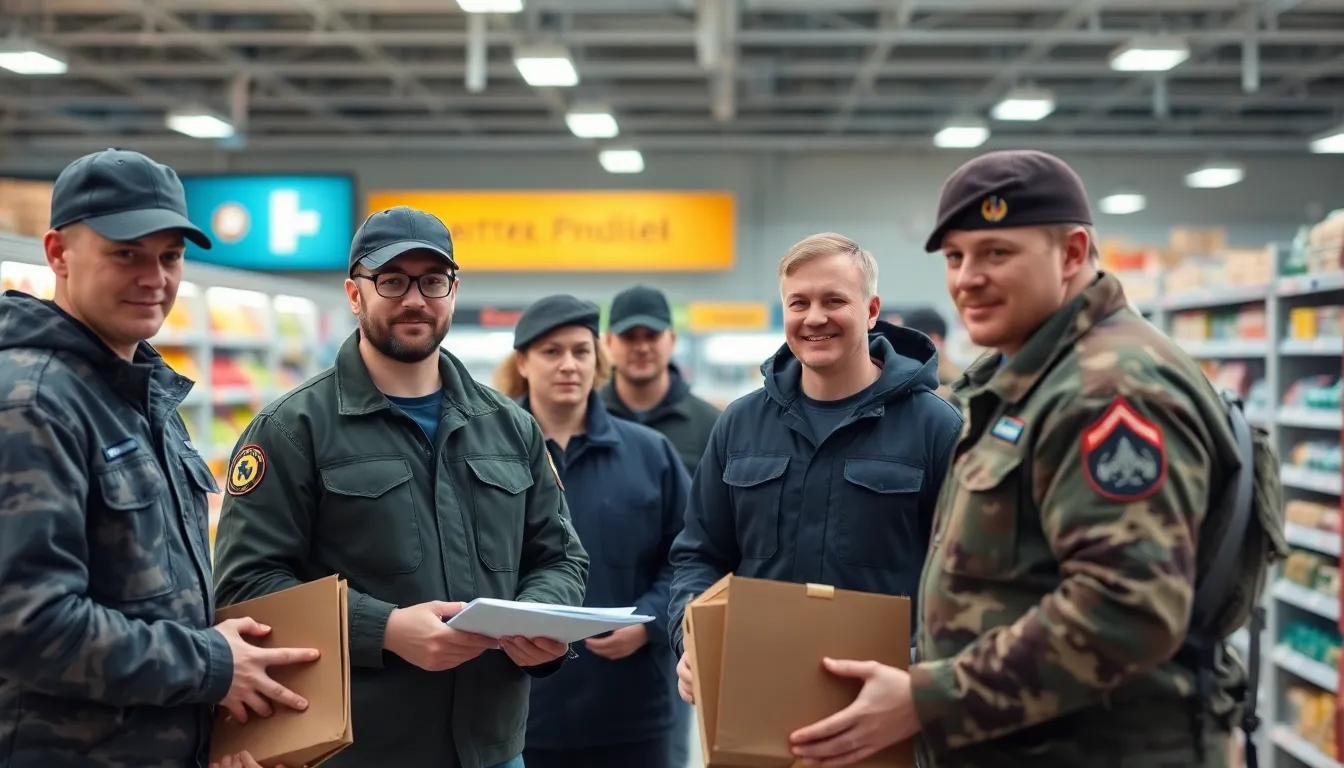
Since early 2023, the Finnish government has been collaborating with major supermarket chains to enhance their preparedness for potential disruptions. This includes stockpiling essential goods and establishing protocols for rapid distribution in times of crisis. The emphasis on supermarkets stems from their ability to quickly mobilize resources and provide necessary supplies to the public, which is vital during any national emergency, similar to how supermarkets play a role in crisis management.
Moreover, the Finnish Defence Forces have initiated training programs that involve supermarket staff, focusing on logistics and emergency response. This partnership aims to create a seamless integration between civilian supply chains and military needs, ensuring that critical supplies remain accessible. As Finland continues to navigate its security landscape, the collaboration between supermarkets and defence agencies is becoming increasingly significant.
The importance of this initiative is underscored by Finland’s strategic location and its historical context. With a border shared with Russia, the country is acutely aware of the need for robust defence mechanisms. By leveraging the infrastructure of supermarkets, Finland aims to bolster its resilience against potential threats, ensuring that civilians are well-supported in any crisis scenario.
The Historical Context of Food Security in Finland
Finland’s unique geographical location and historical experiences have significantly shaped its approach to food security and defense. The country has faced various challenges, from harsh winters to geopolitical tensions, which have necessitated a robust strategy for ensuring that its population has access to food during crises. The importance of supermarkets in this context cannot be overstated, as they serve not only as retail outlets but also as critical nodes in the national supply chain.
During World War II, Finland’s struggle for independence and territorial integrity highlighted the vulnerabilities of its food supply. The Winter War (1939-1940) and the Continuation War (1941-1944) disrupted agricultural production and distribution channels, forcing the government to implement rationing and prioritize food security. This historical backdrop laid the groundwork for a system where supermarkets would eventually play a crucial role in both everyday life and national defense, much like how teams adapt strategies during tough times.
The Evolution of Supermarkets in Finland
The post-war era saw a significant transformation in the retail landscape, with supermarkets emerging as a vital component of food distribution. By the 1960s, the Finnish government recognized the need for a stable food supply as a matter of national security. Policies were enacted to support local agriculture, and supermarkets began to stockpile essential goods to prepare for potential crises. This evolution reflected a growing understanding that food security was intertwined with national resilience.
In recent years, Finland has faced new challenges, including the COVID-19 pandemic and the geopolitical tensions with neighboring countries. These events have underscored the importance of supermarkets in maintaining food security and public order. They have become central to the government’s strategy for ensuring that citizens have access to essential goods, even in times of uncertainty, reflecting a trend seen in various global contexts such as where cultural resilience is tested.
Today, the integration of supermarkets into Finland’s defense framework is more relevant than ever. The government continues to collaborate with retailers to enhance food security measures, ensuring that the population is well-prepared for any potential disruptions. This ongoing relationship between supermarkets and national defense reflects a deep-seated recognition that food security is a fundamental pillar of societal stability.
Key Stakeholders and Their Interests in Supermarket Operations
In Finland, supermarkets play a crucial role not only in everyday consumer life but also in the broader context of national defense. The key stakeholders involved include government agencies, supermarket chains, consumers, and local producers. Each of these actors has distinct interests that can sometimes conflict with one another, particularly when it comes to issues of supply chain security and economic stability.
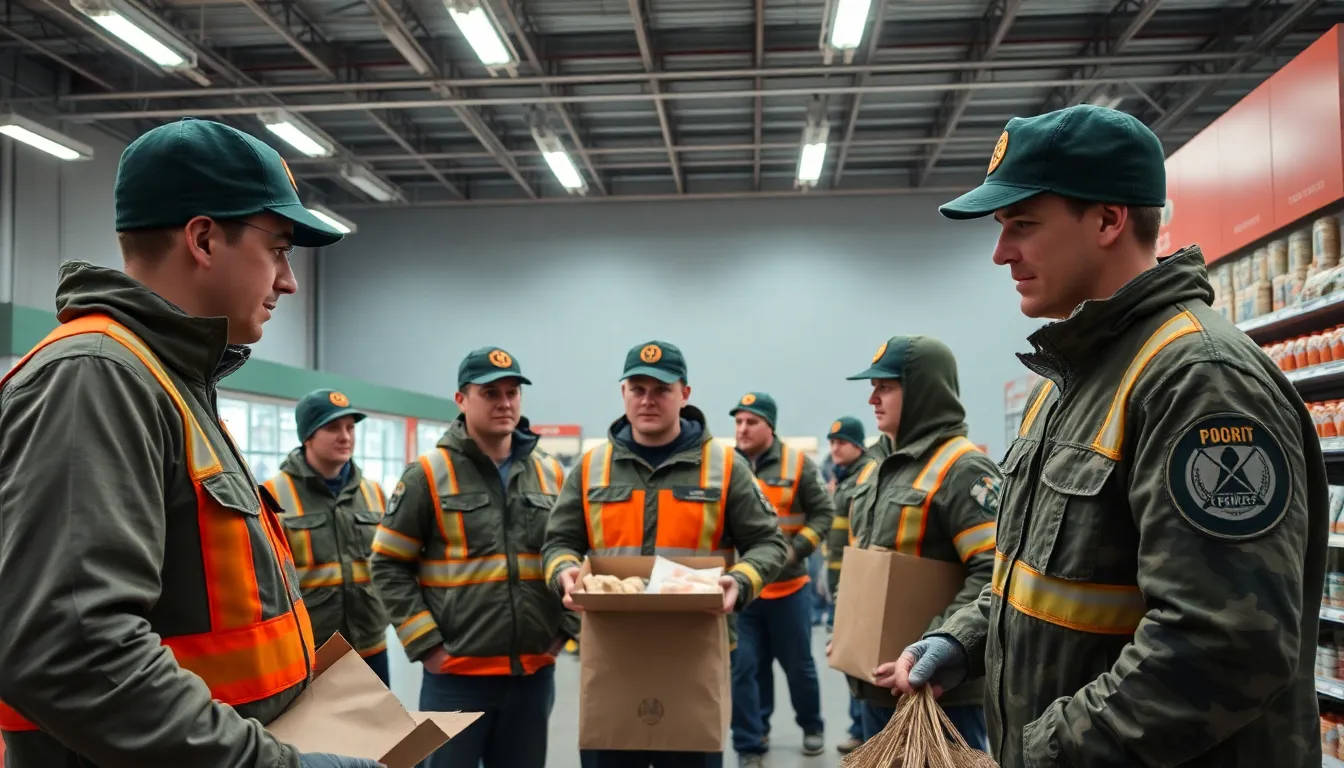
Government agencies, such as the Ministry of Agriculture and Forestry, are primarily concerned with ensuring food security and maintaining the resilience of the supply chain. Their interest lies in implementing regulations that support local production and distribution networks, which are vital during times of crisis. This can create tension with supermarket chains that may prioritize cost-efficiency and global sourcing over local procurement.
Supermarket chains, including major players like S-Group and Kesko, have a vested interest in maintaining profitability while meeting consumer demand. They often face trade-offs between sourcing products locally, which can enhance national security, and importing goods at lower costs. This dynamic raises key legal and economic issues, as regulations may encourage local sourcing but could also lead to increased prices for consumers.
- Supply Chain Resilience: The need for supermarkets to ensure a reliable supply of goods during geopolitical tensions.
- Consumer Preferences: The growing demand for locally sourced products among Finnish consumers.
- Regulatory Framework: The impact of government policies on supermarket operations and local production.
- Economic Trade-offs: Balancing cost and quality in product sourcing to meet both consumer and regulatory expectations.
Local producers also play a significant role in this ecosystem. Their interests align with government objectives to promote local agriculture and reduce dependency on imports. However, supermarkets may find it challenging to balance these interests with their need for a diverse product range, which can lead to conflicts over pricing and availability.
The Impact of Supermarkets on Community Resilience
Finnish supermarkets play a crucial role in the nation’s defense strategy, affecting various groups and industries. Primarily, local communities rely on these supermarkets for essential goods, making them central to daily life. This reliance extends to farmers and suppliers who provide food products, thus intertwining the agricultural sector with national security. Furthermore, logistics companies that ensure the timely delivery of goods are also impacted, highlighting the interconnectedness of these sectors.
In the short term, the presence of well-stocked supermarkets can alleviate panic during crises, ensuring that citizens have access to necessary supplies. This stability can foster a sense of security among the public, reducing the likelihood of unrest. However, in times of heightened tension or conflict, the supply chains may face disruptions, leading to potential shortages that could affect daily life and consumer confidence.
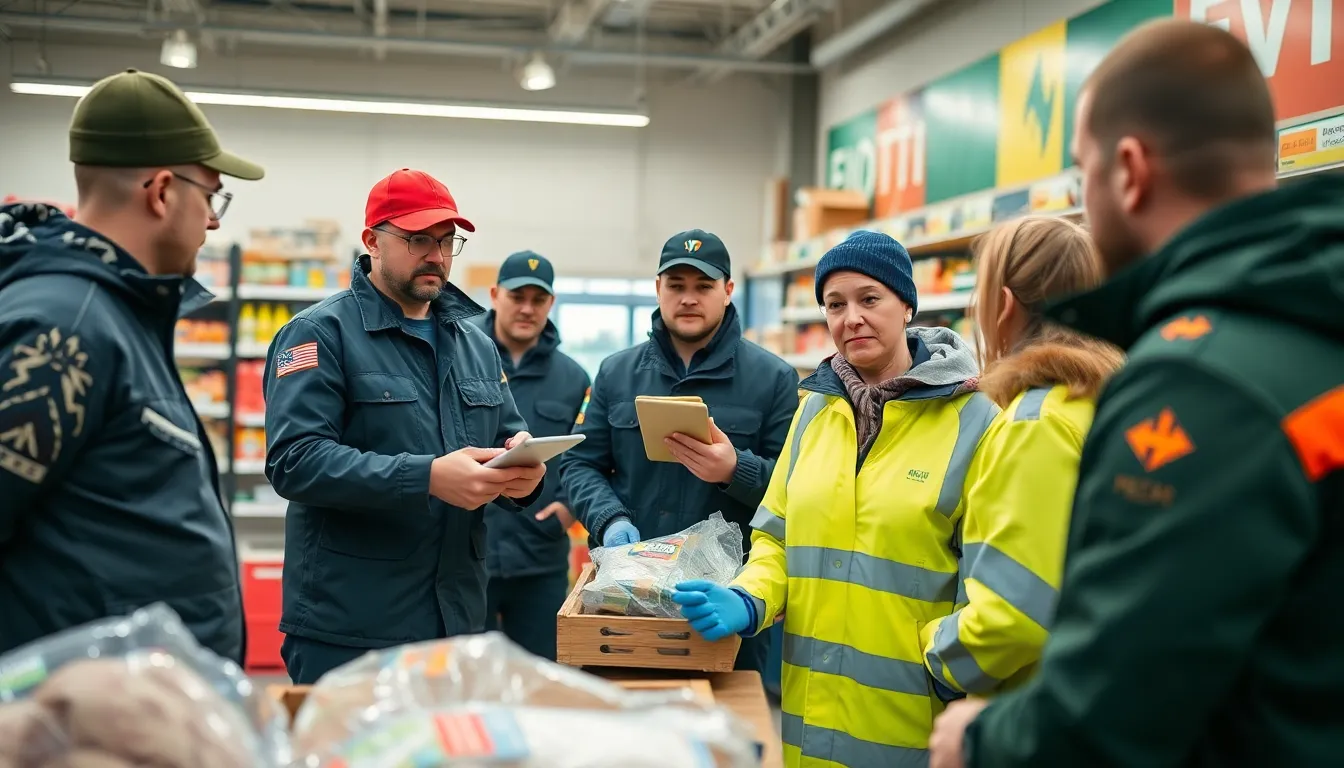
Mid-term impacts may include policy shifts aimed at bolstering food security and local production. As the government recognizes the importance of supermarkets in national defense, there may be increased support for local agriculture and incentives for supermarkets to stock domestic products. This could create opportunities for farmers and local businesses, driving economic growth within communities.
- Risks: Supply chain disruptions during crises could lead to food shortages.
- Opportunities: Increased support for local agriculture may enhance food security.
- Community Impact: Supermarkets can serve as hubs for emergency resources during national crises.
Ultimately, the role of Finnish supermarkets extends beyond mere retail; they are integral to the fabric of community resilience. Their influence on policy, local economies, and daily life underscores the necessity of strategic planning and investment in this sector to ensure a robust defense framework.
A: Supermarkets ensure food availability and supply chain stability, which are critical during emergencies. They serve as essential hubs for distributing food and resources to the population. A: Finnish supermarkets implement emergency plans, stockpile essential goods, and collaborate with government agencies to ensure readiness for potential disruptions. A: Yes, there are regulations that require supermarkets to maintain certain stock levels and ensure the continuity of food supply in times of crisis. A: Supermarkets often provide resources, information, and support to local communities, helping them to remain resilient and self-sufficient in challenging times. A: Consumers are encouraged to support local products and maintain a reasonable level of stock at home, which helps ensure community resilience and reduces panic buying during crises.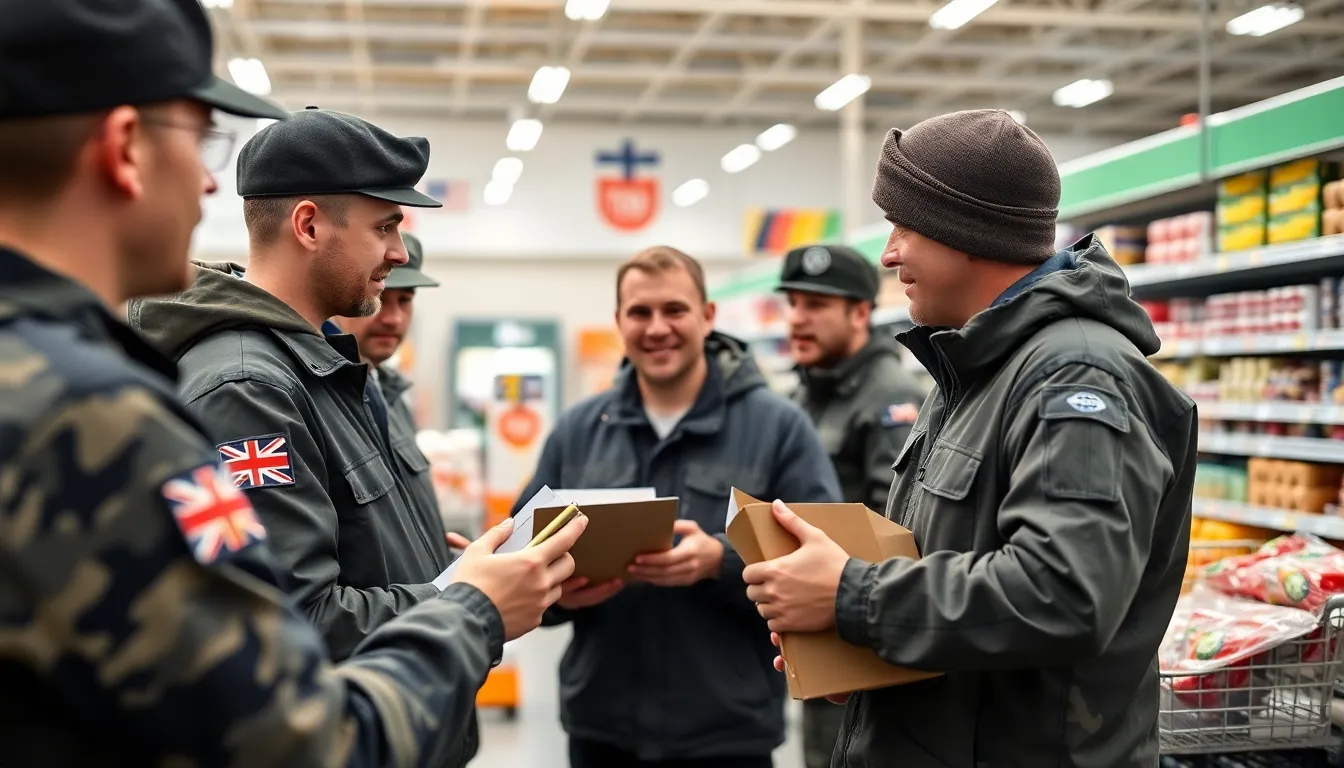
Frequently Asked Questions about Supermarkets and Defence
Key Insights and Future Outlook on Supermarkets in Defence
The role of Finnish supermarkets extends beyond mere commerce; they represent a vital component of national resilience and security. As the geopolitical landscape evolves, these establishments are increasingly recognized for their strategic importance in ensuring food security and supporting local communities during crises. The integration of supply chains and local sourcing not only strengthens the economy but also enhances the nation’s ability to withstand external pressures.
Looking ahead, the collaboration between supermarkets and government agencies will likely deepen, fostering innovative strategies to fortify the country’s defence capabilities. As Finland navigates potential challenges, the adaptability of supermarkets will be crucial in maintaining stability and public confidence.
- Monitor the development of partnerships between supermarkets and governmental entities to enhance national security measures.
- Watch for advancements in supply chain resilience, particularly in local sourcing and emergency preparedness initiatives.
- Consider the implications of consumer behavior shifts towards sustainability and how supermarkets adapt to these trends while supporting defence strategies.
- Observe how supermarkets can act as community hubs in times of crisis, providing not just goods but also essential services and information.