
This strike comes at a time when many hospitals are already grappling with staffing shortages and increased patient demand. The BMA has indicated that the strike will involve junior doctors, who play a critical role in delivering essential services, particularly in emergency departments. This ongoing situation highlights the need for improved working conditions, as discussed in related reports.
Patients are being urged to prepare for potential disruptions to their scheduled appointments and treatments. The BMA has advised individuals to check with their healthcare providers regarding the status of their care during the strike period, as many non-urgent procedures may be postponed.
The implications of this strike extend beyond immediate patient care, highlighting broader issues within the healthcare system, including funding and resource allocation. As negotiations continue, the outcome will be closely watched by both healthcare professionals and patients alike.
Understanding the reasons behind the doctors strike
The ongoing doctors’ strikes are rooted in a complex interplay of historical, political, and economic factors that have evolved over several years. At the core of the issue is the growing dissatisfaction among healthcare professionals regarding pay and working conditions. Many doctors argue that their salaries have not kept pace with inflation and the rising cost of living, leading to calls for better compensation and improved working environments, a concern echoed in other discussions.

Historically, the National Health Service (NHS) has been a pillar of the UK’s healthcare system, but it has faced increasing pressure from budget cuts and resource constraints. This has resulted in a workforce that feels undervalued and overworked, leading to a significant decline in job satisfaction. The situation has been exacerbated by the COVID-19 pandemic, which placed unprecedented strain on healthcare services and highlighted existing flaws in the system.
The Political Landscape
Political decisions over the years have also played a crucial role in shaping the current landscape of healthcare in the UK. Austerity measures implemented in the last decade have led to significant reductions in funding for public services, including the NHS. As a result, many doctors feel that their concerns have been sidelined in favor of budgetary constraints, prompting them to take action through strikes and protests.
Moreover, the negotiation processes between healthcare unions and the government have often been fraught with tension. Previous strikes have set precedents, with some resulting in temporary agreements that have failed to address the underlying issues. As a result, the current strike can be seen as a culmination of years of frustration and a demand for substantive change within the healthcare system.
As the next doctors’ strike approaches, patients are being warned to prepare for potential disruptions in services. The implications of these strikes extend beyond the healthcare professionals themselves, affecting patients who rely on timely medical care. Understanding the historical context and the ongoing struggles of doctors is essential for grasping the significance of this situation and its potential impact on the NHS, which is a topic also explored in recent articles.
Key stakeholders and their positions on the strike
The impending doctors’ strike has brought to the forefront a variety of stakeholders, each with their own interests and concerns. The primary actors include healthcare professionals, patients, government bodies, and healthcare organizations. Each group plays a critical role in the ongoing discourse surrounding the strike and its implications for the healthcare system.
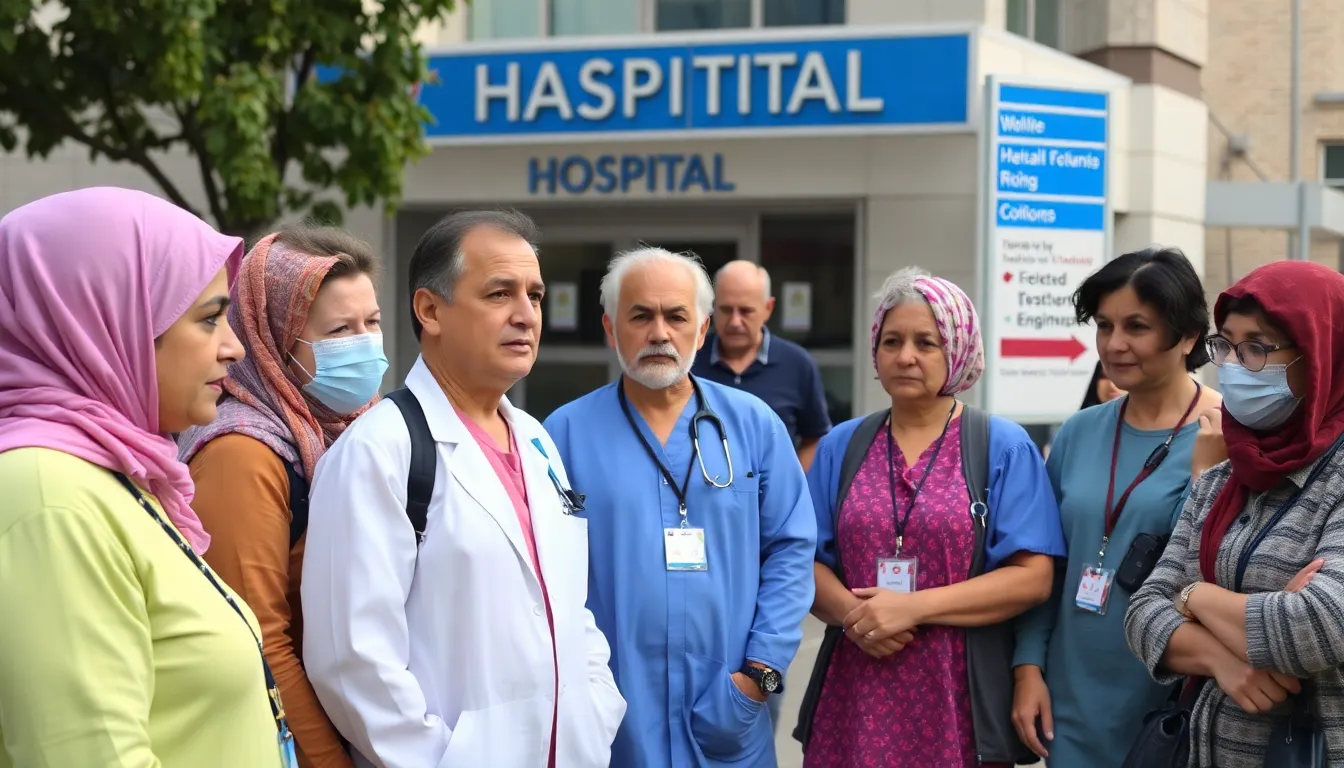
Healthcare professionals, represented by various medical unions, are advocating for better working conditions, fair pay, and adequate resources. Their position is rooted in a desire to ensure that they can provide high-quality care to patients without the burden of excessive workloads or inadequate compensation. The unions argue that without these improvements, the quality of healthcare will suffer, ultimately impacting patient safety and outcomes.
Patients are another key stakeholder, often caught in the middle of the conflict. Their primary concern is access to necessary medical services during the strike. Many patients fear that postponed appointments and elective surgeries could lead to worsening health conditions. Additionally, there is anxiety about the long-term implications of a strained healthcare system, should strikes become more frequent.
- Government bodies: They aim to balance budgetary constraints with the need to maintain a functional healthcare system, often leading to tensions with healthcare professionals.
- Healthcare organizations: These entities are focused on operational continuity and patient care, often advocating for negotiations to minimize disruptions.
- Legal implications: The strike raises questions about legal rights, including the right to strike versus the obligation to provide care.
- Economic issues: The financial impact of strikes on both healthcare facilities and the broader economy is a significant concern, as delays in care can lead to increased costs in the long run.
As negotiations unfold, the trade-offs between improving working conditions for healthcare professionals and ensuring uninterrupted patient care will be crucial. The outcomes of these discussions will not only affect the immediate stakeholders but also shape the future landscape of healthcare delivery in the region.
How the strike will affect patients and healthcare services
The upcoming doctors’ strike is set to impact various groups, including patients, healthcare workers, and the broader community. Patients requiring non-emergency medical care may face delays or cancellations, while those with chronic conditions might experience interruptions in their treatment plans. Additionally, healthcare facilities may struggle to maintain adequate staffing levels, exacerbating the challenges faced by remaining staff.
In the short term, patients may find it difficult to access routine services, leading to longer wait times for appointments and procedures. This could result in increased anxiety for those awaiting critical care or treatment. Moreover, the strike may prompt some patients to seek alternative care options, such as urgent care clinics or telehealth services, which could overwhelm these resources and lead to further delays.
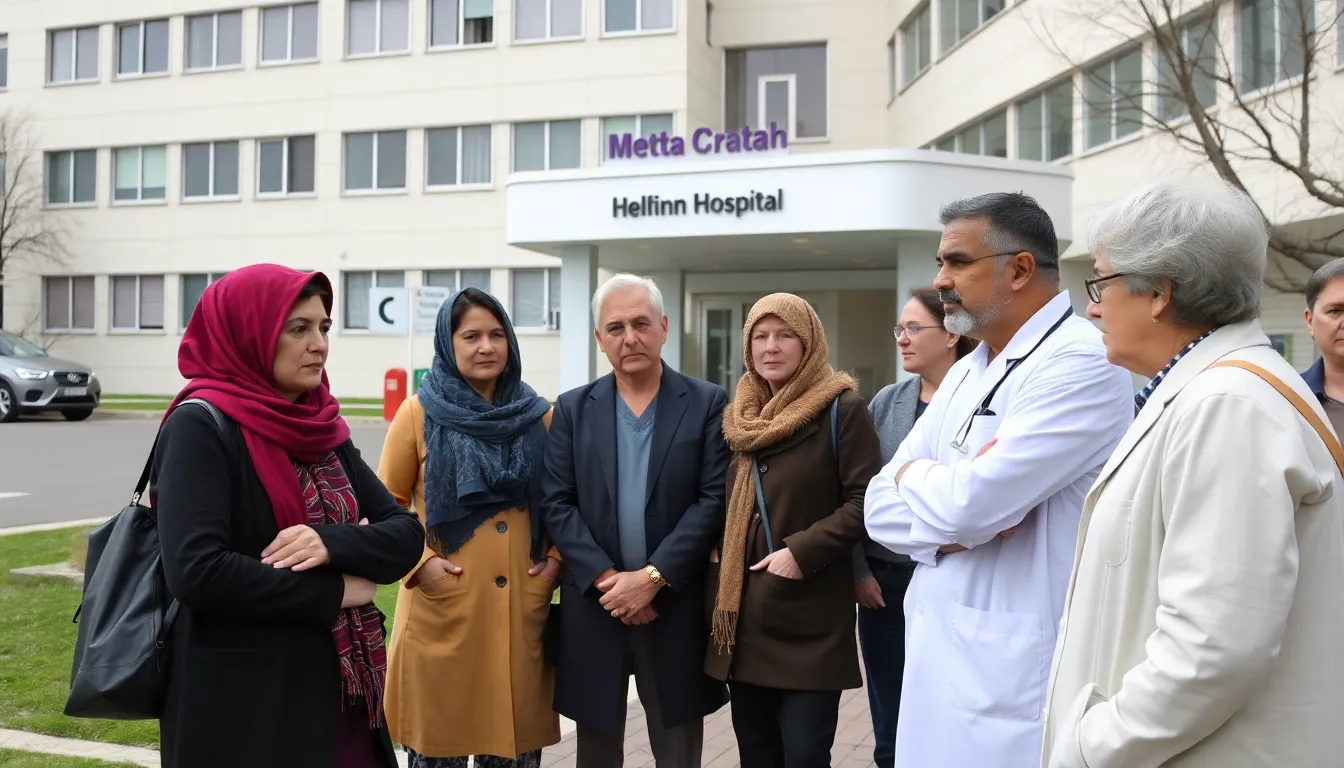
In the mid-term, the strike could have broader implications for healthcare policies and funding. Policymakers may be pressured to address the underlying issues that prompted the strike, such as staffing shortages and wage disputes. This could lead to reforms aimed at improving working conditions for healthcare professionals, ultimately benefiting patient care in the long run.
- Increased wait times for non-emergency medical services.
- Potential rise in alternative care options, such as urgent care and telehealth.
- Pressure on policymakers to address healthcare staffing and funding issues.
- Opportunities for healthcare facilities to innovate in service delivery.
While the strike poses significant risks to patient care and healthcare delivery, it also presents opportunities for systemic improvements. Stakeholders may be encouraged to collaborate on solutions that enhance the healthcare system’s resilience, ensuring better preparedness for future disruptions.
A: Patients are advised to seek alternative care options and reschedule non-urgent appointments. It’s important to stay informed about the strike’s duration. A: The duration of the strike has not been officially confirmed, but it is anticipated to last several days depending on negotiations. A: Emergency services are typically prioritized, but patients should be prepared for longer wait times and potential service limitations. A: The strike is primarily driven by disputes over pay, working conditions, and staffing shortages within the healthcare system. A: Patients can follow official health department announcements and local news for the latest updates regarding the strike and its impact.
Frequently asked questions about the doctors strike
Looking ahead: implications of the doctors strike for patients
The impending doctors’ strike poses significant challenges for patients, particularly concerning access to essential healthcare services. As medical professionals prepare to walk out, it is crucial for patients to understand the potential disruptions to their treatment plans and the healthcare system as a whole. This situation may lead to delays in non-urgent procedures and consultations, prompting patients to reconsider their healthcare strategies.
In light of these developments, patients should remain informed about their rights and available resources during the strike. Proactive communication with healthcare providers can help mitigate the impact of the strike, ensuring that urgent medical needs are addressed promptly. Moreover, understanding the broader implications of the strike may empower patients to advocate for their health effectively.
- Anticipate delays in routine appointments and elective procedures; consider rescheduling if necessary.
- Stay informed about the status of the strike and any changes in healthcare availability through official channels.
- Explore alternative care options, such as telemedicine, especially for non-urgent consultations.
- Maintain open communication with your healthcare provider to understand how your treatment may be affected.
- Advocate for your health by being aware of your rights and available resources during this period.