
In addition to France, Senegal and Japan have made notable strides, both securing positions within the top ten. Senegal’s recent victories in the Africa Cup of Nations qualifiers have solidified their reputation as a formidable team, while Japan’s strong showing in the Asian Football Confederation competitions has garnered international attention.
The power rankings reflect not only current form but also the teams’ historical performances and potential for success in upcoming tournaments. With the World Cup approaching in 2026, these rankings serve as a critical indicator of which nations may be poised for success on the global stage.
Fans and analysts alike are closely monitoring these developments, as the rankings can influence team morale and strategies leading up to the tournament. The competitive landscape is shifting, and the emergence of teams like Senegal and Japan highlights the growing diversity and talent in international football.
Historical performance of top-ranked teams
The FIFA World Cup has long been a stage where nations showcase their football prowess, with historical performances playing a crucial role in shaping the current rankings. France, having won the tournament twice, in 1998 and 2018, has established itself as a football powerhouse. Their consistent performance in international competitions, including the UEFA European Championship, has solidified their status as a leading team on the world stage.
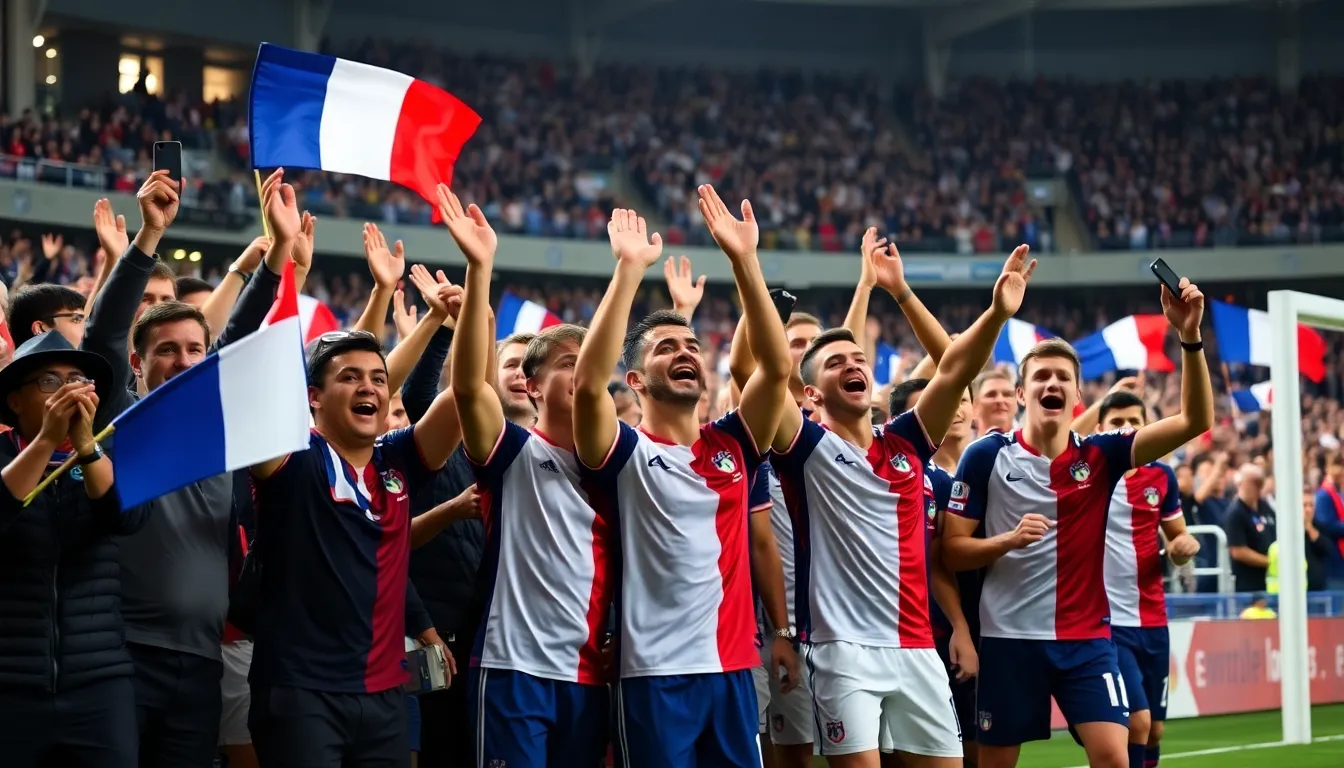
Senegal and Japan, although not as historically dominant as France, have made significant strides in recent years. Senegal’s remarkable run to the quarter-finals in 2002 marked a turning point for African football, showcasing the continent’s growing competitiveness. Similarly, Japan’s advancement to the knockout stages in multiple tournaments has highlighted their development and tactical evolution, earning them respect among footballing nations.
Key milestones in World Cup history
Several key milestones have influenced the current rankings and the emergence of teams like Senegal and Japan. The expansion of the World Cup to include more teams has allowed for greater representation and opportunities for nations to shine. For instance, the introduction of the 32-team format in 1998 enabled teams from diverse regions to compete, leading to memorable upsets and breakthroughs.
Moreover, the rise of professional leagues in countries like Japan has contributed to the national team’s success. With players gaining experience in top leagues around the world, the quality of play has improved, allowing teams to compete effectively against traditional powerhouses. This evolution reflects a broader trend in international football, where investment in grassroots programs and youth development is yielding positive results.
As the World Cup approaches, the rankings not only reflect current form but also the historical context that has shaped these teams. The blend of historical achievements, recent successes, and ongoing development continues to redefine the landscape of international football, making the upcoming tournament an exciting prospect for fans and nations alike.
Key factors influencing the rankings of France, Senegal, and Japan
The world of football is influenced by a myriad of stakeholders, including national football associations, players, coaches, sponsors, and fans. Each of these actors has distinct interests that can affect the power rankings of teams such as France, Senegal, and Japan. Understanding these interests is crucial for analyzing the dynamics at play in international football competitions.
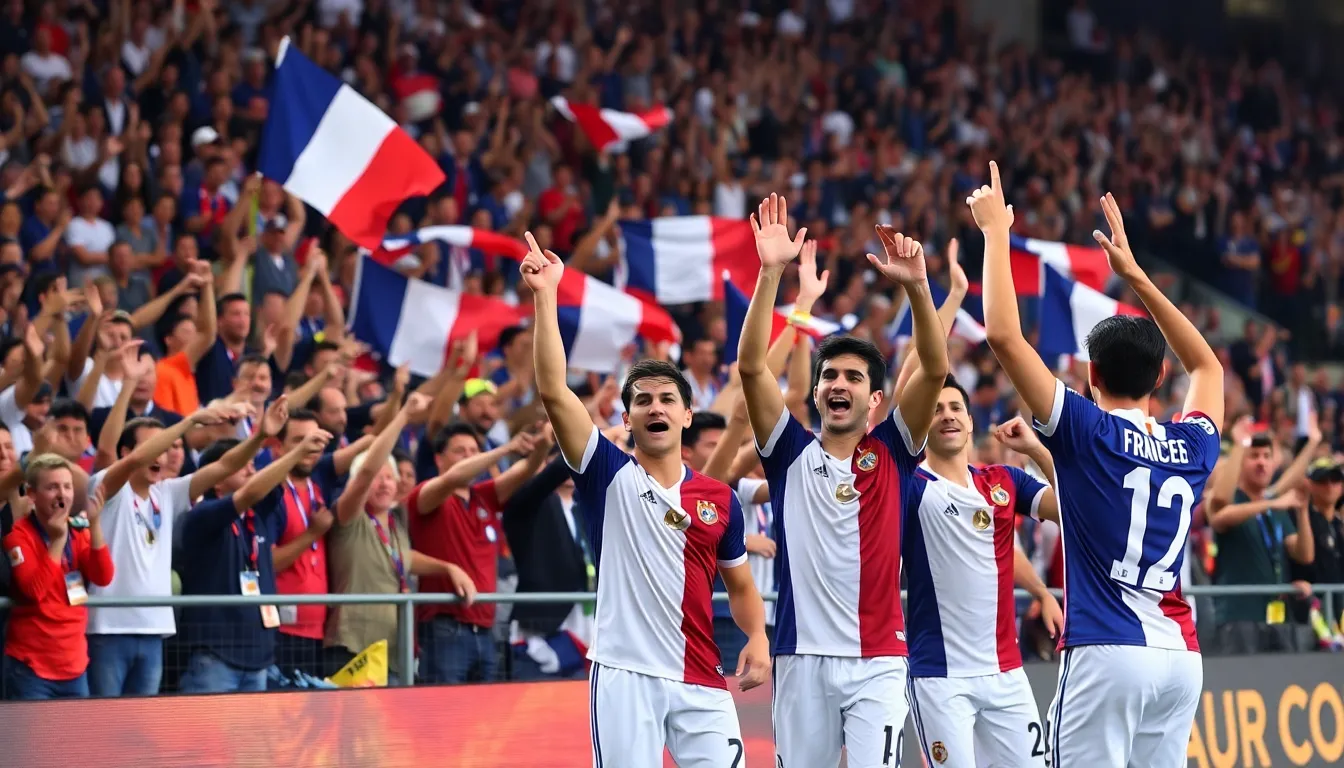
France, as the reigning World Cup champions, has a vested interest in maintaining its top ranking. The French Football Federation (FFF) aims to promote national pride and secure lucrative sponsorship deals, which are often tied to the team’s performance. The players themselves, many of whom compete in top European leagues, also seek to enhance their marketability and career prospects through successful international appearances.
Senegal, with its rising status in the football world, represents a different set of interests. The Senegalese Football Federation is keen on improving the country’s global image and attracting investment in sports infrastructure. The players, who often play in European leagues, have the dual goal of showcasing their talent on an international stage while also inspiring a new generation of footballers back home. This dual focus can create a sense of urgency to perform well in international rankings.
Japan’s football stakeholders are similarly motivated by a blend of national pride and economic interests. The Japan Football Association (JFA) aims to elevate the country’s status in the global football community, which can lead to increased sponsorship and funding opportunities. Additionally, Japanese players are often seen as ambassadors of their culture, and their success can foster greater interest in football domestically, impacting youth participation and development programs.
- Economic interests: Sponsorship and revenue generation linked to team performance.
- National pride: Each country aims to elevate its status on the global stage.
- Player development: Success in rankings can inspire youth participation in football.
- Infrastructure investment: Improved rankings can attract funding for sports facilities.
- Media attention: Higher rankings lead to increased coverage and visibility for the teams.
How these rankings affect team morale and fan expectations
The latest World Cup power rankings, which see France leading the way with Senegal and Japan making the top 10, have significant implications for various groups, including players, fans, and sponsors. Teams ranked highly may experience a boost in morale, enhancing their performance on the field. Conversely, lower-ranked teams might feel increased pressure to improve, impacting their training and strategies.
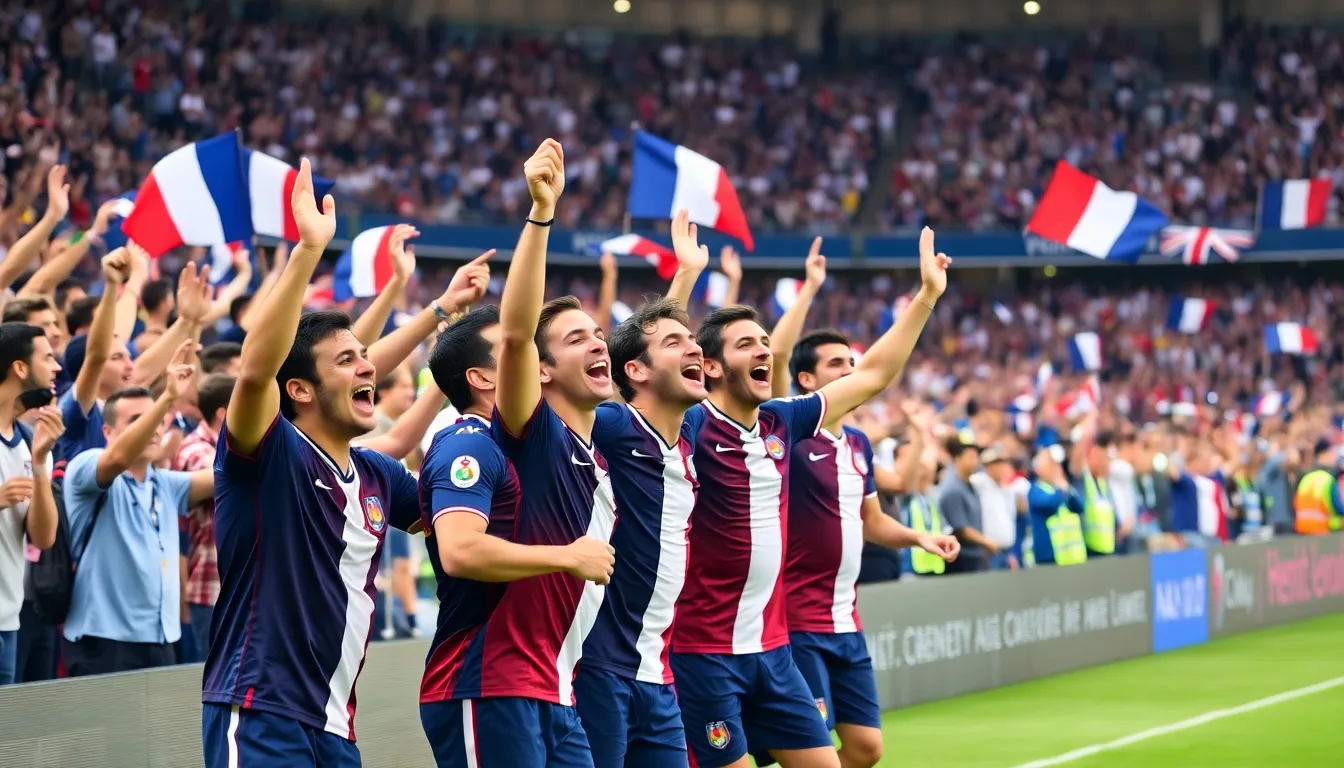
Fans of the top-ranked teams are likely to have heightened expectations, leading to increased engagement and support. This can manifest in higher attendance at matches, more merchandise sales, and a surge in social media activity. In contrast, fans of lower-ranked teams may feel disillusioned, which could affect attendance and support in the short term.
Industries connected to sports, such as tourism, hospitality, and media, will also see fluctuations in activity. For instance, cities hosting matches may experience a spike in tourism, benefiting local businesses. However, if a favored team underperforms, there could be a decline in local spending as fans choose to stay home.
- Short-term impacts: Increased merchandise sales and match attendance for top teams.
- Mid-term impacts: Potential shifts in sponsorship deals based on team performance.
- Risks: Disappointment among fans of lower-ranked teams leading to decreased engagement.
- Opportunities: Enhanced visibility for sponsors associated with high-ranking teams.
The rankings also influence media coverage, with higher-ranked teams receiving more attention. This can lead to increased advertising revenue for broadcasters and media outlets, creating a ripple effect throughout the sports industry. However, it may also lead to a disparity in coverage, with lower-ranked teams struggling to gain visibility, potentially affecting their sponsorship and funding opportunities.
A: The World Cup power rankings are determined based on teams’ recent performances, including match results, player statistics, and overall team strength. A: France’s top ranking is attributed to their consistent performance in recent international matches and their strong squad depth. A: Senegal and Japan’s rise is due to impressive performances in qualifying matches and their ability to compete against higher-ranked teams. A: Teams often adjust their strategies based on rankings, aiming to either maintain their position or improve their standing in upcoming matches. A: Yes, rankings can change rapidly due to upcoming matches, tournaments, and player performances leading up to the World Cup.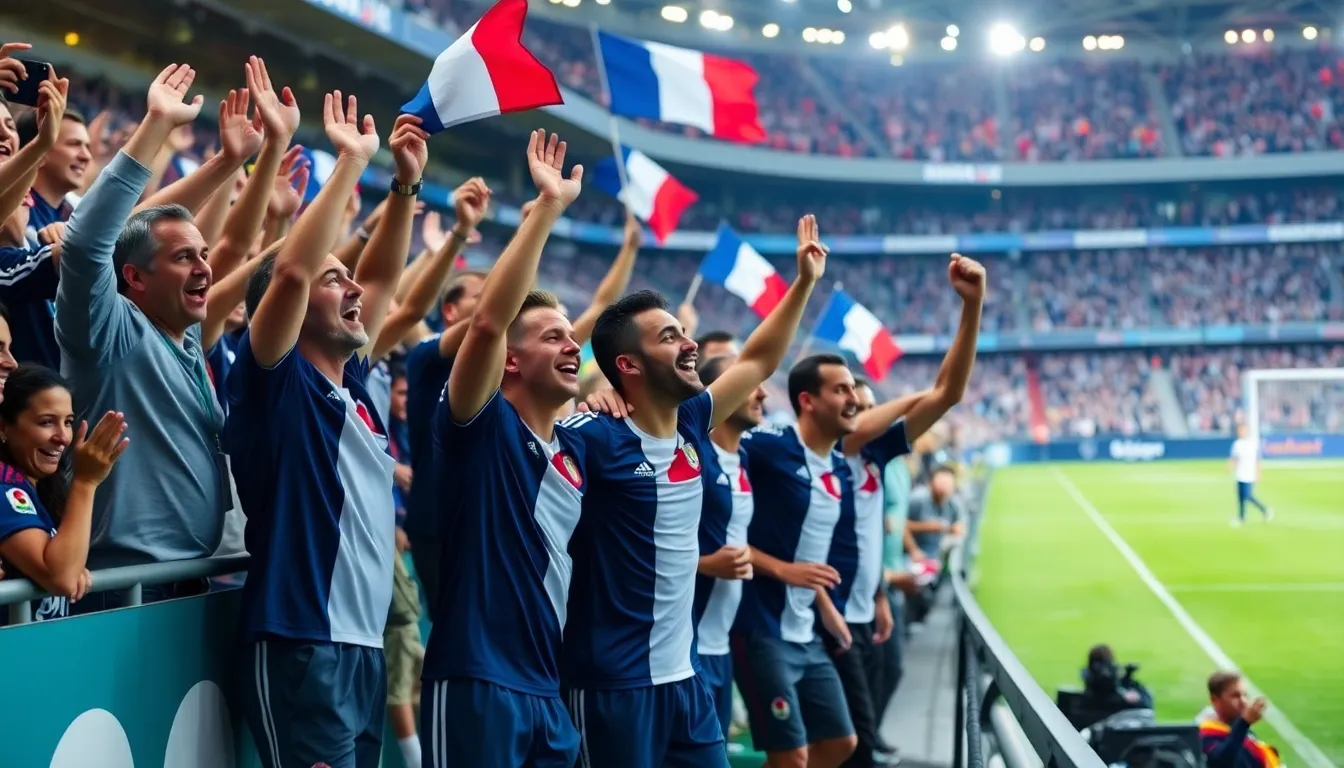
Frequently asked questions about World Cup power rankings
Insights and future outlook on the World Cup rankings
The current World Cup power rankings highlight a significant shift in global football dynamics, with France asserting their dominance while nations like Senegal and Japan continue to rise. This trend suggests that traditional powerhouses may face stiffer competition from emerging teams, making the tournament more unpredictable and exciting. As the competition progresses, teams’ adaptability and strategic planning will play crucial roles in their success.
Looking ahead, it will be essential to monitor how these rankings influence match strategies and fan expectations. The performances of underdog teams could reshape the narrative of the tournament, and their ability to maintain form will be pivotal in determining their fate in the knockout stages.
- Watch for tactical innovations: Teams like Senegal and Japan may introduce unique strategies that could challenge established football norms.
- Player performances will be critical: Key players from these top-ranked teams will need to deliver consistently to maintain their standings.
- Emerging rivalries: The rise of teams outside the traditional powerhouses could lead to new rivalries, enhancing the tournament’s narrative.
- Fan engagement: As underdogs perform well, fan support may shift, impacting attendance and viewership.