
Recent statistics indicate that Mumbai contributes approximately 6% of India’s GDP, showcasing its pivotal role in the national economy. The city is home to the Bombay Stock Exchange, the Reserve Bank of India, and numerous multinational corporations, making it a hub for business and finance. This economic significance attracts a continuous influx of migrants seeking better opportunities, further intensifying the challenges of urban planning, as discussed in related articles.
However, the growth of Mumbai has not come without significant challenges. Issues such as inadequate housing, traffic congestion, and pollution have escalated, prompting local authorities to implement various urban development projects. For instance, the Mumbai Coastal Road Project aims to enhance connectivity while addressing the city’s chronic traffic woes, which have worsened over the years.
Moreover, the city’s infrastructure is under constant pressure, with public transport systems like the local trains and metro lines struggling to keep pace with the rising commuter demand. Recent initiatives, including the expansion of the Mumbai Metro, are underway to alleviate congestion and improve public transportation efficiency. The ongoing development efforts reflect the city’s resilience and adaptability in the face of its evolving urban landscape.
Historical background of Bombay’s development
Bombay, now known as Mumbai, has a rich history that traces back to its origins as a collection of islands. The transformation of this port city into a bustling metropolis began in the 16th century when the Portuguese colonized the islands, recognizing their strategic importance for trade routes. The British East India Company later took control in the 17th century, which marked a significant turning point in the city’s development.
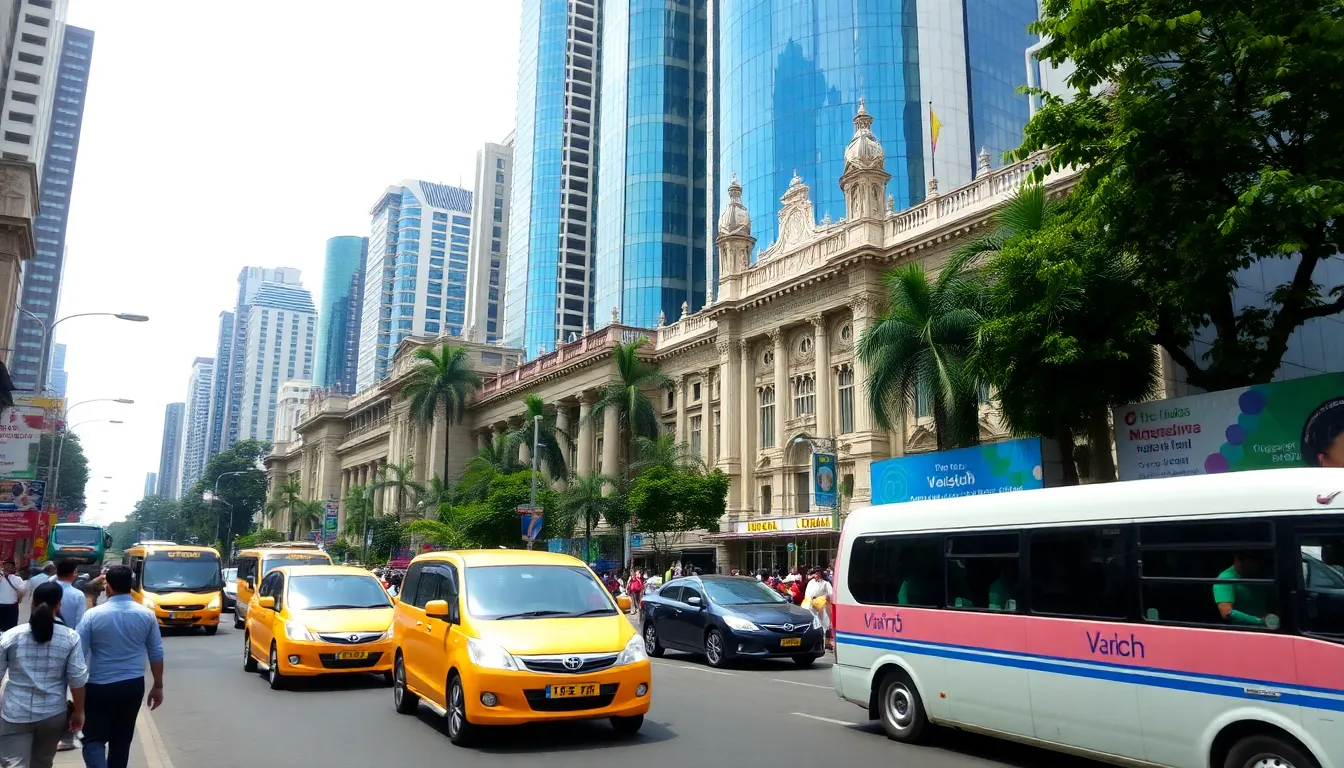
One of the key milestones in Bombay’s evolution was the construction of the Bombay Harbour, which facilitated maritime trade and attracted merchants and settlers from various regions. The British implemented extensive infrastructure projects, including the development of railways and roads in the 19th century, further enhancing the city’s connectivity and economic potential. This period also saw the establishment of Bombay as a major center for commerce, finance, and industry in India, echoing themes from historical developments.
As the 20th century approached, Bombay experienced rapid urbanization fueled by industrial growth, particularly in textiles and manufacturing. The city’s population surged as people migrated from rural areas in search of employment opportunities. This influx of diverse communities contributed to the rich cultural tapestry of Bombay, making it a melting pot of languages, traditions, and lifestyles.
Political and Social Changes
The political landscape of Bombay underwent significant changes during the struggle for independence from British rule. The city became a hub for nationalist movements and social reform, with leaders advocating for workers’ rights and social justice. Post-independence, Bombay continued to evolve, facing challenges such as housing shortages and urban planning issues, but it also solidified its status as the financial capital of India, attracting global investments and talent.
Key stakeholders in Bombay’s urban evolution
Bombay’s transformation from a fortified city to a thriving metropolis involved a complex interplay of various stakeholders, each with distinct interests and influences. These actors include local government authorities, real estate developers, historical preservation societies, and the city’s diverse population. Understanding their roles is crucial to grasping the broader narrative of Bombay’s urban development.
Local government entities, such as the Brihanmumbai Municipal Corporation (BMC), play a pivotal role in urban planning and infrastructure development. Their interests often revolve around managing population growth, providing essential services, and maintaining public order. However, conflicts can arise between the need for modernization and the preservation of historical sites, as seen in ongoing debates over redevelopment projects in heritage areas.
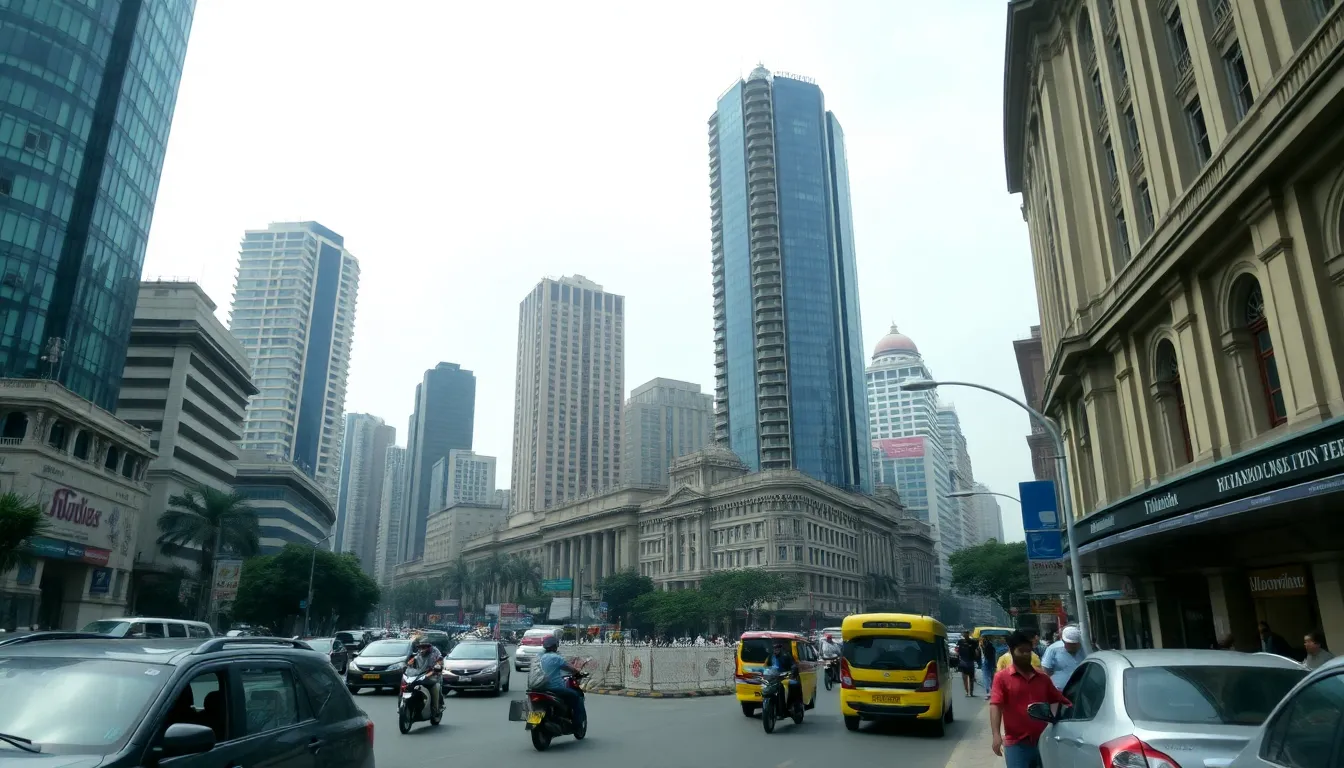
Real estate developers are another key player, driven by profit motives and the demand for housing and commercial spaces. Their activities have significantly shaped the city’s skyline and urban landscape. However, this growth often leads to trade-offs, such as the displacement of lower-income communities and increased living costs. The challenge lies in balancing development with social equity, as developers may prioritize lucrative projects over affordable housing initiatives.
Additionally, historical preservation societies advocate for the protection of Bombay’s rich cultural heritage. Their interests often conflict with those of developers and the government, particularly when it comes to demolishing old structures for new developments. This tension highlights the ongoing struggle between progress and preservation, raising important legal and ethical questions about the city’s identity and history, which is explored in related discussions.
- Local government aims to balance modernization with heritage preservation.
- Real estate developers focus on maximizing profits, often at the expense of community needs.
- Historical preservation societies seek to safeguard Bombay’s cultural landmarks.
- Residents’ interests vary, with many advocating for affordable housing and sustainable development.
- Legal frameworks often lag behind rapid urbanization, complicating governance.
Impact of urbanization on local communities
The transformation of Bombay from a fortified city to a thriving metropolis has significantly affected various groups and industries. Local communities, particularly those in lower-income neighborhoods, have faced both challenges and opportunities as the city evolves. The rapid urbanization has led to an influx of people seeking better economic prospects, which has reshaped the social fabric of the city.
In the short term, residents experience increased competition for housing and jobs, leading to rising living costs. This has particularly impacted low-income families, who struggle to keep up with soaring rents and the cost of living. Conversely, businesses in the construction and real estate sectors have seen a boom, benefiting from increased demand for housing and commercial spaces.
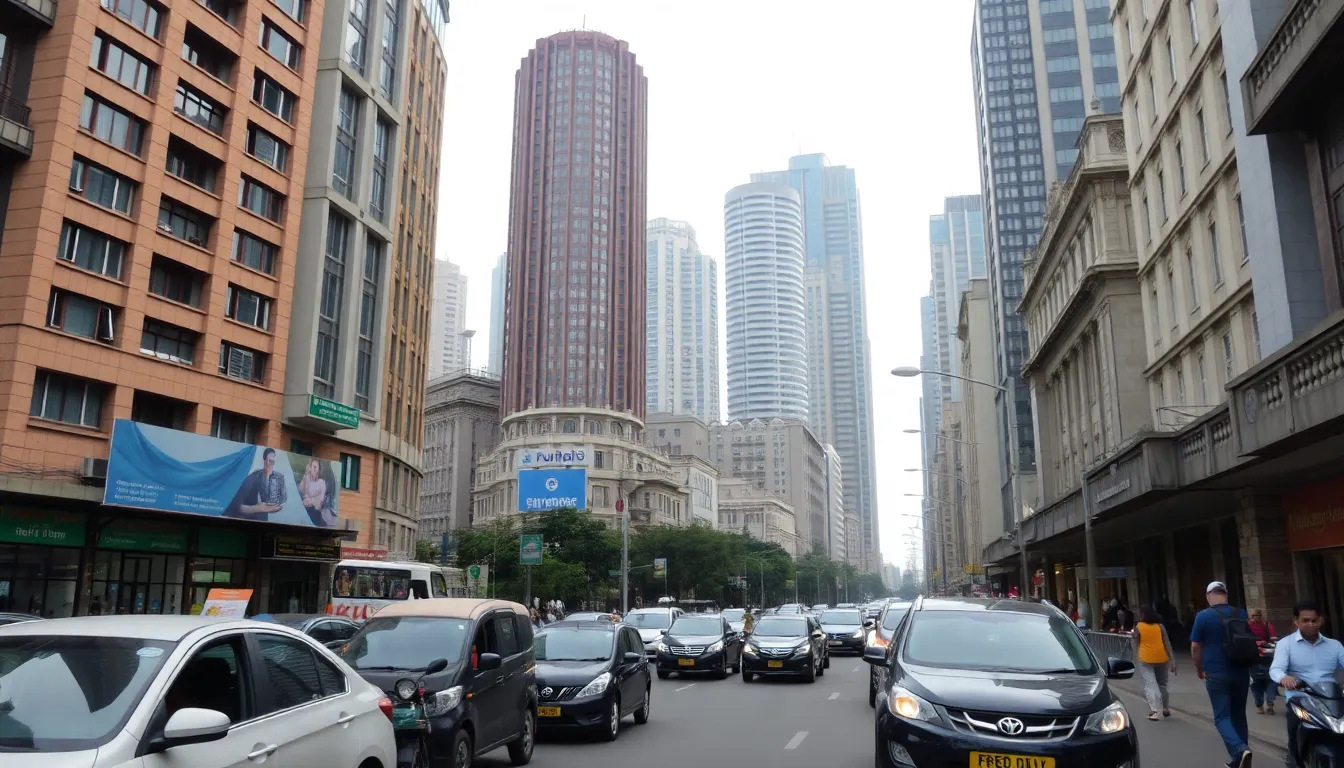
In the mid-term, urbanization is likely to bring about changes in public policy, as local governments may need to address infrastructure challenges such as transportation, sanitation, and waste management. These changes can lead to improved services for residents, but they also pose risks if not managed effectively, such as increased traffic congestion and environmental degradation.
- Risks: Strain on public services and infrastructure, displacement of low-income communities, and environmental concerns.
- Opportunities: Growth in job creation, investment in public infrastructure, and enhanced cultural diversity.
Overall, while the urbanization of Bombay presents significant challenges, it also offers numerous opportunities for innovation and economic growth. Stakeholders must navigate these changes carefully to ensure that the benefits of urbanization are equitably distributed among all residents.
A: Key factors included colonial trade, immigration, and industrialization, which attracted a diverse population and spurred economic development. A: The fort served as a strategic military base and a focal point for trade, laying the groundwork for future urban expansion. A: Immigration brought in various cultures and skills, significantly enriching the social fabric and workforce of the city. A: Over the years, Bombay has seen significant investments in transportation, housing, and public services to accommodate its growing population. A: Bombay faces challenges such as overcrowding, pollution, and inadequate infrastructure, which require urgent attention and innovative solutions.
Frequently Asked Questions about Bombay’s transformation
Key insights and future outlook for Bombay
The transformation of Bombay from a fortified city to a thriving metropolis is a testament to its resilience and adaptability. As the city continues to evolve, it faces both challenges and opportunities that will shape its future. The interplay between urban development, cultural diversity, and economic growth will be critical in determining how Bombay navigates the complexities of modernity while preserving its rich heritage.
Looking ahead, stakeholders must consider the implications of rapid urbanization, infrastructure demands, and social dynamics. The city’s ability to sustain its growth will depend on innovative solutions that address housing, transportation, and environmental concerns, ensuring that Bombay remains a vibrant and inclusive space for all its inhabitants.
- Monitor the impact of urban planning initiatives on housing affordability and accessibility.
- Observe how cultural preservation efforts influence community identity amidst modernization.
- Evaluate the effectiveness of transportation projects in alleviating congestion and enhancing connectivity.
- Assess the role of technology in improving public services and urban management.
- Keep an eye on economic trends that may affect job creation and the overall prosperity of the city.