
Reports indicate that nearly 8 million South Asian workers are employed in Gulf countries, contributing significantly to their home economies through remittances. However, the potential for armed conflict, coupled with the economic repercussions of the COVID-19 pandemic, has led many to question whether the financial benefits outweigh the risks associated with working in a volatile environment. For more insights on similar challenges faced by new professionals, check out the article on newly qualified paramedics.
In recent months, incidents such as drone attacks on oil facilities in Saudi Arabia and threats against shipping routes in the Persian Gulf have raised alarms among expatriate communities. Many workers express concerns over safety and job security, prompting some to seek employment opportunities in more stable regions, despite the allure of higher wages in the Gulf.
Furthermore, labor rights organizations have highlighted the vulnerability of migrant workers in the face of geopolitical instability. They emphasize the need for stronger protections and support systems to ensure the safety and well-being of these workers, who often lack adequate legal recourse in times of crisis.
As the situation continues to evolve, the decisions made by these workers will have lasting implications not only for their families but also for the economies of their home countries, which depend heavily on remittances from the Gulf region.
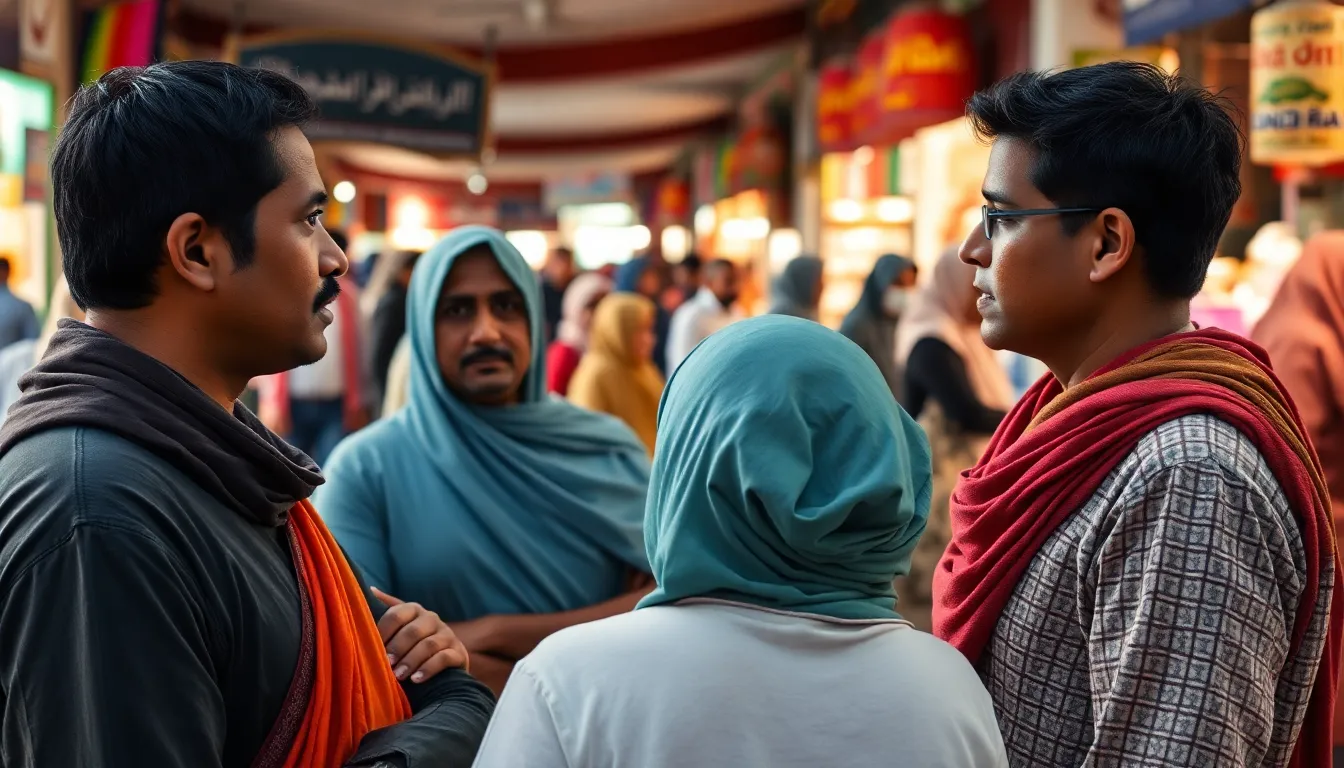
Understanding the geopolitical landscape affecting migrant labor
In recent years, the Gulf region has become a focal point for migrant workers from Asia, particularly from countries like India, Bangladesh, and the Philippines. These workers are drawn by the promise of better wages and employment opportunities in a region characterized by rapid economic growth and development. However, the geopolitical tensions in the Middle East, especially related to Iran, have raised questions about the safety and viability of these jobs, similar to concerns raised by families affected by the IVF clinics in northern Cyprus.
The historical context of labor migration to the Gulf states dates back to the oil boom of the 1970s, which created a demand for a large workforce to support infrastructure projects and economic expansion. As Gulf nations invested heavily in development, they relied on foreign labor to fill the gaps, leading to a significant influx of migrant workers. This trend continued into the 21st century, with millions of workers seeking employment in sectors such as construction, hospitality, and domestic work.
However, the recent escalation of tensions surrounding Iran, including threats of military conflict, has put migrant workers in a precarious position. The potential for instability in the region raises concerns about their safety and job security. Many workers are now faced with the dilemma of whether the financial benefits of working in the Gulf outweigh the risks associated with living in a conflict-prone area, a scenario that echoes the challenges faced by teams in esports competitions.
The impact of regional conflicts on labor migration
Regional conflicts have historically influenced labor migration patterns. For instance, the Gulf War in the early 1990s and the Arab Spring uprisings in the 2010s led to significant changes in the labor market and the safety of migrant workers. As tensions rise again, particularly with Iran’s nuclear ambitions and the responses from neighboring countries, migrant workers are left to grapple with the implications of these geopolitical shifts on their livelihoods.
Ultimately, the interplay between economic opportunity and geopolitical risk continues to shape the decisions of millions of migrant workers in Asia. As they weigh the potential rewards against the backdrop of a volatile region, the ongoing debate about the worth of their jobs in the Gulf becomes increasingly urgent.
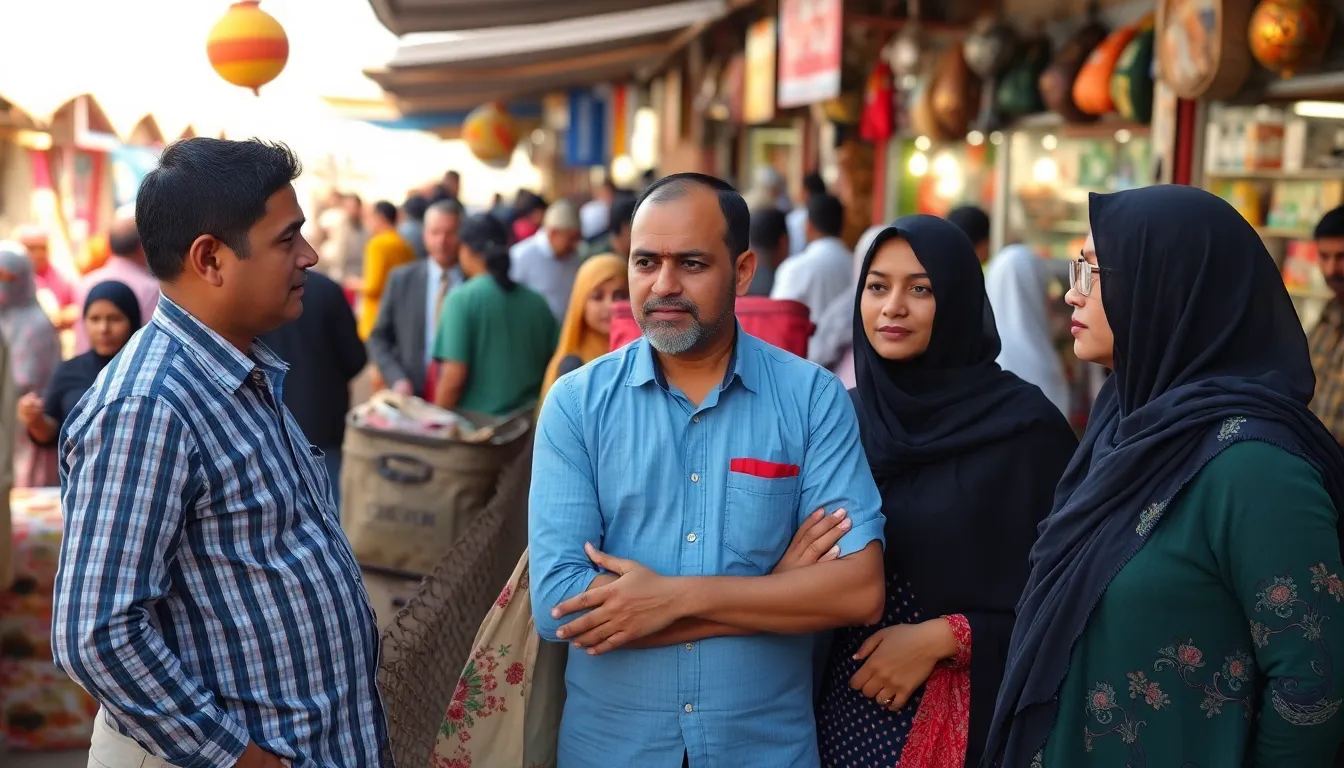
Key stakeholders and their interests in the Gulf job market
The debate surrounding the safety and viability of Gulf jobs for Asia’s migrant workers involves multiple stakeholders, each with distinct interests and concerns. The primary actors include the migrant workers themselves, their families, recruitment agencies, host governments in the Gulf, and the home countries of the workers. Each group plays a critical role in shaping the dynamics of the labor market amidst geopolitical tensions, particularly the looming threat of conflict in Iran.
Migrant workers, primarily from countries like India, Bangladesh, and the Philippines, seek better economic opportunities abroad to support their families back home. Their primary interest is in securing stable, high-paying jobs that can significantly improve their living conditions. However, the risks associated with working in the Gulf, especially in the context of potential military conflict, raise serious concerns about their safety and job security.
Recruitment agencies act as intermediaries between workers and employers, often prioritizing profit margins over the welfare of the workers. Many agencies may downplay the risks involved in Gulf jobs to attract more candidates, leading to ethical concerns about their practices. This creates a conflict of interest where the agencies’ financial incentives may not align with the best interests of the workers they represent.
Host governments in the Gulf region, such as Saudi Arabia and the UAE, rely heavily on migrant labor to sustain their economies. Their interests lie in maintaining a steady influx of workers to support various industries while ensuring stability and security within their borders. However, the potential for conflict, especially with Iran, poses a significant challenge to this balance, as any escalation could jeopardize the safety of foreign workers and disrupt labor supply chains.
- Economic Dependence: Many Gulf states depend on migrant labor for economic growth, creating a delicate balance between labor needs and national security.
- Worker Rights: Legal protections for migrant workers are often inadequate, leading to exploitation and unsafe working conditions.
- Family Impact: Families of migrant workers face financial pressures and emotional strain, particularly when safety concerns arise.
- Geopolitical Tensions: The threat of conflict in Iran complicates the decision-making process for potential migrant workers considering Gulf jobs.
- Recruitment Practices: Ethical concerns regarding recruitment agencies may lead to calls for reform and better regulations.
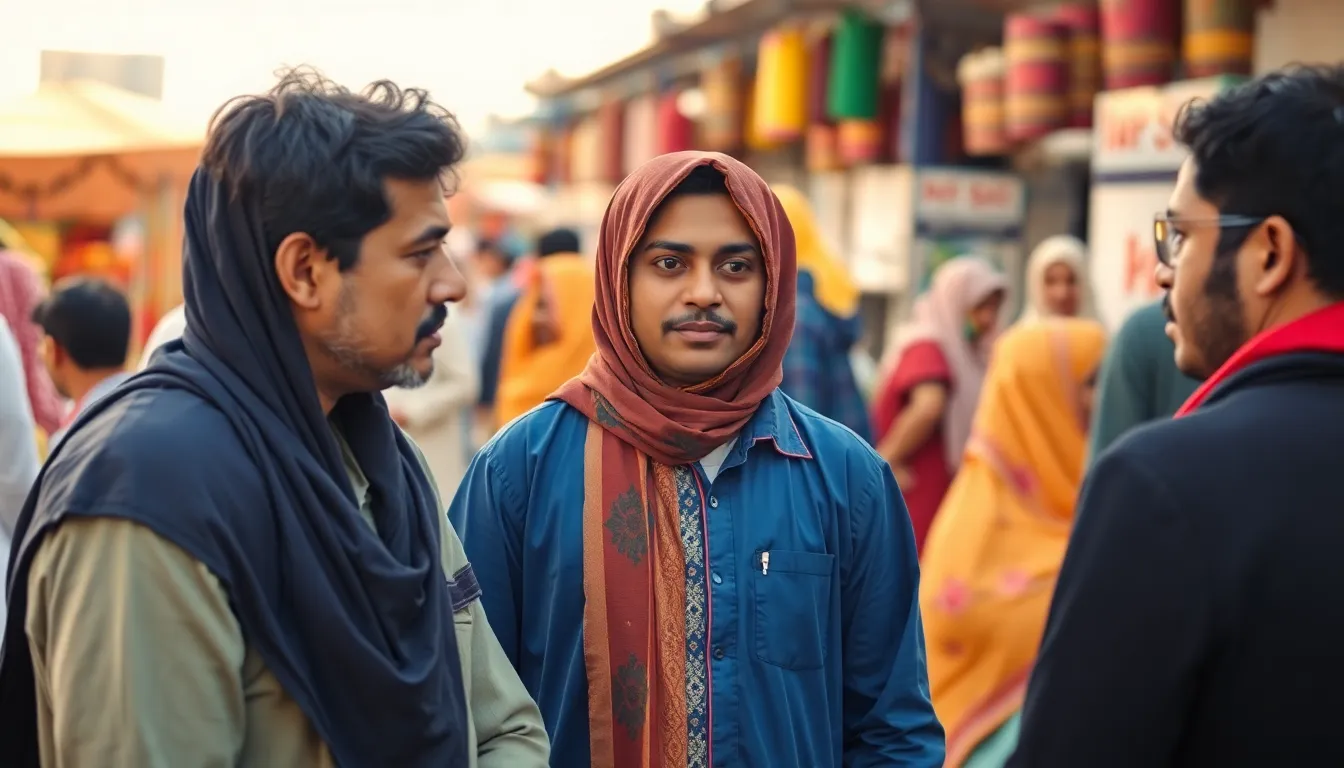
The potential consequences for workers and the economy
The ongoing tensions surrounding the Iran war are creating a precarious situation for migrant workers from Asia, particularly those in the Gulf region. These workers, who primarily hail from countries like India, Bangladesh, and the Philippines, are facing an uncertain future as they weigh the risks of continuing their employment against the backdrop of potential conflict.
Industries that heavily rely on migrant labor, such as construction, hospitality, and domestic work, are particularly affected. The fear of escalated violence may lead to a decrease in the number of workers willing to take up jobs in the Gulf, resulting in labor shortages that could impact project timelines and service delivery.
- Increased unemployment rates among migrant workers.
- Potential for wage increases as demand for local labor rises.
- Shift in remittance flows affecting economies in home countries.
In the short term, businesses may face disruptions as they struggle to maintain their workforce. Companies might need to invest more in safety measures or offer higher wages to attract workers, which could lead to increased operational costs. In the mid-term, this situation could prompt policy changes regarding labor migration, as governments reassess the safety and viability of sending workers abroad.
However, there are also potential opportunities that may arise from this crisis. Countries may begin to diversify their labor markets, looking beyond the Gulf for employment opportunities. This could lead to new partnerships and labor agreements with other regions, potentially benefiting workers in the long run by providing safer job alternatives.
A: Migrant workers face heightened risks including potential conflict, job instability, and safety concerns. The escalating tensions in the region may lead to increased violence and disruptions in their work environment. A: Many Asian workers are drawn to Gulf jobs due to higher wages and better employment opportunities compared to their home countries. Economic necessity often outweighs the perceived risks. A: Governments are closely monitoring the situation and may issue travel advisories or support for workers in distress. Some are also negotiating with Gulf states to ensure better protections for their citizens. A: The long-term implications could include a shift in labor supply as workers seek safer opportunities elsewhere. This may lead to labor shortages in critical sectors in the Gulf.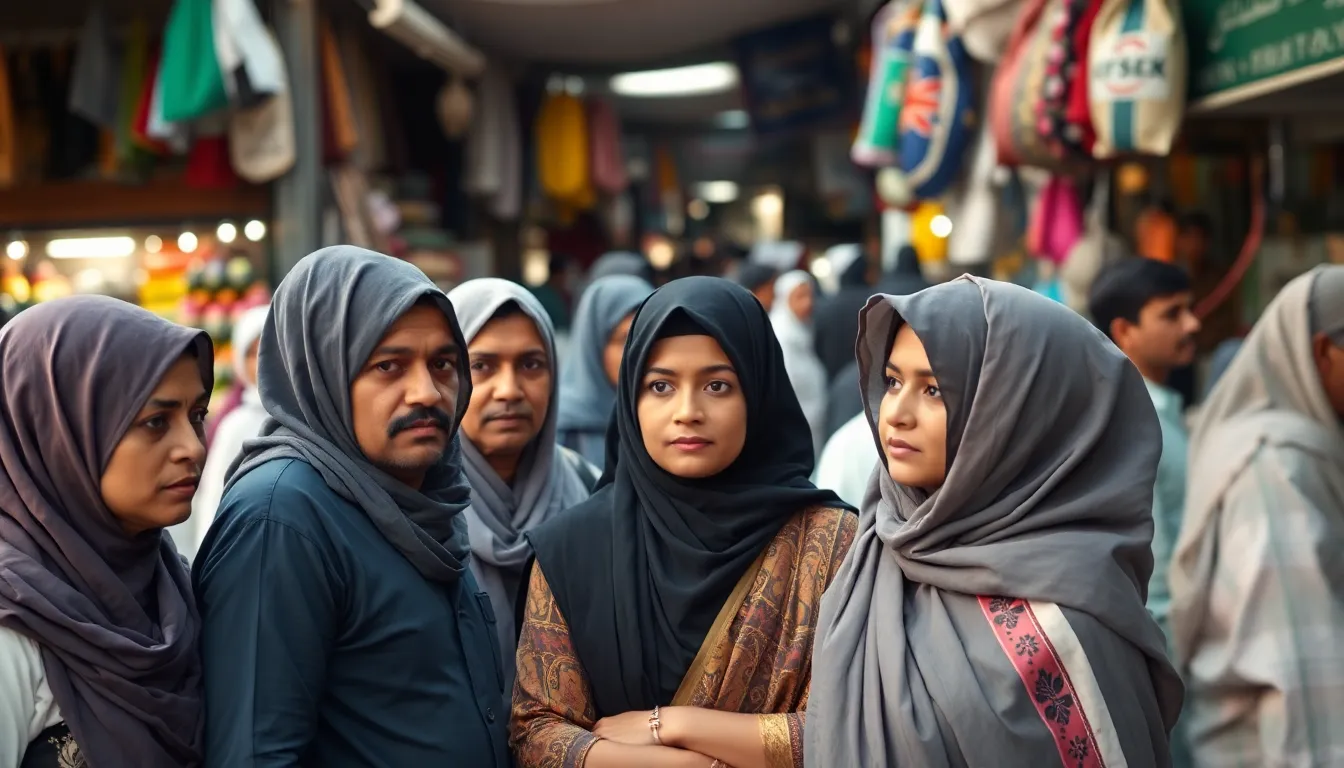
Frequently asked questions about migrant workers and Gulf jobs
Future outlook for Asia’s migrant workers in the Gulf region
The ongoing tensions surrounding the potential for conflict in Iran have raised significant concerns for Asia’s migrant workers in the Gulf region. Many workers are faced with a critical decision: whether to continue pursuing employment opportunities in a volatile environment or seek safer alternatives elsewhere. As the geopolitical landscape evolves, the implications for these workers are profound, affecting their livelihoods, safety, and long-term prospects.
In the coming months, it will be essential to monitor how regional stability impacts job availability and working conditions. The decisions made by migrant workers will not only influence their immediate economic situations but also shape the future of labor migration from Asia to the Gulf. Stakeholders, including governments and recruitment agencies, must be prepared to respond to these shifting dynamics to ensure the safety and welfare of workers.
- Increased scrutiny on labor rights: As tensions rise, there may be greater international focus on the treatment of migrant workers, prompting potential reforms in labor laws.
- Job market fluctuations: Economic instability could lead to job losses or reduced hiring, making it crucial for workers to stay informed about market trends.
- Alternative employment opportunities: Workers may begin to explore job options in safer regions, impacting the labor supply in the Gulf.
- Support networks and resources: Strengthening support systems for migrant workers will be vital to help them navigate these challenging circumstances.