
The story centers around a family facing a crisis, showcasing how love can both unite and challenge individuals. For insights on similar themes, check out Fjord Review Highlights Family Dynamics in Cristian Mungiu’s Social Drama.
Notably, the film features a talented cast, including emerging actors who bring depth to their roles. Their performances have been widely praised for their authenticity, allowing audiences to connect with the characters on a personal level.
As discussions about mental health and family support continue to gain traction globally, Rosenberg’s work resonates particularly well in the current social climate. It encourages viewers to reflect on their own relationships amidst the backdrop of evolving societal norms, a topic also explored in Stage Kiss review.
Understanding the Background of Rudi Rosenberg’s Work
Rudi Rosenberg, a French filmmaker, has emerged as a prominent voice in contemporary cinema, particularly through his exploration of familial relationships and the complexities that accompany them. His film “Words of Love” delves into themes of chaos and compassion, reflecting a broader societal context in which family dynamics are increasingly scrutinized. The historical backdrop of family representation in film has evolved significantly over the decades, influenced by cultural shifts, economic factors, and social movements.

The portrayal of families in cinema has transformed since the mid-20th century, moving from idealized depictions to more nuanced and realistic representations. This shift can be traced back to the social upheavals of the 1960s and 1970s, which challenged traditional family structures and roles. As feminist movements and discussions around gender equality gained momentum, filmmakers began to explore the intricacies of family life, including the emotional and psychological challenges faced by individuals within these units.
The Influence of Contemporary Issues
In recent years, global events such as economic crises, migration, and social justice movements have further shaped the narrative around families in film. The rise of digital media and the increasing visibility of diverse family structures have prompted filmmakers like Rosenberg to address the realities of modern life. “Words of Love” captures this essence by portraying the chaos that often accompanies familial bonds, while also highlighting the compassion that can emerge in times of crisis.
Rosenberg’s work is not only a reflection of personal experiences but also a commentary on the collective struggles faced by families today. This echoes themes presented in other relevant discussions, such as the ongoing narratives in documentaries like Exciting new history series featuring Lucy Worsley.
Key Themes and Issues in Words of Love
In ‘Words of Love’, French filmmaker Rudi Rosenberg delves into the intricate dynamics of family relationships, exploring the balance between chaos and compassion. The film serves as a poignant reminder of the complexities inherent in familial bonds, prompting viewers to reflect on their own experiences with love and conflict.
Key actors in this narrative include family members, represented by various characters whose differing perspectives highlight the emotional stakes involved. These characters embody the universal struggle for understanding and acceptance within the family unit, illustrating how personal interests can clash with collective harmony.
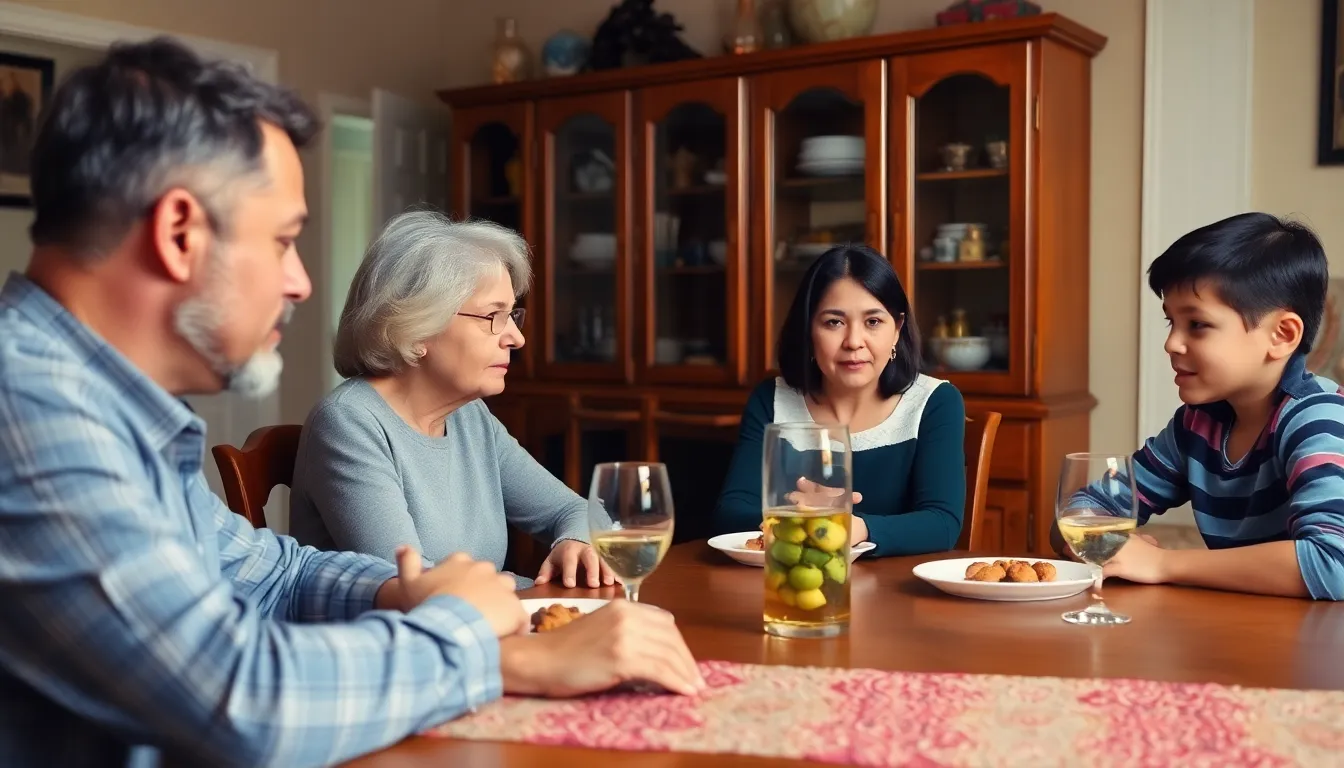
Furthermore, the film touches upon societal issues such as mental health and the impact of external pressures on family life. As characters navigate their personal challenges, they reveal the broader implications of societal expectations and the stigma surrounding mental health, which often complicates familial interactions.
- Family Dynamics: The film showcases the tension between individual desires and family obligations, emphasizing the need for empathy and communication.
- Mental Health Awareness: By addressing mental health issues, the film advocates for a more compassionate understanding of personal struggles within the family context.
- Societal Pressures: The narrative reflects on how external societal norms and expectations can exacerbate conflicts within families.
- Conflict Resolution: The characters’ journeys highlight the importance of dialogue and reconciliation in overcoming misunderstandings.
Through these themes, ‘Words of Love’ not only portrays the chaos of family life but also emphasizes the compassion necessary to navigate it. The film invites audiences to consider the broader implications of their own familial relationships and the societal structures that influence them.
The Impact of Words of Love on Audiences and Critics
The release of ‘Words of Love’ by Rudi Rosenberg resonates deeply with various groups, particularly families navigating complex relationships. The film’s exploration of familial chaos and compassion highlights the emotional struggles many face, making it relatable to a broad audience. This connection can foster discussions among viewers, prompting them to reflect on their own family dynamics.
In the short term, audiences may experience heightened emotional awareness, leading to increased conversations about mental health and family support systems. This could influence local community initiatives aimed at promoting family counseling and support services. Additionally, film critics and industry professionals may find renewed interest in similar themes, encouraging a wave of films that tackle family issues with sensitivity.
In the mid-term, the film’s impact could extend to educational institutions, where discussions about the themes presented may be integrated into curricula focusing on psychology and sociology. This could lead to a greater understanding of family dynamics among students and educators alike. Furthermore, businesses within the entertainment sector may see opportunities to produce content that aligns with the film’s themes, potentially leading to a new genre of family-centered storytelling.
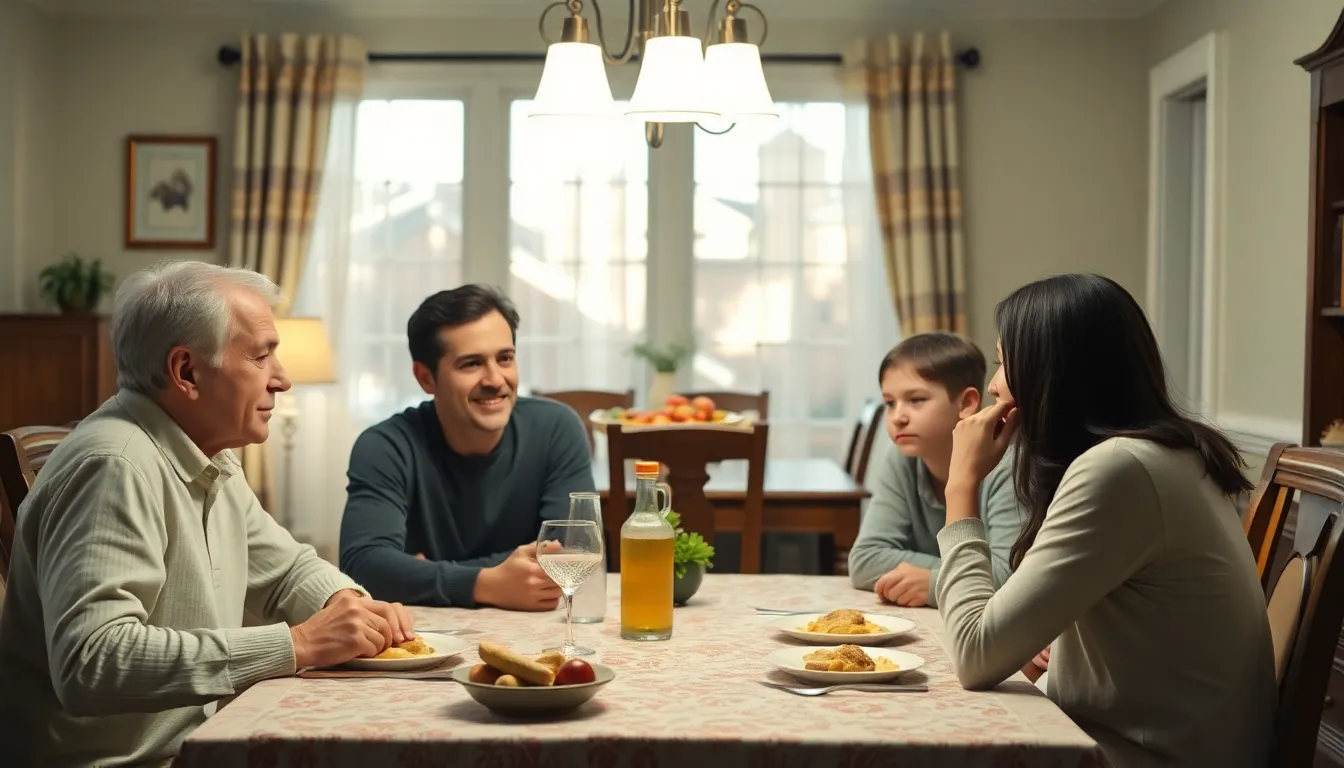
- Increased awareness: Promotes discussions on mental health and family support.
- Community initiatives: Encourages local programs focused on family counseling.
- Content creation: Opens avenues for new films and media exploring similar themes.
However, there are risks involved as well. The emotional intensity of the film may trigger difficult conversations for some families, leading to potential conflicts. Additionally, if the film does not resonate as expected, it could deter studios from investing in similar projects, stifling creativity in the industry.
A: The main theme revolves around the complexities of family relationships, showcasing both chaos and compassion. A: Rudi Rosenberg is a French filmmaker known for his sensitive storytelling and exploration of human emotions in his films. A: Critics have praised Words of Love for its emotional depth and realistic portrayal of family dynamics. A: Its unique blend of chaos and compassion, along with Rosenberg’s directorial style, sets it apart from typical family dramas. A: The film resonates with anyone who has experienced the complexities of family life, making it relatable to a broad audience.
Frequently Asked Questions About the Film
Key Takeaways and Future Perspectives on Family Cinema
Rudi Rosenberg’s ‘Words of Love’ exemplifies the intricate balance between chaos and compassion found within family dynamics. Through a nuanced portrayal of familial relationships, the film invites audiences to reflect on the complexities of love, conflict, and understanding. As family narratives continue to evolve in cinema, this film serves as a reminder of the emotional depth and authenticity that can be achieved when filmmakers approach these themes with sensitivity and insight.
Looking ahead, the success of ‘Words of Love’ may encourage more filmmakers to explore the multifaceted nature of family life, showcasing both its challenges and its joys. The film’s ability to resonate with viewers highlights the enduring relevance of family stories in contemporary cinema, suggesting a rich avenue for future storytelling.
- Expect an increase in films that explore the emotional intricacies of family relationships.
- Look for a trend towards more authentic and relatable portrayals of family life in cinema.
- Consider how filmmakers can incorporate diverse family structures and experiences into their narratives.
- Watch for emerging filmmakers who prioritize character-driven stories that reflect real-life complexities.