


The importance of good bathing water quality
The quality of bathing water is determined by multiple factors, primarily focused on the levels of contamination and pollution present. Maintaining high standards is crucial as it not only affects the health of those who swim in such waters but also the ecosystems surrounding them. For a deeper understanding of health implications, you can read about a boy with a rare condition that highlights the importance of safety.
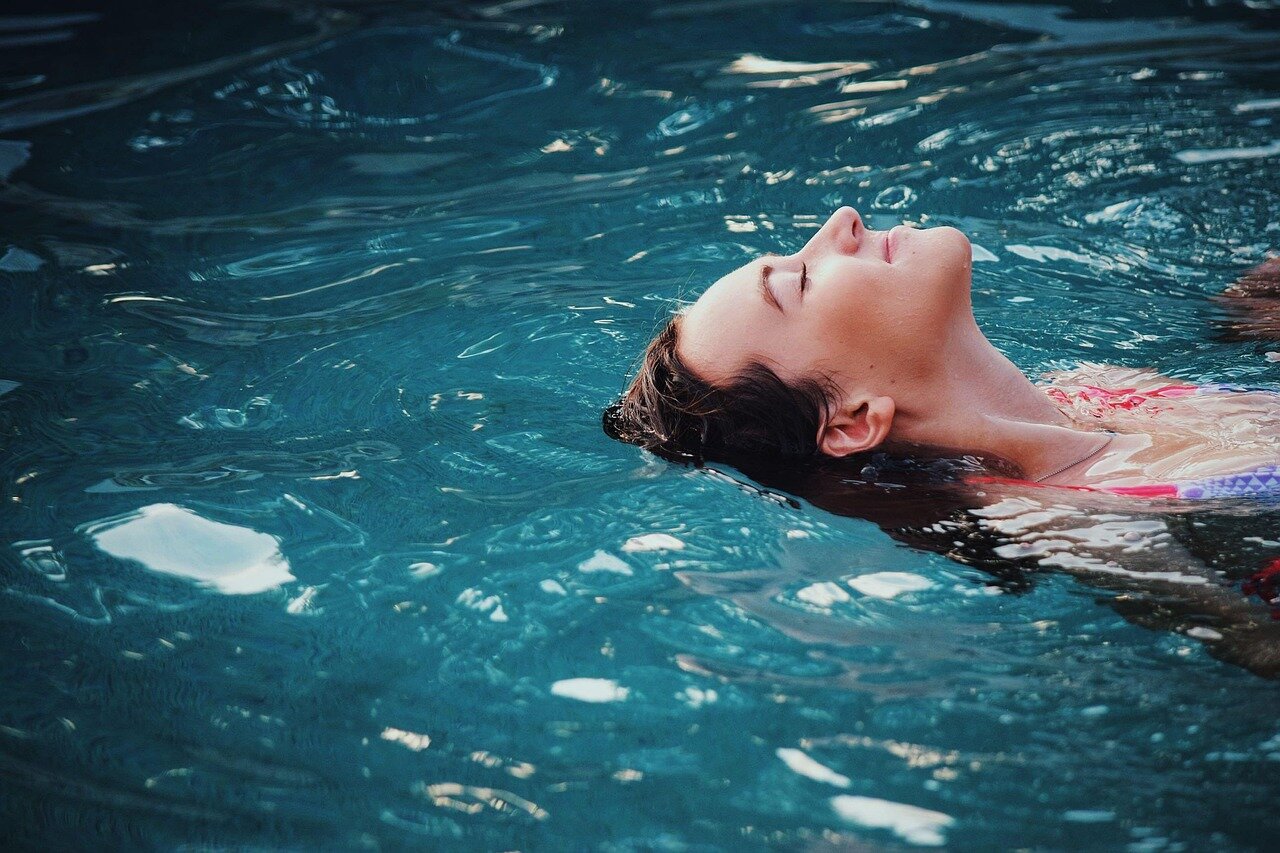
Defining bathing water quality
Bathing water quality is evaluated based on parameters like microbiological contamination, chemical pollution, and overall ecosystem health. Authorities use strict regulations to ensure water quality meets safety standards for public use, which is essential for all swimmers.

Recent improvements and their comparison
Comparisons of the latest environmental reports reveal a marked enhancement in water quality at many popular swimming locations. Compared to last year, certain beaches have reported an improvement in water quality, largely due to better waste management practices and pollution control measures. This is a promising development in the context of other environmental initiatives.

Factors contributing to improved water quality
Several interrelated strategies have led to this positive trend:
- Enhanced monitoring: Local authorities have increased the frequency of water quality testing, ensuring rapid response to potential contamination.
- Community initiatives: Increased public awareness campaigns are encouraging responsible behavior among swimmers and locals.
- Investments in infrastructure: Better sewage systems and wastewater treatment plants play a crucial role in minimizing pollution runoff into natural waters.
Noteworthy examples of improved locations
A few outstanding locations excel in meeting the new standards and provide an inviting environment for swimmers:

- Brighton Beach: This year, Brighton has seen remarkable improvements in cleanliness, attracting more beachgoers and wild swimmers.
- Lake Windermere: With advancements in water treatment methods, this iconic lake is becoming a safer destination for wild swimming enthusiasts.
- Scottish Highlands: Many freshwater lochs in this area have received commendations for their pristine conditions, ensuring a safe and enjoyable swimming experience.
Safety measures and recommendations
While the rise in water quality is promising, swimmers must continue to practice safety measures:
- Check local water quality reports: Before swimming, always check recent water quality data provided by local authorities.
- Avoid swimming after heavy rainfall: Storm events can lead to increased runoff and temporary declines in water quality.
- Know your limits: Always swim in designated areas and respect flags indicating safe swimming conditions.
Frequently asked questions about bathing water quality
Common inquiries regarding bathing water quality improvement
A: Local authorities conduct regular testing for various contaminants to ensure the water meets safety standards.
A: Report any signs of pollution to local authorities immediately to ensure a rapid response.
A: Always swim in identified areas, adhere to local guidelines, and check the quality before entering the water.
A: Engage with community initiatives that focus on cleanups and educational programs regarding water pollution.
Trends and future directions for wild swims
As more swimmers opt for natural bodies of water over chlorinated pools, the movement towards sustainable swimming practices gains momentum. Authorities are now recognizing the importance of preserving these environments for future generations.
Efforts to improve water quality ensure not only safer swimming experiences but also contribute positively to local ecosystems, fostering a thriving habitat for aquatic life.