
According to reports, the accusations stem from incidents that occurred during protests and picketing events. WGA West leadership claims that some staffers have threatened and harassed union members, creating a hostile environment that undermines the collective efforts of writers advocating for better working conditions and compensation.
This situation has attracted significant media attention, highlighting the complexities and challenges faced by labor unions in the entertainment industry. As writers continue to push for fair contracts, the internal strife within WGA West could potentially weaken their bargaining power and impact the overall effectiveness of the strike.
As the strike continues, the WGA West is under pressure to address these allegations transparently. The outcome of this situation could have lasting implications not only for the union’s reputation but also for the broader labor movement within Hollywood, where tensions between management and creative professionals remain high.
Understanding the Background of the WGA Strike
The Writers Guild of America (WGA) strike, which has now reached its tenth week, is rooted in a complex interplay of historical, economic, and social factors that have long affected the entertainment industry. The WGA, representing thousands of writers in film and television, has been advocating for better working conditions, fair compensation, and job security in an industry that has seen significant changes due to technological advancements and shifting market dynamics.
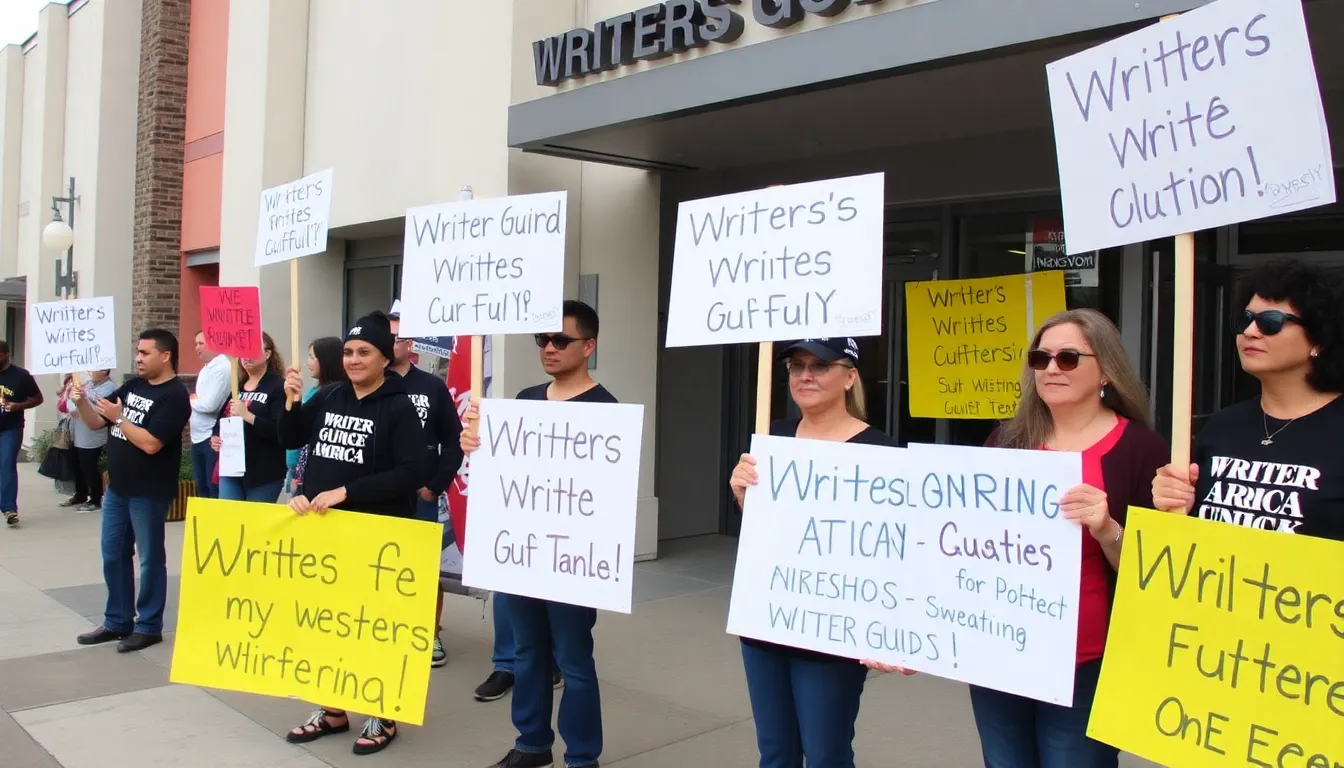
The origins of the current strike can be traced back to longstanding grievances over issues such as residuals from streaming services, the impact of artificial intelligence on creative jobs, and the erosion of writers’ rights in an increasingly gig-based economy. Writers have expressed concerns that their contributions are undervalued, especially as studios prioritize profits over fair pay. The rise of streaming platforms has altered traditional revenue models, leading to disputes over how writers are compensated for their work.
Key Milestones in the WGA’s History
Historically, the WGA has engaged in multiple strikes to address similar concerns. Notably, the 2007-2008 writers’ strike lasted 100 days and resulted in significant changes to how writers are compensated for digital content. This precedent set the stage for ongoing negotiations and conflicts as the industry continues to evolve. The current strike has reignited discussions about the importance of collective bargaining and the need for writers to have a seat at the table in shaping their futures.
As the strike progresses, tensions have escalated, leading to accusations from the WGA West against its own staffers of using intimidation tactics. This internal conflict adds another layer of complexity to an already fraught situation, highlighting the challenges of maintaining solidarity among writers while navigating the pressures of an industry in turmoil. The outcome of this strike could have lasting implications for the future of writing in Hollywood and beyond, as both sides grapple with the realities of a changing landscape.
Key Stakeholders and Issues Surrounding the Strike
The ongoing strike by the Writers Guild of America West (WGA West) has brought to light various stakeholders with vested interests in the outcome. The primary actors include the WGA West itself, its members, production companies, and the broader entertainment industry. Each of these groups has distinct motivations and concerns that shape their actions and responses during this critical period.
The WGA West represents the interests of its members, who are primarily writers and creators in the television and film sectors. Their main goal is to secure better working conditions, fair compensation, and protections against exploitation. However, the organization’s recent accusations against staffers of violence and intimidation complicate its position, potentially undermining its credibility and the solidarity of its members.
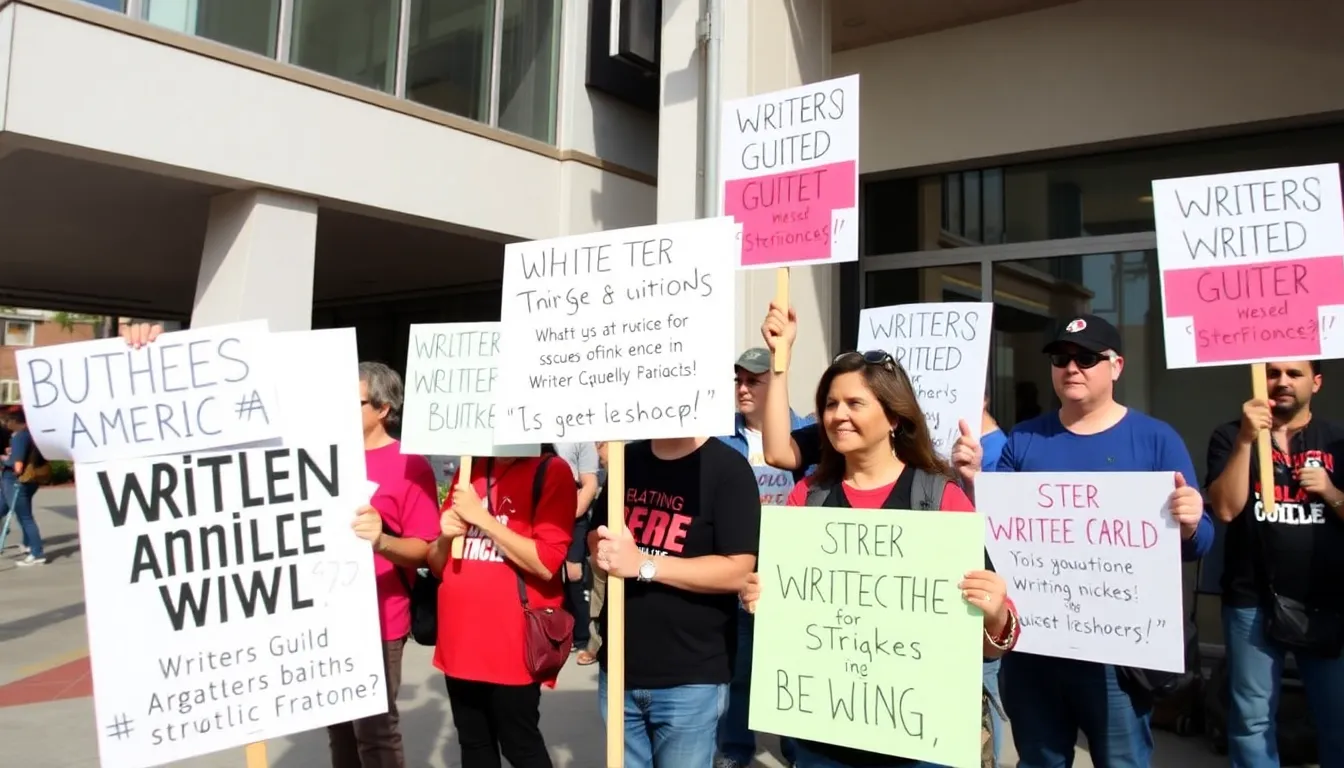
Production companies and studios, on the other hand, are focused on maintaining their operations and profitability. They face significant economic pressure as the strike prolongs, impacting not only their financial bottom line but also their relationships with audiences and advertisers. The trade-off for these companies lies in balancing the need to negotiate fairly with writers while minimizing disruptions to their production schedules.
- Conflict of Interests: The WGA West’s push for better conditions may clash with the financial constraints faced by production companies.
- Legal Implications: Accusations of violence and intimidation could lead to legal ramifications for the WGA West, affecting its bargaining power.
- Public Perception: How the public perceives the actions of both the WGA West and production companies can influence the negotiation dynamics.
- Long-Term Implications: The outcome of this strike may set precedents for future negotiations in the entertainment industry.
As the strike enters its tenth week, the interplay between these stakeholders highlights the complexities of labor relations in the entertainment industry. The resolution of this conflict will not only affect the immediate parties involved but also shape the broader landscape for writers and producers in the years to come.
Impact of Allegations on WGA Members and the Industry
The ongoing strike by the Writers Guild of America (WGA) West has not only drawn attention to the demands of its members but has also led to serious allegations of violence and intimidation among staffers. These accusations have significant implications for various groups, including writers, production companies, and the broader entertainment industry.
In the short term, the allegations could exacerbate tensions within the WGA, leading to a fracturing of unity among its members. This discord may hinder negotiations with studios, prolonging the strike and impacting writers’ livelihoods. Additionally, production companies may face delays in project timelines, affecting not only writers but also actors, crew members, and other stakeholders dependent on timely production schedules.
In the mid-term, the fallout from these allegations could reshape industry policies regarding workplace conduct and the treatment of staff within unions. The WGA may be compelled to implement stricter measures to address workplace behavior, which could lead to a more supportive environment for members but may also deter potential new members wary of internal conflicts.
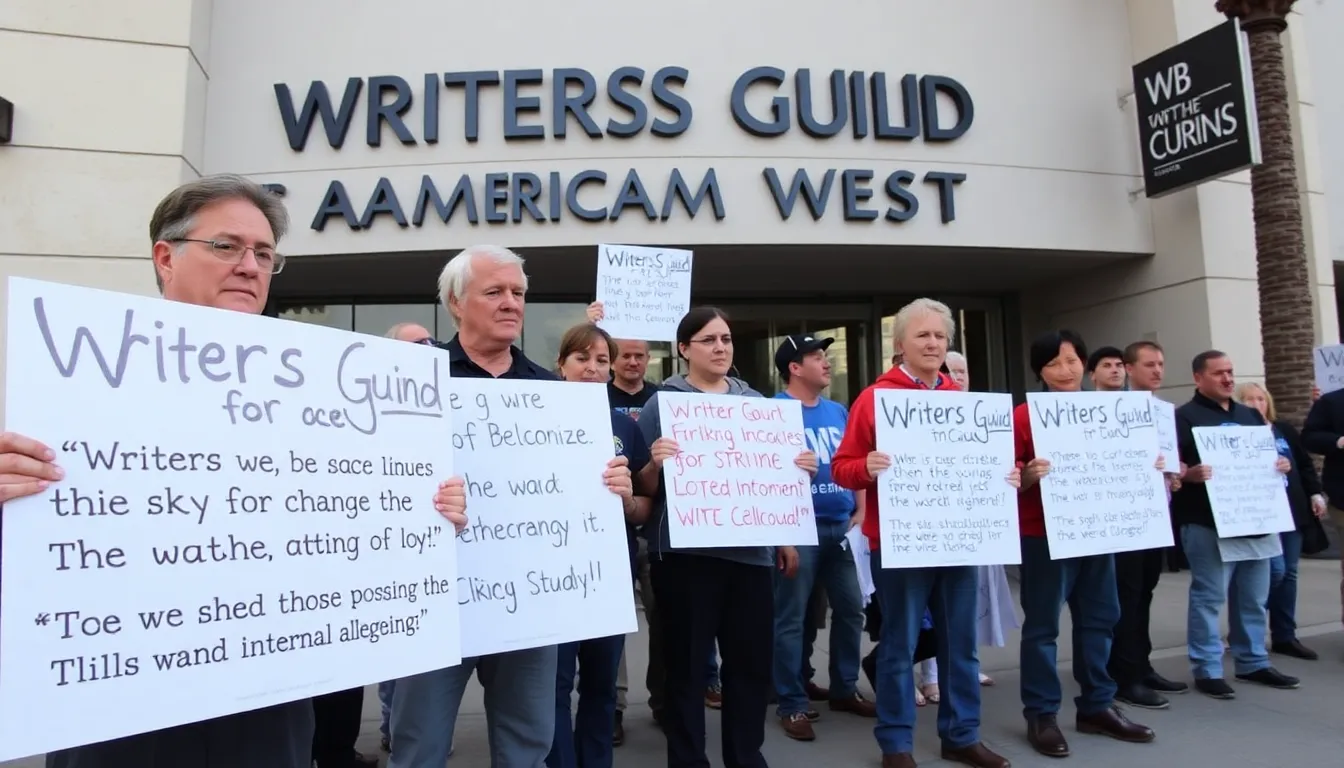
- Risks: Increased division among WGA members, prolonged strike, and potential loss of revenue for businesses reliant on production.
- Opportunities: Reform in workplace policies, potential solidarity among members advocating for a healthier work environment, and renewed focus on the importance of mental health in high-pressure industries.
Regions heavily reliant on the entertainment industry, such as Los Angeles, may experience economic repercussions as local businesses face reduced income from decreased production activities. The broader implications could extend to tourism and related sectors, as high-profile projects are delayed or canceled.
A: The accusations stem from ongoing tensions during the strike, where staffers reportedly engaged in aggressive behavior towards members. A: The strike has led to significant delays in production schedules, impacting various projects and financial outcomes for studios. A: If the allegations are substantiated, the staffers could face disciplinary action from the WGA West, including possible termination. A: Many members are expressing concern over the allegations, with some calling for a thorough investigation to ensure accountability. A: The WGA West plans to address the allegations internally while continuing to negotiate with studios to resolve the strike.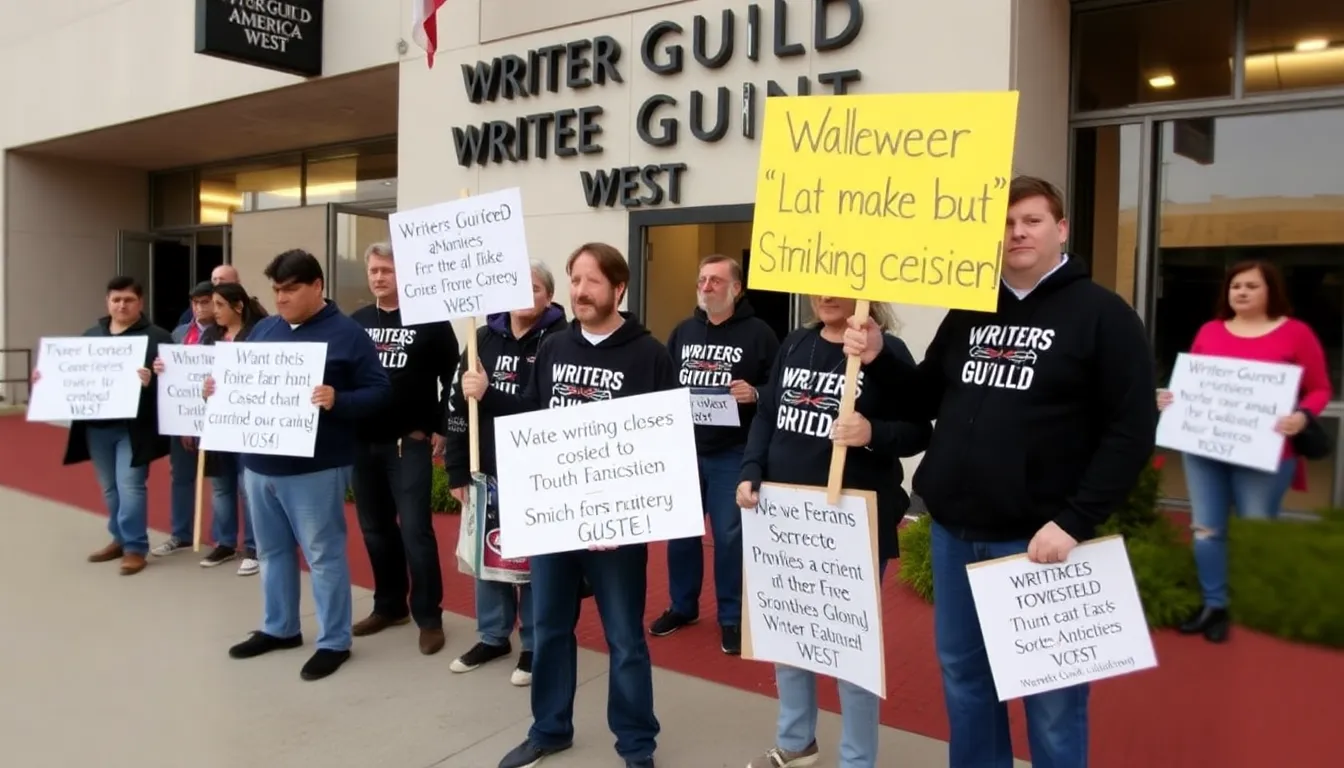
Frequently Asked Questions About the WGA Situation
Looking Ahead: Key Takeaways and Future Outlook
The ongoing strike by the Writers Guild of America West continues to unfold with significant tensions, as accusations of violence and intimidation among staffers emerge. This situation not only highlights the internal struggles within the organization but also raises questions about the broader implications for labor relations in the entertainment industry. As the strike reaches its tenth week, the potential for resolution remains uncertain, and the dynamics between the guild and its staffers could influence future negotiations.
As various stakeholders assess the situation, several key points warrant attention. The evolving narrative around workplace conduct and the impact of external pressures on union solidarity could shape the future landscape of labor relations in Hollywood and beyond.
- The potential for increased scrutiny on internal governance and staff treatment within labor organizations.
- Heightened awareness of the effects of prolonged strikes on both industry professionals and the broader economy.
- The possibility of changes in negotiation strategies as both sides reassess their positions amidst escalating tensions.
- Future implications for union solidarity and collective bargaining practices in light of internal conflicts.
- The need for transparent communication to rebuild trust between the guild and its members in the aftermath of these accusations.