
During the hearing, Wexner detailed how Epstein managed his finances and gained significant influence over his personal and professional life. Wexner stated that he was unaware of Epstein’s criminal activities, describing his initial trust in Epstein as a major misjudgment that he deeply regrets. This connection raises important questions about oversight in financial practices.
The implications of Wexner’s testimony extend beyond his personal narrative, as it raises questions about the extent of Epstein’s influence in elite circles and the failures of oversight in financial and social networks. Lawmakers are particularly interested in understanding how Epstein was able to operate without detection for so long.
As investigations into Epstein’s associates continue, Wexner’s acknowledgment of his missteps may prompt further examination of the relationships between powerful figures and those accused of serious crimes. This situation highlights the need for accountability and transparency in business and personal dealings.
Understanding the background of Wexner and Epstein’s relationship
Les Wexner, the former CEO of L Brands, which owned Victoria’s Secret, has been a prominent figure in American business for decades. His relationship with Jeffrey Epstein, the convicted sex offender and financier, has drawn significant scrutiny, particularly after Epstein’s arrest in 2019. Wexner has publicly stated that he feels he was ‘naive’ and ‘conned’ by Epstein, suggesting a complex dynamic that evolved over many years.
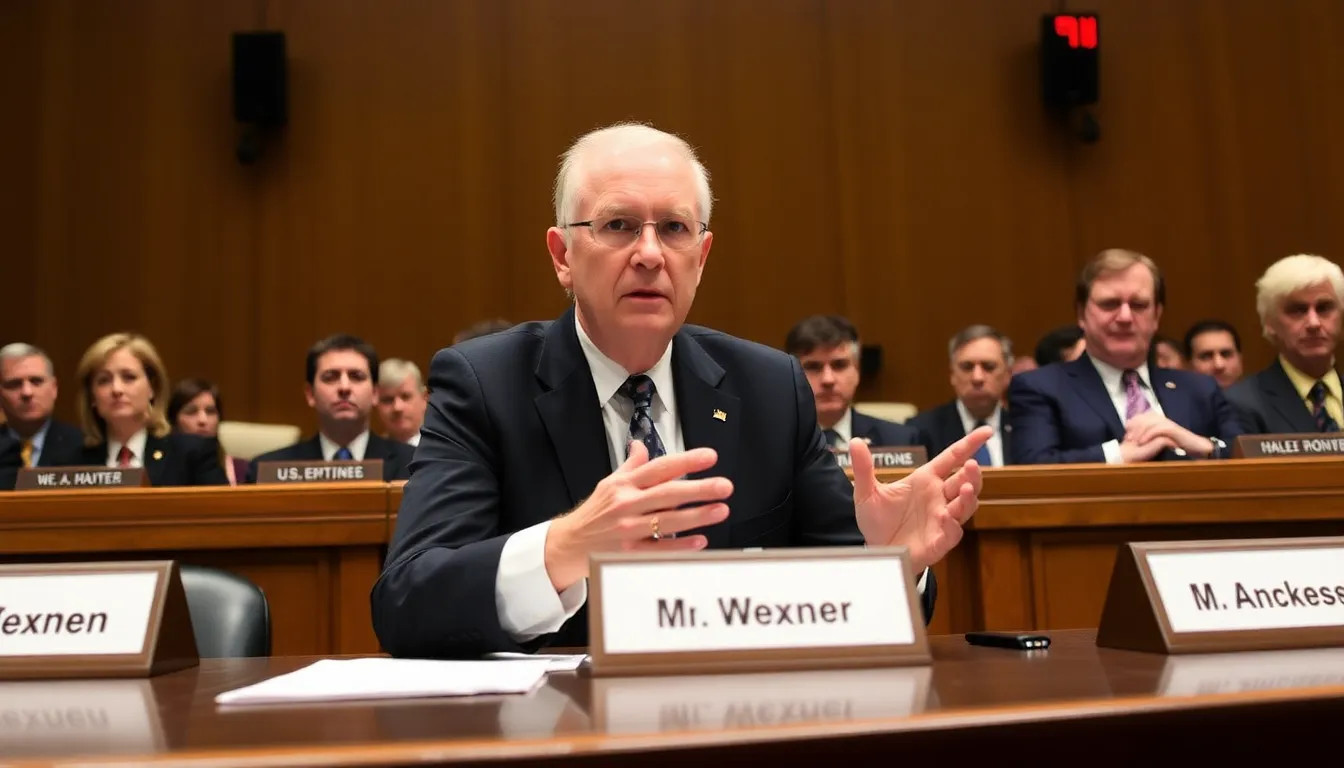
The two men first met in the late 1980s when Epstein was hired as a financial advisor to Wexner. At the time, Wexner was building his retail empire, and Epstein helped manage his wealth. Over the years, Wexner granted Epstein considerable power, including the ability to act on his behalf in various financial matters. This trust laid the groundwork for a relationship that would later be scrutinized as Epstein’s criminal activities came to light.
Historically, Wexner’s connection to Epstein highlights broader themes of power and trust in the business world. Many wealthy individuals have relied on advisors without fully understanding their backgrounds. Wexner’s admission of naivety reflects a common phenomenon where influential figures may overlook red flags in favor of professional loyalty or personal friendship, similar to other high-profile cases.
The Fallout from Epstein’s Crimes
After Epstein’s arrest in 2019, numerous allegations surfaced regarding his exploitation of underage girls and his connections with high-profile individuals, including politicians and celebrities. Wexner faced intense media scrutiny as details of his financial ties to Epstein emerged. In response, he attempted to distance himself from Epstein, claiming he had severed ties years prior and was unaware of Epstein’s criminal behavior. This disassociation marks a significant moment in Wexner’s legacy, as he navigates the fallout from an association that has tainted his reputation.
Key issues surrounding Wexner’s involvement with Epstein
The case of billionaire Les Wexner’s connection to Jeffrey Epstein has raised significant concerns among various stakeholders, including investors, legal authorities, and the public. Wexner, the former CEO of L Brands, has publicly stated that he was “naive” and “conned” by Epstein, highlighting a complex web of trust and betrayal that has implications for many involved.
One of the main actors in this scenario is Les Wexner himself, who has been scrutinized for his close relationship with Epstein, which included financial dealings and personal ties. Wexner’s interests lie in maintaining his reputation and protecting his business legacy, as any negative perceptions could impact his financial standing and philanthropic efforts.
On the other hand, Epstein’s victims and advocacy groups are also key stakeholders. Their interests revolve around seeking justice and accountability for the abuses committed by Epstein and those who enabled him. This has led to calls for greater scrutiny of Wexner’s actions and the broader implications for corporate governance and accountability in similar high-profile cases.
- Legal implications: Wexner may face legal challenges if it is determined that he had knowledge of Epstein’s criminal activities.
- Public perception: The ongoing media coverage may affect consumer trust in brands associated with Wexner.
- Financial ramifications: Investors may reconsider their positions in companies linked to Wexner, affecting stock prices and market stability.
- Corporate governance: This case may prompt discussions on the responsibilities of executives in vetting personal associations.
- Victim advocacy: The case underscores the need for stronger protections and support systems for victims of abuse.
In summary, the interactions between Wexner, Epstein, and the various stakeholders involved illustrate a multifaceted situation that raises important questions about ethics, responsibility, and the implications of personal relationships in business contexts. The outcomes of this case could influence future legal standards and corporate practices, making it a critical issue for all parties involved.
The implications of Wexner’s statements for his reputation and businesses
Les Wexner’s admission of naivety and being conned by Jeffrey Epstein has significant implications for various stakeholders, including investors, employees, and consumers. The fashion and retail industry, where Wexner has made a substantial impact through his ownership of L Brands, is particularly affected, especially in light of other recent tragedies in the industry.
In the short term, Wexner’s reputation may suffer, which could lead to a decrease in stock prices for L Brands and related companies. This decline could affect employees through job security concerns and reduced morale as the company navigates the fallout. Additionally, retailers may face increased scrutiny from consumers and advocacy groups, impacting their sales and brand loyalty.
In the mid-term, the implications could extend to policy changes within the industry. Companies may implement stricter ethical guidelines and transparency measures to regain consumer trust and avoid similar controversies. This could lead to a shift in corporate governance practices, with more emphasis on accountability and ethical leadership.
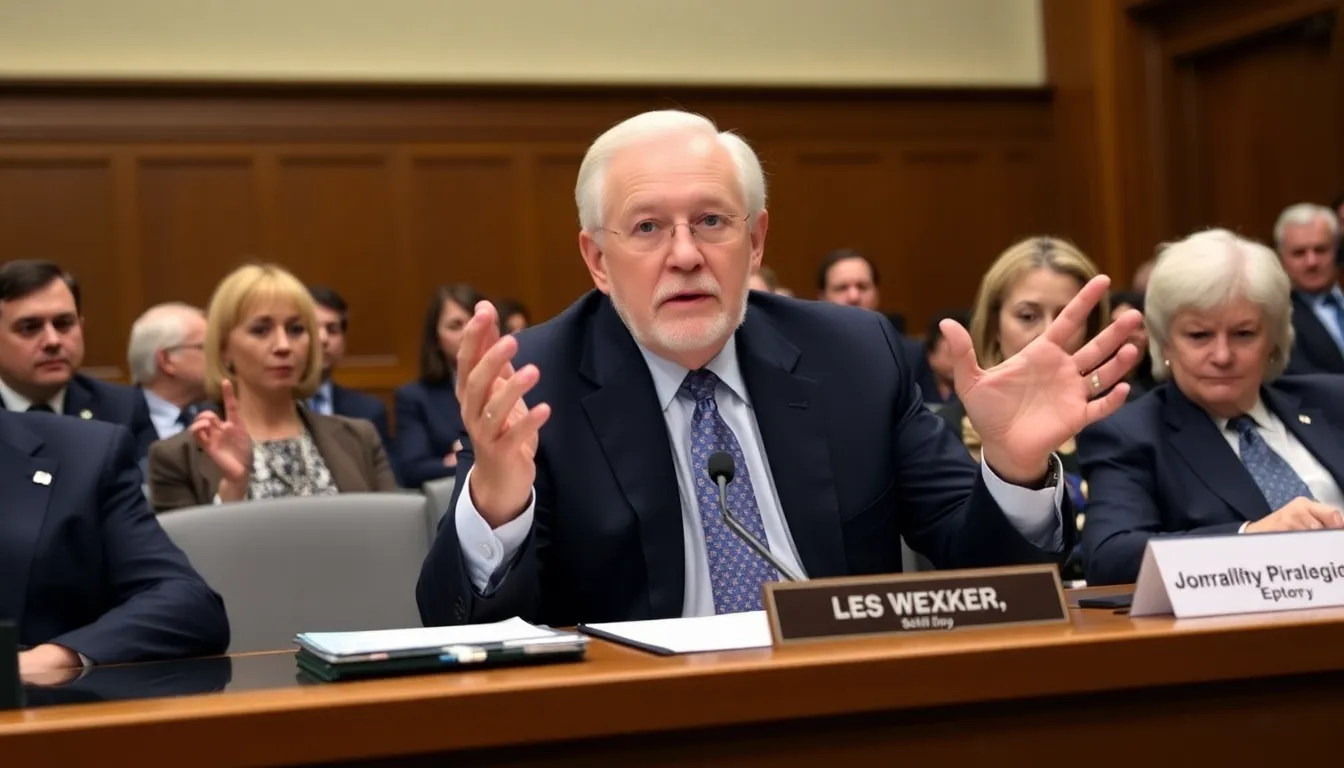
- Potential decline in consumer trust affecting sales.
- Increased scrutiny from regulators and advocacy groups.
- Opportunities for companies to enhance ethical practices and transparency.
- Possible shifts in investor confidence and market dynamics.
Despite the risks, there are opportunities for Wexner and his businesses to rebuild their reputation by demonstrating a commitment to ethical practices and community engagement. By addressing these issues head-on, they may not only recover but also emerge as leaders in corporate responsibility, appealing to a more socially conscious consumer base.
A: Les Wexner admitted to lawmakers that he felt naive and was misled by Jeffrey Epstein, indicating a lack of awareness about Epstein’s actions. A: Wexner’s association with Epstein has raised concerns among investors and consumers, potentially impacting the reputation of his brands. A: While Wexner’s testimony may not lead to direct legal consequences, it could influence ongoing investigations into Epstein’s network. A: Public reaction has been mixed, with some expressing sympathy for his naivety while others criticize him for his previous association with Epstein. A: Wexner’s admission may prompt companies to reevaluate their vetting processes for partnerships and affiliations.
Frequently asked questions about Wexner and Epstein
Key takeaways from Wexner’s testimony and its future implications
Les Wexner’s recent testimony before U.S. lawmakers sheds light on the complex dynamics of power, trust, and accountability in high-profile relationships. His admission of being ‘naive’ and ‘conned’ by Jeffrey Epstein raises critical questions about due diligence and the responsibilities of influential figures in safeguarding their reputations and those around them. As scrutiny intensifies on the intersections of wealth and influence, Wexner’s experience serves as a cautionary tale about the vulnerabilities that can accompany significant social and financial connections.
Moving forward, it is essential to monitor how this testimony influences legislative actions regarding financial oversight and personal accountability among billionaires and corporate leaders. Furthermore, the implications for philanthropic endeavors and corporate governance practices may prompt a reevaluation of ethical standards within these spheres.
- Increased scrutiny on the personal and professional relationships of influential figures may lead to new regulations regarding accountability.
- Philanthropic organizations might face pressure to enhance transparency and due diligence in their partnerships and funding decisions.
- Corporate governance may evolve to include more robust mechanisms for vetting connections that could pose reputational risks.
- Wexner’s testimony could catalyze broader discussions around the responsibilities of wealth and influence in society.
- Future legislative measures may emerge aimed at protecting vulnerable individuals from exploitation by powerful figures.