
Walcott, who spent 12 years at Arsenal, highlighted the lack of intensity and urgency displayed by the team during the match. He emphasized that such a performance is unacceptable for a club with Arsenal’s history and expectations, particularly in a tournament that they have traditionally performed well in, as seen in their previous FA Cup victories.
Richards echoed Walcott’s sentiments, pointing out that Arsenal’s inability to capitalize on their chances ultimately cost them the match. He noted that the team appeared to lack the necessary grit and determination, which are essential qualities for success in knockout competitions like the FA Cup.
The criticism from both former players comes at a time when Arsenal is under pressure to deliver silverware. With the Premier League title race heating up, fans and pundits alike are questioning whether the team can bounce back from this setback and regain their competitive edge in upcoming fixtures.
Understanding the significance of the FA Cup for Arsenal
The FA Cup, established in 1871, is the oldest football competition in the world and holds a special place in the hearts of Arsenal fans and players alike. For the Gunners, the tournament has been a source of pride and a platform for showcasing their historic legacy, having won the competition a record 14 times. This rich history not only emphasizes the club’s dominance in English football but also highlights the emotional connection between the team and its supporters.
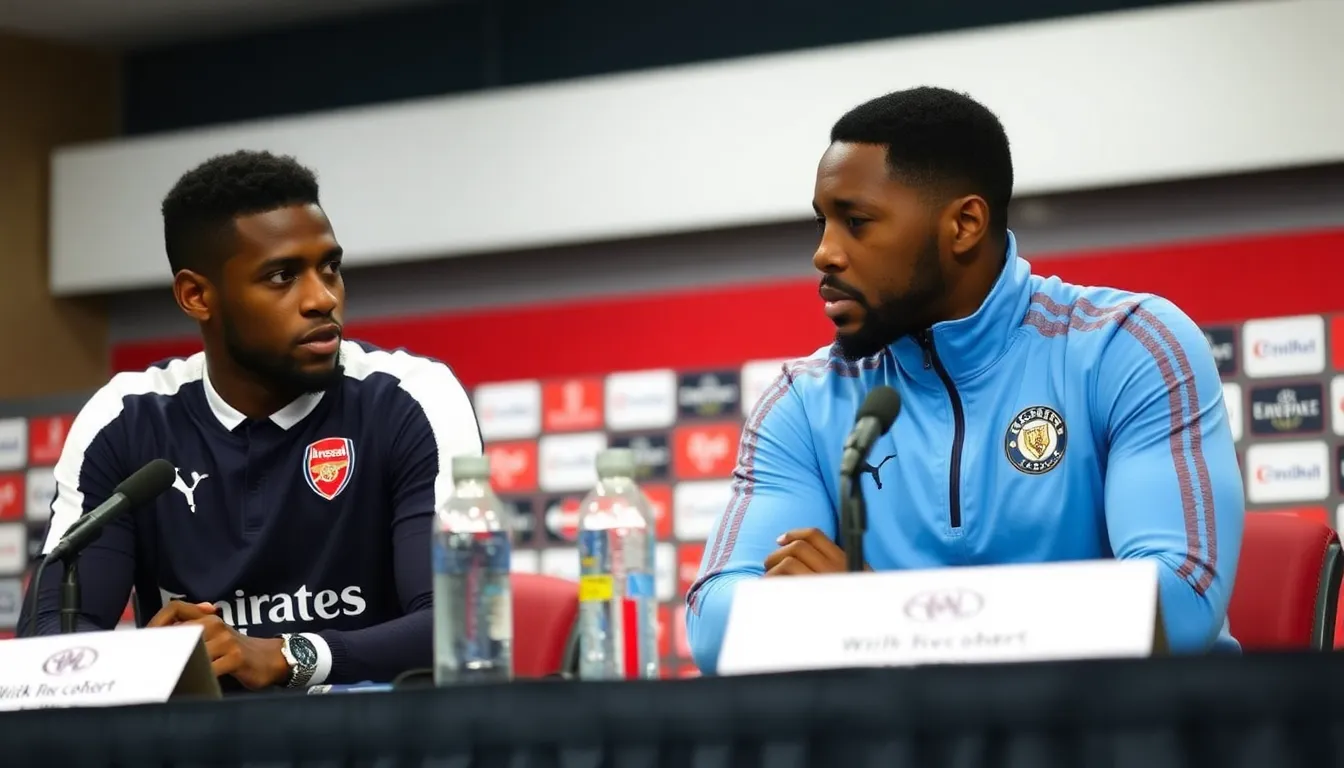
Arsenal’s recent exit from the FA Cup, criticized by former players Theo Walcott and Micah Richards, has reignited discussions about the club’s current trajectory and competitiveness. The FA Cup is often viewed as an opportunity for clubs to secure silverware, especially for those who may not be in contention for the Premier League title, which makes the analysis of their strategies even more pertinent.
Historically, Arsenal has been known for its resilience and ability to bounce back from setbacks. However, the club’s performance in recent seasons has been inconsistent, leading to questions about management decisions and player commitment. The criticism from Walcott and Richards underscores a growing frustration among former players who feel that the club’s rich heritage should translate into stronger performances, particularly in knockout competitions like the FA Cup.
A Shift in Club Philosophy
In recent years, Arsenal has undergone significant changes in management and player recruitment strategies. The shift towards a more youth-oriented approach has been met with mixed reactions from fans and analysts, as the club seeks to build for the future while also competing at the highest level, similar to the experiences faced by players like Max Ojomoh while navigating their careers.
Key issues raised by Walcott and Richards regarding Arsenal’s strategy
In the wake of Arsenal’s recent exit from the FA Cup, former players Theo Walcott and Micah Richards have voiced their concerns about the club’s current strategy and performance. Their criticisms highlight several key issues that have implications not only for the team but also for its broader stakeholder ecosystem, including fans, management, and sponsors.
Walcott and Richards, both of whom have extensive experience in top-flight football, argue that Arsenal’s failure to progress in the tournament reflects deeper systemic problems within the club. They suggest that the management’s approach to player development and match strategy may not align with the expectations of a club with Arsenal’s storied history. This raises questions about the effectiveness of current leadership and coaching staff.
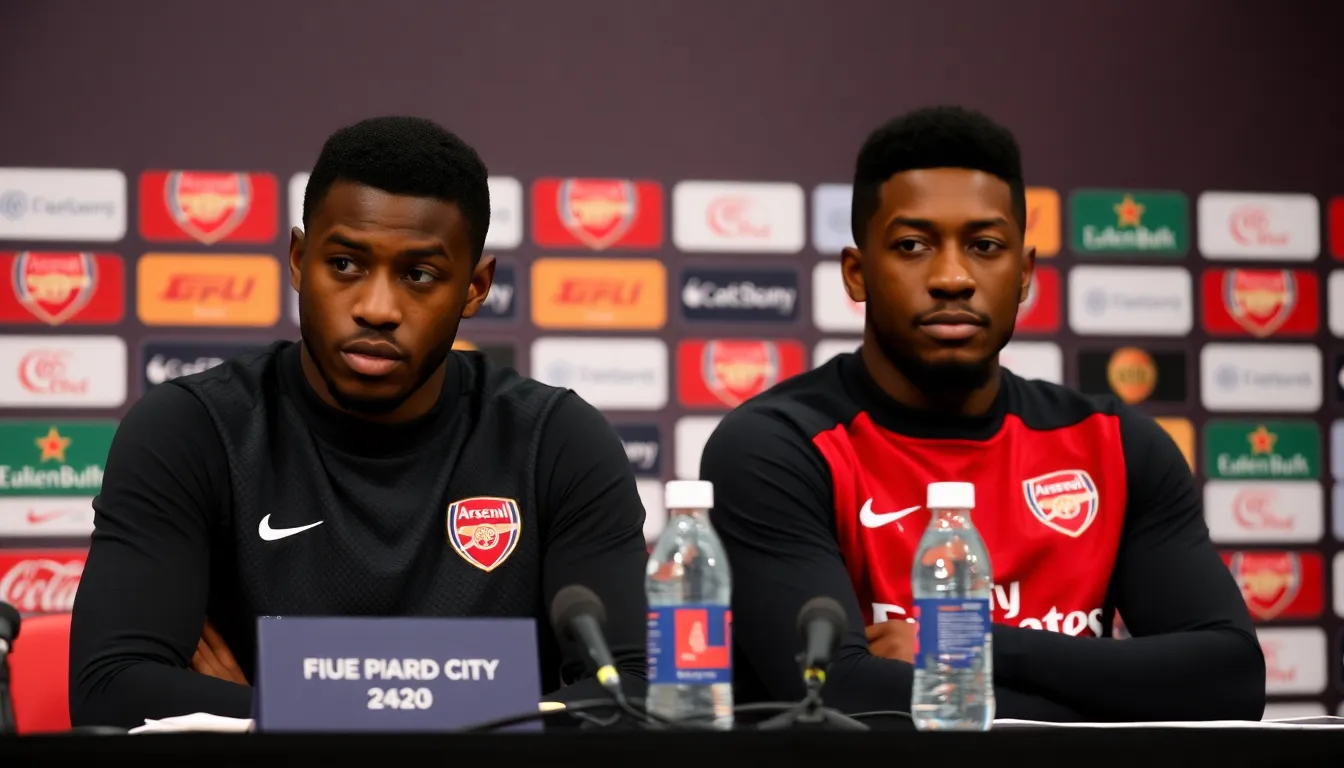
Key stakeholders in this scenario include:
- Arsenal Management: Their interest lies in maintaining a competitive team while ensuring financial stability.
- Players: They seek to perform at their best and achieve success, which directly impacts their careers and market value.
- Fans: Loyal supporters desire a team that competes for trophies and represents their values.
- Media and Analysts: They aim to provide insights and narratives that shape public perception of the club.
The conflict arises from differing expectations among these groups. While management may prioritize financial prudence, fans and former players like Walcott and Richards expect a commitment to winning. This creates a trade-off between short-term financial goals and long-term sporting success, which can lead to dissatisfaction among the fanbase and potential loss of sponsorships.
Additionally, the economic implications of Arsenal’s FA Cup exit cannot be overlooked. The club risks losing out on significant revenue from ticket sales, merchandise, and broadcasting rights associated with deeper tournament runs. This financial strain could further complicate the club’s ability to invest in talent, thereby perpetuating a cycle of underperformance and discontent.
Potential consequences for Arsenal following their FA Cup exit
The recent criticism from former players Theo Walcott and Aaron Richards regarding Arsenal’s early exit from the FA Cup highlights the broader implications for various stakeholders involved with the club. Fans, sponsors, and the local community are among those who may feel the repercussions of this disappointing outcome.
In the short term, the immediate impact on daily life for Arsenal supporters is palpable. Many fans experience a sense of disillusionment, which can lead to decreased attendance at future matches and diminished engagement with club-related activities. This emotional response can also affect merchandise sales, as supporters may be less inclined to spend on team paraphernalia following a disappointing performance.
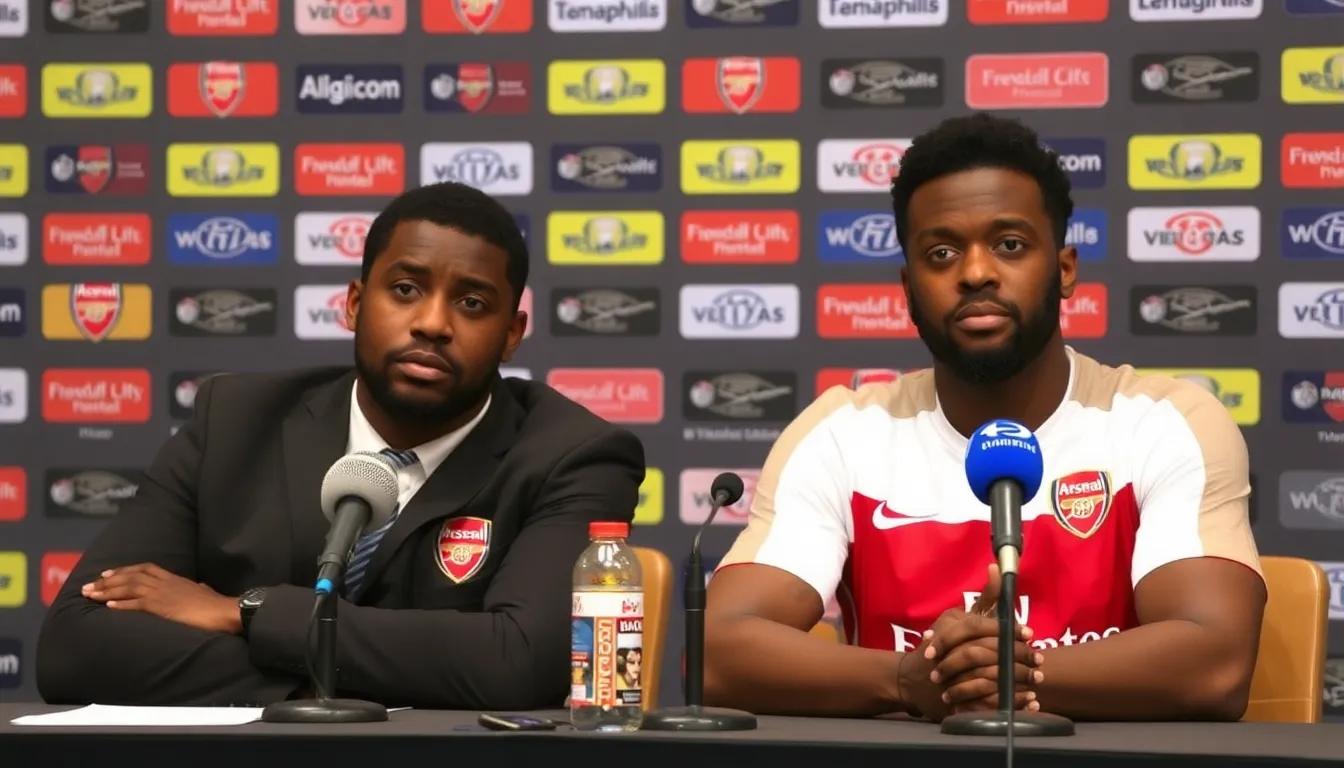
From a business perspective, sponsors and partners may reassess their associations with the club. A lack of success in prestigious tournaments like the FA Cup can diminish the club’s marketability, potentially leading to renegotiations or loss of sponsorship deals. In the mid-term, Arsenal may face increased pressure to improve performance, which could influence their recruitment strategies and investment in player development.
- Fan Engagement: Decreased attendance and merchandise sales.
- Sponsorships: Potential reassessment of partnerships and deals.
- Performance Pressure: Increased scrutiny on management and player performance.
However, this situation also presents potential opportunities for Arsenal. The club could leverage the criticism to galvanize support from their fanbase, promoting unity and resilience in the face of adversity. Additionally, this moment could serve as a catalyst for strategic changes that ultimately lead to improved performance in future competitions, fostering a more robust club identity moving forward.
A: Walcott highlighted the lack of urgency in Arsenal’s play, while Richards pointed out tactical shortcomings that led to their defeat. A: The FA Cup holds historical significance for Arsenal, being a competition they have won multiple times, and it is seen as a chance to secure silverware. A: This exit could affect team morale and impact their focus on other competitions, including the league, as they aim for a strong finish. A: While immediate changes are uncertain, consistent poor performances may lead to increased scrutiny on the coaching staff.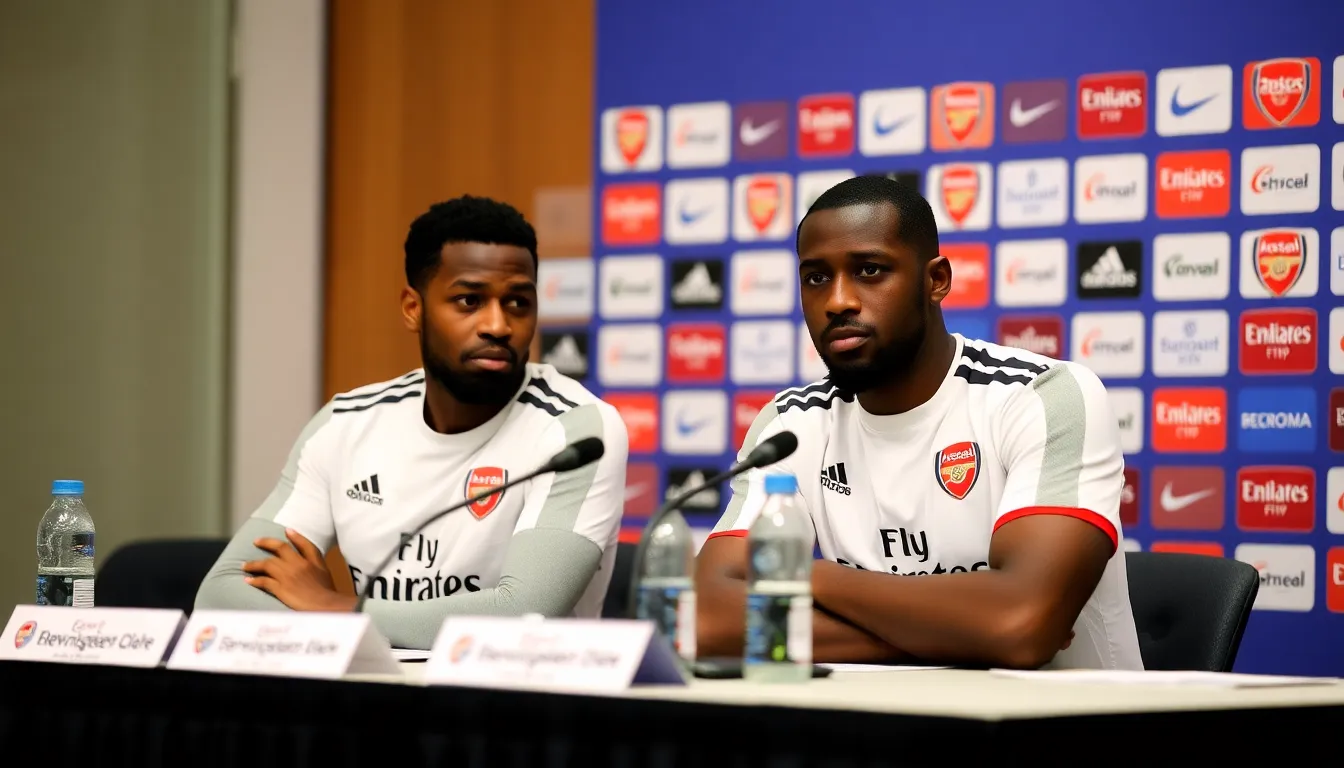
Frequently asked questions about Arsenal’s FA Cup exit
Looking ahead: What this means for Arsenal’s future
The criticisms from Theo Walcott and Micah Richards following Arsenal’s unexpected FA Cup exit highlight significant concerns regarding the team’s current trajectory and resilience in high-pressure situations. As the club navigates the remainder of the season, these insights serve as a crucial reminder of the need for strategic adjustments and mental fortitude. The implications of this defeat extend beyond a single match, potentially influencing player morale and the club’s overall ambitions.
Moving forward, Arsenal must focus on rebuilding confidence and ensuring that their squad can handle the rigors of both domestic and European competitions. The feedback from former players underscores the importance of learning from setbacks and adapting strategies to foster a more competitive edge.
- Addressing Mental Resilience: The team should prioritize mental training to enhance performance under pressure.
- Squad Depth Evaluation: Assessing the depth of the squad will be vital to ensure sufficient support during crucial matches.
- Strategic Adjustments: Tactical changes may be necessary to better navigate high-stakes games in the future.
- Fan Engagement: Rebuilding trust with supporters will be essential as the team seeks to recover from this setback.
- Future Transfer Strategy: Consideration of new signings to strengthen key areas of the squad could be critical for upcoming seasons.