
Observers in the Southern Hemisphere will have the best views, although those in the Northern Hemisphere can still catch a glimpse of this spectacular display. The meteors appear to radiate from the constellation Aquarius, making it important for viewers to locate this area in the sky for an optimal experience. The shower’s visibility is enhanced by dark, clear skies away from city lights. For more information on stargazing and celestial events, visit our other articles.
This year, the meteor shower coincides with a waning crescent moon, which minimizes light interference and allows for clearer visibility of the meteors. The event highlights the importance of astronomical phenomena in fostering public interest in science and nature. Engaging with such events can inspire future generations to explore the universe.
In addition to its aesthetic appeal, the Eta Aquariid meteor shower serves as a reminder of the dynamic processes in our solar system. As Halley’s Comet continues its journey, the periodic showers provide a unique opportunity for both amateur and seasoned astronomers to observe and appreciate the wonders of our celestial neighborhood.
The origins and history of the Eta Aquariid meteor shower
The Eta Aquariid meteor shower is one of the most renowned celestial events, known for its striking displays of shooting stars. This meteor shower occurs annually, peaking around early May, and is associated with Halley’s Comet, which has been observed for centuries. The origins of the Eta Aquariids trace back to the remnants of this comet, which leaves behind a trail of debris as it orbits the Sun. When Earth passes through this debris field, the particles enter the atmosphere at high speeds, resulting in the spectacular meteor shower. To learn more about the history of astronomical phenomena, check out our related articles.
Historically, the Eta Aquariids have been observed since at least the 2nd century, with records from various cultures documenting the phenomenon. Ancient civilizations, including the Chinese and the Greeks, regarded meteor showers as omens or messages from the heavens. The consistent appearances of the Eta Aquariids have allowed astronomers to study their patterns and predict their occurrences accurately. This has contributed to our understanding of comets and meteor showers in general, as well as the broader dynamics of our solar system.
Significant milestones in meteor observation
Throughout history, significant milestones have marked the study of meteor showers, including the development of observational tools and techniques. The invention of the telescope in the 17th century revolutionized astronomy, allowing for more detailed observations of celestial events. In the 19th century, astronomers began to classify meteor showers more systematically, leading to a better understanding of their origins and characteristics. The Eta Aquariids, in particular, gained prominence in the astronomical community due to their connection to Halley’s Comet, which was famously documented during its last close approach in 1986.
In recent decades, advancements in technology have further enhanced our ability to observe and appreciate the Eta Aquariid meteor shower. High-speed cameras and digital imaging have enabled astronomers to capture the shower’s intensity and frequency with unprecedented clarity. Additionally, the rise of citizen science and public engagement in astronomy has made it easier for enthusiasts to participate in meteor watching events, fostering a deeper appreciation for this natural spectacle. Explore how technological advancements impact different fields on our website.
Key factors influencing visibility and peak activity
The Eta Aquariid meteor shower, originating from Halley’s Comet, attracts numerous astronomy enthusiasts and casual stargazers alike. Several stakeholders are involved in the observation and promotion of this celestial event, each with distinct interests. These include amateur astronomers, educational institutions, local governments, and environmental organizations.
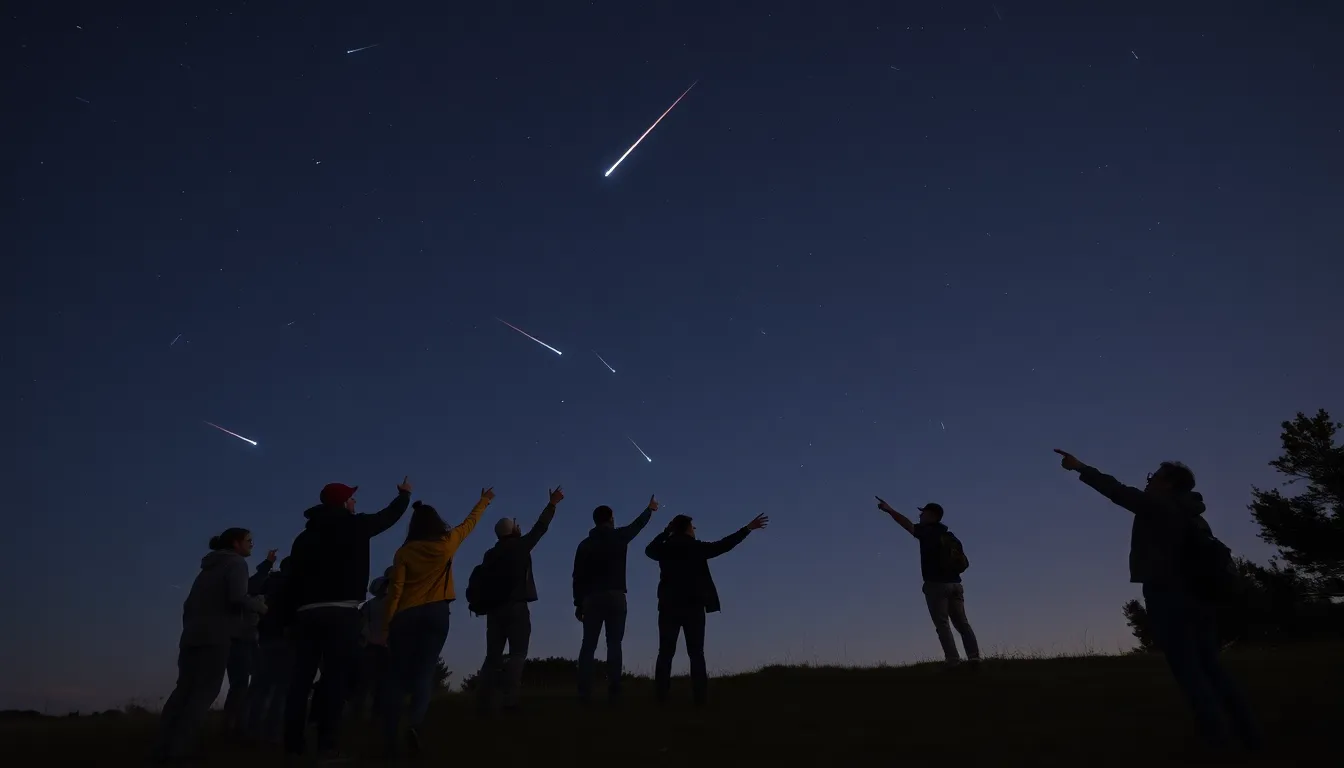
Amateur astronomers and astronomy clubs are often the primary advocates for viewing events like the Eta Aquariids. Their interest lies in sharing knowledge, fostering community engagement, and enhancing public interest in astronomy. They often organize viewing parties and educational sessions to help the public understand the significance of meteor showers.
Local governments may also play a role, particularly in areas where light pollution is a concern. Their interests include promoting tourism and community events, which can lead to economic benefits for local businesses. However, there can be conflicts between the desire for economic growth and the need to maintain dark skies for optimal meteor viewing conditions.
Environmental organizations are increasingly involved in discussions about light pollution and its impact on natural phenomena like meteor showers. They advocate for policies that minimize artificial lighting, which can detract from the visibility of celestial events. This creates a trade-off between urban development and the preservation of natural night skies.
- Light Pollution: Urban areas often struggle with excessive artificial lighting, which can hinder visibility during the meteor shower.
- Public Engagement: Astronomy clubs aim to increase public interest in meteor showers through organized events.
- Economic Interests: Local governments may promote viewing events to boost tourism, creating tension with environmental goals.
- Education: Schools and universities may incorporate meteor showers into their curriculum, enhancing scientific literacy.
- Environmental Policies: Advocacy for reduced light pollution can conflict with urban expansion and development initiatives.
Who can benefit from watching the meteor shower and where
The Eta Aquariid meteor shower, peaking in early May, offers a unique opportunity for various groups and industries to engage with a natural phenomenon that captivates both amateur and professional astronomers alike. Observers in regions with minimal light pollution, particularly in the southern hemisphere, stand to gain the most from this celestial event.
Local tourism industries can see a boost as stargazers travel to prime viewing locations. Areas known for their dark skies, such as national parks and rural communities, may experience increased foot traffic and economic activity. This surge can lead to short-term benefits for businesses including hotels, restaurants, and outdoor gear retailers.
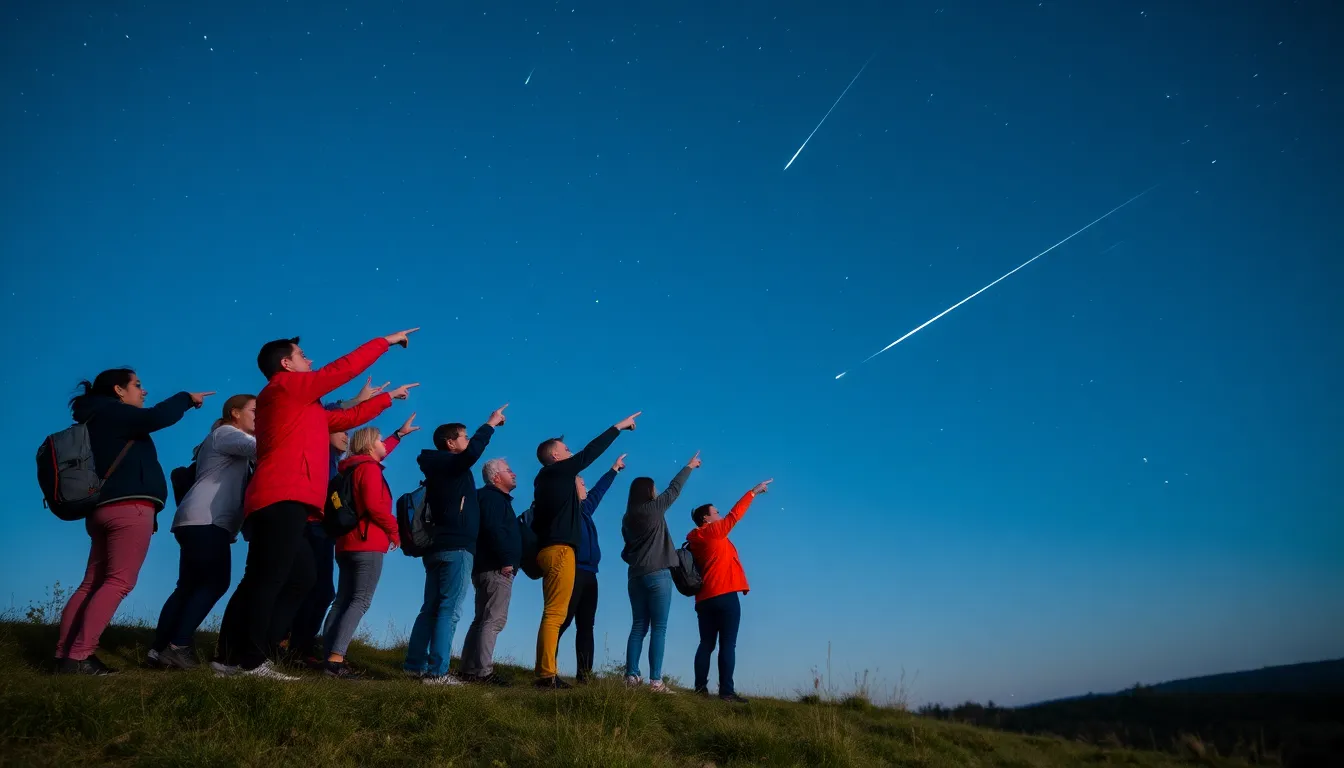
Moreover, educational institutions and planetariums can leverage the event to enhance public interest in astronomy. Organizing viewing events or workshops can foster community engagement and inspire the next generation of scientists. This initiative can have mid-term impacts on educational policies by emphasizing the importance of STEM (Science, Technology, Engineering, and Mathematics) fields.
- Tourism Boost: Increased visitors to prime viewing locations.
- Economic Opportunities: Growth for local businesses catering to stargazers.
- Community Engagement: Educational events promoting astronomy and science.
- Increased Awareness: Potential for policy shifts towards supporting public astronomy initiatives.
However, there are also risks associated with increased public interest. Areas experiencing a surge in visitors may face challenges such as overcrowding and environmental degradation. Local authorities will need to balance tourism growth with the preservation of natural habitats to ensure that the beauty of the night sky remains accessible for future generations.
A: The Eta Aquariid meteor shower is typically best viewed in the pre-dawn hours during its peak, which usually occurs in early May. A: No special equipment is needed; a clear, dark sky is ideal for viewing the meteors. A: The best locations are away from city lights, in open areas with a clear view of the sky. A: During peak activity, you can expect to see up to 30 meteors per hour under optimal conditions. A: Yes, the Eta Aquariid meteor shower can be seen from both hemispheres, although it is more prominent in the southern hemisphere.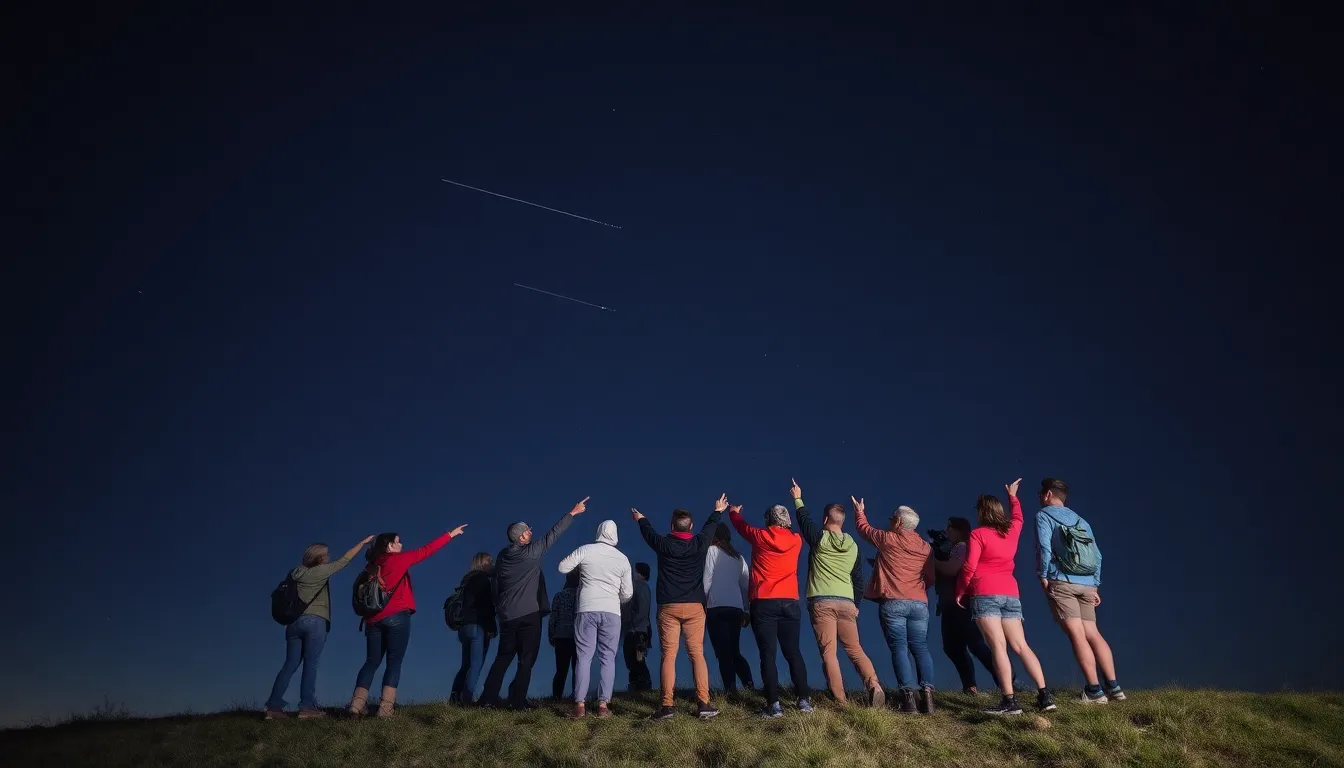
Frequently asked questions about the Eta Aquariid meteor shower
Key takeaways and future outlook for meteor shower enthusiasts
The Eta Aquariid meteor shower presents a unique opportunity for stargazers and astronomy enthusiasts alike. As one of the most prominent meteor showers of the year, it offers a chance to witness the beauty of shooting stars originating from Halley’s Comet. Understanding the optimal viewing conditions and timing can enhance the experience, making it accessible to both novice and seasoned observers.
Looking ahead, the continued interest in meteor showers underscores the importance of awareness regarding light pollution and the need for dark sky locations. As urban areas expand, finding suitable viewing spots becomes increasingly crucial. Additionally, engaging with local astronomy clubs can provide valuable resources and communal experiences, enriching the overall enjoyment of celestial events.
- Plan your viewing for the early morning hours when activity peaks and skies are darkest.
- Seek out dark locations away from city lights to maximize visibility.
- Stay informed about weather conditions, as clear skies are essential for optimal viewing.
- Consider joining local astronomy groups to enhance your experience and knowledge.
- Use mobile apps or star charts to track meteor paths and identify constellations.