
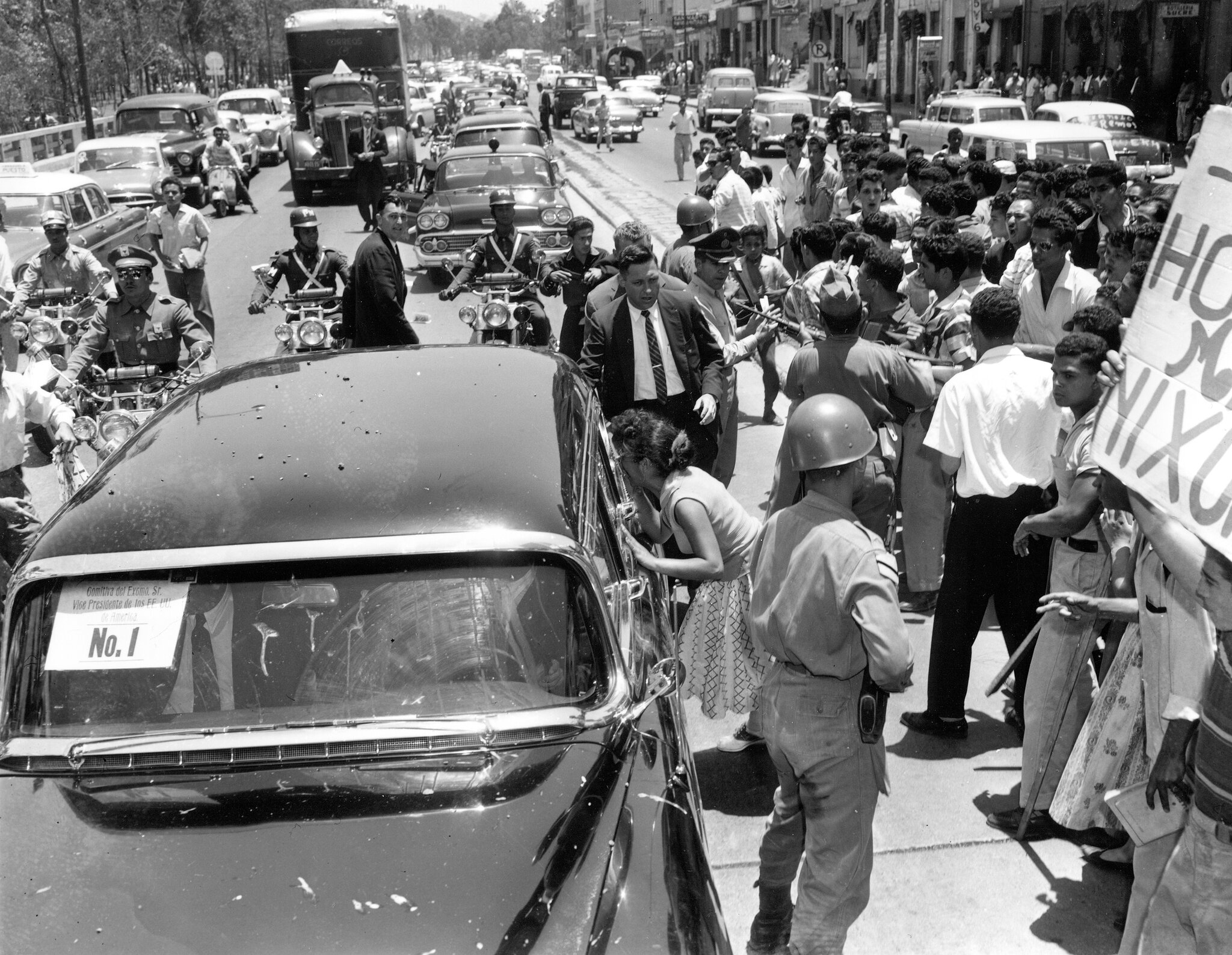
The Shift in U.S.-Venezuela Relations
The relationship between the United States and Venezuela has experienced a tumultuous transformation over the last two decades, particularly reflected in how the US has adjusted its foreign policies. Once considered an ally, Venezuela has become a focal point of criticism and target for U.S. policies, especially under the Trump administration. This shift is not merely political but rooted in a complex interplay of ideology, economics, and global diplomacy.
Understanding the Historical Context
To fully grasp the current dynamics, it is essential to analyze the historical context of Venezuelan-American relations. In the late 20th century, under the leadership of President Hugo Chávez, Venezuela sought to assert its independence from U.S. influence while promoting a leftist, anti-American agenda.
The Bolivarian Revolution and Its Ideology
Chávez’s Bolivarian Revolution was marked by a firm opposition to U.S. capitalism, which he claimed perpetuated inequality in Latin America. The initial wave of support for Chávez within the U.S. was tied to shared interests in combating drug trafficking and promoting stability in the region. However, as Chávez’s policies deepened, so did tensions between Caracas and Washington, which are echoed in similar tensions seen in other geopolitical conflicts.
Comparative Analysis of Diplomatic Relations
The relationship soured significantly during Chávez’s tenure, particularly as he aligned with countries such as Iran and Russia. This new geopolitical alliance alarmed U.S. officials and shifted the narrative from one of cooperation to suspicion.

The Shift with Obama Administration
Under President Barack Obama, while relations remained strained, there were attempts to engage diplomatically. Sanctions were imposed, yet there was a willingness to explore collaborative solutions to common regional issues, including trade, security, and migration.
Trump’s Hardline Policies toward Venezuela
With the rise of Donald Trump to the presidency, the tone and approach to Venezuela changed drastically. The Trump administration adopted a hardline stance, focusing on regime change and imposing a wide array of sanctions.

The Rationale Behind Sanctions
The rationale was straightforward: to undermine Nicolás Maduro’s government, which Trump referred to as a dictatorship. The U.S. sought to support opposition figures, particularly Juan Guaidó, who declared himself interim president in 2019.
The Impacts of U.S. Policies on Venezuela
The implications of these policies on the Venezuelan populace have been severe. The economic sanctions, aimed at crippling the regime, have resulted in increased poverty and hardship for regular Venezuelans, leading to widespread humanitarian crises.

Global Reactions to U.S. Actions
Internationally, the U.S. actions faced criticism. Countries supporting Maduro, including Russia and China, condemned the sanctions and increased their own partnerships with Venezuela. This geopolitical chess game underscored the broader implications of U.S.-Venezuela relations.
What Lies Ahead for U.S.-Venezuela Relations
The future trajectory of U.S.-Venezuela relations remains uncertain. While the Biden administration has signaled a desire for diplomatic relations, the legacy of the Trump era continues to cast a long shadow over potential reconciliation, a scenario reminiscent of shifts in economic policies such as those discussed in recent interest rate decisions.

Multifaceted Approaches to Foreign Policy
Moving forward, it will be essential for U.S. policymakers to consider more nuanced approaches that balance the need for political transformation in Venezuela with humanitarian concerns and regional stability.
Key Points to Remember
The evolution of U.S.-Venezuela relations highlights a complex narrative of ideological, economic, and political shifts. The journey from ally to adversary serves as a cautionary tale for diplomatic relations worldwide.
Frequently Asked Questions Related to Venezuela and U.S. Relations
A: The shift was primarily due to Hugo Chávez’s anti-American rhetoric and alignment with adversarial nations, which shifted the U.S. perspective from ally to adversary.
A: The Trump administration adopted a hardline approach, focusing on regime change and imposing numerous sanctions against the Maduro government.
A: The sanctions have led to significant economic decline, increased poverty, and humanitarian crises affecting the Venezuelan population.
Future Directions for U.S.-Venezuelan Diplomacy
As both nations navigate their futures, reinstating diplomatic engagements may offer new pathways for conflict resolution and improved humanitarian conditions for the Venezuelan people. A reevaluation of strategies that emphasize cooperation and understanding could redefine U.S.-Venezuela relations in a post-Trump era.