
Researchers from Harvard University and the University of Cambridge employed advanced neuroimaging techniques to monitor brain activity in 30 patients. Their findings indicated that some individuals exhibited brain patterns similar to those of healthy subjects when asked to imagine specific scenarios, such as playing tennis or navigating their homes.
This groundbreaking study raises important ethical questions regarding the treatment and care of vegetative patients. If individuals are indeed aware of their surroundings, it may necessitate a reevaluation of end-of-life decisions and the support provided to these patients and their families.
Moreover, the implications of this research extend beyond the medical field, prompting discussions about the definitions of consciousness and the rights of individuals in altered states of awareness. As awareness in vegetative patients becomes a focal point of ongoing studies, the need for more comprehensive assessments and communication strategies is becoming increasingly clear.
Understanding the vegetative state and its implications
The term “vegetative state” refers to a condition in which a person is awake but shows no signs of awareness or cognitive function. This medical diagnosis often arises after severe brain injury, leading to a state where patients may open their eyes and exhibit sleep-wake cycles but lack the ability to interact with their environment. Historically, the understanding of this condition has evolved significantly, influenced by advances in neuroscience and medical imaging technologies.
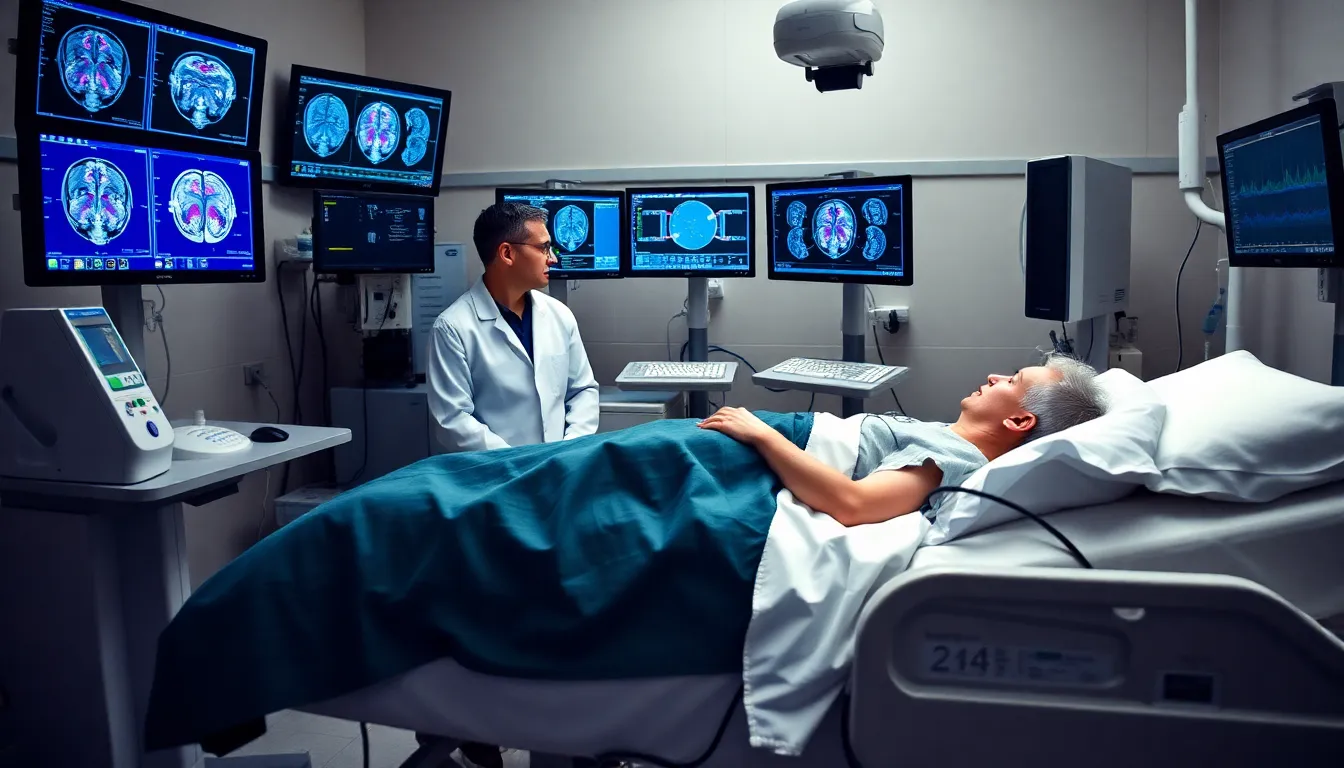
In the early 20th century, patients diagnosed with vegetative states were often viewed as having little to no chance of recovery. This perception was reinforced by the limited medical knowledge of brain function and consciousness at the time. However, landmark studies in the late 1990s and early 2000s began to challenge this notion, revealing that some patients may retain levels of awareness undetectable by standard clinical assessments.
Key Milestones in Research
One pivotal moment in this evolving understanding was a 2006 study published in the journal “New England Journal of Medicine,” where researchers used functional magnetic resonance imaging (fMRI) to assess brain activity in patients diagnosed as vegetative. The study found that some patients could respond to commands, indicating a level of cognitive function previously thought impossible. This breakthrough ignited further research into the potential for awareness in vegetative patients, leading to a re-evaluation of care and treatment options.
Economically and socially, the implications of these findings are profound. Families of vegetative patients often face difficult decisions regarding long-term care, quality of life, and ethical considerations surrounding life support. As awareness grows about the potential for consciousness in these patients, there is increasing pressure on healthcare systems to provide comprehensive assessments and support for families navigating these challenging circumstances.
Politically, the discourse surrounding vegetative states has also influenced legislation related to end-of-life care and patient rights. As more evidence emerges that vegetative patients may experience some level of awareness, advocates are pushing for policies that ensure these individuals receive appropriate care and respect for their dignity, rather than being prematurely classified as unresponsive. This ongoing dialogue continues to shape the landscape of medical ethics and patient advocacy.
Key issues and stakeholders in the debate on patient awareness
The discussion surrounding vegetative patients and their potential awareness involves a complex interplay of various stakeholders, including healthcare professionals, researchers, patient advocacy groups, and government entities. Each of these groups has distinct interests that shape the ongoing debate about patient rights, medical ethics, and the implications of new research findings.
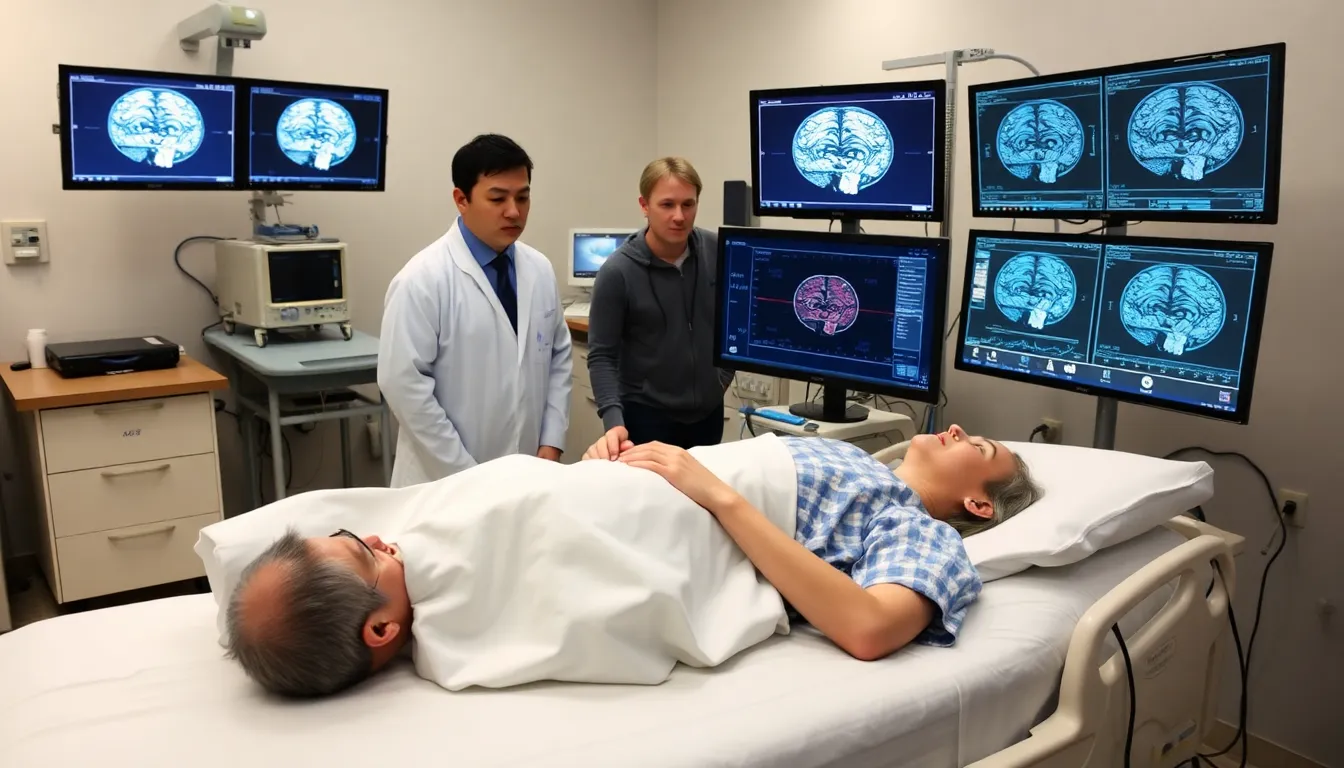
Healthcare professionals, particularly neurologists and rehabilitation specialists, are at the forefront of this issue. Their interest lies in improving diagnostic tools and treatment protocols for patients with disorders of consciousness. As new studies suggest that some vegetative patients may possess a level of awareness, there is a pressing need for healthcare providers to adapt their approaches, which could lead to significant changes in patient care and resource allocation.
Research institutions and universities are also key players, driven by the pursuit of knowledge and the desire to advance medical science. They are investing in studies that explore brain activity in vegetative patients, using advanced imaging techniques to uncover potential awareness. However, this raises ethical concerns regarding the treatment of research subjects and the interpretation of findings, which may not always align with patient welfare.
Patient advocacy groups play a crucial role in representing the interests of individuals with severe brain injuries and their families. They advocate for better recognition of patient rights and the need for comprehensive support systems. Their involvement often highlights the emotional and psychological challenges faced by families, as well as the importance of informed consent and ethical considerations in treatment decisions.
- Legal implications: The possibility of awareness in vegetative patients raises questions about legal responsibility and the rights of patients to make decisions about their care.
- Economic trade-offs: Implementing new diagnostic tools and treatment protocols may require substantial financial investment, impacting healthcare budgets and resource distribution.
- Ethical dilemmas: The debate surrounding the quality of life for vegetative patients prompts discussions about the morality of continued treatment versus palliative care.
- Public perception: As awareness of these issues grows, public opinion may influence policy decisions and funding for research in this area.
The potential impact on families and medical practices
The revelation that vegetative patients may possess a higher level of awareness than previously understood has significant implications for various groups, particularly families of affected individuals and medical practitioners. Families may experience a profound emotional shift as they reassess their loved ones’ conditions, leading to changes in caregiving approaches and emotional dynamics.
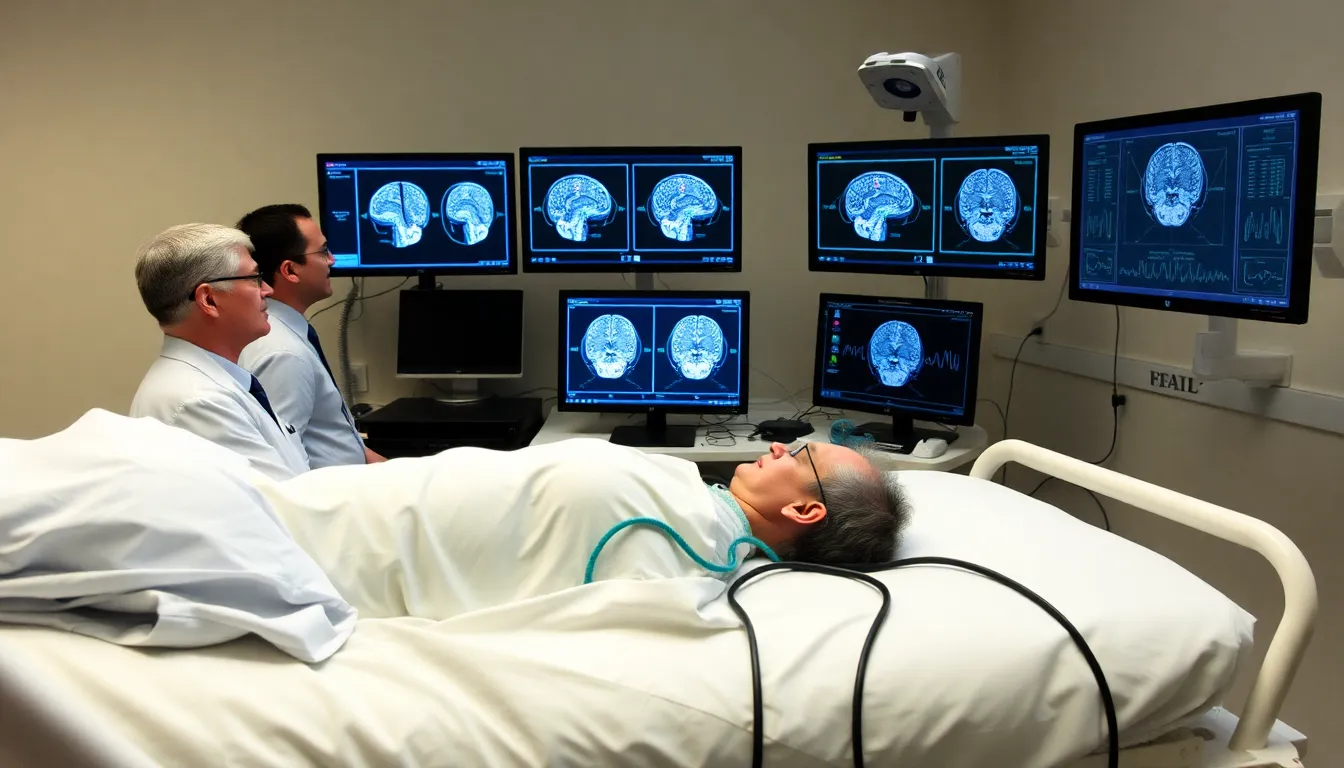
Medical practices will need to adapt to these findings, potentially altering diagnostic protocols and treatment plans. This could involve more comprehensive assessments of patient awareness, which may require additional training for healthcare professionals. The implications extend to rehabilitation facilities and long-term care centers, which may need to implement new strategies for patient engagement.
In the short term, families might face increased emotional strain as they navigate the complexities of communication and care for their loved ones. However, this awareness could also foster a deeper connection and understanding, leading to improved relationships. In the mid-term, healthcare policies may evolve to prioritize patient-centered care, emphasizing the need for advanced technologies and methodologies to assess consciousness.
- Families: Emotional reassessment and changes in caregiving.
- Healthcare Providers: Need for training and new protocols.
- Policy Makers: Potential for policy shifts towards patient-centered care.
- Technology Developers: Opportunities for innovations in patient assessment tools.
While there are risks associated with misinterpretation of patient awareness, the potential for improved quality of life and care for vegetative patients presents significant opportunities for innovation in the healthcare sector. As awareness grows, so too does the potential for new therapies and interventions that could enhance patient outcomes.
A: A vegetative state is a condition where a patient is awake but shows no signs of awareness or response to stimuli. It can occur after severe brain injury. A: Recent studies using advanced imaging techniques have shown that some patients may respond to commands or stimuli in ways that indicate a level of awareness previously unrecognized. A: These findings could change how families and healthcare providers approach treatment decisions, as well as influence ethical considerations surrounding end-of-life care. A: While there is no definitive therapy for vegetative patients, some rehabilitation approaches aim to stimulate awareness and improve quality of life. A: Vegetative states are relatively rare but can occur in patients who have suffered traumatic brain injuries, strokes, or other severe neurological conditions.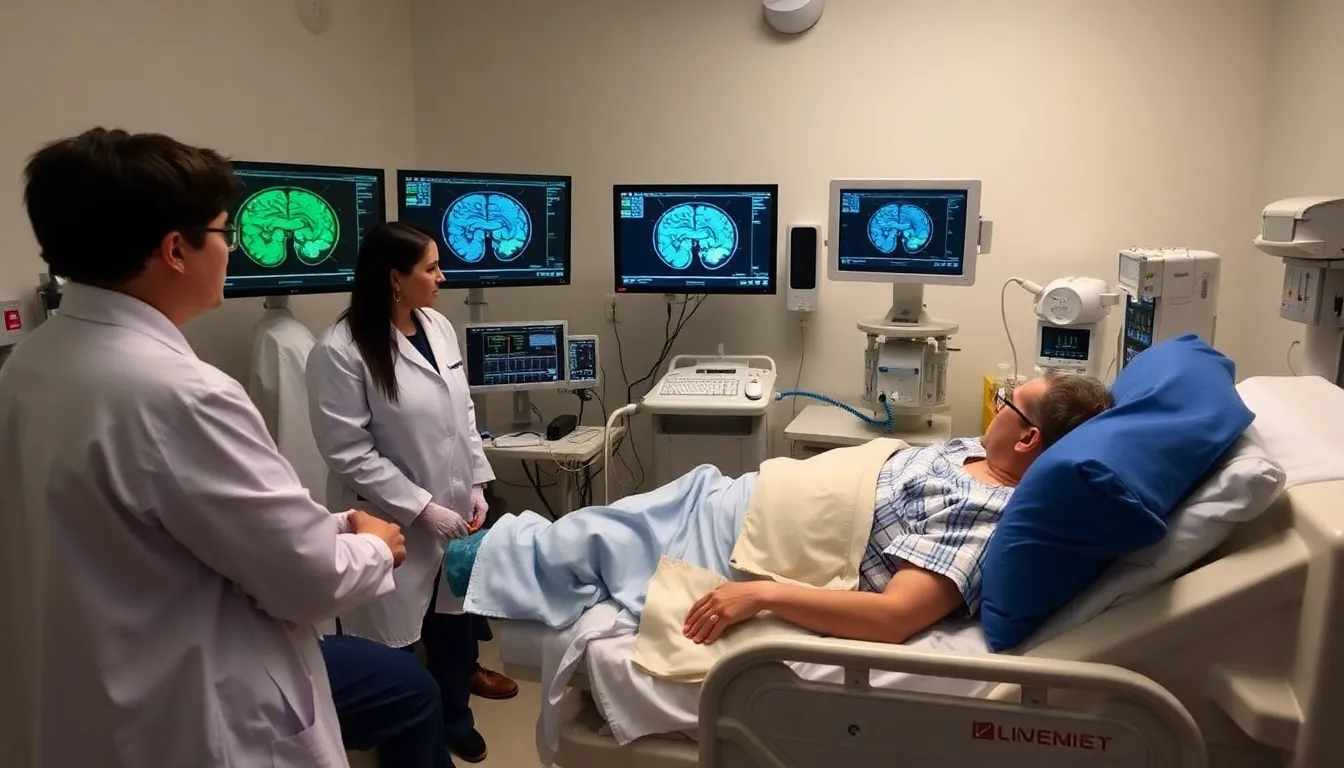
Frequently asked questions about vegetative states and awareness
Looking ahead: implications for treatment and understanding of consciousness
The recent findings regarding the awareness levels of vegetative patients challenge long-held assumptions about consciousness and recovery. As research continues to unveil the complexities of brain activity in these patients, it opens new avenues for both treatment and understanding of the human mind. Clinicians may need to reconsider the potential for communication and rehabilitation in individuals previously deemed unresponsive.
Furthermore, this evolving perspective on consciousness could lead to significant ethical discussions surrounding end-of-life care and the rights of patients who may possess a level of awareness. As we advance in our understanding, it is crucial to remain vigilant about the implications for both medical practice and societal attitudes toward patients in vegetative states.
- Enhanced diagnostic tools: Development of advanced imaging techniques may help in identifying levels of awareness, leading to tailored treatment plans.
- Rehabilitation possibilities: New therapeutic approaches could emerge, focusing on stimulating awareness and communication in vegetative patients.
- Ethical considerations: Ongoing discussions will be necessary to navigate the complexities of consent and patient rights in light of newfound awareness.
- Public awareness: Increased dialogue about consciousness in vegetative states can foster a more compassionate understanding of affected individuals and their families.