
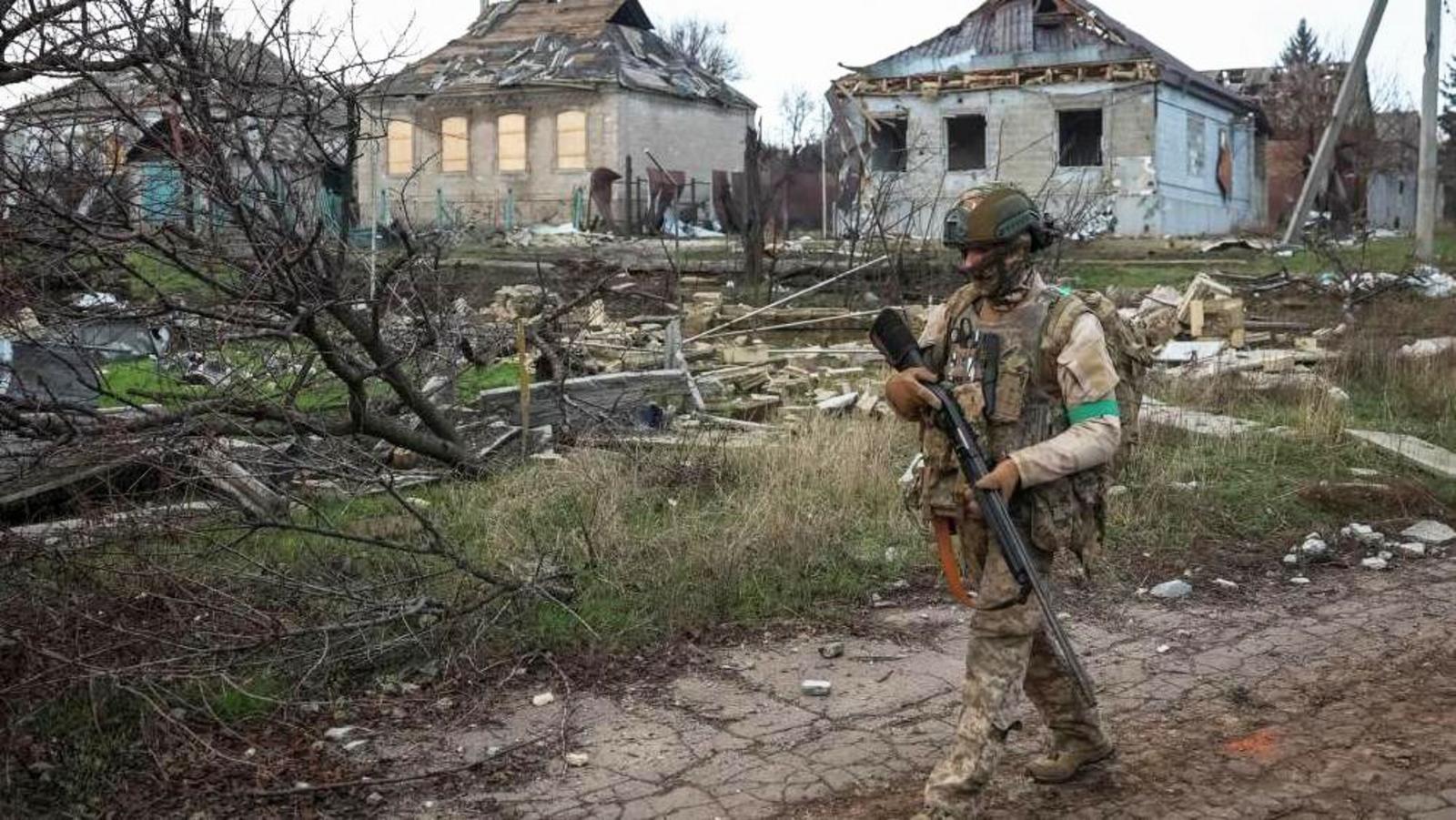
The ongoing conflict in Ukraine, now entering its third year, has prompted the government to reconsider its approach to peace negotiations. Recently, President Volodymyr Zelensky firmly rejected any notion of territorial concessions, setting the stage for a new peace plan that aims to uphold Ukraine’s sovereignty.
Understanding the Current Situation and its Urgency
The war in Ukraine has created a humanitarian crisis and significantly impacted the global geopolitical landscape. As tensions rise on multiple fronts, the need for an effective peace strategy has never been more urgent, particularly in light of past peace talks.
Historical Context of the Conflict
Since 2014, Ukraine has faced continuous aggression from Russia, which annexed Crimea and supported separatist movements in the eastern regions. Previous peace attempts, such as the Minsk agreements, have failed to produce lasting results.

Recent Developments Leading to a New Plan
Recent military advances by Ukrainian forces and ongoing international support have provided Ukraine with renewed confidence. This backdrop has motivated Zelensky to propose a fresh peace initiative that aligns with the nation’s interests and territorial integrity.
Criteria and Considerations for the Upcoming Peace Plan
As the Ukrainian government gears up to unveil its peace plan, several key criteria and considerations will be paramount in shaping this strategy.
International Involvement and Governance
A central aspect of the upcoming plan is enhancing the role of international organizations. Engaging the United Nations and strengthening ties with NATO allies will be crucial for ensuring a robust support system.

Securing Civilians and Upholding Rights
The new plan will focus on the protection of civilians, aiming to implement thorough measures to prevent further loss of life and displacement in conflict-affected areas.
Identifying Potential Examples or Models for the Peace Initiative
Looking at past conflicts and peace resolutions may provide valuable insights into crafting Ukraine’s peace plan.
Case Studies from Other Regions
Lessons from other conflict zones, such as the Colombian peace process, might serve as a reference point. Colombia’s success in negotiations provides a framework that could be adapted to Ukraine’s unique situation, especially considering the diverse approaches to peacebuilding that have emerged globally.

Utilizing Mediation and Peacebuilding Initiatives
Engaging experienced mediators and utilizing grassroots peacebuilding initiatives could enhance dialogue and foster trust among conflicting parties.
Strategic Implementation for a Lasting Solution
The path to peace will require a multifaceted approach. Strategies must be in place to ensure that all stakeholders have a voice in the process.
Long-term Solutions for Stability
Establishing a long-term roadmap towards stability will be crucial. This involves not only cessation of hostilities but also addressing underlying political, economic, and social issues.

Continuous Dialogue and Engagement
Regular dialogues with all parties involved, including Russia, will be essential in maintaining momentum and ensuring accountability throughout the peace process.
Key Points to Consider Going Forward
As Ukraine’s government prepares to present its new peace plan, several key points need to remain at the forefront of the discussion.
The Importance of Territorial Integrity
Zelensky’s strong stance on not conceding territory serves as a rallying call for national unity and resilience. Upholding this principle is vital for any meaningful negotiation.
Ensuring Comprehensive International Support
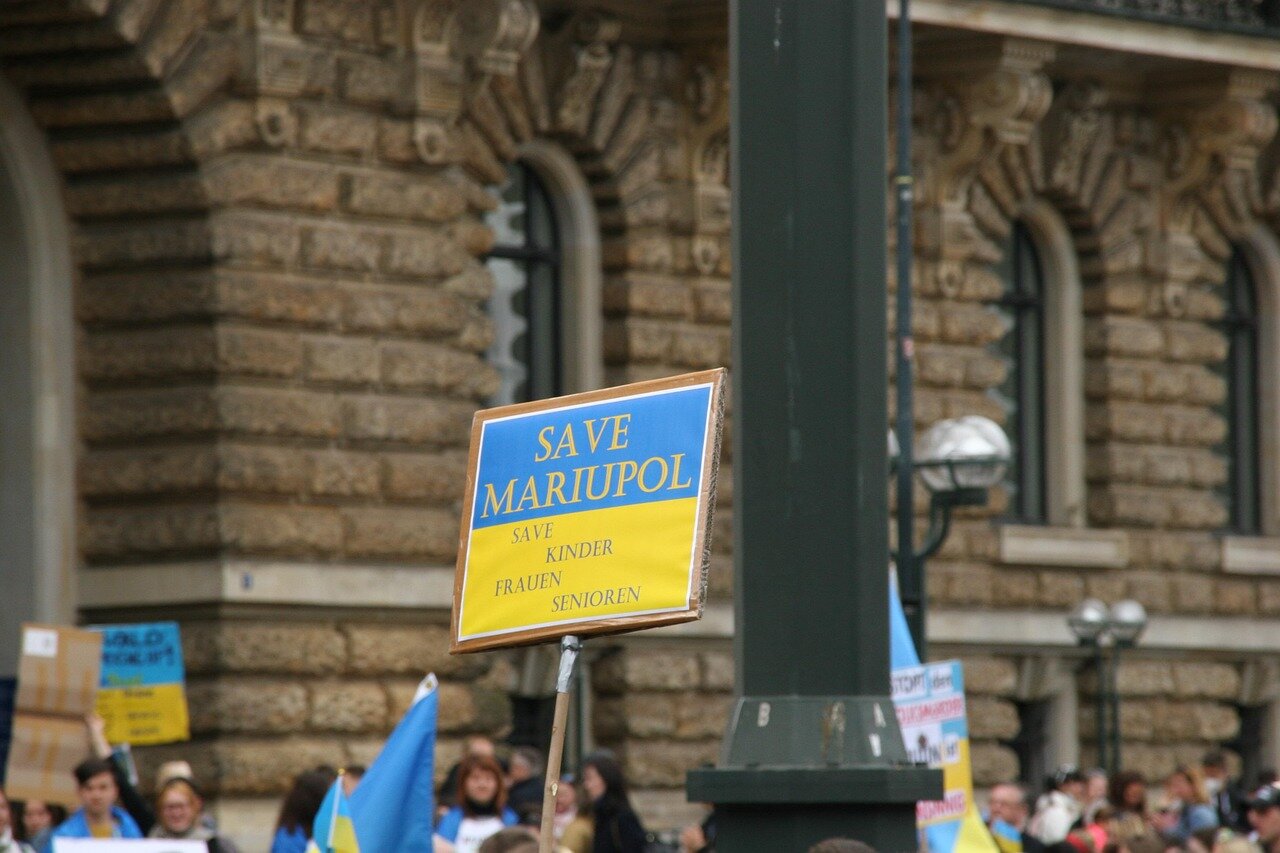
The active participation and support of global allies can provide the necessary backstop for Ukraine to maintain its conditions for a peace agreement.
Monitoring and Evaluation Mechanisms
Establishing solid monitoring and evaluation mechanisms will ensure that all parties adhere to the agreed terms and act as a deterrent against potential violations.
FAQ on Ukraine’s New Peace Plan
A: The main focus is to uphold Ukraine’s territorial integrity while seeking a resolution to the ongoing conflict through international cooperation and dialogue.
A: International support has bolstered Ukraine’s military capabilities and provided diplomatic leverage, instilling confidence that they can negotiate from a position of strength.
A: Ukraine can learn the importance of inclusive dialogue and the need for clear frameworks for monitoring adherence to peace agreements from successful examples like Colombia.
A: President Zelensky has categorically stated that Ukraine will not give up any land as part of the peace negotiations, emphasizing the importance of territorial integrity.
Looking Ahead Towards a Sustainable Path
The development of Ukraine’s new peace plan marks a critical juncture in the ongoing conflict. By prioritizing territorial integrity and seeking significant international engagement, the government lays the groundwork for potential lasting solutions. Continued solidarity from the international community will be indispensable as Ukraine navigates this complex and dynamic situation.