
In July 2022, the UK experienced its first recorded temperature exceeding 40 degrees Celsius, prompting government agencies to issue heat health warnings. Such extreme heat events are expected to become more frequent, with projections suggesting that summers could be up to 5 degrees warmer by the end of the century if current emissions trends continue. This situation poses significant challenges for urban planning and emergency services, highlighting the importance of implementing effective heatwave preparedness plans.
Local authorities are grappling with the implications of rising temperatures on water supply and energy demand. For instance, the National Grid reported record electricity consumption during heatwaves, leading to concerns about the reliability of energy infrastructure. Additionally, drought conditions have been observed in various regions, affecting agriculture and water resources.
As the UK prepares for increasingly hotter summers, discussions around climate adaptation strategies are becoming more urgent. The government has initiated several initiatives aimed at improving resilience to heat, including enhancing green spaces and investing in cooling technologies. However, experts warn that more comprehensive measures are necessary to effectively address the challenges posed by rising temperatures, further demonstrating the need for sustainable climate policies.
Understanding the climate change background in the UK
The United Kingdom has a long history of climate variability, but recent decades have seen a significant shift in temperature patterns. Historically, the UK experienced temperate maritime climate conditions, characterized by mild temperatures and moderate rainfall. However, the last few decades have brought unprecedented heatwaves, with summer temperatures rising noticeably. This change can be attributed to a combination of global climate change and localized environmental factors, further underscoring the challenges outlined in discussions on environmental sustainability.
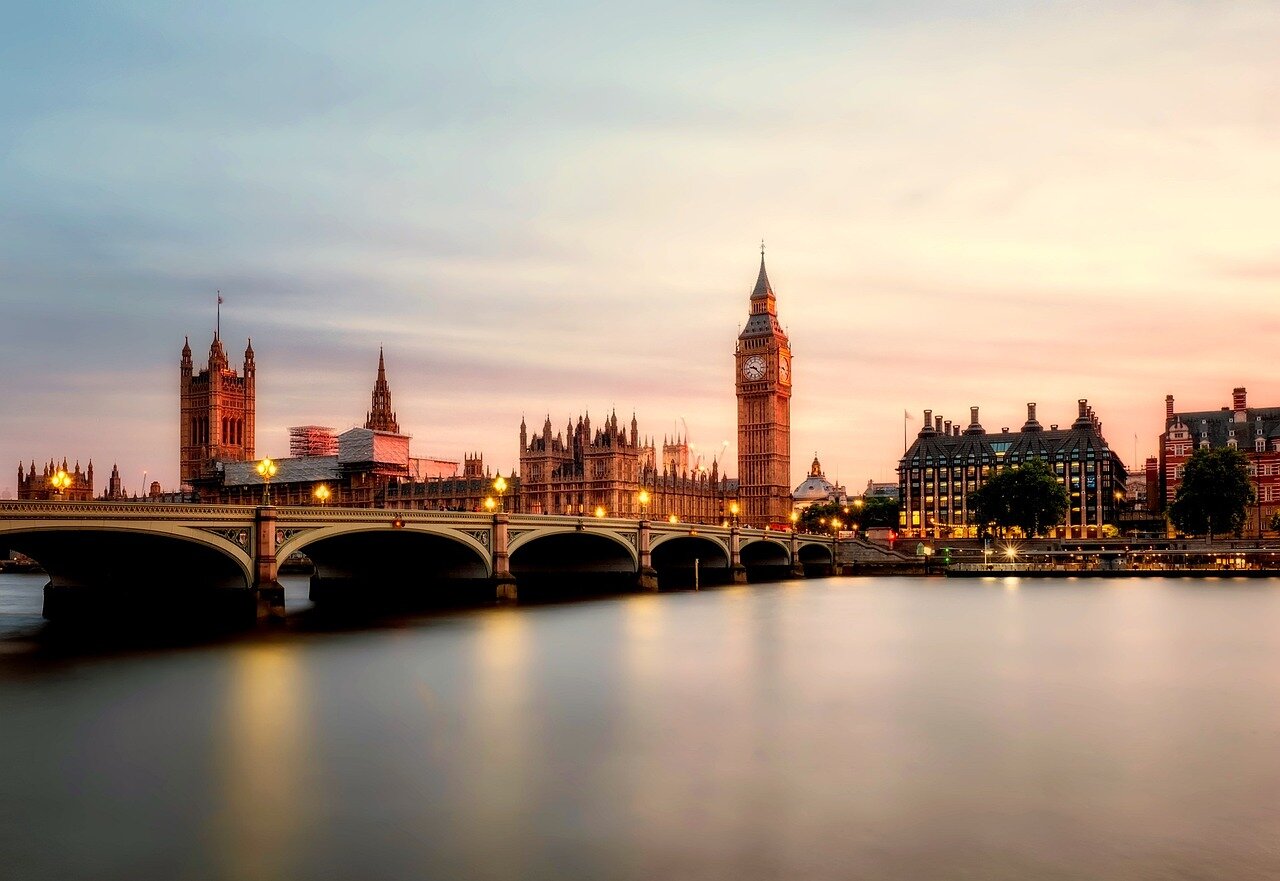
Political awareness of climate change in the UK began to rise in the late 20th century, leading to the establishment of policies aimed at reducing carbon emissions. The UK government played a crucial role in international climate agreements, such as the Kyoto Protocol in 1997 and the Paris Agreement in 2015. These milestones marked a commitment to tackle climate change, but the effectiveness of these policies has often been debated, especially in light of rising temperatures and extreme weather events.
Economically, the impact of climate change has been profound. The UK’s reliance on industries such as agriculture and tourism makes it particularly vulnerable to the effects of rising temperatures. Farmers are facing challenges with crop yields and livestock health due to heat stress, while the tourism sector must adapt to changing weather patterns that affect visitor numbers and experiences. These economic pressures highlight the urgent need for adaptive strategies to mitigate the impacts of hotter summers.
Social Implications of Rising Temperatures
The social consequences of hotter summers are becoming increasingly evident. Vulnerable populations, such as the elderly and those with pre-existing health conditions, are at greater risk during heatwaves. Public health systems are being stretched, as more people seek medical attention for heat-related illnesses. Furthermore, there is a growing awareness of the mental health impacts associated with extreme weather conditions, as communities grapple with the stress of adapting to a changing climate.
Key stakeholders and their roles in addressing heat challenges
As the UK experiences increasingly hotter summers, a range of stakeholders play crucial roles in addressing the associated challenges. These include government bodies, local authorities, environmental organizations, public health agencies, and the general public. Each actor has distinct interests and responsibilities, creating a complex landscape of collaboration and conflict.
Government bodies, such as the UK Parliament and local councils, are primarily responsible for implementing policies aimed at climate resilience and public safety. Their interests lie in balancing economic growth with environmental sustainability. However, the urgency of climate action often clashes with short-term economic considerations, leading to tensions over resource allocation and policy prioritization.

Environmental organizations advocate for stronger climate policies and public awareness about the effects of rising temperatures. Their focus is on promoting sustainable practices and protecting vulnerable ecosystems. Conflicts may arise when their recommendations challenge existing industrial practices or when they demand more stringent regulations that some stakeholders perceive as economically burdensome.
Public health agencies are concerned with the impact of heat on human health, particularly for vulnerable populations such as the elderly and those with pre-existing health conditions. They emphasize the need for effective heatwave preparedness plans. However, their calls for increased funding and resources can sometimes conflict with other governmental priorities, leading to challenges in implementation.
- Local authorities must develop infrastructure that can withstand heat, such as green spaces and cooling centers, which requires substantial investment.
- Businesses, particularly in sectors like agriculture and tourism, face the challenge of adapting to changing climate conditions while maintaining profitability.
- The general public’s awareness and engagement are critical; however, differing levels of understanding and concern about climate issues can lead to varied responses to heat challenges.
Ultimately, the interplay between these stakeholders reveals a landscape filled with both opportunities for collaboration and potential conflicts. Understanding these dynamics is essential for developing effective strategies to mitigate the impacts of hotter summers in the UK.
How rising temperatures affect public health and infrastructure
The increasing temperatures during the UK’s summers pose significant challenges to various groups, including vulnerable populations, healthcare systems, and urban planners. Elderly individuals, children, and those with pre-existing health conditions are particularly susceptible to heat-related illnesses. As temperatures rise, the demand for healthcare services may surge, straining an already overburdened system.
Industries such as agriculture and tourism are also impacted by the changing climate. Farmers may face crop failures due to prolonged heat and drought, while the tourism sector could see fluctuations in visitor patterns as people seek cooler destinations. Additionally, regions with less adaptive infrastructure may experience greater disruptions, leading to economic losses and increased strain on local resources.
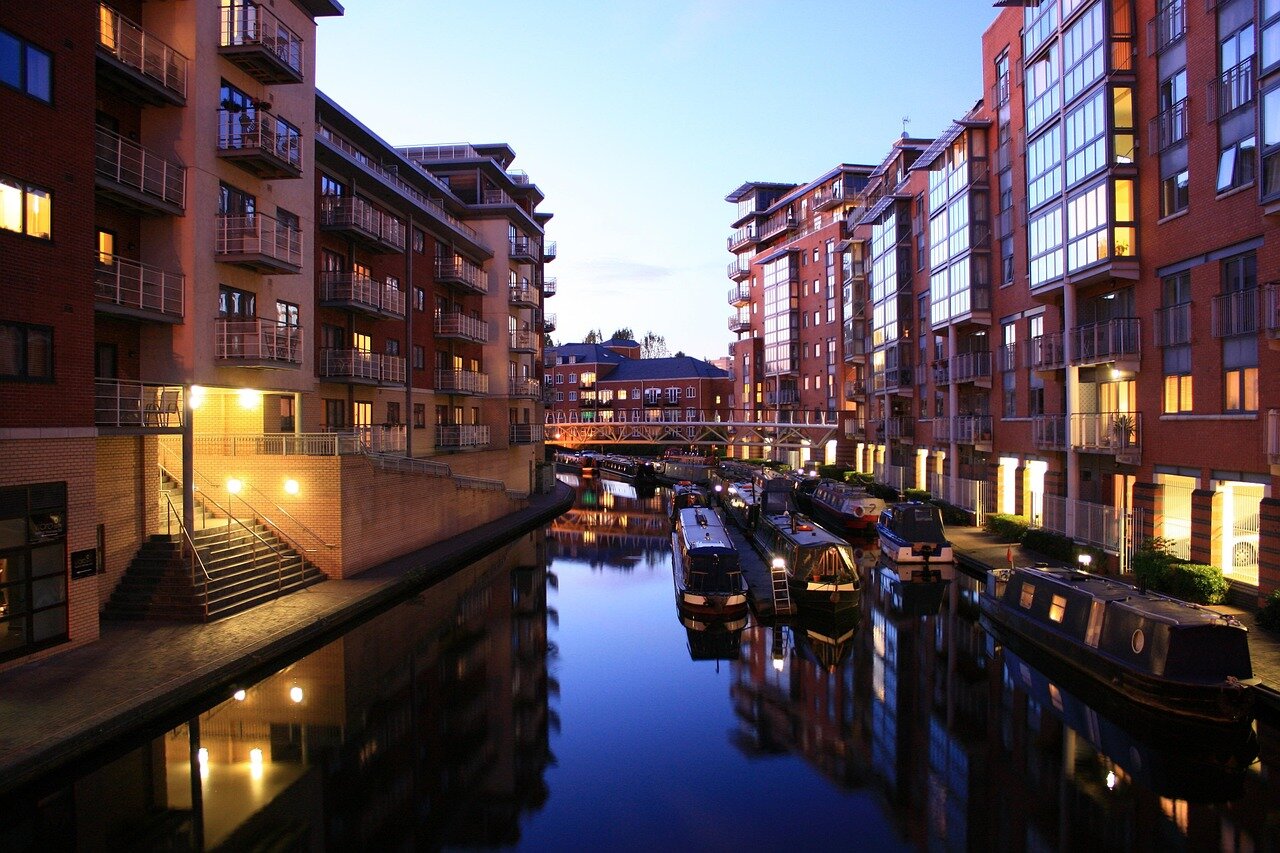
- Increased health risks for vulnerable populations.
- Strain on healthcare services due to heat-related illnesses.
- Economic losses in agriculture and tourism sectors.
- Infrastructure challenges in urban areas.
In the short term, communities may experience more frequent heatwaves, leading to immediate public health campaigns and emergency services being put on high alert. Local governments might implement measures to provide cooling centers and distribute information on how to stay safe during extreme heat events.
In the mid-term, there is potential for policy shifts as the government may prioritize investments in green infrastructure, such as urban green spaces and improved public transport systems. These changes could not only mitigate heat effects but also create job opportunities in sustainable sectors, fostering a more resilient economy.
A: The main causes include global climate change driven by greenhouse gas emissions, urbanization, and changes in land use. These factors contribute to increased heat retention in urban areas. A: The UK government is implementing various strategies, including investing in climate resilience infrastructure, enhancing public health initiatives, and promoting awareness campaigns to prepare citizens for extreme heat. A: Individuals can stay informed about heat advisories, ensure proper hydration, and create cooling spaces in their homes. Additionally, they should be aware of the signs of heat-related illnesses. A: Yes, vulnerable groups include the elderly, those with pre-existing health conditions, and low-income households who may lack access to cooling resources. A: Local communities can organize support networks, provide cooling centers, and facilitate communication about heat risks, ensuring that everyone has access to necessary resources during heat waves.
Frequently asked questions about UK summer heat preparedness
Looking ahead: Key points on summer heat preparedness
As the UK experiences increasingly hotter summers, the implications for public health, infrastructure, and environmental sustainability are profound. It is essential for policymakers, businesses, and communities to adapt to these changes to mitigate risks and enhance resilience. The need for proactive measures is clear, as the frequency and intensity of heatwaves are expected to rise in the coming years.
Investments in infrastructure, public health initiatives, and community awareness will be vital in addressing the challenges posed by rising temperatures. By understanding the potential scenarios and preparing accordingly, the UK can better safeguard its population and environment against the impacts of extreme heat.
- Enhance public health strategies: Develop targeted programs to protect vulnerable populations, including the elderly and those with pre-existing health conditions.
- Upgrade infrastructure: Invest in heat-resistant materials and designs for roads, buildings, and public spaces to withstand higher temperatures.
- Promote water conservation: Encourage practices that ensure sustainable water usage, especially during peak heat periods to prevent shortages.
- Increase green spaces: Expand urban greenery to provide natural cooling, improve air quality, and enhance community well-being.
- Raise public awareness: Implement educational campaigns to inform citizens about the risks of heatwaves and the importance of preparedness.