
The project, which was initially launched in 2020, was designed to support vaccine distribution, improve healthcare infrastructure, and enhance disease surveillance across several regions, including Africa and Southeast Asia. Its abrupt cancellation is expected to impact ongoing efforts to control diseases such as malaria and tuberculosis, which disproportionately affect vulnerable populations. For more on related health issues, see our article on global health commitments.
Officials stated that the decision was driven by budgetary constraints and a shift in focus towards domestic health priorities. However, critics argue that this move undermines the UK’s commitment to global health and could hinder progress in addressing health disparities worldwide.
In the wake of this announcement, various health organizations have called for immediate dialogue with the government to explore alternative funding mechanisms. The cancellation has sparked a broader debate about the UK’s role in global health initiatives and the implications for international cooperation in the fight against pandemics. This discussion is imperative as countries address global health disparities.
Understanding the background of the global health initiative
The UK government has long positioned itself as a leader in global health initiatives, particularly through programs aimed at tackling infectious diseases and improving healthcare systems in developing nations. This commitment was notably solidified with the establishment of the Global Health Initiative in 2016, which sought to enhance international collaboration and funding for health projects worldwide. However, the recent decision to axe this flagship project has raised questions about the UK’s role in global health and the implications of this shift.
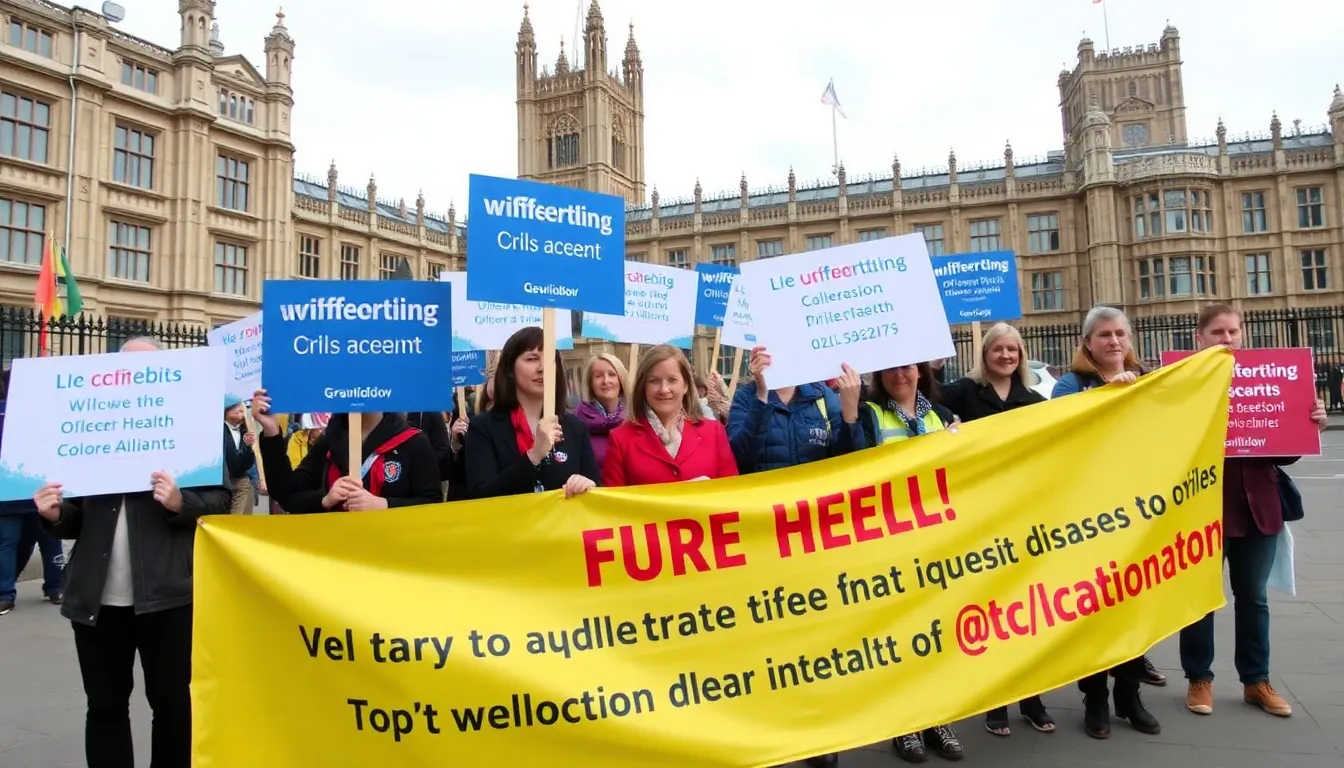
Historically, the UK’s involvement in global health has been influenced by both humanitarian concerns and strategic interests. The establishment of the National Health Service (NHS) in 1948 set a precedent for prioritizing health as a public good, and this ethos extended beyond its borders. The UK’s efforts in global health were further bolstered by its membership in international organizations such as the World Health Organization (WHO) and its contributions to various health-related funds.
Economically, the funding for global health initiatives has often been subject to political fluctuations and budgetary constraints. In recent years, the UK government has faced increasing pressure to balance domestic needs with international commitments, leading to cuts in overseas aid. The axing of the Global Health Initiative can be seen as part of a broader trend of prioritizing domestic spending over international obligations, reflecting a shift in political sentiment towards a more isolationist approach. Such changes also impact ongoing developments in international cooperation.
Key Milestones in UK Global Health Policy
Several key milestones have marked the UK’s journey in global health policy. The launch of the Department for International Development (DFID) in 1997 underscored the UK’s commitment to international development, including health. Additionally, the UK’s leadership during the Ebola outbreak in West Africa in 2014 showcased its capacity to respond to global health crises. However, the recent decision to cut funding for flagship programs like the Global Health Initiative signals a significant departure from these historical commitments and raises concerns about the future of global health collaboration.
Key stakeholders and issues surrounding the project cancellation
The cancellation of the UK government’s flagship global health project has drawn the attention of various stakeholders, each with distinct interests and concerns. Key actors include government officials, international health organizations, non-governmental organizations (NGOs), and the communities that were to benefit from the project.
At the forefront are UK government officials, who may argue that reallocating funds from the global health initiative is necessary to address pressing domestic issues. This decision, however, raises questions about the UK’s commitment to international health equity and its role in global health leadership.
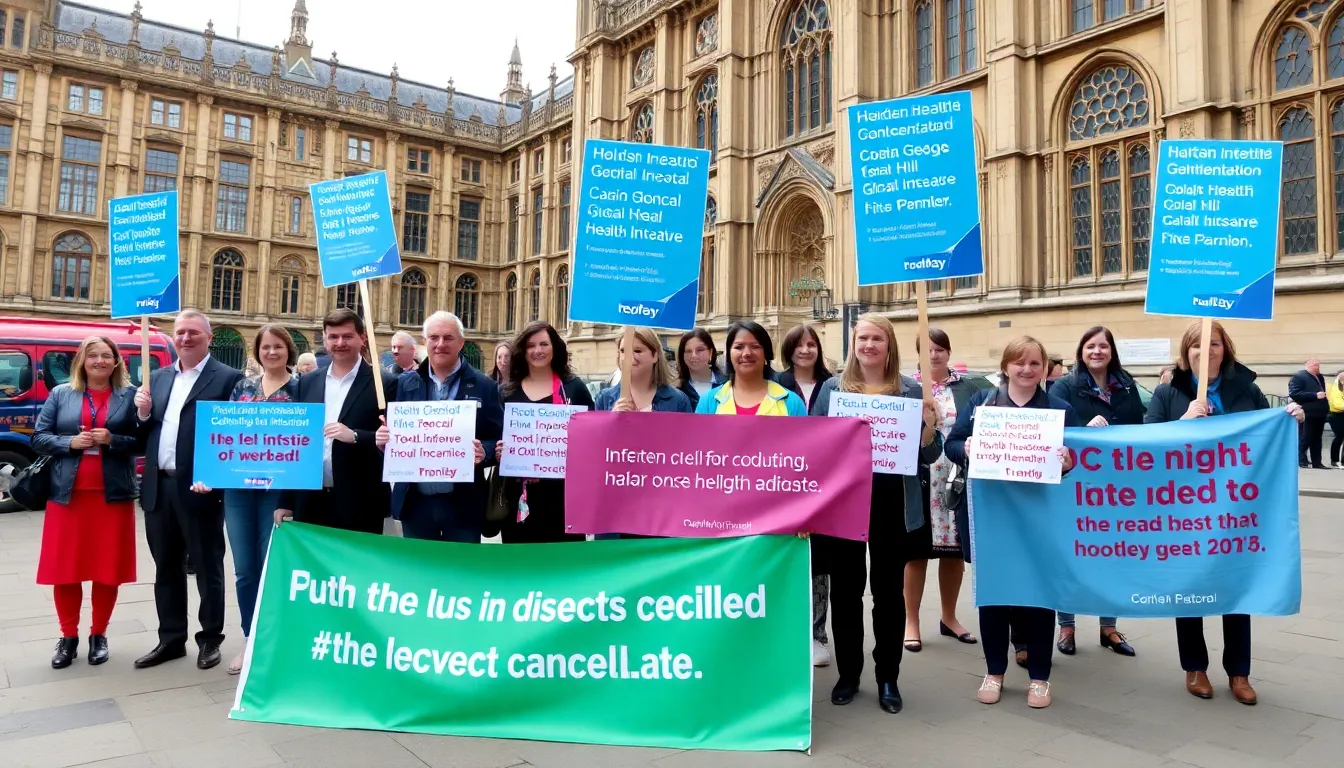
International health organizations, such as the World Health Organization (WHO), express concern over the potential loss of funding and support for critical health initiatives in low- and middle-income countries. These organizations emphasize that the project was designed to tackle pressing health challenges, and its cancellation could exacerbate existing inequalities.
- Funding reallocations: The decision to cut funding may redirect resources to other domestic priorities, but it risks undermining global health initiatives.
- Impact on partnerships: The cancellation could strain relationships with international partners and affect future collaborations in health initiatives.
- Legal implications: There may be legal challenges from NGOs or community groups that were involved in the project, questioning the government’s ability to withdraw support.
- Public health outcomes: The decision could lead to negative health outcomes in vulnerable populations that were relying on the project for essential services.
- Political ramifications: This move may have political consequences for the government, as public opinion shifts in response to perceived neglect of global health responsibilities.
In summary, the cancellation of this flagship global health project highlights a complex interplay of interests among various stakeholders, raising significant questions about the future of international health collaboration and the UK’s role on the global stage.
The potential impact on global health and affected communities
The UK government’s decision to discontinue its flagship global health project is poised to have significant repercussions across various sectors. Communities in low and middle-income countries, particularly those that rely heavily on international health support, will bear the brunt of this decision. Vulnerable populations, including women and children, who benefit from health initiatives aimed at reducing maternal and child mortality rates, are especially at risk.
In the short term, the immediate impact will be felt in regions that were set to receive funding and resources through the project. Health care providers and NGOs that depend on this support may face operational challenges, leading to disruptions in essential health services. This could exacerbate existing health crises, particularly in areas already grappling with infectious diseases.
In the mid-term, the withdrawal of UK support may lead to increased strain on local health systems, potentially resulting in higher mortality rates and a resurgence of preventable diseases. Businesses in the healthcare sector, including pharmaceuticals and medical supplies, may also experience a downturn as demand for their products and services declines in affected regions.
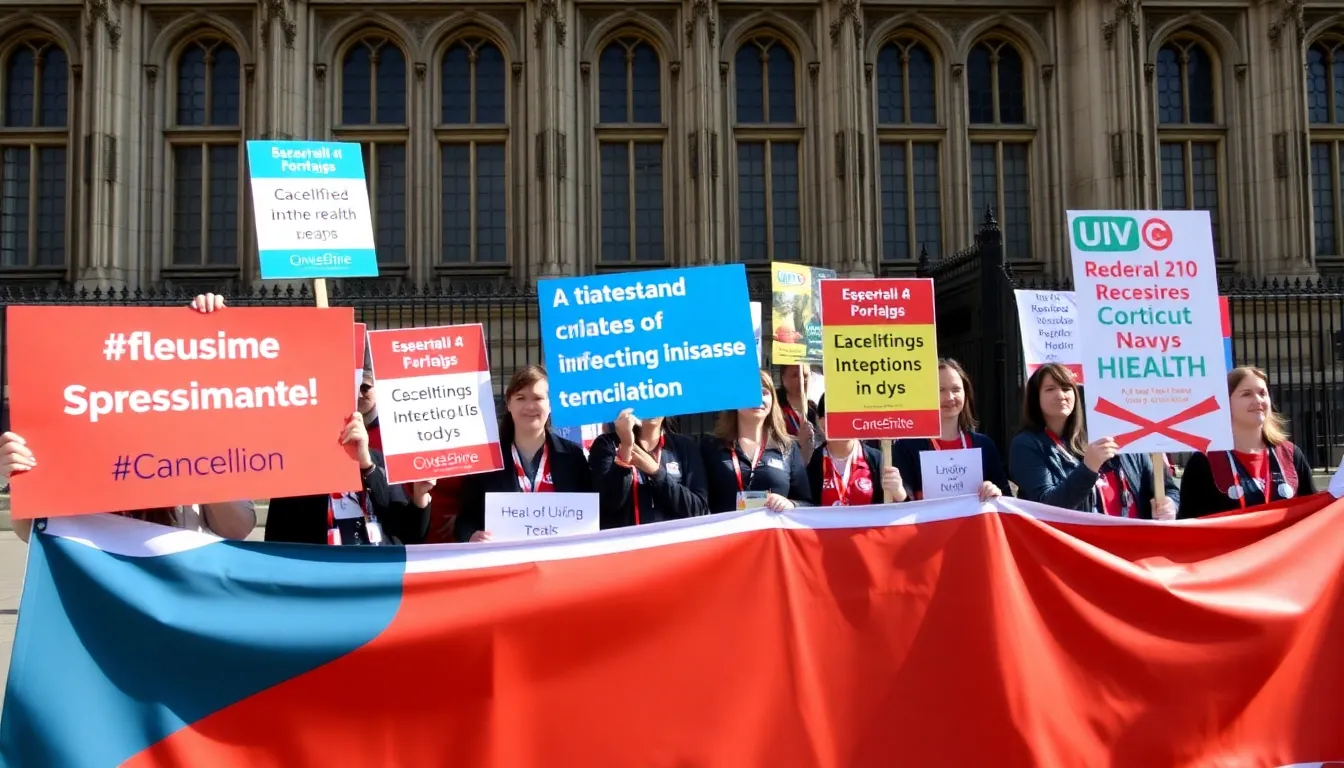
- Health Services Disruption: Critical health services may be interrupted, impacting community well-being.
- Increased Mortality Rates: Vulnerable populations may face higher risks of preventable diseases.
- Economic Impacts: Local economies may suffer due to reduced health-related activities and investments.
- Policy Shifts: Governments may need to reevaluate health strategies and funding sources.
However, this situation may also present opportunities for local organizations to step up and fill the void left by the UK government. Increased collaboration among local NGOs and private sector stakeholders could lead to innovative solutions tailored to specific community needs. Additionally, there may be a push for greater self-sufficiency in health care, prompting investments in local health infrastructure and workforce development.
A: The UK government cited budgetary constraints and a shift in priorities as the main reasons for the cancellation of the project. A: The project aimed to improve healthcare access and outcomes in low-income countries through funding and collaboration. A: Communities in low-income countries that benefited from the project will be significantly affected, as well as organizations that relied on its funding. A: Currently, there are no clear alternatives proposed by the UK government, raising concerns among health advocates. A: This decision may negatively impact the UK’s reputation as a leader in global health initiatives and collaborations.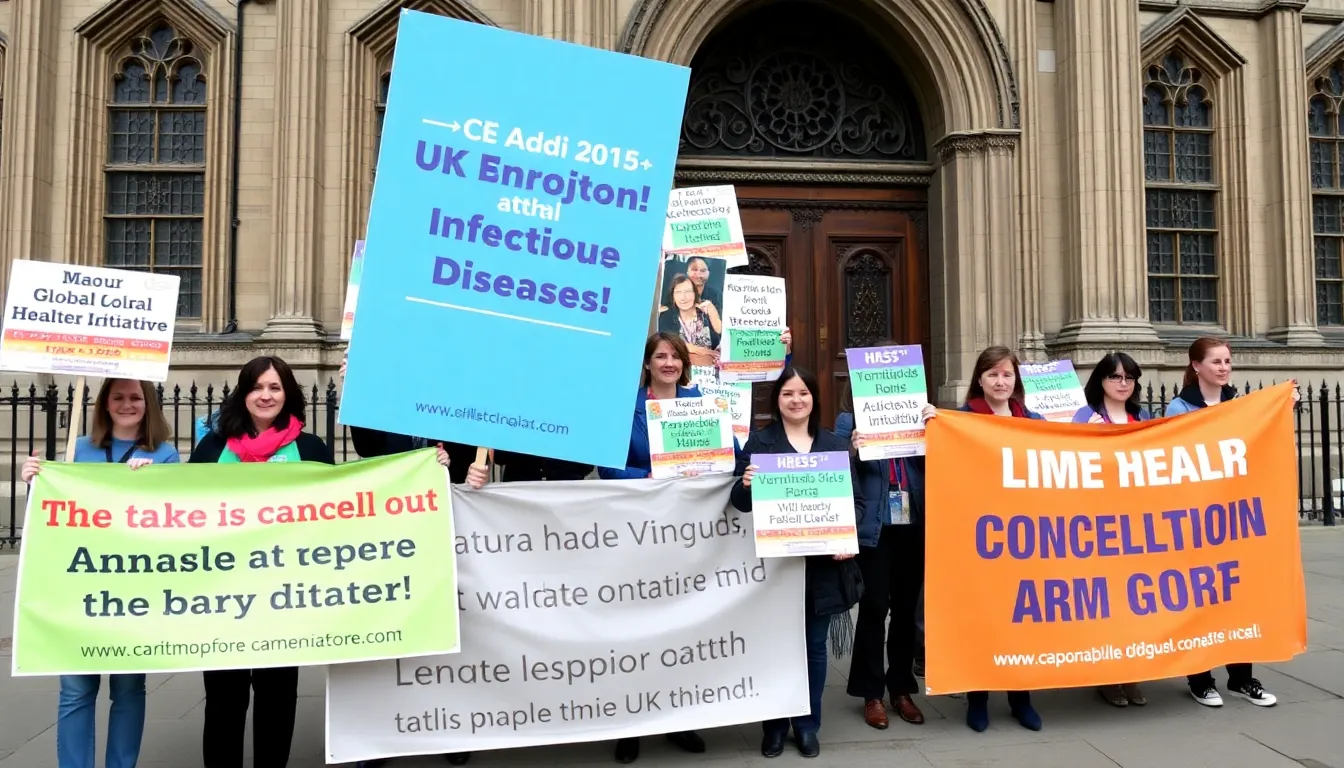
Frequently asked questions about the project cancellation
Key takeaways and future outlook on global health initiatives
The recent decision by the UK government to discontinue its flagship global health project has significant ramifications for international health collaboration and funding. This move not only reflects shifts in domestic policy priorities but also raises questions about the UK’s role in global health leadership, particularly in the wake of ongoing health crises worldwide.
As stakeholders assess the long-term impacts of this decision, it will be crucial to monitor how it influences future health initiatives, both within the UK and in the broader international context. The potential for reduced funding and support for global health programs could hinder progress in combating diseases and improving health systems in vulnerable regions.
- Impact on Global Health Funding: The reduction in UK-led initiatives may lead to a funding gap that other nations or organizations will need to address.
- Shift in International Partnerships: Countries may reevaluate their collaborations with the UK, potentially seeking new partnerships with nations or organizations that prioritize global health.
- Focus on Domestic Health Issues: The UK government may redirect resources to address pressing domestic health concerns, which could alter the landscape of public health priorities.
- Increased Advocacy for Global Health: This decision might galvanize advocacy groups to push for renewed commitments to global health funding and initiatives.
- Monitoring Health Outcomes: Observers should keep an eye on health outcomes in regions previously supported by UK initiatives to gauge the long-term effects of this decision.