
The joke, which was intended as a satirical commentary on the political landscape, has drawn both support and criticism. Many fans of Noah appreciated the humor, while Trump and his supporters labeled it as defamatory and damaging. The former president’s response underscores the heightened tensions surrounding public figures and the media, especially in the wake of ongoing legal battles involving Trump.
Trump’s threats of a lawsuit have reignited debates about freedom of speech and the responsibilities of comedians when addressing controversial subjects. Legal experts suggest that while public figures have less protection against defamation, the context and intent of the joke will play a crucial role in any potential legal proceedings. This incident highlights the complex interplay between entertainment, politics, and legal ramifications in modern discourse.
The unfolding situation has captured media attention, with many outlets analyzing the implications of Trump’s response. As the dialogue continues, it raises questions about the impact of celebrity culture on political narratives and the potential consequences for those who challenge powerful figures through satire. The outcome of this controversy may set precedents for future interactions between public personalities and the entertainment industry.
Recommended Articles
Understanding the background of the Epstein joke and its implications
The recent controversy surrounding Trevor Noah’s joke about Jeffrey Epstein during the Grammy Awards has reignited discussions about the boundaries of comedy, public figures, and legal actions. Noah, the former host of “The Daily Show,” made a quip that linked Epstein’s infamous history to Donald Trump, prompting a swift response from the former president, who threatened to sue Noah for defamation. This incident is not merely a comedic misstep but reflects a broader context of how public discourse has evolved, particularly around sensitive topics involving high-profile individuals.
Jeffrey Epstein, a financier and convicted sex offender, has been a focal point of numerous scandals involving powerful figures, including politicians, celebrities, and business leaders. His arrest in 2019 and subsequent death in jail brought renewed scrutiny to his connections and the implications of his actions. Trump’s association with Epstein, having been photographed together in the past, complicates the narrative and raises questions about accountability and the responsibilities of public figures when discussing such topics.
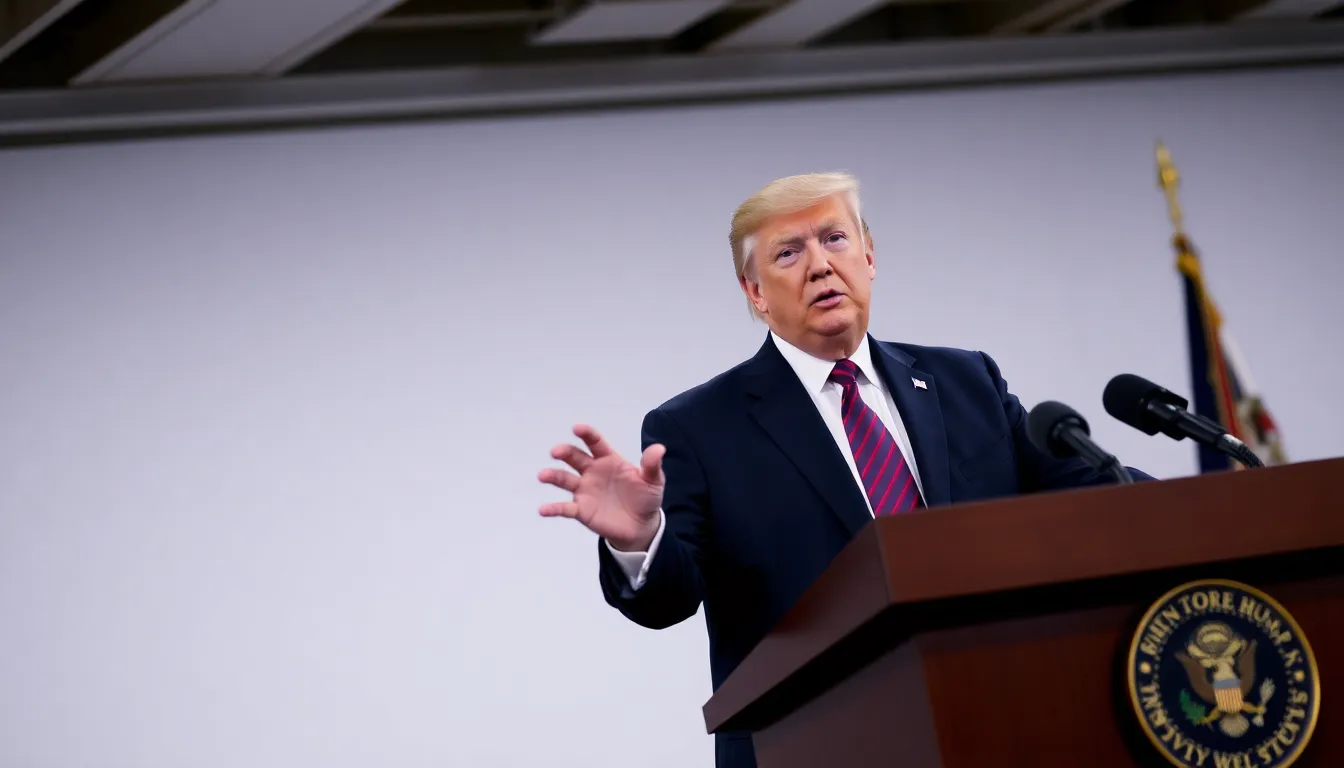
The legal landscape surrounding defamation suits is particularly pertinent in this case. Historically, public figures face a higher burden of proof in defamation cases due to the First Amendment protections afforded to free speech. This precedent stems from the landmark 1964 Supreme Court case New York Times Co. v. Sullivan, which established that public officials must prove “actual malice” to win a defamation suit. Trump’s threat to sue Noah may be seen as an attempt to intimidate comedians and media figures from commenting on his actions or associations, a tactic that has been employed by various public figures in the past.
The Role of Comedy in Political Discourse
Comedy has long served as a platform for political critique, often pushing boundaries to address uncomfortable truths. In recent years, comedians like Trevor Noah, John Oliver, and others have used their platforms to highlight societal issues, prompting debates about the limits of humor. Noah’s joke, while intended to be humorous, underscores the delicate balance comedians must maintain when discussing real-life tragedies and the figures associated with them. As public figures increasingly react to comedic commentary, the implications for free speech and artistic expression become more significant.
Analyzing the stakeholders involved in the controversy
The recent incident involving Donald Trump threatening legal action against Trevor Noah over a joke made at the Grammy Awards regarding Jeffrey Epstein has drawn attention to several key stakeholders. Each actor involved has distinct interests that shape their responses and the broader implications of the situation.
First and foremost, Donald Trump represents a significant political figure whose brand is closely tied to public perception and media portrayal. His interest in pursuing legal action may stem from a desire to protect his reputation and assert control over narratives that could potentially harm his image, particularly in light of ongoing legal challenges he faces.
On the other hand, Trevor Noah, as a prominent comedian and host, operates within the entertainment industry where satire and commentary on public figures are common. His interest lies in maintaining his creative freedom and the ability to critique political figures without fear of retribution. The joke in question may have been intended as a humorous take on serious issues, which complicates the legal ramifications of Trump’s response.
- Legal Implications: Trump’s threat to sue raises questions about defamation and the limits of free speech, particularly in comedy.
- Public Perception: The incident could influence how both Trump and Noah are viewed by their respective audiences, affecting their public personas.
- Media Coverage: The situation highlights the role of media in amplifying controversies, potentially leading to increased scrutiny on both parties.
- Political Ramifications: Trump’s actions may be interpreted as an attempt to suppress dissenting voices, which could resonate with his supporters but alienate others.
- Entertainment Industry Dynamics: The incident underscores the ongoing tension between public figures and comedians, raising questions about the boundaries of humor.
In summary, this controversy not only involves individual actors but also reflects broader societal issues regarding freedom of expression, the power dynamics between public figures, and the implications of humor in political discourse. The outcomes of this situation could set precedents for future interactions between celebrities and politicians.
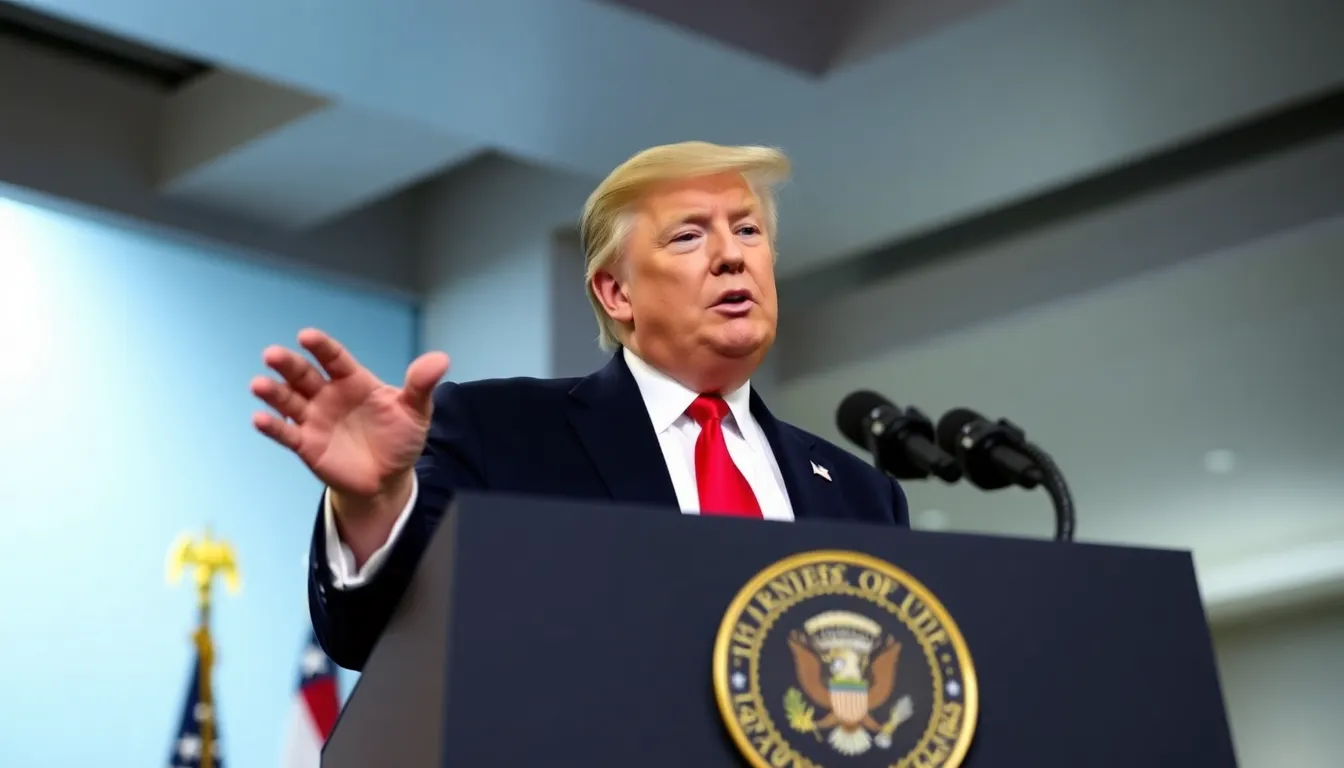
The potential impact on public opinion and media freedom
The ongoing feud between former President Donald Trump and comedian Trevor Noah over a joke made at the Grammys has implications that extend beyond the individuals involved. This situation affects various groups, including media professionals, political commentators, and the general public, who are increasingly concerned about the boundaries of humor and criticism in the political landscape.
In the short term, this incident may lead to heightened tensions between public figures and the media. Comedians and satirists might feel pressured to self-censor their material to avoid potential legal repercussions, which could stifle creativity and freedom of expression. This could create a chilling effect on comedy and satire, particularly in politically charged environments.
In the mid-term, the potential for lawsuits could influence how media outlets cover political figures, leading to a more cautious approach in reporting. This shift may result in less critical coverage of public figures, ultimately affecting the quality of political discourse. Additionally, audiences may become polarized, with supporters of Trump viewing the lawsuit as a justified response to perceived attacks, while opponents may see it as an infringement on free speech.
- Media Professionals: Increased scrutiny and potential self-censorship.
- Public Figures: A possible rise in legal threats against comedians and commentators.
- General Public: A shift in how political humor is perceived and consumed.
However, there are potential opportunities arising from this situation. The controversy may galvanize discussions about the importance of media freedom and the role of satire in democracy. Advocacy groups may use this incident to rally support for protecting comedic expression, potentially leading to more robust public discourse on the subject. Additionally, it may encourage audiences to seek out diverse viewpoints and support platforms that prioritize free speech.
A: Trump is upset about a joke Noah made regarding Jeffrey Epstein during the Grammys, which he believes is defamatory. A: The joke referenced Epstein’s controversial connections, which was perceived as mocking and offensive by Trump. A: As of now, Trevor Noah has not made any public comments regarding Trump’s lawsuit threats. A: Trump may argue defamation, claiming that the joke harmed his reputation, though proving this in court can be challenging. A: This controversy could either enhance Noah’s visibility in the media or lead to increased scrutiny of his comedic content.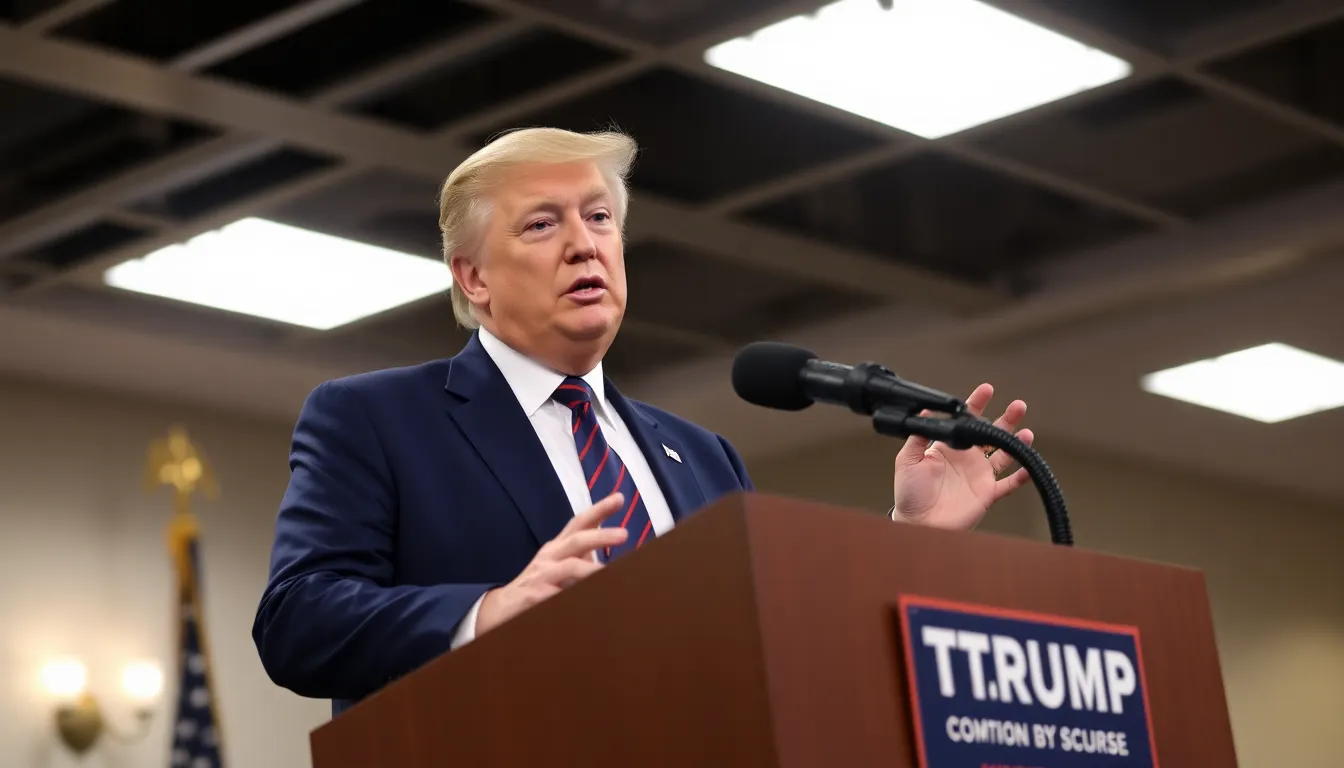
Frequently asked questions about the lawsuit threat
Key takeaways and future implications of the situation
The recent exchange between Donald Trump and Trevor Noah highlights the ongoing tensions between public figures and the media, particularly regarding the boundaries of humor and criticism. Trump’s threat of legal action against Noah for a joke made at the Grammys raises questions about the implications of such actions on freedom of speech and the role of satire in political discourse. As this situation unfolds, it will be important to monitor how it influences public perception and media practices moving forward.
Furthermore, the incident may set a precedent for how celebrities and politicians engage with one another in the face of controversial commentary. The reaction from both the public and media outlets will likely shape future interactions and could lead to a chilling effect on comedic expression related to political figures.
- The potential for increased legal challenges against comedians and satirists could impact the landscape of political humor.
- Public response to Trump’s threat may influence how other public figures choose to engage with media criticism.
- This incident could spark discussions on the limits of free speech, especially in relation to humor and satire.
- Monitoring the reactions from media organizations will provide insights into shifts in editorial policies regarding political commentary.
- The evolving relationship between celebrities and politicians may redefine the boundaries of public discourse in the future.