
The discussion highlighted how Trump has publicly acknowledged watching these late-night programs, often critiquing their content and humor. The hosts expressed a mix of amusement and concern, recognizing that Trump’s engagement with their shows reflects broader cultural dynamics and the role of comedy in political discourse.
The hosts collectively noted that while their shows aim to entertain, they also serve as platforms for political commentary, making Trump’s interest particularly significant. For more on how these shows engage with political topics, check out our article on Variety’s nominations at SoCal Journalism Awards.
This exchange not only underscores the intersection of politics and entertainment but also raises questions about the influence of late-night television on public perception and political narratives. As the 2024 election approaches, the hosts’ reflections may resonate more deeply with audiences who are navigating an increasingly polarized media landscape.
Understanding the background of Trump’s relationship with late-night television
This dynamic has evolved into a notable aspect of his public persona, illustrating how entertainment and politics have increasingly intertwined in contemporary society. This relationship can also be seen in how media shapes public discourse.
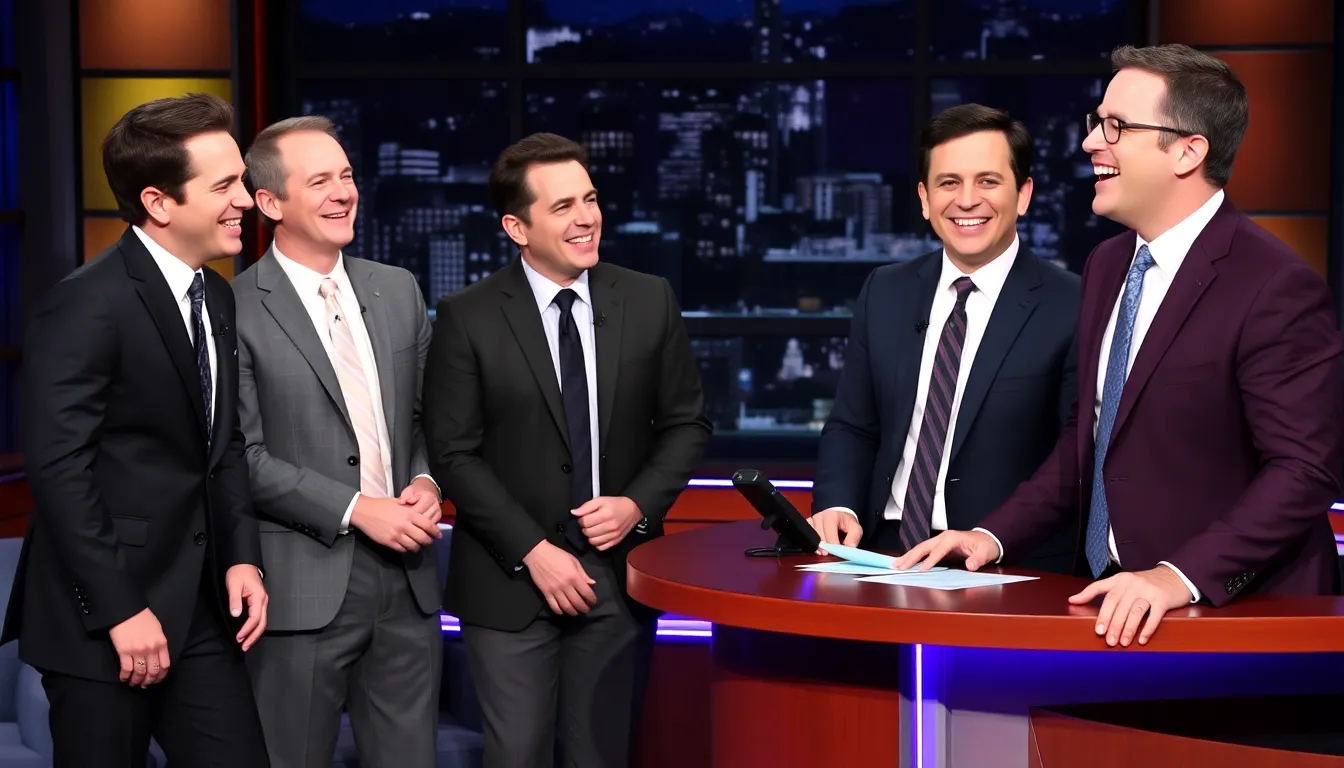
The rise of late-night television as a political commentary platform can be traced back to the 1990s with figures like David Letterman and Jay Leno. However, it was during Trump’s presidency that the genre truly became a battleground for political discourse. Comedians like Jimmy Kimmel, John Oliver, Seth Meyers, and Jimmy Fallon have utilized their shows to critique Trump’s policies and behavior, often leading to a reciprocal relationship where Trump would respond to their jabs via social media or public appearances. This interaction highlights the significant role that late-night television plays in shaping political narratives.
Key milestones in this relationship include Trump’s frequent appearances on late-night shows prior to his presidency, where he often embraced humor and self-deprecation. However, once in office, his approach shifted; he became more defensive and reactive to the comedic critiques directed at him. This shift was particularly evident during the COVID-19 pandemic, when late-night hosts ramped up their commentary on Trump’s handling of the crisis, further solidifying the genre’s role as a watchdog of political leadership.
The Impact of Social Media on Late-Night Television
This evolution underscores the importance of understanding the interplay between traditional media and digital platforms in shaping political discourse. For insights on how such platforms impact other sectors, refer to our piece on Arsenal’s title race.
Key insights from Kimmel, Oliver, Meyers, and Fallon on Trump’s media consumption
The recent discussion among late-night hosts Jimmy Kimmel, John Oliver, Seth Meyers, and Jimmy Fallon on Stephen Colbert’s ‘Late Show’ highlights the complex relationship between Donald Trump and the late-night television landscape. Each of these comedians represents a different facet of the media’s response to Trump’s often tumultuous presidency and his ongoing obsession with their shows.
One of the main actors in this scenario is Donald Trump himself, who has leveraged late-night television as a platform for both criticism and self-promotion. His interest lies in how he is portrayed in the media, as well as the ability to influence public opinion through his interactions with these shows. The late-night hosts, on the other hand, aim to provide comedic commentary on political issues, using Trump as a frequent subject of their satire.
Key points of conflict arise from the differing perspectives on media consumption and representation. While Trump appears to relish in the attention, the hosts often critique his policies and behavior, leading to a trade-off between entertainment and political discourse. This dynamic raises questions about the role of comedians in shaping political narratives and how politicians respond to media portrayals.
- Media Influence: The hosts’ comedic takes on Trump can significantly impact public perception.
- Political Satire: Each comedian has a unique style that influences how they address Trump, leading to varied audience reactions.
- Trump’s Engagement: Trump’s engagement with late-night shows can be seen as a strategy to remain relevant in the public eye.
- Viewer Demographics: The late-night shows cater to diverse audiences, impacting how messages are received and interpreted.
- Legal and Ethical Considerations: The balance between satire and defamation raises important legal questions about freedom of speech.
Overall, this interplay between Trump and the late-night hosts illustrates the broader implications of media consumption in the political arena, where entertainment and serious discourse often intersect. The ongoing dialogue reflects not only the personalities involved but also the evolving landscape of media influence in contemporary politics.
The implications of Trump’s late-night viewership on the television landscape
The ongoing discussions among late-night hosts like Jimmy Kimmel, John Oliver, Seth Meyers, and Jimmy Fallon about Donald Trump’s obsession with their shows highlight a unique intersection of politics and entertainment. This phenomenon affects various groups, including television networks, advertisers, and the general public. As late-night shows thrive on political commentary, the viewership patterns influenced by Trump could reshape the industry’s approach to content creation.
In the short term, the immediate impact is evident in increased ratings for late-night shows, particularly those that engage with political satire. Networks may see a surge in advertising revenue as brands seek to capitalize on the heightened interest in these programs. However, this reliance on political content could also pose risks, as it may alienate segments of the audience who prefer non-political entertainment.
In the mid-term, the ongoing dialogue about Trump’s influence on late-night television could lead to a shift in programming strategies across networks. Shows may diversify their content to cater to a broader audience or, conversely, double down on political commentary to retain viewership. This could create opportunities for new talent and formats within the industry, potentially leading to innovative approaches to satire and commentary.
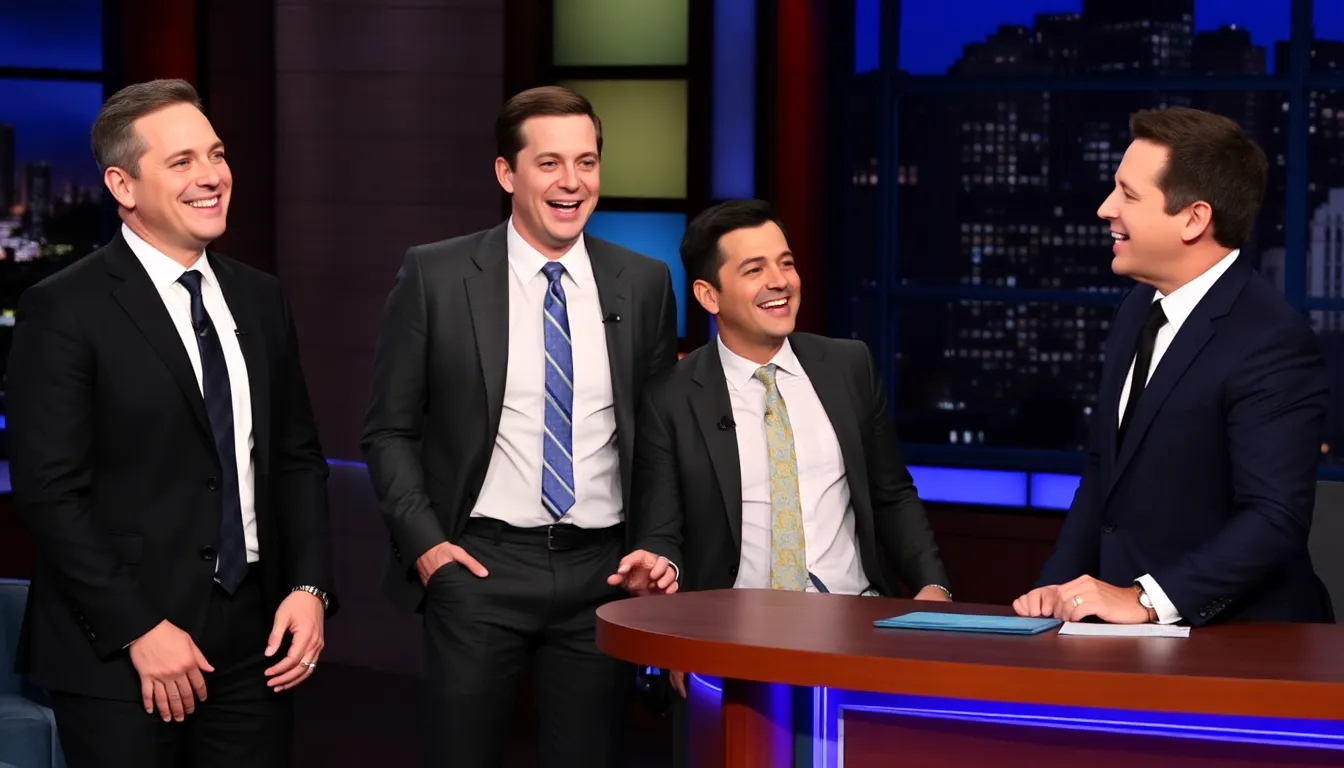
- Television Networks: Increased viewership and advertising revenue.
- Advertisers: Opportunities to engage with a politically charged audience.
- General Public: Access to diverse political perspectives and humor.
- Content Creators: Potential for new programming formats and talent emergence.
Ultimately, while Trump’s late-night viewership presents risks of polarization and audience fragmentation, it also opens doors for creative expression and engagement in the realm of political discourse. The television landscape is poised to adapt, reflecting the evolving dynamics of viewer interests and societal conversations.
A: Donald Trump has often used late-night shows as a platform to gauge public opinion and respond to criticism. His interest may stem from the influence these shows have on shaping cultural narratives. A: The hosts have expressed a mix of appreciation and bemusement, acknowledging that having a former president watch their shows is a unique situation that highlights their cultural relevance. A: Trump’s viewership has led to increased scrutiny and engagement from late-night hosts, often resulting in more political satire and commentary in their routines. A: Yes, many late-night shows have adapted their content to address the political climate more directly, reflecting the heightened interest in political discourse among viewers. A: While they often share similar sentiments about Trump, their interactions are generally limited to public discussions and interviews rather than direct collaboration.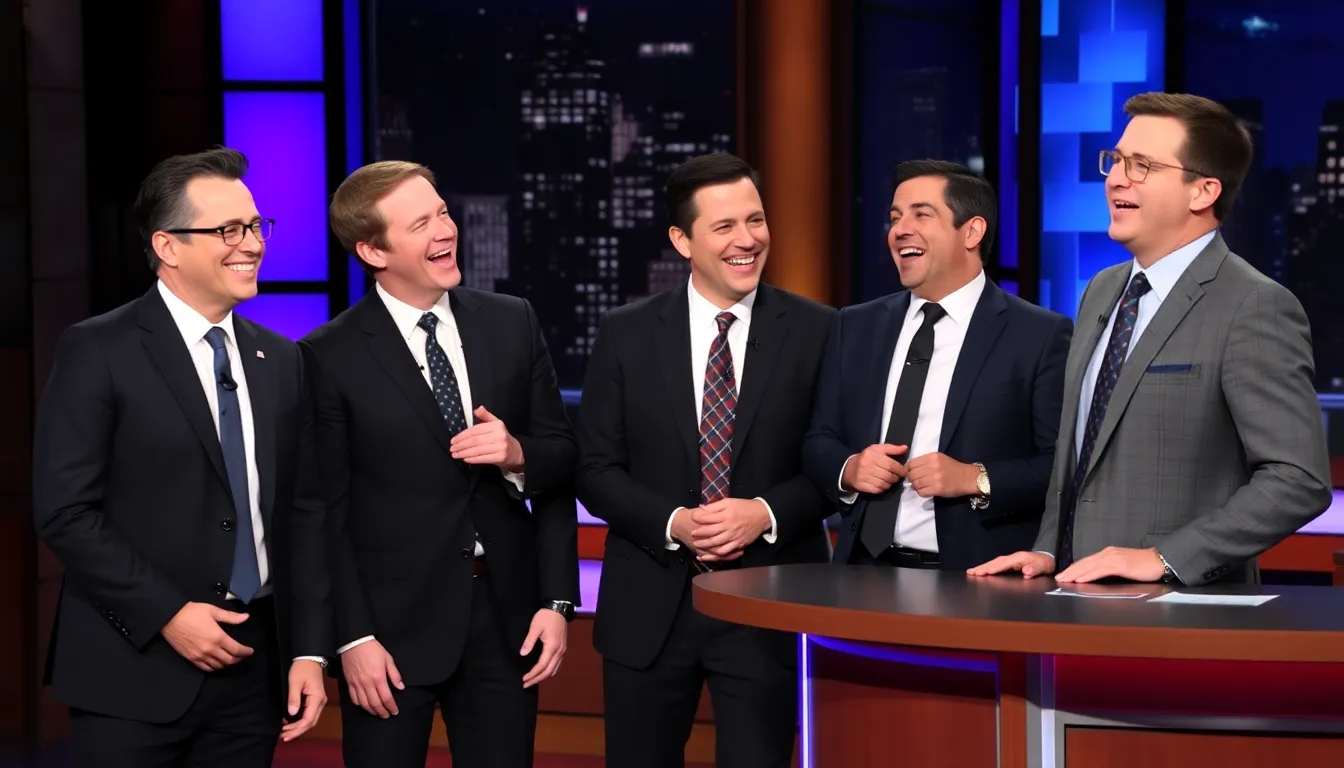
Frequently Asked Questions about Trump’s Late-Night Obsession
Key takeaways and future outlook on late-night television dynamics
The recent discussion among Jimmy Kimmel, John Oliver, Seth Meyers, and Jimmy Fallon on Stephen Colbert’s ‘Late Show’ highlights the complex relationship between late-night television and political discourse, particularly regarding Donald Trump’s engagement with these platforms. Their insights reveal not only the impact of Trump’s obsession with late-night shows but also the evolving nature of viewership in an era where traditional media competes with digital alternatives.
As these hosts navigate the challenges of addressing a politically charged audience, it becomes clear that their humor serves as both a commentary and a coping mechanism for viewers. This dynamic suggests a potential shift in how late-night television could adapt to maintain relevance and engagement in a rapidly changing media landscape.
- The ongoing engagement of political figures with late-night shows indicates a sustained relevance of this format in shaping public opinion.
- Hosts may increasingly leverage their platforms to address political issues, blurring the lines between entertainment and journalism.
- Viewership patterns could shift as audiences seek out content that resonates with their political beliefs, impacting ratings and advertising strategies.
- The interaction between traditional linear television and digital platforms may evolve, prompting late-night shows to innovate in content delivery.
- As political discourse becomes more polarized, late-night hosts will need to balance humor with responsibility, potentially influencing their comedic approaches.