
Several factors contribute to Tesla’s growing popularity in Europe. The company has expanded its production capabilities, with the Gigafactory in Berlin reaching full operational capacity. Additionally, the increasing demand for electric vehicles, driven by stricter emissions regulations and a shift towards sustainable transportation, has played a crucial role in bolstering Tesla’s sales.
Notably, Tesla’s Model Y has emerged as one of the best-selling electric vehicles in Europe, surpassing competitors like the Volkswagen ID.4 and the Ford Mustang Mach-E. This trend is further supported by favorable government incentives for electric vehicle purchases in various countries, including Germany and France, which have encouraged consumers to choose Tesla over traditional automotive brands. These incentives highlight the increasing shift toward sustainable transportation.
Despite the rising sales figures, public perception of Elon Musk remains mixed. His controversial statements and actions, particularly regarding social media and corporate governance, have sparked debates among consumers and investors alike. However, many European buyers appear to prioritize the performance and innovation of Tesla vehicles over Musk’s public persona, especially as the market increasingly recognizes the importance of sustainability in automotive choices.
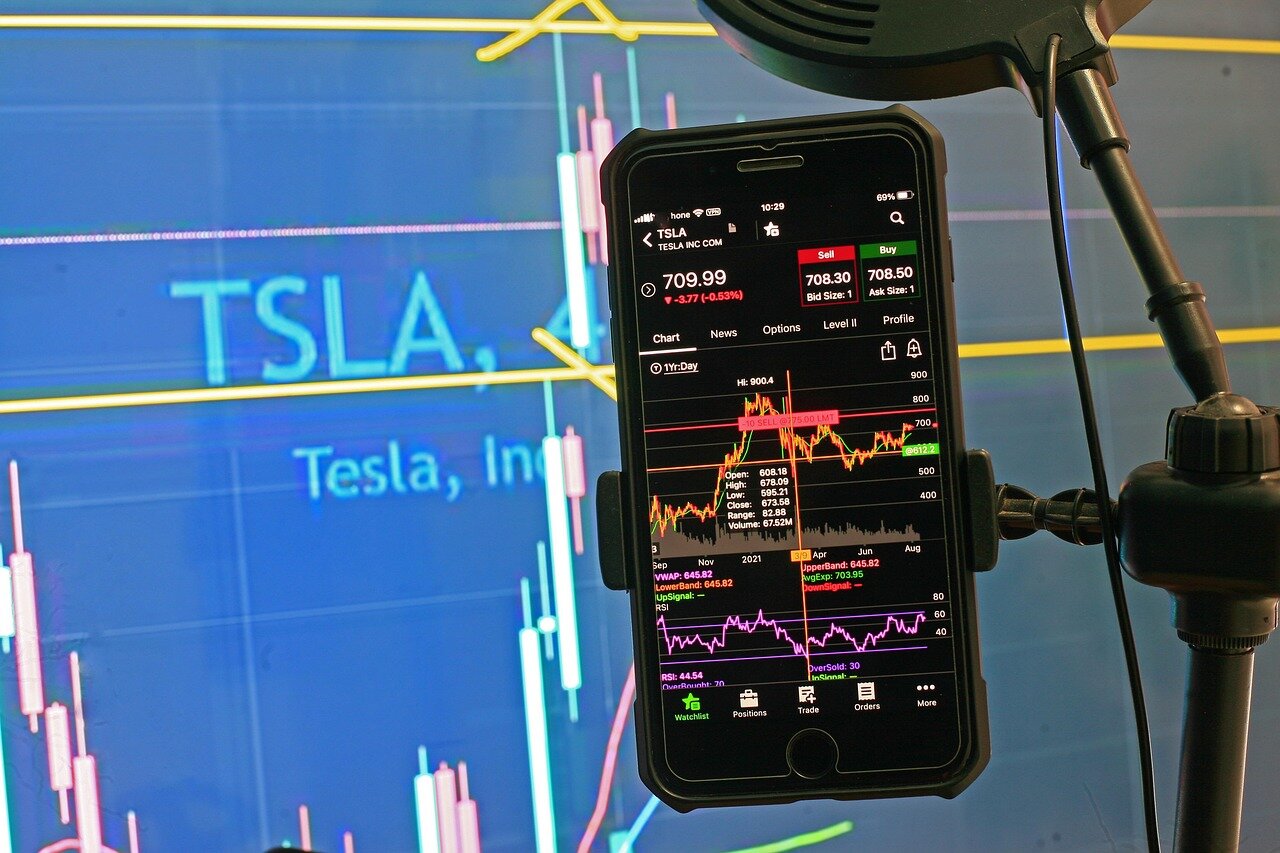
Understanding the European automotive market and Tesla’s position
The European automotive market has undergone significant transformation over the past decade, driven by a combination of regulatory changes, technological advancements, and shifting consumer preferences. As countries across Europe ramp up their efforts to combat climate change, electric vehicles (EVs) have become a focal point of this transformation. The European Union’s stringent emissions regulations have incentivized automakers to pivot towards greener alternatives, creating a fertile ground for companies like Tesla.
Tesla, founded in 2003, has positioned itself as a leader in the EV sector, capitalizing on early investments in battery technology and autonomous driving capabilities. The company’s entry into the European market was marked by the opening of its Gigafactory in Berlin in 2022, which not only boosted production capacity but also underscored Tesla’s commitment to the region. This strategic move allowed Tesla to respond more effectively to local demand and compete with established European automakers transitioning to electric models.
Despite the controversies surrounding its CEO, Elon Musk, including his outspoken views and social media presence, Tesla’s sales in Europe have continued to rise. Many consumers prioritize the performance and innovation of Tesla vehicles over the controversies associated with Musk. The brand’s strong reputation for cutting-edge technology, coupled with an expanding charging infrastructure across Europe, has helped maintain its appeal in a competitive market.
The impact of government incentives
Government incentives play a crucial role in shaping consumer behavior towards electric vehicles in Europe. Many European countries offer substantial subsidies and tax breaks for EV buyers, making Tesla’s offerings more accessible. As traditional automakers scramble to meet the increasing demand for electric vehicles, Tesla’s early entry and established brand loyalty have enabled it to capture a significant share of the market. This dynamic illustrates how government policies can influence market trends and consumer choices, further solidifying Tesla’s position in the European automotive landscape.

Key stakeholders and their perspectives on Tesla’s growth
As Tesla continues to expand its market presence in Europe, various stakeholders are shaping the narrative surrounding the company’s growth. Key actors include Tesla’s leadership, European governments, environmental organizations, and consumers. Each group has distinct interests that influence their perspectives on Tesla’s rising sales, particularly amidst mixed views on CEO Elon Musk.
Tesla’s leadership, including Elon Musk, is primarily focused on increasing market share and promoting sustainable energy solutions. Their interest lies in capitalizing on the growing demand for electric vehicles (EVs) in Europe, which is seen as a critical region for future growth. The company’s innovative technology and brand recognition provide a competitive edge, but Musk’s controversial statements and actions can sometimes overshadow these advancements.
European governments are also significant stakeholders, as they are tasked with implementing policies that promote green energy and reduce carbon emissions. Governments have set ambitious targets for EV adoption, which aligns with Tesla’s mission. However, there are concerns regarding regulatory compliance and the potential for monopolistic practices, leading to a complex relationship between policymakers and the company.
- Environmental organizations advocate for sustainable practices and may support Tesla’s mission, but they also scrutinize the company’s environmental impact and labor practices.
- Consumers are increasingly interested in EVs, driven by environmental concerns and potential cost savings, yet they remain wary of Musk’s public persona and its implications for the brand.
- Competitors in the automotive industry are closely monitoring Tesla’s strategies, as their own market positions may be threatened by Tesla’s aggressive growth and innovation.
Conflicts arise as Tesla navigates the regulatory landscape in Europe, where different countries may have varying standards and expectations for EV manufacturers. Additionally, the trade-offs between rapid expansion and maintaining quality and ethical standards pose challenges for the company. Economic issues, such as supply chain disruptions and fluctuating material costs, further complicate Tesla’s strategy in the European market.

How rising sales affect consumers and the automotive industry
The surge in Tesla sales across Europe is impacting various groups and industries, with consumers, automotive manufacturers, and policymakers feeling the effects. As Tesla continues to gain market share, traditional automakers are facing increased pressure to innovate and adapt to the electric vehicle (EV) market. This shift is not only affecting sales figures but also the overall direction of the automotive industry.
In the short term, consumers are experiencing a wider range of EV options as manufacturers scramble to compete with Tesla’s offerings. This competition could lead to lower prices and improved technology in electric vehicles, making them more accessible to a broader audience. However, there is also a risk that some consumers may feel overwhelmed by the rapid changes in the market, leading to confusion and hesitance in purchasing decisions.
From a business perspective, the rise in Tesla sales presents both opportunities and challenges. Established automotive companies may need to allocate more resources towards electric vehicle development, potentially diverting funds from other projects. This could lead to a temporary slowdown in traditional vehicle production, impacting jobs and supply chains in the short term. However, in the mid-term, successful adaptation could position these companies favorably in a growing market.
Policymakers are also affected, as the increasing popularity of electric vehicles necessitates updates to infrastructure and regulations. Governments may need to invest in charging stations and incentives for EV purchases to keep pace with consumer demand. While this could strain public budgets initially, it also presents an opportunity to promote sustainable transportation and reduce carbon emissions.

- Increased competition leading to better consumer choices and lower prices.
- Potential job losses in traditional automotive sectors due to shifts in production focus.
- Policy changes needed to support EV infrastructure development.
- Opportunities for innovation and growth in the green technology sector.
A: Tesla’s sales are rising due to a combination of strong demand for electric vehicles, expanding infrastructure, and effective marketing strategies. A: While Elon Musk’s reputation is polarizing, many consumers prioritize product quality and innovation over personal opinions about the CEO. A: Tesla remains a leader in the electric vehicle market in Europe, often outperforming competitors in sales and brand loyalty. A: Tesla faces challenges such as increasing competition, regulatory hurdles, and potential supply chain issues that could impact future growth. A: Yes, countries like Germany, Norway, and the Netherlands have shown particularly strong sales figures for Tesla vehicles.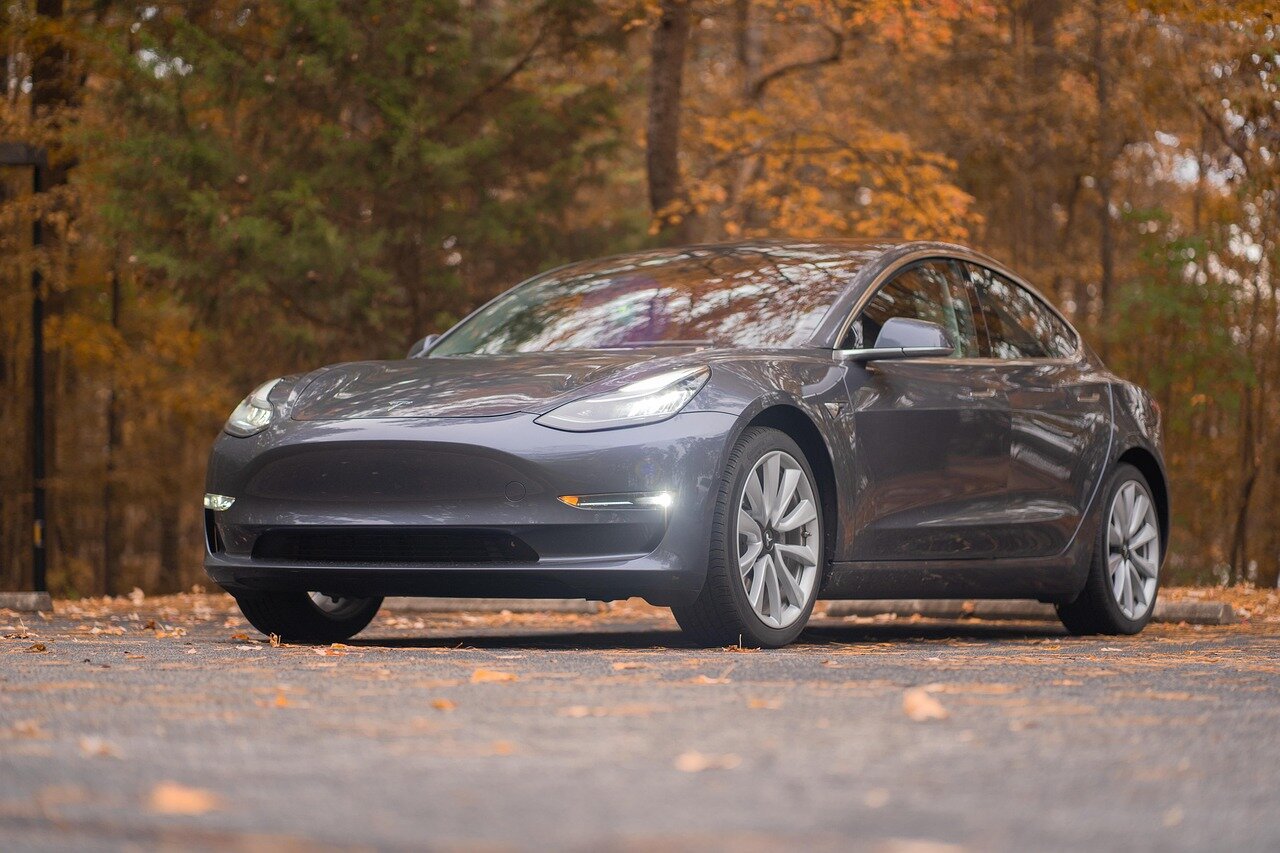
Frequently Asked Questions about Tesla’s Sales in Europe
Future outlook for Tesla in the European market
The increasing sales of Tesla in Europe, despite mixed public perceptions of Elon Musk, highlight a resilient demand for electric vehicles and a strong brand loyalty among consumers. This trend suggests that Tesla’s innovative technology and commitment to sustainability may continue to outweigh the controversies surrounding its CEO. As the European market evolves, Tesla’s ability to adapt to local preferences and regulatory frameworks will be crucial for maintaining its competitive edge.
Looking ahead, the continued expansion of charging infrastructure and advancements in battery technology are likely to further bolster Tesla’s position in Europe. Observers should monitor how Tesla navigates potential challenges, including competition from established automakers and changing consumer sentiment, which could influence its growth trajectory in the region.
- Consumer loyalty remains strong: Tesla’s brand continues to resonate with environmentally conscious consumers, suggesting that sales may remain robust even amid leadership controversies.
- Investment in infrastructure: The expansion of charging networks across Europe will play a significant role in supporting Tesla’s growth and accessibility for users.
- Competitive landscape: As traditional automakers ramp up their electric vehicle offerings, Tesla will need to innovate continually to stay ahead.
- Regulatory developments: Keeping an eye on European regulations regarding emissions and electric vehicles will be essential for Tesla’s strategic planning.
- Market adaptability: Tesla’s ability to tailor its products and services to meet diverse European market needs will be critical for sustained success.