
Data from the Australian Bureau of Meteorology shows that the average summer temperature in Sydney has increased by approximately 1.5 degrees Celsius over the past 50 years. Notably, the summer of 2022 recorded some of the highest temperatures on record, with several days exceeding 40 degrees Celsius. Such extreme heat events are becoming more frequent, raising concerns among residents and environmentalists alike.
Prolonged heat can exacerbate health issues, particularly for vulnerable populations such as the elderly and those with pre-existing conditions, as highlighted in our article on Understanding Screen Time and Its Management. Additionally, increased demand for air conditioning during hotter months places strain on the city’s energy resources.
As Sydney grapples with these climatic changes, city planners and policymakers are urged to consider adaptive strategies to mitigate the impacts. This includes enhancing green spaces, improving urban infrastructure, and developing heat action plans to safeguard public health. The urgency of addressing these issues is underscored by the ongoing discussions at various climate forums, where Australian leaders are called to take decisive action.
Understanding the factors behind changing summer lengths
The phenomenon of longer summers, particularly in Sydney, is not merely a recent development but a culmination of various historical, political, and environmental factors. Over the past few decades, scientists have observed a significant shift in climate patterns, driven largely by human activities. The burning of fossil fuels, deforestation, and industrialization have all contributed to an increase in greenhouse gas emissions, which trap heat in the atmosphere and lead to rising global temperatures.
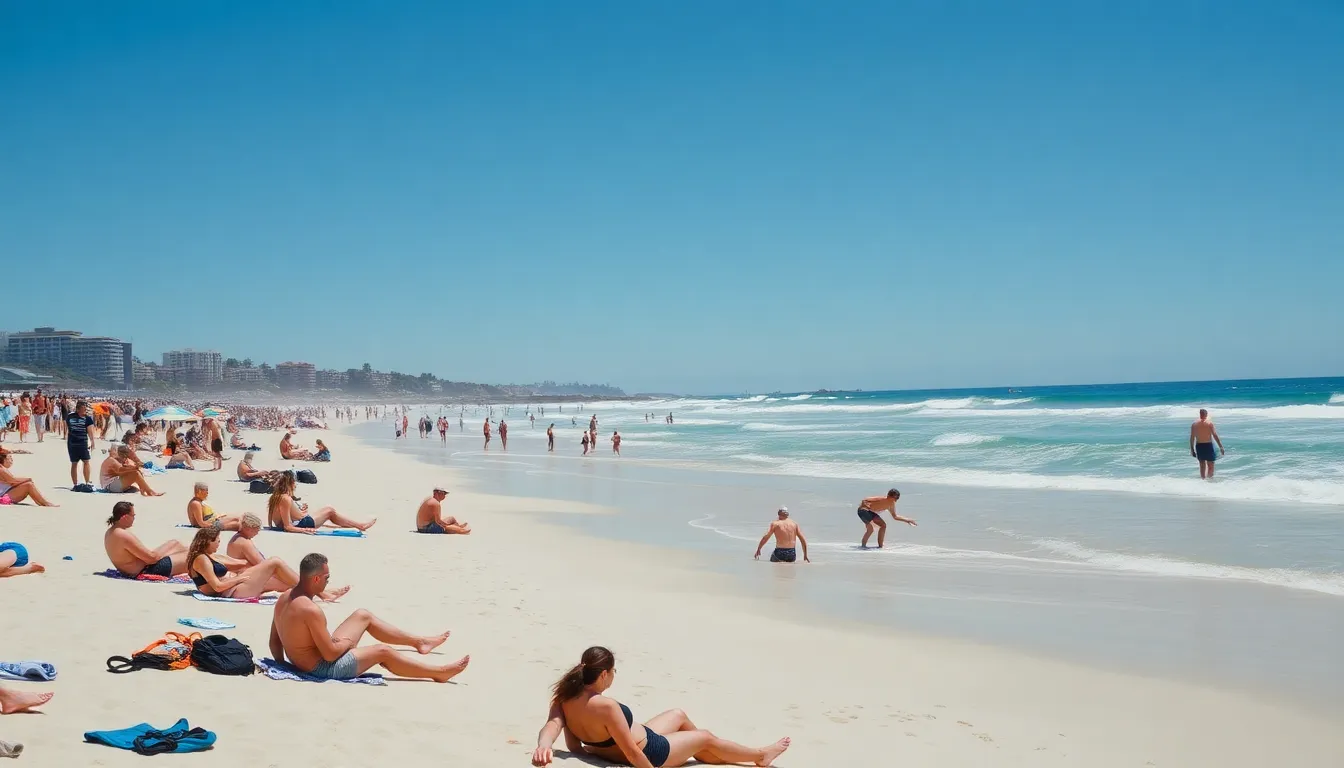
Historically, Sydney has experienced a temperate climate characterized by distinct seasons. However, data from the Australian Bureau of Meteorology indicates a trend towards warmer summers, with average temperatures rising steadily since the late 20th century. This warming trend has been linked to broader climate change narratives, which gained prominence following the 1992 Earth Summit in Rio de Janeiro, where global awareness of environmental issues began to escalate.
Key Milestones in Climate Awareness
In Australia, the 2007 Climate Change Adaptation Summit highlighted the urgent need for action, with many states, including New South Wales, beginning to adopt measures aimed at mitigating climate impacts, similar to the efforts discussed in our piece on UK transplant system falls behind other Western nations.
Economically, the shift towards longer summers has implications for various sectors, including agriculture, tourism, and public health. Farmers are finding it increasingly challenging to adapt their practices to the changing climate, while the tourism industry is witnessing shifts in travel patterns as visitors seek out warmer destinations. Moreover, public health concerns related to heatwaves and increased humidity have prompted local governments to reassess their infrastructure and emergency response strategies.
The recent findings regarding longer summers in Sydney serve as a crucial reminder of the ongoing impacts of climate change and the urgent need for collective action, much like the awareness brought forth by media outlets such as The Daily Show.
Key stakeholders and issues related to extended summers
The phenomenon of longer summers, particularly in Sydney, involves various stakeholders with differing interests. These include local government bodies, environmental organizations, residents, and businesses. Each group has its own perspective on the implications of climate change and extended warm seasons.
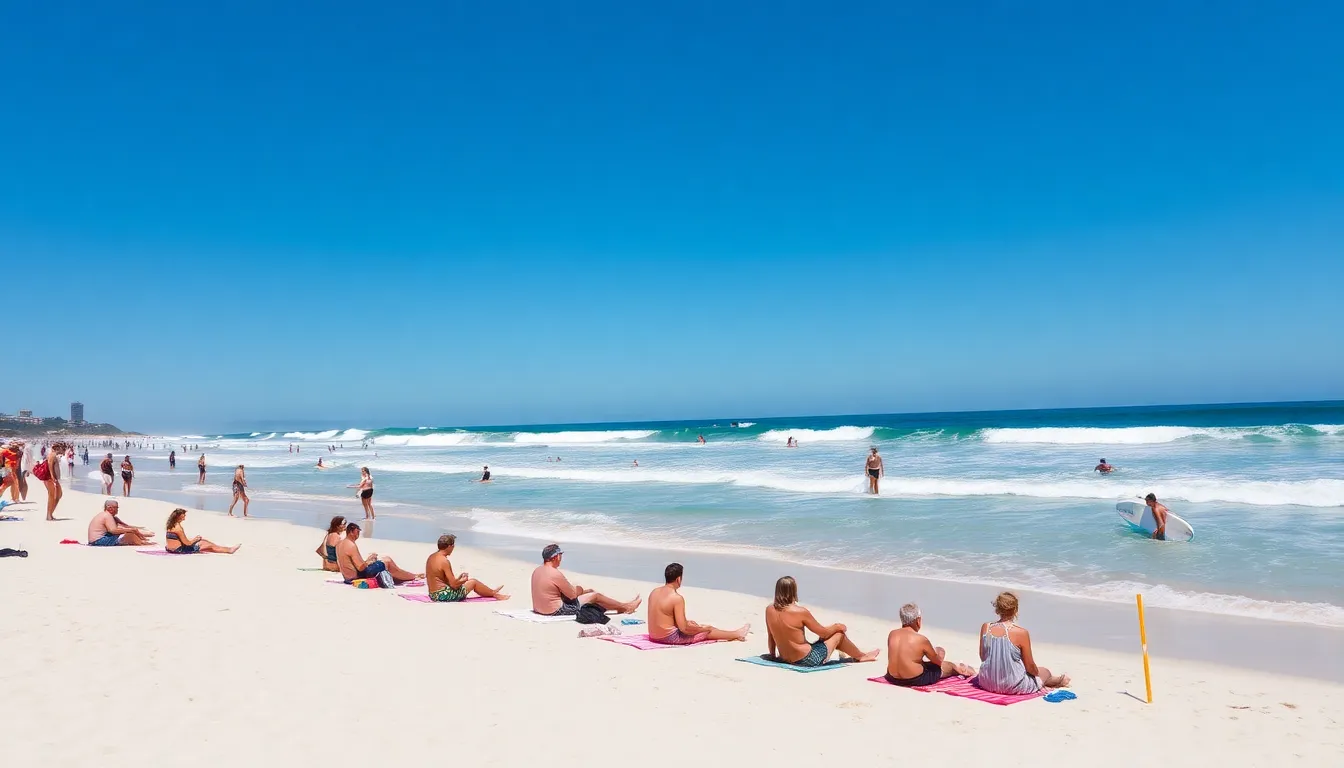
Local governments are primarily concerned with public health and infrastructure. Extended summers can lead to increased heat-related illnesses, necessitating adjustments in urban planning and emergency services. Additionally, they face pressure to implement sustainable practices to mitigate climate impacts while balancing economic growth.
Environmental organizations advocate for immediate action to address climate change, emphasizing the need for policies that reduce greenhouse gas emissions. Their interests align with scientific research indicating that longer summers can disrupt local ecosystems and biodiversity. These groups often clash with businesses that prioritize profit over environmental sustainability.
Residents are caught in the middle, experiencing the direct effects of climate change. They may face higher energy costs due to increased air conditioning usage and health risks associated with extreme heat. This creates a conflict between the desire for comfort and the need for sustainable living practices.
- Public Health Risks: Increased heat can lead to health issues, especially among vulnerable populations.
- Economic Implications: Businesses may benefit from longer tourist seasons but face challenges related to resource management.
- Environmental Concerns: Extended summers can threaten local wildlife and plant species.
- Policy Conflicts: Tension between economic development and environmental protection often leads to heated debates.
- Community Adaptation: Residents may need to adapt to new realities, impacting their quality of life.
The effects of longer summers on residents and the environment
The extended summer seasons in Sydney are impacting a variety of groups, including local residents, businesses, and environmental organizations. As temperatures rise and the summer season stretches longer, the daily lives of individuals are being altered significantly, affecting everything from outdoor activities to health concerns.
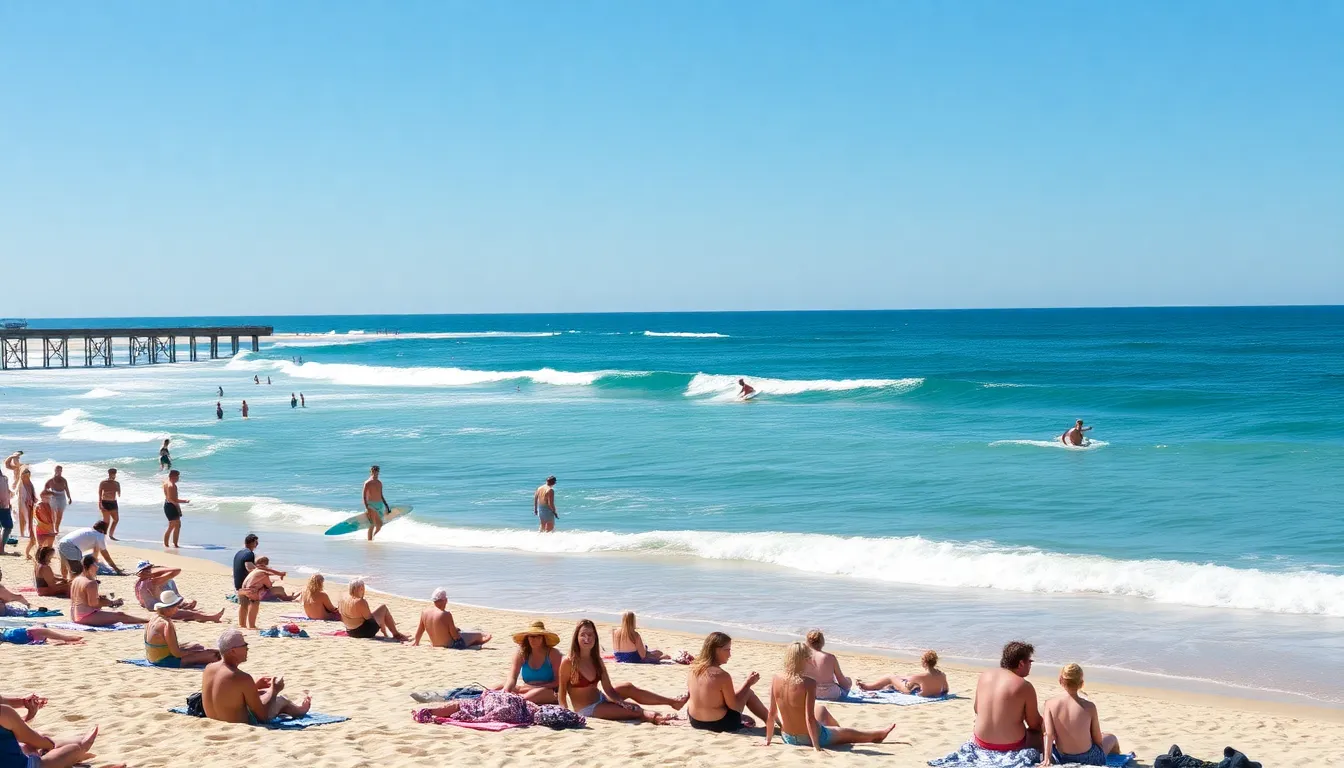
Residents are experiencing increased heat, which can lead to health risks such as heat exhaustion and respiratory issues. Vulnerable populations, including the elderly and those with pre-existing health conditions, are particularly at risk. Moreover, the longer summers can exacerbate the urban heat island effect, making cities warmer and less comfortable.
Industries such as tourism, agriculture, and retail may see both challenges and opportunities. For example, the tourism sector could benefit from an extended season, attracting more visitors to the beaches and outdoor events. However, agricultural producers may face difficulties with crop viability and water shortages, leading to potential food supply issues.
- Health Risks: Increased incidence of heat-related illnesses.
- Economic Opportunities: Extended tourism season boosting local businesses.
- Environmental Concerns: Strain on water resources and biodiversity.
- Policy Changes: Potential for new regulations on urban planning and heat mitigation strategies.
In the mid-term, policymakers will need to adapt to these changes by implementing strategies to manage the heat and its consequences. This could include enhancing green spaces, improving public transportation, and investing in infrastructure that mitigates heat effects. The challenge will be balancing economic growth with environmental sustainability as the climate continues to change.
A: The study indicates that summer temperatures in Sydney are rising, leading to longer summer seasons. This trend is attributed to climate change and its effects on local weather patterns. A: The study suggests that summers in Sydney could last several weeks longer in the coming decades if current climate trends continue. This could significantly alter seasonal weather dynamics. A: Longer summers may disrupt local ecosystems, affecting breeding and feeding patterns of wildlife. Species that are sensitive to temperature changes may face challenges in adapting. A: Residents are increasingly concerned about the implications of longer summers, including heat-related health risks and changes in recreational activities. Community awareness is growing. A: To address the impacts of longer summers, strategies such as urban planning, increased green spaces, and public health initiatives are being discussed to mitigate heat effects.
Frequently asked questions about longer summers in Sydney
Key insights and future outlook on summer trends
The recent study highlighting the lengthening of summers in Sydney underscores a significant shift in climate patterns that could have far-reaching implications for both the environment and daily life. As temperatures rise and the duration of warm weather extends, residents and policymakers alike must adapt to these changes, considering both immediate and long-term effects on health, infrastructure, and local ecosystems.
Monitoring these trends will be crucial for effective planning and resource allocation. Communities may need to implement strategies to mitigate heat-related health risks, while urban planners should consider how extended summers might influence energy consumption and water resources. Additionally, the impact on local flora and fauna could reshape biodiversity in the region, prompting further research and conservation efforts.
- Expect increased demand for cooling solutions and energy resources during prolonged summer months.
- Health initiatives should focus on heat-related illnesses, particularly for vulnerable populations.
- Urban planning must adapt to changing climate patterns to ensure sustainable infrastructure.
- Local ecosystems may experience shifts in species composition, necessitating conservation strategies.
- Awareness campaigns can help educate the public about the implications of longer summers and encourage proactive measures.