
As of 2023, the global market for hydration technology is projected to grow significantly, driven by a growing awareness of the importance of proper hydration for physical performance and overall health. According to a report by Grand View Research, the hydration technology market is expected to reach $1.5 billion by 2025, highlighting the increasing consumer demand for smart health solutions.
Moreover, elite sports teams are now incorporating hydration monitoring into their training regimens. For instance, the NBA and NFL have begun using advanced sweat analysis to tailor hydration strategies for their players. This trend underscores the critical role that hydration plays in recovery and injury prevention, making it a key focus for both amateur and professional athletes.
In light of these developments, understanding one’s “sweat score” has become essential for anyone engaged in physical activities. Devices that measure sweat rate and electrolyte loss provide insights that can lead to improved hydration practices, ultimately enhancing athletic performance and well-being. As more individuals become aware of their hydration needs, the integration of technology into personal health management continues to evolve, mirroring the advancements seen in the digital library offerings.
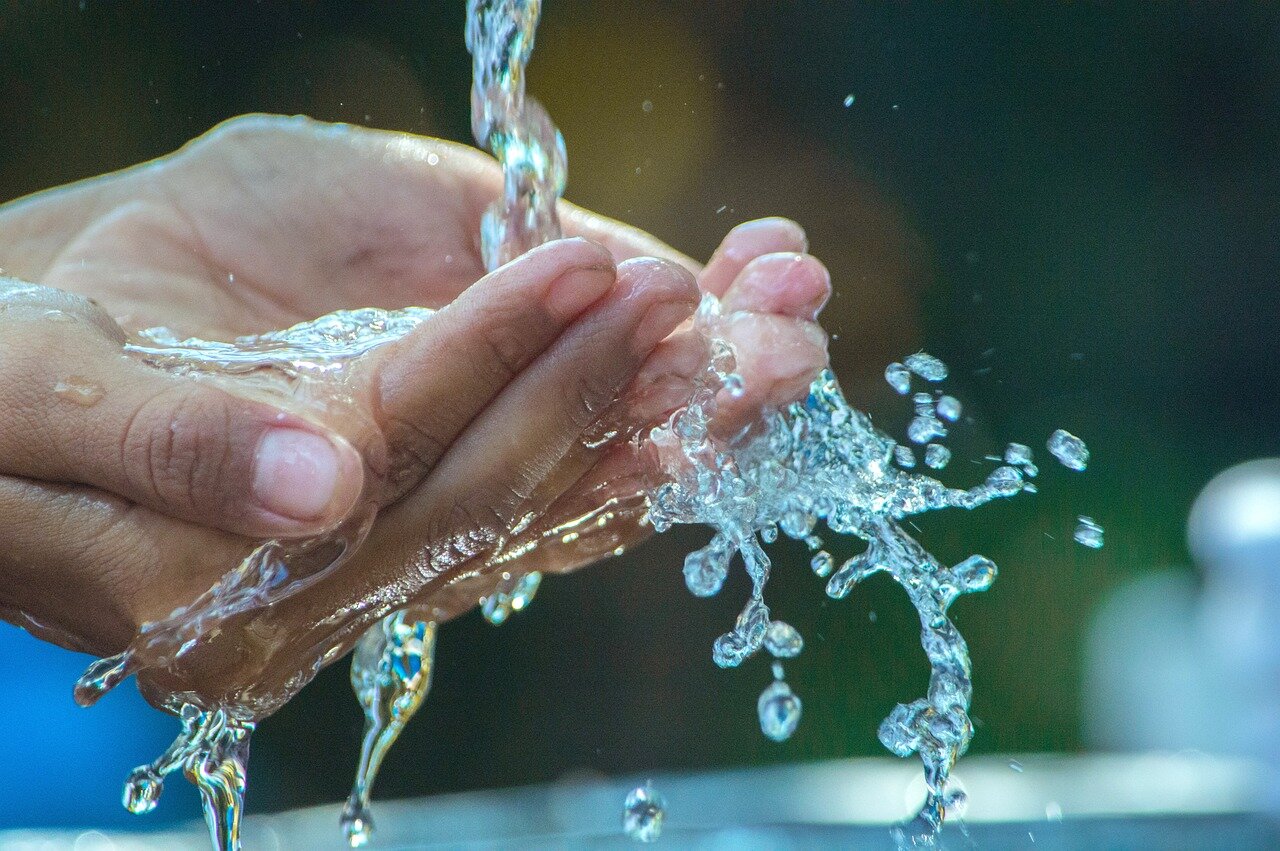
The evolution of hydration technology and its significance
Hydration technology has evolved significantly over the past few decades, driven by increasing awareness of the importance of proper hydration for health and athletic performance. Historically, hydration was often monitored through basic methods, such as observing thirst or urine color. However, as science has advanced, so too has our understanding of hydration’s role in physical and cognitive performance, leading to the development of more sophisticated tools.
The rise of wearable technology in the 21st century marked a pivotal moment for hydration tracking. Devices such as fitness trackers and smartwatches began to incorporate features that monitored various health metrics, including hydration levels. This shift was fueled by a growing consumer interest in health and wellness, as well as the increasing prevalence of lifestyle-related diseases linked to poor hydration.
The role of sports and fitness culture
The sports and fitness culture has played a crucial role in the promotion of hydration technology. Athletes and fitness enthusiasts have long recognized the importance of staying properly hydrated, leading to the demand for more accurate hydration tracking tools. Companies began to innovate, creating products that not only measure fluid intake but also analyze sweat composition to provide users with a ‘sweat score’ a personalized assessment of hydration needs based on individual sweat rates and electrolyte loss, similar to how teams analyze their strategies during a crucial match such as when New Zealand defeated Scotland.
Furthermore, the economic implications of hydration technology cannot be overlooked. The global market for health and fitness technology has surged, with investors increasingly drawn to startups that focus on innovative hydration solutions. This financial backing has accelerated research and development, leading to more advanced hydration tracking devices that appeal to a broader audience, from casual gym-goers to elite athletes.

As hydration technology continues to advance, it raises important questions about accessibility and the potential for disparities in health monitoring. While some individuals have the means to invest in high-tech hydration solutions, others may not have access to these tools, highlighting the need for broader public health initiatives that promote hydration education and resources for all.
Key players and challenges in the hydration tech market
The hydration tech market is rapidly evolving, attracting various stakeholders, including technology companies, health organizations, and consumers. Each of these groups has distinct interests that shape the development and adoption of hydration monitoring devices, such as sweat score trackers. Understanding these players and the challenges they face is crucial for grasping the broader implications of this technology.
Technology companies, such as startups and established firms, are at the forefront of innovation in hydration tech. Their primary interest lies in developing accurate, user-friendly devices that can track hydration levels through sweat analysis. However, they must navigate complex regulatory environments and ensure that their products meet health and safety standards. This creates a trade-off between rapid innovation and compliance with legal requirements.
Health organizations and fitness experts are also key players, advocating for the benefits of proper hydration for overall health and athletic performance. They often collaborate with tech companies to validate the effectiveness of hydration monitoring devices. However, there are conflicts regarding the accuracy of these devices, as inconsistent results can lead to misinformation about hydration needs. This raises important questions about the reliability of technology in health-related applications.

- Consumer interest: Consumers are increasingly health-conscious, driving demand for hydration tech products that promise to enhance wellness.
- Economic implications: The growth of the hydration tech market presents economic opportunities, but it also raises concerns about market saturation and competition.
- Legal challenges: Companies must address legal issues related to data privacy and security, especially as devices collect personal health information.
Governments and regulatory bodies play a crucial role in overseeing the hydration tech market. They are tasked with ensuring that products are safe for public use while also encouraging innovation. However, the regulatory landscape can be a double-edged sword, as stringent regulations might stifle innovation, while lax oversight could lead to consumer harm. Balancing these interests is a significant challenge for policymakers in the hydration tech sector.
How hydration technology affects athletes and health enthusiasts
The rise of hydration technology, particularly through devices that measure sweat loss and hydration levels, primarily impacts athletes and fitness enthusiasts. These groups are increasingly relying on precise data to optimize their performance and recovery. As hydration tech becomes more mainstream, it also attracts attention from casual gym-goers and health-conscious individuals looking to improve their wellness routines.
In the short term, the availability of hydration tracking devices encourages users to become more aware of their hydration needs. This heightened awareness can lead to improved athletic performance and overall health. However, it also raises concerns about over-reliance on technology and potential misinformation if users misinterpret their hydration data.
In the mid-term, businesses in the sports and health industries are likely to see a shift in product offerings. Companies may invest in developing more advanced hydration technologies and integrating these devices into broader fitness platforms. This shift could stimulate competition and innovation, leading to better products that cater to a wider audience.

- Opportunities: Growth in the hydration tech market, increased consumer awareness, and potential partnerships between tech firms and fitness brands.
- Risks: Data privacy concerns, potential for misinformation, and the possibility of creating dependency on technology for basic health needs.
Regions with a strong sports culture, such as North America and Europe, are likely to see a more rapid adoption of hydration technology. As awareness spreads globally, emerging markets may also begin to embrace these innovations, creating new opportunities for companies willing to adapt their products to different climates and lifestyles.
A: A sweat score is a measurement that indicates how much fluid and electrolytes you lose through sweat during physical activity. It helps individuals understand their hydration needs better. A: You can track your sweat score using specialized wearable devices or hydration apps that analyze your sweat rate and composition during workouts. A: Hydration technology helps athletes optimize their performance by ensuring they maintain proper fluid balance, which can enhance endurance and recovery. A: Yes, dehydration can lead to decreased performance, fatigue, and serious health issues such as heat exhaustion or heat stroke. A: Absolutely, hydration technology can help anyone who wants to maintain optimal health and wellness by providing personalized hydration recommendations.
Frequently asked questions about hydration tech
Future trends and key takeaways in hydration technology
The emergence of hydration technology, particularly through innovations like ‘sweat scores’, signals a significant shift in how individuals monitor their health and wellness. As awareness of hydration’s critical role in performance and overall well-being grows, these technologies are poised to become integral tools for athletes and health-conscious individuals alike. The ability to quantify hydration levels in real-time not only enhances personal health management but also opens avenues for further research and development in sports science and nutrition.
Looking ahead, the integration of hydration tech into daily life will likely lead to more personalized health strategies. As these tools become more accessible and user-friendly, they may foster a culture of proactive health management, encouraging individuals to take charge of their hydration needs in a more informed manner.
- Monitor hydration levels more effectively with emerging technologies, leading to improved athletic performance and recovery.
- Expect advancements in wearable hydration tech that provide real-time data, enhancing user engagement and awareness.
- Watch for increased collaboration between tech companies and health professionals to create tailored hydration solutions.
- Consider the potential for hydration tech to contribute to broader health initiatives, including chronic disease management and public health campaigns.
- Stay informed about regulatory developments as hydration technologies gain popularity, ensuring safety and efficacy in consumer products.