
Festival organizers communicated the evacuation through social media and on-site announcements, urging attendees to leave the venue temporarily. This swift action highlighted the festival’s commitment to safety, as winds were reported to be gusting over 30 miles per hour, creating hazardous conditions for large structures and equipment.
Remarkably, the festival reopened less than two hours later, around 8 p.m., after conditions improved. Attendees were allowed back in, and performances resumed, showcasing the resilience of both the festival staff and the artists who were eager to continue entertaining the crowd.
The quick turnaround in the festival’s operations reflects the challenges faced by large public events, particularly in regions prone to unpredictable weather. As the weekend progresses, the focus remains on ensuring a safe and enjoyable experience for all participants while monitoring weather conditions closely.
Understanding the circumstances leading to the evacuation
The Stagecoach Festival, an annual gathering that celebrates country music and culture, has become a significant event in the entertainment calendar of California. You can read more about similar large public events and their challenges here.
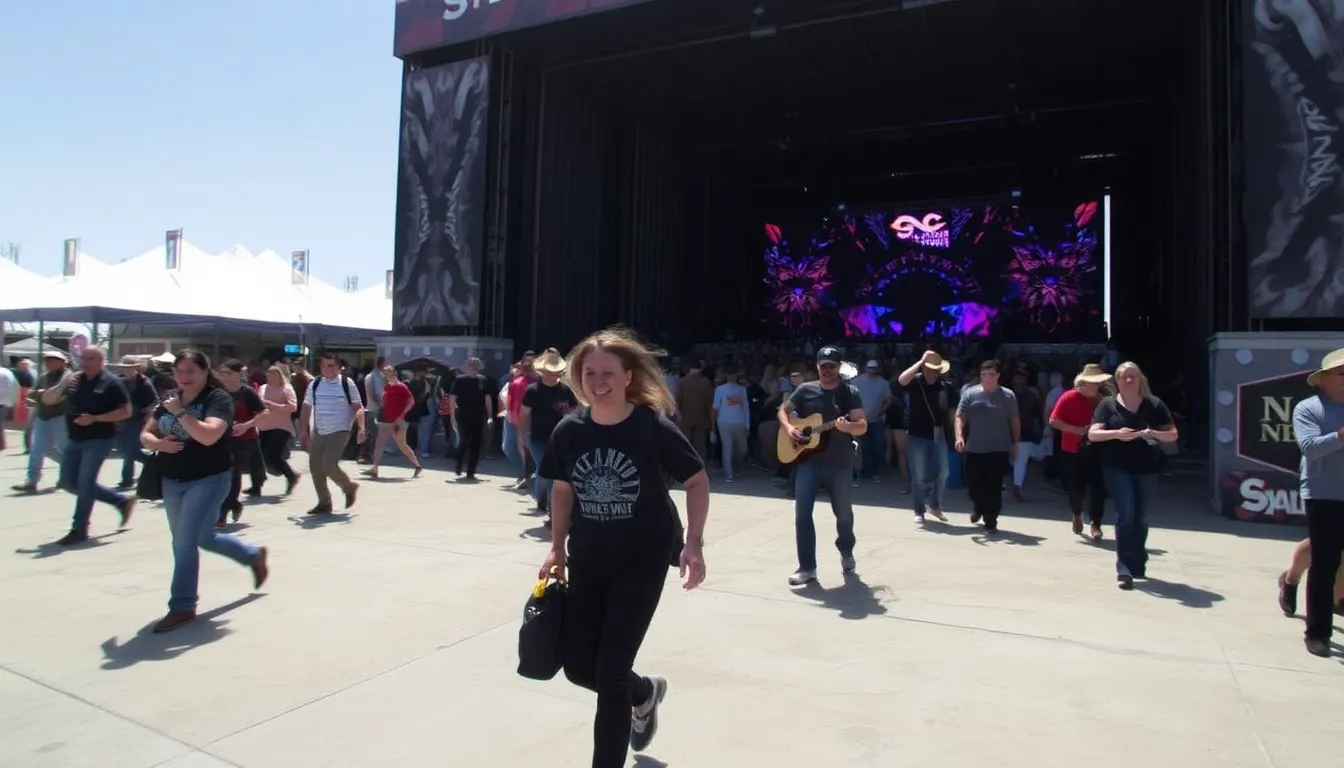
In recent years, extreme weather events have become more frequent, a trend attributed to climate change. This is a growing concern not only for the Stagecoach Festival but also for various festivals across the nation.
Historical Context of Emergency Evacuations at Festivals
Emergency evacuations at large-scale events are not a new phenomenon. Previous incidents at music festivals, such as the evacuation during the 2017 Coachella due to lightning threats, have set precedents for how organizers respond to adverse weather conditions. These events have shaped policies and procedures, emphasizing the importance of having contingency plans in place. The Stagecoach Festival’s quick reopening after the evacuation illustrates the balance event organizers must strike between safety and the desire to keep the event running smoothly.
Moreover, the economic implications of festival cancellations or interruptions cannot be overlooked. The Stagecoach Festival attracts thousands of visitors, contributing significantly to the local economy. An evacuation, even if brief, can impact vendor sales and local businesses that rely on festival traffic. This economic factor often weighs heavily on the decisions made by organizers, who must consider both safety and the financial ramifications of their actions.
Ultimately, the recent evacuation at the Stagecoach Festival serves as a reminder of the complexities involved in hosting large outdoor events. As weather patterns continue to evolve, the festival industry will need to adapt, ensuring that safety remains a top priority while also striving to deliver memorable experiences for attendees, much like those discussed in other festival contexts.
Key stakeholders and issues surrounding the festival’s safety measures
The Stagecoach Festival, a major annual music event, involves multiple stakeholders, each with distinct interests and concerns. The primary actors include the festival organizers, local government authorities, emergency services, and the attendees themselves. Understanding the dynamics between these groups is crucial for analyzing the recent emergency evacuation due to high winds and the subsequent reopening of the event.
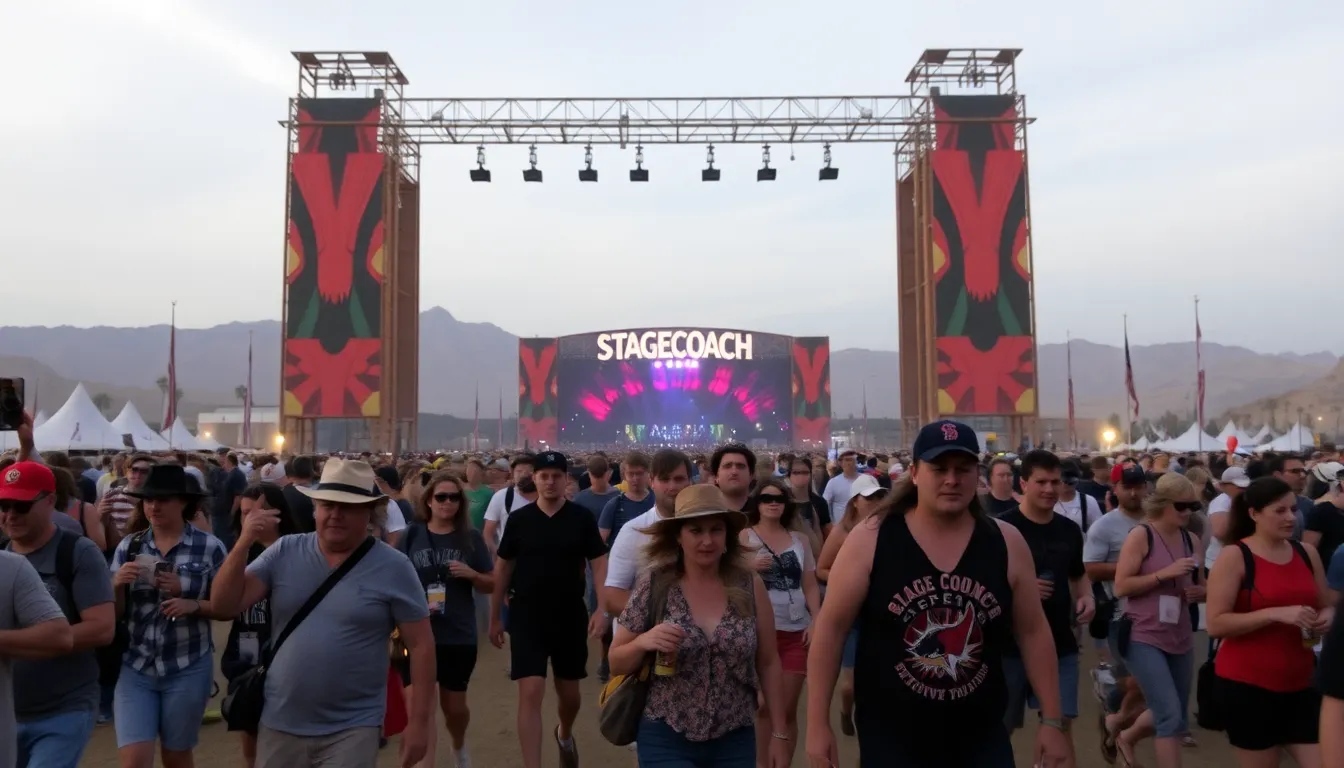
Festival organizers, such as Goldenvoice, are primarily concerned with ensuring the safety of attendees while maintaining the festival’s reputation and financial viability. Their decision to evacuate the venue reflects a commitment to safety, but the quick reopening raises questions about risk management and the criteria used to assess safety conditions.
Local government authorities and emergency services play a vital role in public safety during large events. They must balance the need to protect citizens with the economic implications of shutting down a major festival. The conflicting interests of ensuring safety and promoting tourism can lead to tension, particularly when decisions must be made rapidly in response to changing weather conditions.
- Safety vs. Economic Impact: The need to prioritize attendee safety against the potential financial losses from a prolonged evacuation.
- Legal Liability: The implications of potential lawsuits arising from injuries or damages during the evacuation process.
- Public Perception: How the festival’s handling of emergencies affects its public image and future attendance.
- Emergency Preparedness: The effectiveness of current emergency protocols and the need for improvements based on this incident.
- Weather Monitoring: The role of accurate weather forecasting in decision-making processes for large-scale events.
Attendees, while primarily focused on enjoying the festival, also have vested interests in safety and security. Their reactions to the evacuation and subsequent reopening can influence future attendance and the overall atmosphere of the festival. The balance between ensuring a fun experience and maintaining safety protocols is a critical issue for all parties involved.
Effects on festival attendees and local businesses
The emergency evacuation at the Stagecoach Festival due to high winds has immediate implications for various groups, particularly festival attendees and local businesses in the surrounding areas. The sudden need for evacuation disrupted the plans of thousands of festival-goers who had traveled from various regions to enjoy the event. Many attendees were left scrambling for alternative arrangements, impacting their overall experience.
Local businesses, especially those in the hospitality and retail sectors, faced significant challenges during the evacuation. Hotels, restaurants, and shops that anticipated a surge in customers experienced a sudden drop in foot traffic. This disruption not only affects daily sales but also poses a risk to the financial stability of these businesses during a peak tourism period.
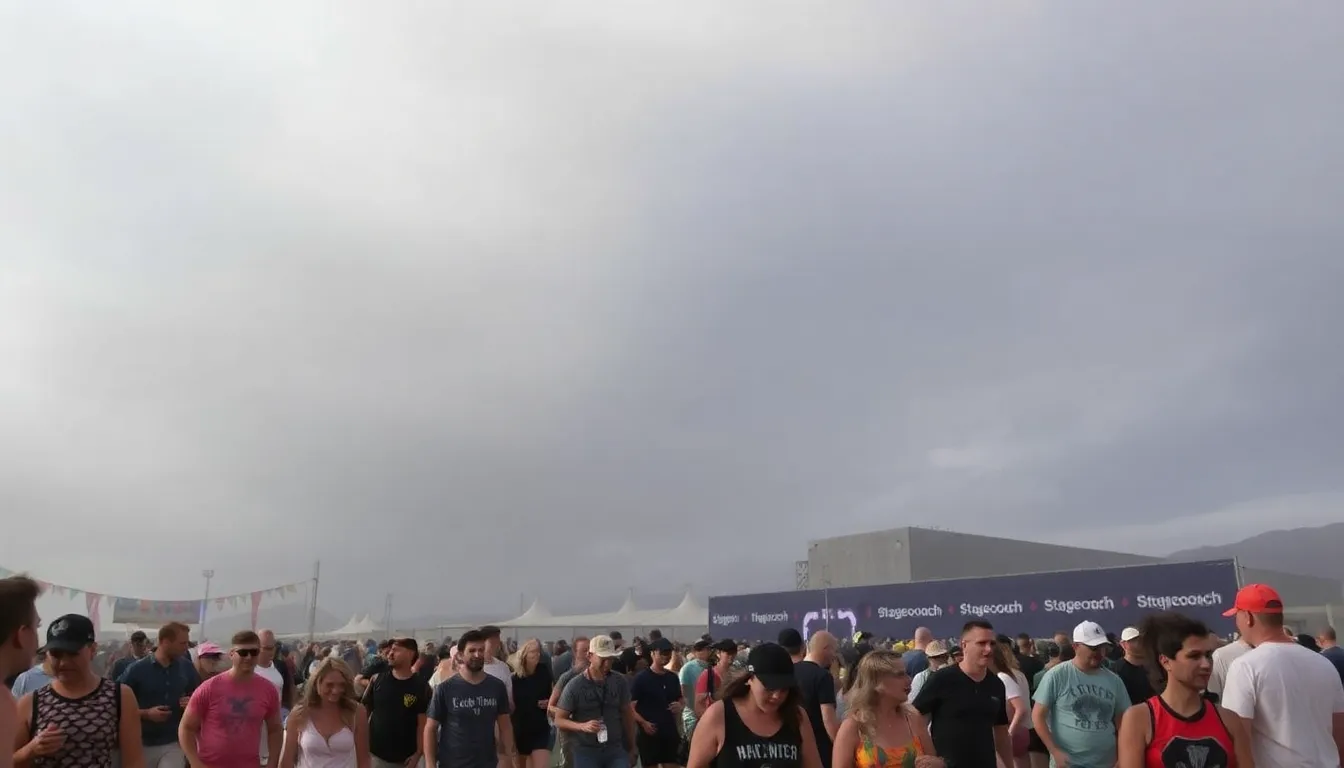
- Increased stress and confusion among festival attendees.
- Potential revenue loss for local businesses.
- Impact on future tourism and event attendance.
In the short term, the festival’s quick reopening may mitigate some of the negative impacts, allowing attendees to return and enjoy the remaining events. However, the incident raises concerns about safety protocols and emergency preparedness for future festivals. Organizers may need to reassess their risk management strategies to ensure the safety of attendees and maintain their reputation.
Mid-term effects could include changes in policy or regulations regarding large events, particularly in areas prone to extreme weather. Local authorities may impose stricter guidelines to enhance safety measures, which could influence how future festivals are organized. Conversely, this situation may also present opportunities for businesses to adapt by offering enhanced services or products that cater to event-goers in a more secure environment.
A: The evacuation was initiated due to high winds that posed safety risks to attendees and performers. The decision was made to ensure everyone’s safety during the unpredictable weather conditions. A: The festival was closed for less than two hours before it reopened. The quick response allowed attendees to return to the event relatively soon. A: Fortunately, there were no reported injuries during the evacuation. The organizers acted swiftly to ensure everyone was safely evacuated. A: The festival organizers have stated that they will review their emergency protocols to enhance safety measures and better prepare for similar weather events in the future. A: Many attendees expressed concern but appreciated the quick action taken by the organizers. Social media reactions varied, with some praising the safety measures and others expressing frustration over the disruption.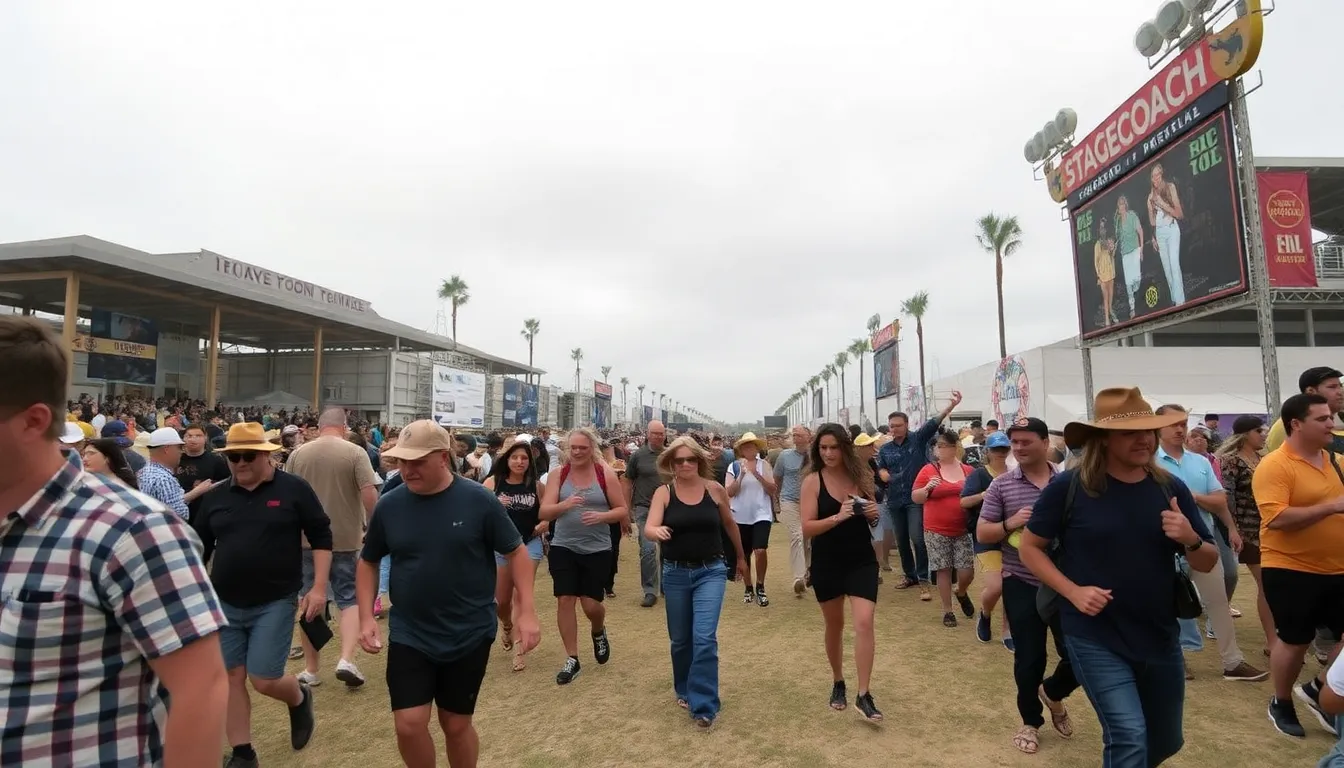
Frequently asked questions about the evacuation
Key takeaways and future outlook for the festival
The recent emergency evacuation at the Stagecoach Festival due to high winds highlights the ongoing challenges that outdoor events face in unpredictable weather conditions. While the swift decision to reopen the festival less than two hours later demonstrates effective crisis management, it also raises questions about safety protocols and audience communication during such incidents.
As festivals continue to attract large crowds, organizers must remain vigilant in monitoring weather conditions and ensuring the safety of attendees. The ability to respond quickly and efficiently can significantly impact the overall experience and reputation of the event.
- Enhanced weather monitoring systems may become a standard requirement for outdoor festivals to ensure timely responses to adverse conditions.
- Clear communication strategies are essential for keeping attendees informed and safe during emergencies, potentially utilizing social media and text alerts.
- Event organizers might consider developing contingency plans that include potential evacuation routes and shelter options for attendees.
- Attendee awareness of safety protocols could be improved through pre-event briefings or informational materials, fostering a culture of preparedness.
- Future festivals may see a shift in scheduling or venue selection based on historical weather patterns to mitigate risks associated with severe weather.