
Recent reports indicate that skirmishes continue in regions such as the Donetsk and Luhansk oblasts, where both Ukrainian and Russian forces are vying for control. On October 15, a series of clashes were documented, highlighting the ongoing volatility of these conflict zones. Soldiers are not only fighting against each other but also contend with the ever-present risk of aerial surveillance and strikes, as noted in related discussions on the impact of drone technology in modern warfare.
The use of drones has transformed the landscape of warfare, making traditional combat tactics less effective. Soldiers are now relying on stealth and the element of surprise, often moving under the cover of darkness to avoid being spotted. This shift in tactics underscores the evolving nature of the conflict and the necessity for continuous adaptation on the ground, much like the adaptations seen in previous conflicts.
Moreover, humanitarian concerns are rising as the fighting continues to displace civilians and disrupt aid efforts. The international community is closely monitoring the situation, with organizations calling for increased support for those affected by the conflict. The complexities of the battlefield are compounded by the need to protect innocent lives while engaging in military operations.
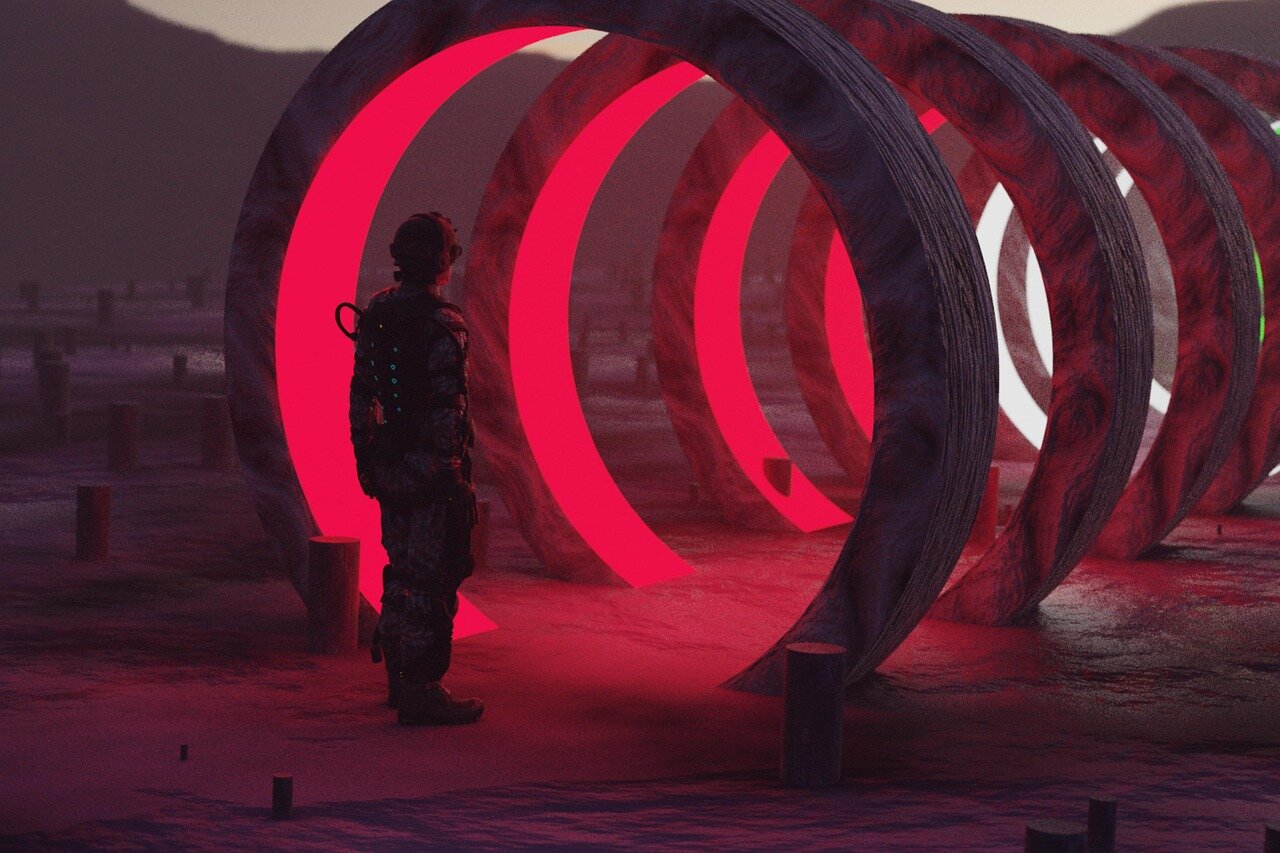
Understanding the Background of the Ongoing Conflict
The conflict between Ukraine and Russia has deep historical roots, with tensions escalating significantly since 2014 when Russia annexed Crimea. This act was widely condemned by the international community and marked a turning point in the relationship between the two nations. The annexation was not merely a territorial dispute; it represented a broader struggle for influence in Eastern Europe, with Ukraine seeking closer ties to the West and Russia aiming to maintain its sphere of influence over former Soviet states.
Following the annexation, a war broke out in the Donbas region of Ukraine, where pro-Russian separatists declared independence. This conflict has led to thousands of casualties and has displaced millions of people. The ongoing hostilities have created a complex landscape where local militias, regular army units, and foreign fighters operate, often with little distinction between them. As the war has dragged on, it has evolved into a protracted struggle characterized by trench warfare reminiscent of World War I, with soldiers navigating a landscape littered with ruins and remnants of past battles, similar to what has been seen in historic conflicts.
The Role of Drones in Modern Warfare
In recent years, the use of drones has transformed the battlefield, adding a new layer of complexity to the conflict. Both Ukrainian forces and Russian-backed separatists have employed drones for reconnaissance and targeted strikes, making traditional combat strategies less effective. Soldiers on the front lines now face the dual challenge of navigating treacherous terrain while evading aerial surveillance and attacks. This technological shift has not only changed military tactics but has also influenced the psychological aspects of warfare, as soldiers must constantly remain vigilant against unseen threats from above.
Economically, the conflict has strained both nations, with Ukraine facing significant challenges in rebuilding war-torn areas and maintaining its economy under the pressure of ongoing military engagements. Conversely, Russia has faced international sanctions that have impacted its economy, yet it continues to invest heavily in military capabilities. This economic backdrop further complicates the situation, as both nations grapple with the costs of war while trying to secure their political and territorial ambitions.
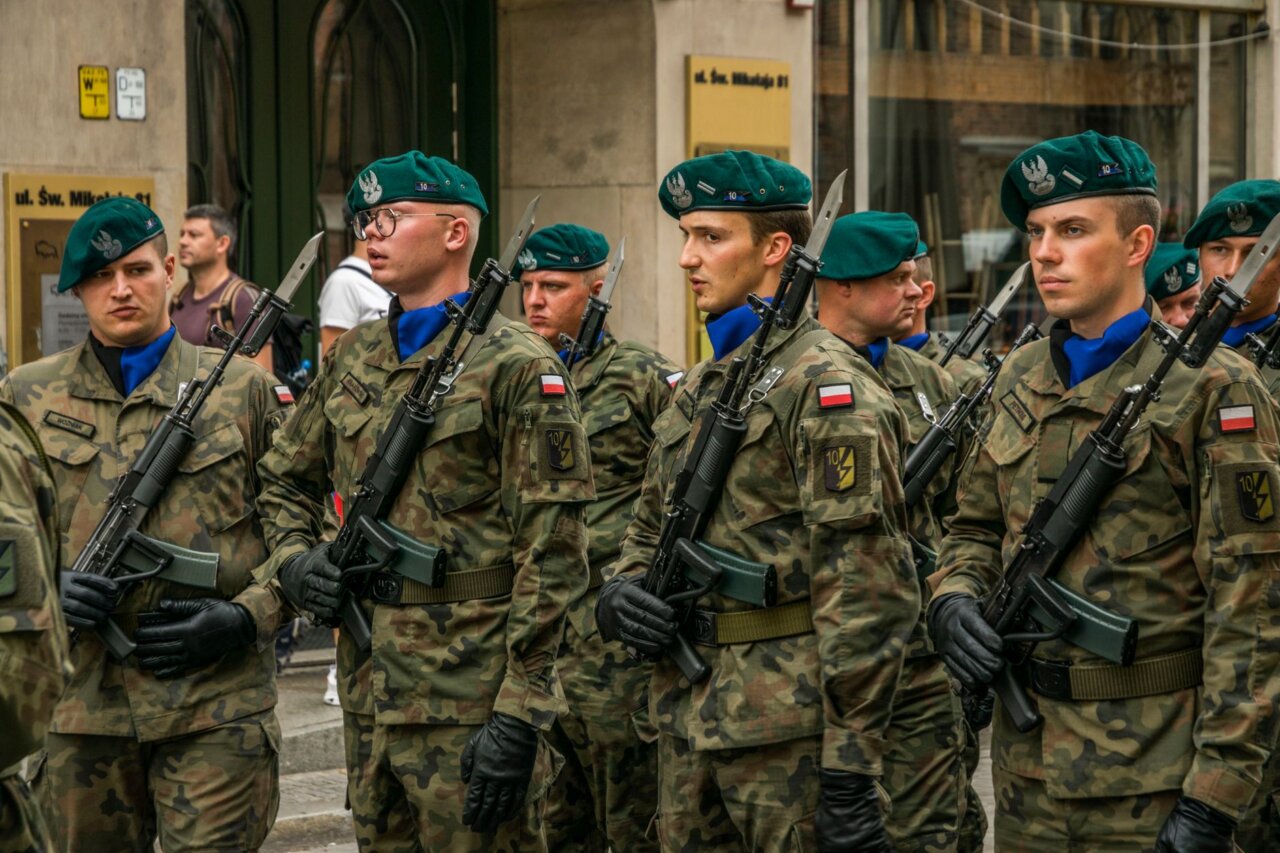
As the conflict continues, the humanitarian impact remains severe, with civilians caught in the crossfire and many communities struggling to recover from years of violence. The international community remains divided on how to address the situation, with ongoing debates about the effectiveness of sanctions, diplomatic efforts, and military support for Ukraine. Understanding this complex background is crucial for grasping the current dynamics on the front lines, where soldiers navigate not just the physical ruins of war, but also the broader implications of a conflict that has far-reaching consequences for the region and beyond.
Key Stakeholders and Issues on the Front Lines
In the ongoing conflict between Ukraine and Russia, various stakeholders play crucial roles, each with distinct interests and objectives. Key actors include the Ukrainian Armed Forces, Russian military units, local civilian populations, international organizations, and foreign governments. Each of these groups has its own priorities, which often conflict with one another, leading to a complex web of interests that shapes the dynamics on the front lines.
The Ukrainian Armed Forces, tasked with defending their nation’s sovereignty, are focused on regaining control over occupied territories. Their efforts are supported by international aid and military assistance from Western nations, which aim to bolster Ukraine’s defense capabilities against Russian aggression. In contrast, the Russian military seeks to maintain and expand its influence in the region, often employing tactics that exploit local divisions and vulnerabilities.
Local civilian populations find themselves caught in the crossfire, facing dire humanitarian conditions. Many are displaced from their homes, struggling with a lack of basic necessities and safety. This situation raises significant legal and ethical issues regarding the protection of civilians in conflict zones, as well as the responsibilities of both warring parties under international humanitarian law.
- Humanitarian Concerns: The plight of civilians amidst the conflict highlights the urgent need for humanitarian assistance and protection.
- International Response: The involvement of foreign governments and organizations complicates the situation, as differing agendas can lead to conflicting strategies and outcomes.
- Legal Implications: Violations of international law by both sides raise questions about accountability and the enforcement of legal norms in warfare.
- Economic Factors: The war has significant economic repercussions, affecting trade routes and local economies, which can further exacerbate tensions.
- Geopolitical Dynamics: The conflict is not just a regional issue but has broader implications for international relations and security in Europe.
As the situation evolves, understanding these stakeholders and the key issues at play is essential for comprehending the broader implications of the conflict and the challenges faced by those on the front lines.
Impact on Soldiers and Local Communities
The ongoing conflict, while centered around Kyiv and Moscow, has far-reaching consequences for soldiers and local communities in the affected regions. As military operations extend into rural areas, both active and retired soldiers find themselves navigating a landscape fraught with danger, while local populations endure the repercussions of warfare.
Local communities are experiencing significant disruptions in daily life. Residents face challenges such as limited access to basic services, food shortages, and the constant threat of violence. The presence of military personnel can also create a tense atmosphere, further straining social dynamics.
Industries such as agriculture and small-scale manufacturing are particularly vulnerable. Farmers are unable to tend to their fields due to safety concerns, leading to reduced crop yields and economic instability. In urban areas, businesses are grappling with supply chain disruptions and a decline in consumer confidence, which can lead to layoffs and closures.

- Short-term impacts: Increased military presence and disruption of local economies.
- Mid-term impacts: Potential long-term displacement of populations and shifts in local governance.
- Risks: Heightened tensions between military and civilians, leading to potential clashes.
- Opportunities: Increased demand for security services and reconstruction efforts post-conflict.
As the situation evolves, the interplay between military operations and civilian life continues to shape the future of these regions. The resilience of local communities will be tested, but there may also be avenues for recovery and growth in the aftermath of conflict.
A: Soldiers encounter numerous challenges including evading drone surveillance, navigating dangerous terrain, and dealing with limited supplies. A: Drones have changed military tactics significantly, as they provide real-time surveillance and can target soldiers from a distance, forcing them to adapt. A: The conflict remains intense, with ongoing skirmishes and a complex political landscape affecting military operations. A: Communication is often done through secure radio channels, but many units also rely on coded messages to avoid detection. A: Support varies, but often includes logistics, intelligence sharing, and sometimes direct military aid.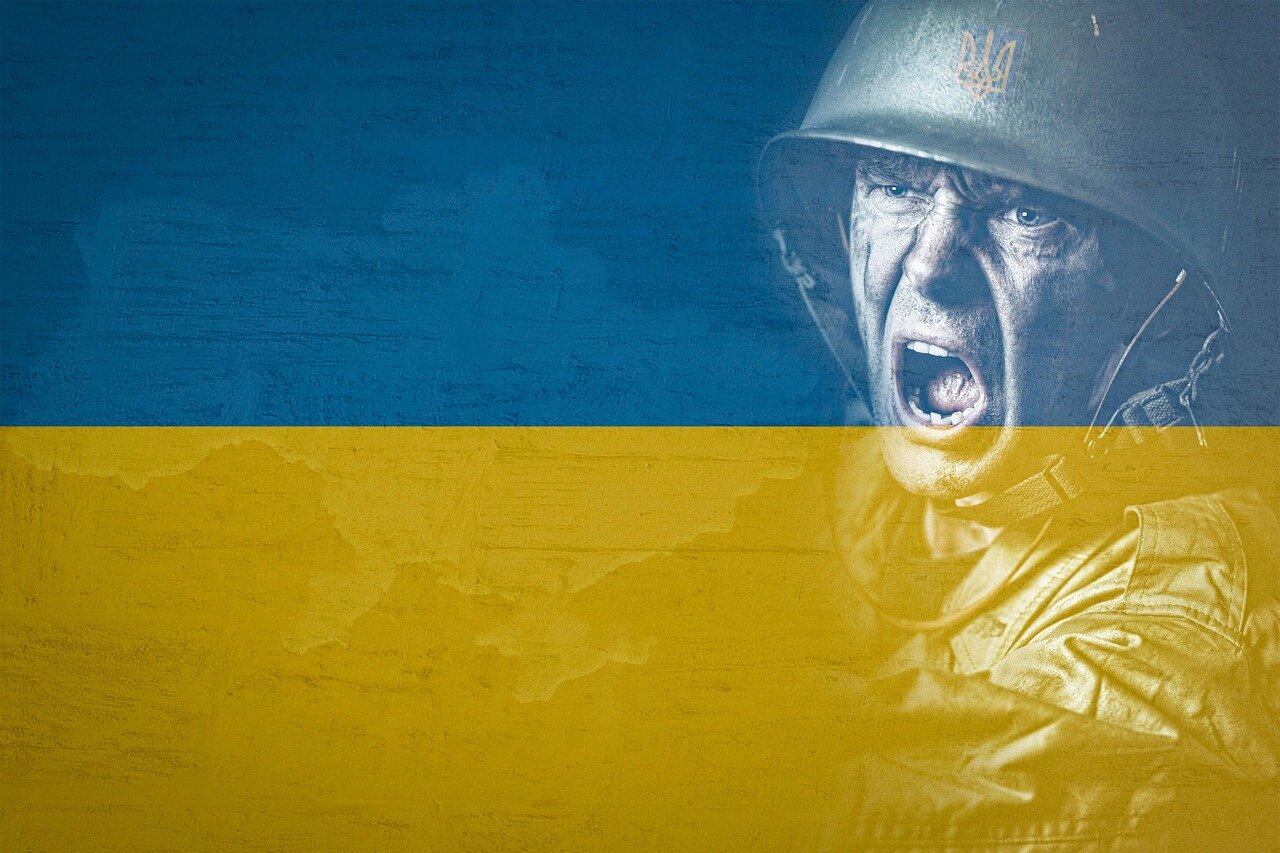
Frequently Asked Questions About the Conflict
Insights and Future Outlook on the Conflict
The ongoing conflict, characterized by the stark realities faced by soldiers far from urban centers, highlights the evolving nature of warfare in the region. As combatants adapt to the challenges posed by drones and the harsh conditions of the battlefield, their strategies and tactics are reshaping the dynamics of engagement. This shift not only affects the immediate military landscape but also has broader implications for the geopolitical situation in Eastern Europe.
Moving forward, it is essential to monitor how these developments influence military strategies and the humanitarian situation on the ground. The ability of soldiers to navigate and operate in such challenging environments will play a crucial role in determining the future of the conflict and the stability of the region.
- Drone Warfare Evolution: The increasing reliance on drones necessitates new countermeasures and tactics from ground forces, impacting training and resource allocation.
- Humanitarian Concerns: As battles continue in remote areas, the humanitarian situation may worsen, requiring increased international attention and aid efforts.
- Geopolitical Ramifications: Changes in military strategies could influence regional alliances and provoke responses from neighboring countries, altering the balance of power.
- Local Resilience: The ability of local populations to adapt and support military efforts may play a critical role in the sustainability of operations.