
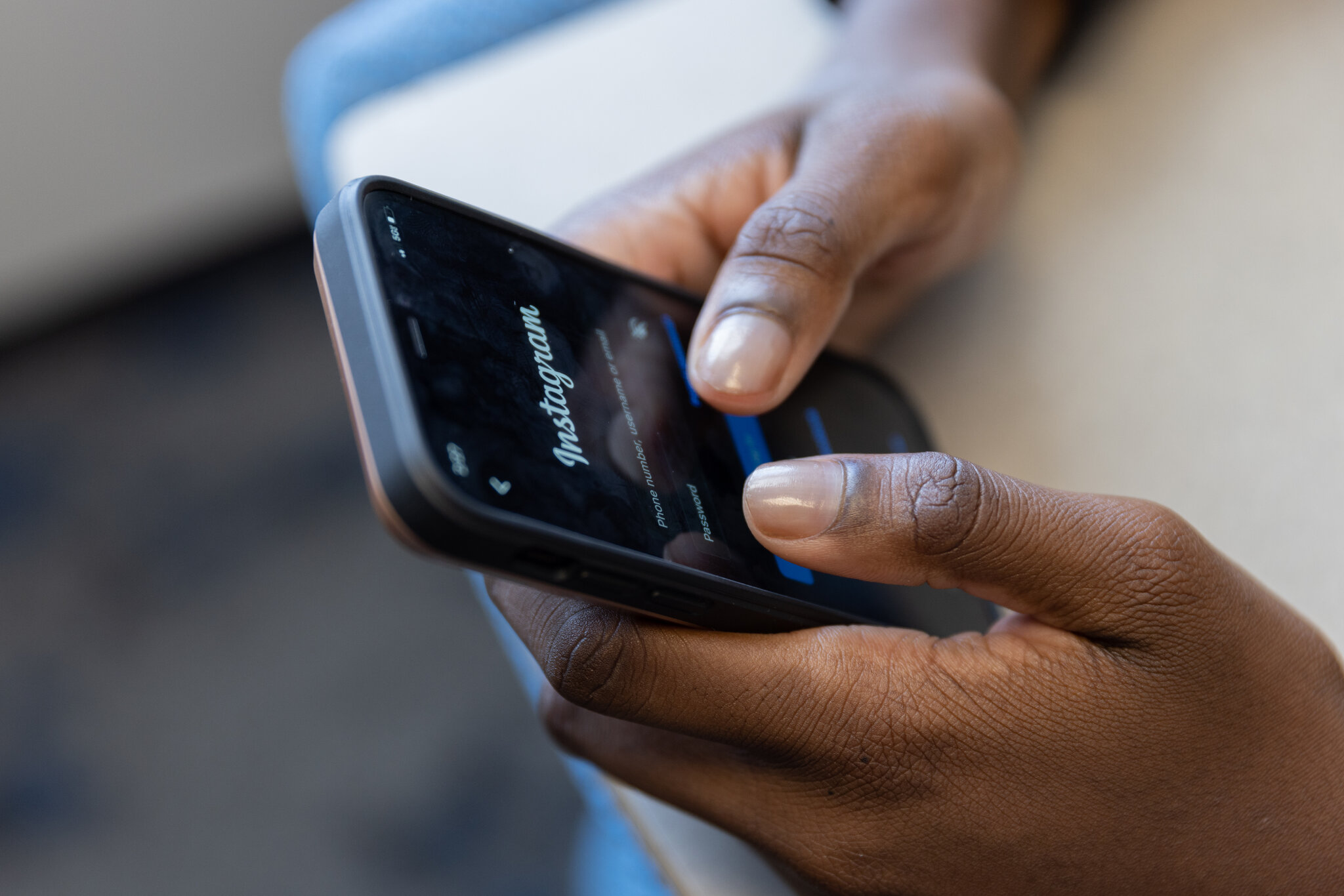
In an age where social media is an integral part of daily life, the effects of constant connectivity are increasingly coming into question. A recent study suggests that taking a one-week break from social media can lead to notable mental health benefits, similar to those found in a study on music that identifies its positive effects on recovery.
Understanding the Background and Necessity of this Study
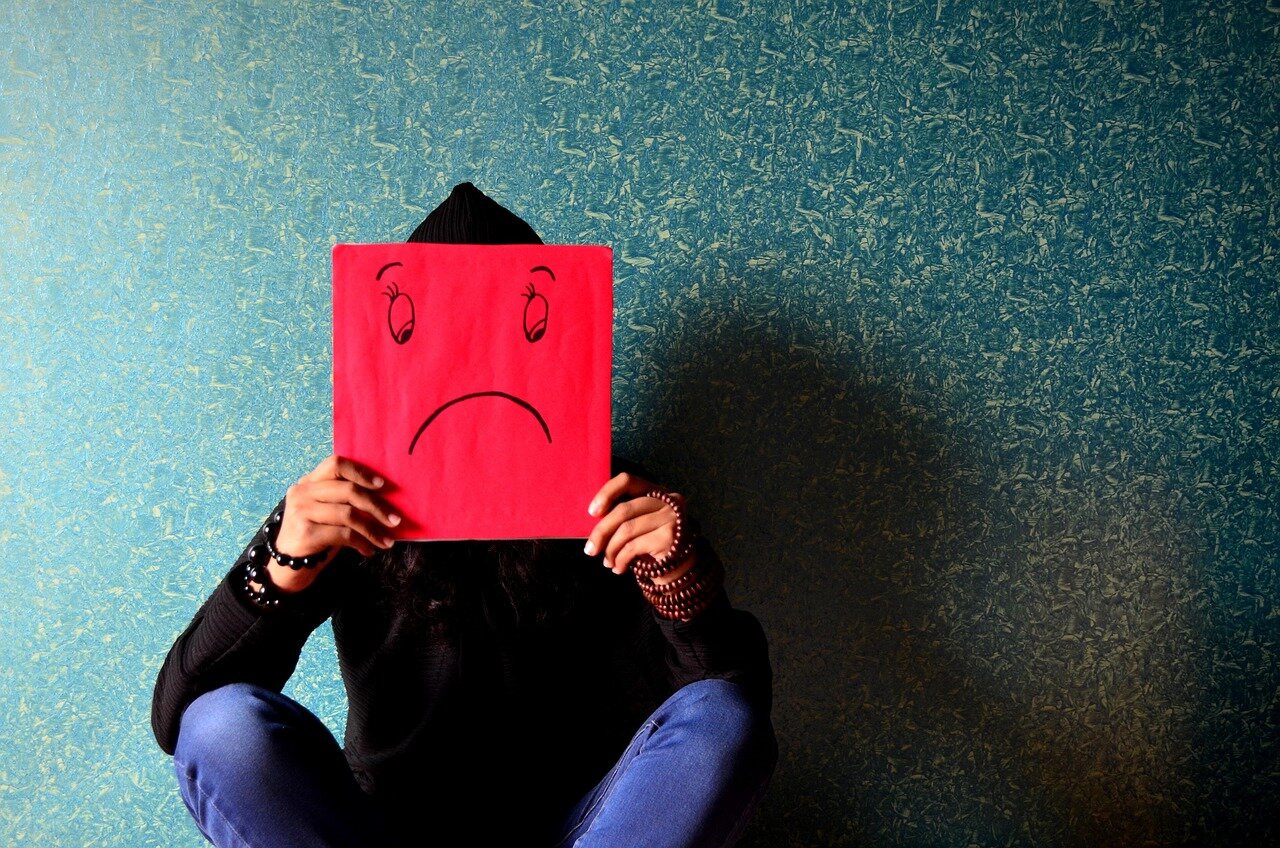
The pressures and anxieties originating from social media usage are well documented. Continuous notifications, the pressure to present a perfect life, and the tendency to compare oneself to others can contribute to increased feelings of anxiety and depression. Researchers have begun to explore how detaching from these platforms might offer individuals a chance to reset their mental health.

Criteria and Comparison Measures Used in the Research
In designing the study, researchers targeted a diverse group of participants who engage with social media daily. This group was divided into two sections: those who would take a week-long break from all social media and a control group that would continue their usual usage. The primary metrics used for comparison included self-reported levels of anxiety, depression, and overall life satisfaction, measured before, during, and after the social media hiatus.
Key Findings from the Study
The results of the study were illuminating. Participants who abstained from social media reported a marked decrease in feelings of anxiety and depression. Additionally, they expressed increased levels of happiness and satisfaction in their daily lives, much like the outcomes observed in athletes who focus on mental well-being through sports.
Strategies for Implementing a Social Media Break
For those interested in experiencing similar benefits, here are some practical strategies to initiate a social media break:
- Set a specific timeframe for the break, ideally starting with one week.
- Inform friends and family to manage their expectations regarding your availability.
- Consider scheduling activities that you enjoy outside of social media during this time.
- Replace social media with other activities that promote mental well-being, such as mindfulness or hobbies.
Important Considerations During the Break
While a social media break can be beneficial, some considerations should be kept in mind. Individuals may experience initial feelings of withdrawal, such as anxiety about missing posts, events, or updates from friends. It’s crucial to prepare for this potential discomfort by focusing on positive offline experiences, similar to those discussed in the analysis of societal pressures that affect mental health.
Frequently Asked Questions Regarding the Study

Frequently Asked Questions About Social Media Breaks
A: The study focused on a one-week break, but even shorter breaks can yield positive effects.
A: Participants reported lower levels of anxiety and depression and higher life satisfaction after the break.
A: Ideally, a complete break is recommended, but some users may choose to limit engagement instead.
Exploring Future Trends in Mental Health and Social Media Use
<pAs researchers continue to investigate the relationship between social media and mental health, the findings from this study may empower individuals to engage more consciously with their online habits. With growing awareness, there's a potential for a cultural shift towards prioritizing mental well-being over constant connectivity.