
The influx of capital will enable Shield AI to accelerate its research and development efforts, particularly in enhancing the capabilities of its autonomous drones. These drones are designed to perform complex missions in challenging environments, potentially reducing risks to human soldiers. The company’s technology is already being tested by various branches of the U.S. military.
This funding success comes at a time when defense spending is increasing globally, driven by geopolitical tensions and the need for advanced military capabilities. Shield AI’s focus on integrating AI with unmanned systems positions it strategically within the defense sector, attracting attention from both investors and military leaders.
As part of its growth strategy, Shield AI plans to expand its workforce and enhance its technological infrastructure. The company’s leadership aims to leverage the latest advancements in machine learning and robotics to create more effective and reliable defense solutions. This development is expected to have significant implications for the future of military operations and defense strategies worldwide.
Understanding the military drone market landscape
The military drone market has evolved significantly over the past two decades, driven by advancements in technology and changing geopolitical dynamics. Initially, drones were primarily used for reconnaissance purposes, but their capabilities have expanded to include surveillance, targeted strikes, and logistics support. This transformation has been fueled by the increasing demand for unmanned systems that can operate in high-risk environments while minimizing human casualties, as highlighted in recent research.
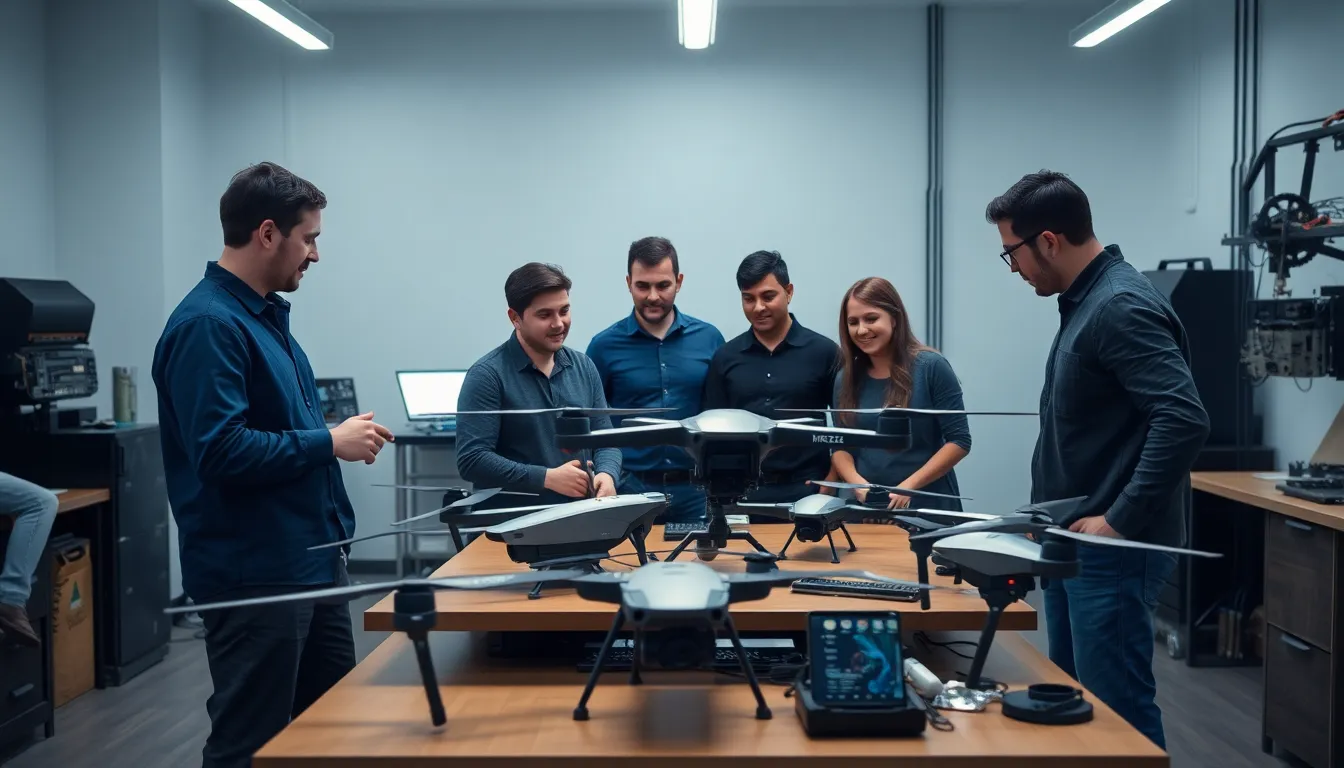
Historically, the use of drones in military operations gained prominence during the conflicts in Iraq and Afghanistan, where they provided a strategic advantage by allowing forces to monitor enemy movements without exposing personnel to danger. The success of these operations led to an accelerated investment in drone technology by various defense contractors, paving the way for a competitive market that now includes both established players and innovative start-ups like Shield AI.
The rise of private defense contractors
The emergence of private defense contractors has reshaped the landscape of military procurement. Companies like Shield AI are capitalizing on the need for advanced drone systems, leveraging cutting-edge artificial intelligence and machine learning to enhance operational efficiency. This trend reflects a broader shift towards privatization in defense, where start-ups are increasingly recognized for their agility and ability to innovate rapidly compared to traditional defense giants.
As nations around the world continue to modernize their military capabilities, the demand for sophisticated drone technology is expected to grow. The recent $2 billion funding raised by Shield AI underscores the confidence investors have in the potential of military drones to play a crucial role in future conflicts. This influx of capital will likely enable the company to accelerate its research and development efforts, further solidifying its position in a competitive market.
Moreover, the geopolitical landscape, characterized by rising tensions among global powers, has amplified the urgency for nations to adopt advanced military technologies. As countries seek to enhance their defense capabilities, the military drone market is poised for continued growth, making it a focal point for innovation and investment in the coming years.
Key stakeholders and challenges in military drone technology
Shield AI, a start-up specializing in military drones, has recently secured $2 billion in funding, highlighting the growing interest and investment in autonomous military technology. This influx of capital not only signifies the potential of Shield AI’s technology but also emphasizes the involvement of various stakeholders in this sector. Key actors include defense contractors, government agencies, military personnel, and technology investors, each with distinct interests and concerns.
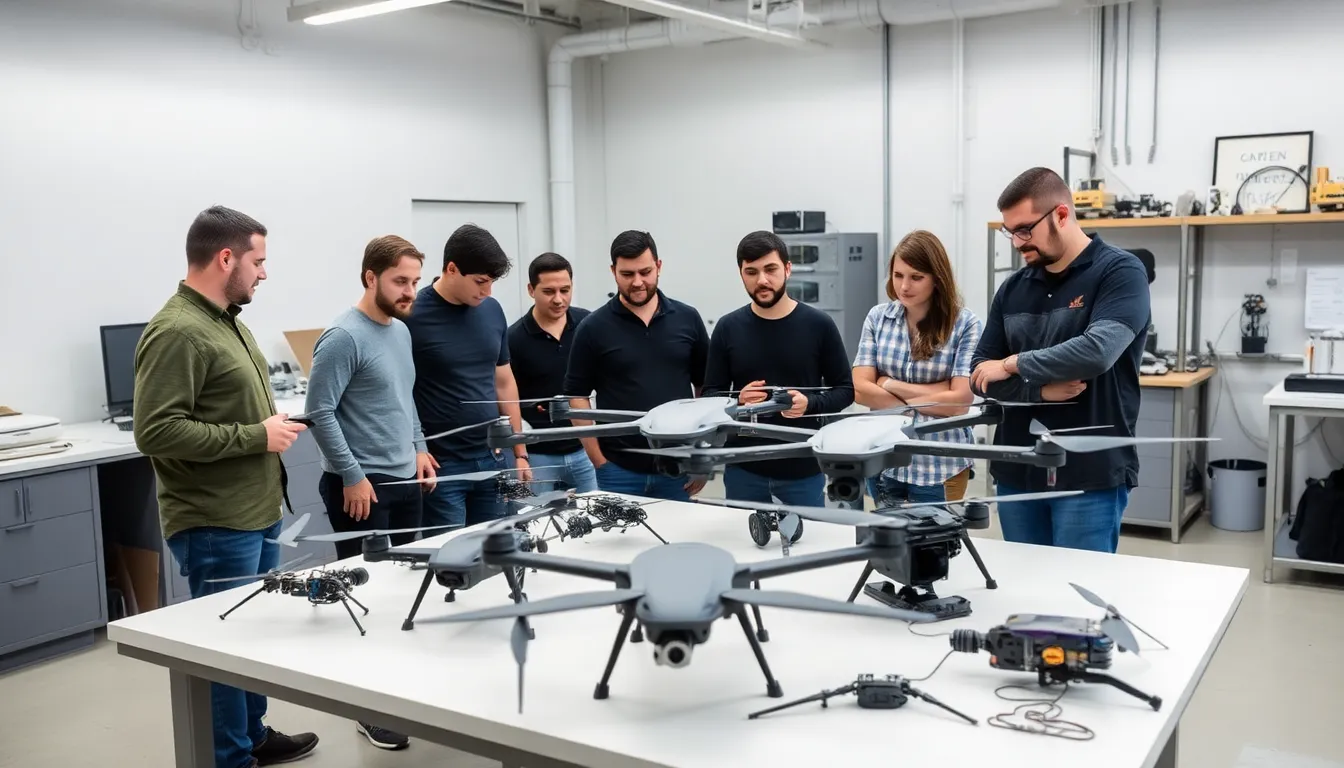
Defense contractors are crucial stakeholders as they often compete with or collaborate with emerging companies like Shield AI. Their interest lies in maintaining technological superiority and securing government contracts. Additionally, government agencies, particularly the Department of Defense, are invested in the development of advanced military capabilities to enhance national security. This creates a dynamic environment where established players may view the rise of start-ups as both a threat and an opportunity.
Military personnel, who are the end-users of these technologies, have a vested interest in the reliability and effectiveness of drones in combat situations. Their feedback can influence design and operational protocols, which may lead to conflicts between technological innovation and practical military needs. Moreover, there are ethical considerations regarding the use of autonomous drones in warfare, which raises questions about accountability and decision-making in life-and-death situations.
Key legal and economic issues surrounding military drones include:
- Regulatory Compliance: Ensuring that drone technology adheres to national and international laws governing warfare.
- Intellectual Property: Protecting innovations while navigating potential patent disputes among competitors.
- Public Perception: Addressing concerns related to privacy, surveillance, and the ethical implications of autonomous weapons.
- Funding and Investment: Balancing the need for substantial financial backing with the risks associated with military technology development.
As Shield AI continues to develop its military drone technology, the interplay between these stakeholders and the challenges they face will shape the future of defense innovation. Understanding these dynamics is crucial for comprehending the broader implications of military drone technology in contemporary warfare and geopolitics.
Potential impacts of Shield AI’s advancements on the defense sector
Shield AI’s recent funding of $2 billion is poised to significantly impact various groups and sectors within the defense industry. Key stakeholders include military organizations, defense contractors, technology firms, and policymakers. The infusion of capital will likely accelerate the development and deployment of advanced military drones, which could reshape modern warfare and defense strategies.
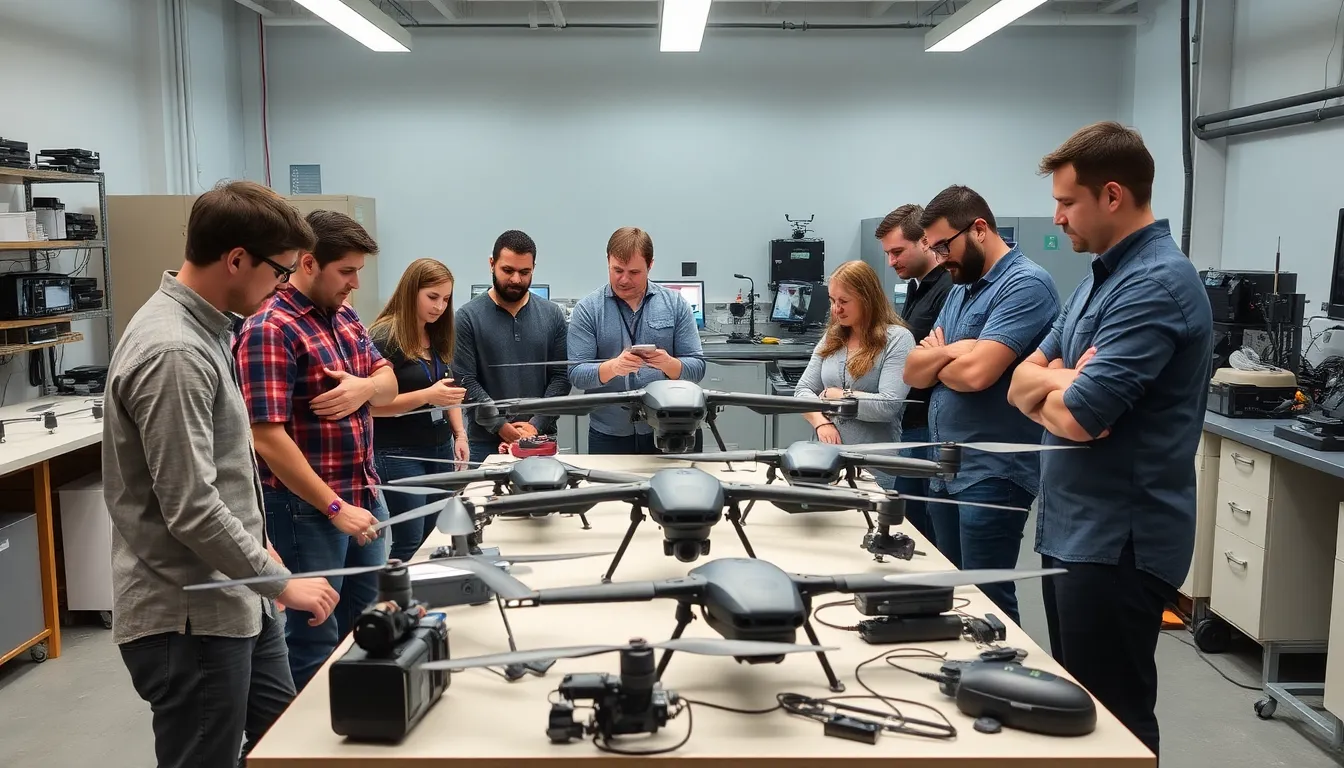
In the short term, military personnel may experience enhanced operational capabilities as Shield AI’s drones provide improved surveillance and reconnaissance. This could lead to more efficient missions and potentially reduce risks to human soldiers. Additionally, defense contractors might need to adapt their offerings to incorporate or compete with Shield AI’s innovative technologies, leading to shifts in market dynamics.
In the mid-term, the implications of these advancements could extend beyond military applications. Industries such as logistics, agriculture, and emergency services may explore the use of similar drone technologies for various purposes. For example, drones could be utilized for disaster response or agricultural monitoring, creating new business opportunities and markets.
- Enhanced military operations: Improved surveillance and reconnaissance capabilities.
- Market shifts: Defense contractors may need to adapt to new technologies.
- Broader applications: Potential use of drone technology in civilian sectors.
- Policy implications: Increased discussions on drone regulations and ethical considerations.
However, there are also risks associated with the proliferation of advanced military drones. The potential for misuse in conflict zones or by non-state actors raises ethical concerns and may prompt calls for stricter regulations. Policymakers will need to navigate these challenges while fostering innovation in defense technology.
A: Shield AI is a technology start-up focused on developing advanced military drones that utilize artificial intelligence for various defense applications. A: The funding will primarily be allocated towards research and development, enhancing existing technologies, and scaling production capabilities. A: The military drone market is significant due to the increasing demand for unmanned systems in modern warfare, offering strategic advantages and cost efficiencies. A: Shield AI faces competition from established defense contractors and other tech start-ups innovating in the drone space, such as General Atomics and Northrop Grumman. A: Ethical concerns include the potential for civilian casualties, the implications of autonomous decision-making, and the overall impact on warfare dynamics.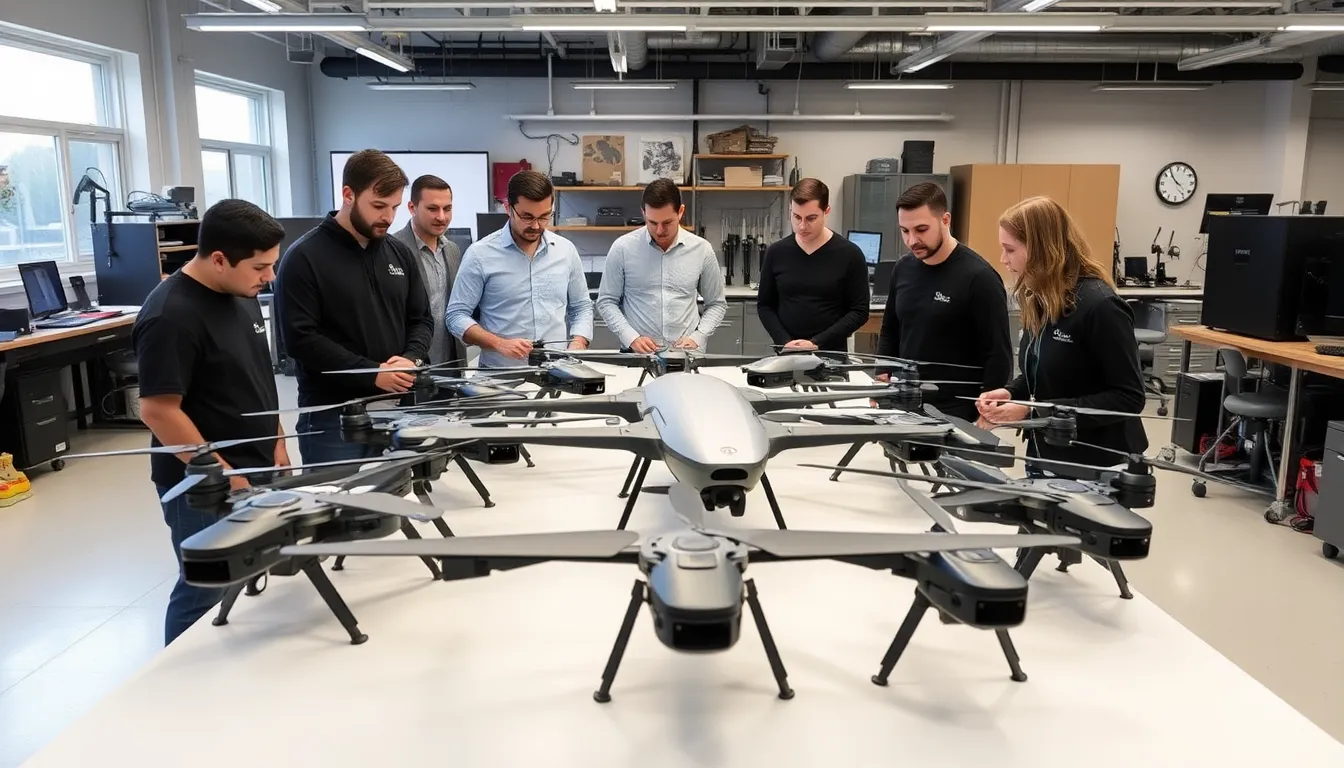
Frequently asked questions about Shield AI’s funding and technology
Looking ahead: the future of military drones and Shield AI’s role
As the landscape of military technology evolves, Shield AI stands at the forefront with its recent $2 billion funding round, signaling strong investor confidence in the potential of autonomous drone systems. This significant financial backing not only enhances the company’s capabilities in developing advanced aerial systems but also highlights a broader shift towards integrating artificial intelligence in defense strategies. The implications of this development extend beyond immediate military applications, potentially reshaping how nations approach warfare and defense logistics.
With the increasing demand for sophisticated surveillance and combat drones, Shield AI’s innovations could redefine operational efficiency and effectiveness on the battlefield. As the company moves forward, several key trends and scenarios are likely to emerge that will be critical for stakeholders in the defense sector to monitor.
- Increased adoption of AI technology: The military’s reliance on AI-driven solutions will likely grow, enhancing operational capabilities and decision-making processes.
- Market competition: Other defense startups and established companies may intensify their efforts to innovate in drone technology, leading to a competitive landscape.
- Regulatory developments: As military drones become more prevalent, governments will need to establish clear regulations governing their use, which could impact deployment strategies.
- International collaborations: Strategic partnerships between nations and defense contractors may become more common as countries seek to enhance their military capabilities through shared technology.
- Ethical considerations: The rise of autonomous military drones will necessitate ongoing discussions about the ethical implications of AI in warfare, influencing public perception and policy.